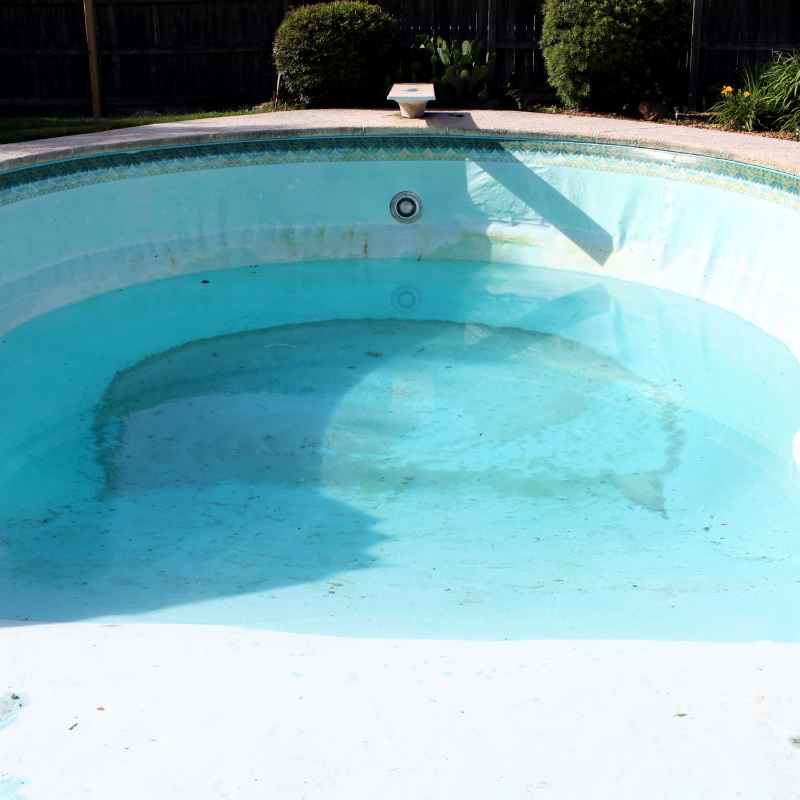
How To Remove Stains From A Vinyl Pool Liner (That Work)
Having a stained vinyl pool liner can really take away from the joy of owning a pool. It’s frustrating to look out and see those ugly marks. You want your pool to be a sparkling oasis, not a spotty mess.
Many people struggle with knowing the best ways to clean these liners without causing damage. It feels like a tricky balance. You want them clean, but you don’t want to ruin the liner itself.
This guide will walk you through simple, effective ways to tackle those stubborn stains. You’ll learn what causes them and how to get your liner looking its best again.
Removing stains from a vinyl pool liner involves identifying the stain type and using the right cleaning method. Gentle scrubbing with appropriate cleaners, pH balancing, and preventative measures are key to a clean and long-lasting liner.
Understanding Vinyl Pool Liner Stains
Vinyl pool liners are tough, but they aren’t invincible. Stains can show up for many reasons. Some are easy to wipe away.
Others seem to stick around forever. Knowing what you’re dealing with helps a lot. It’s like knowing the enemy.
The more you understand, the better you can fight it. This section breaks down the common culprits.
Common Causes of Pool Liner Stains
Many things can lead to those unwanted marks on your vinyl liner. Think about what goes into your pool. Metals from your water supply are a big one.
Copper pipes or even certain types of pool chemicals can leave behind a metallic residue. This often shows up as blue, green, or even rust-colored spots. It’s quite common in areas with hard water.
Organic matter is another huge factor. Leaves, algae, and even dead bugs can settle on the liner. If they sit there too long, they can start to stain the vinyl.
Algae itself is a common cause of green or blackish stains. It thrives in unbalanced water. Leaves can sometimes leave a brownish tint.
This is especially true if they start to decompose.
Chemical imbalances can also be problematic. High chlorine levels, for example, can sometimes bleach or fade the liner. This isn’t usually a “stain” in the traditional sense, but it looks like one.
It’s a discoloration that can be permanent. Always following chemical dosing guides is super important. It protects your liner and keeps your water safe.
Sunscreen and lotions are also sneaky stain creators. When people swim with these on their skin, they can rub off onto the liner. These oily residues can attract dirt.
They can also break down the vinyl over time. This leads to sticky spots that can turn into stains. You might see them around the waterline.
These can be particularly tricky to remove.
Lastly, things like dirt and sediment from the environment can settle. Even things like fallen berries or certain types of pollen can cause color marks. The list seems long, but most of these are manageable.
The key is to act fast when you see them.
How Different Stains Appear
The type of stain often tells you its story. Organic stains, like those from leaves or algae, tend to be brown, green, or black. They often have a fuzzy or slimy texture if you touch them.
These are usually on the bottom of the pool. They can spread if left untreated.
Metal stains are different. Copper can cause bluish-green marks. Iron can show up as reddish-brown or orange spots.
These can be quite vivid. They often appear suddenly after adding certain chemicals or if you have metal fittings in your plumbing.
Bleaching from chemicals usually looks like faded patches. They might be lighter than the surrounding liner. This is different from a colored stain.
It’s more of a loss of color. This is often seen after adding too much of a strong chemical too quickly.
Sunscreen and body oil stains can look like a greasy film. They might be a dull grey or yellow color. They are often around the top edge of the water.
They feel a bit slick. These are common if you notice a ring forming.
Recognizing the stain helps you pick the right tool. It’s like a doctor diagnosing an illness. You wouldn’t treat a cold with surgery.
You use the right method for the specific problem. This makes your cleaning efforts much more effective.
Quick Stain Identification Guide
Organic Stains: Brown, green, black. Slimy texture. From leaves, algae.
Metal Stains: Blue, green (copper). Red, orange, brown (iron). Vivid color.
Chemical Bleaching: Lighter patches. Loss of color.
Oil/Residue Stains: Grey, yellow. Greasy feel. From sunscreen, lotions.
Gentle Cleaning Methods for Vinyl Liners
The biggest fear with cleaning vinyl is damaging it. Vinyl is flexible and can be scratched or weakened. So, we need to be gentle.
This means avoiding harsh scrub brushes or abrasive cleaners. We want to lift the stain, not strip the liner. Start with the mildest option and work your way up.
It’s a process that requires patience.
The Power of Basic Soap and Water
For many light stains, a simple solution is all you need. Grab a soft cloth or sponge. Mix a little mild dish soap with warm water.
This creates a gentle cleaning solution. You can use this to wipe away fresh dirt or light residues. Always test in a small, inconspicuous spot first.
This way, you know how the liner will react.
Dampen your cloth or sponge. Gently rub the stained area. Don’t scrub hard.
You’re just trying to lift the surface grime. Rinse the cloth often. This prevents spreading dirt around.
After cleaning, rinse the area with fresh pool water. Make sure no soap residue is left behind. This is the safest starting point for almost any stain.
This method is great for everyday marks. Think about a bit of mud or pollen. It’s also good for areas where people get in and out.
You can often keep your liner looking new with regular attention. It’s preventative maintenance.
Using a Pool Liner Cleaning Product
When soap and water aren’t enough, it’s time for a specialized cleaner. Look for products labeled specifically for vinyl pool liners. These are designed to be effective but safe.
They usually contain mild solvents or enzymes. These break down stains without harming the vinyl. Read the product instructions very carefully.
Every cleaner is a little different.
Some cleaners are applied directly to a wet sponge. You then rub the stain. Others might be diluted in a bucket of water.
You then use a soft cloth to apply the solution. Always wear gloves when using pool chemicals. Even mild ones can irritate your skin.
Make sure the pool water is at the correct level. Some cleaners require the water to be lower.
After applying the cleaner, let it sit for a short time. The product directions will tell you how long. Then, gently scrub with a soft brush or cloth.
Don’t use wire brushes! They will tear up your liner. Rinse the area thoroughly with pool water.
Again, no residue should be left. This is crucial for liner health.
Finding the right product can be a game-changer. Many pool supply stores have a wide selection. If you’re unsure, ask an employee for a recommendation.
They can help you choose based on the type of stain you have. This saves you time and potential damage.
The Tennis Ball Trick for Waterline Rings
Waterline rings are a common annoyance. They are often caused by body oils, sunscreen, and dirt. They build up over time.
A simple, yet effective, trick is using a tennis ball. Yes, a regular tennis ball! The fuzzy surface can help lift these oily residues.
Just grab a clean tennis ball. Gently rub the stained waterline in a circular motion. The ball acts like a gentle scrubber.
It absorbs some of the oils and loosens the grime. You might need to rinse the ball occasionally. This helps it grab more of the residue.
After rubbing the entire ring, rinse the area with pool water.
This method is surprisingly effective. It’s also very safe for the liner. It requires no chemicals.
It’s a good first step for tackling those stubborn rings. It’s a tip I’ve seen many pool owners swear by. It’s one of those simple hacks that actually work.
Soft Cleaning Tools to Have
Soft cloths: For general wiping and applying cleaners.
Soft sponges: Good for scrubbing without scratching.
Soft pool brush: Look for one with nylon bristles specifically for vinyl.
Tennis ball: For waterline rings.
Tackling Tougher Stains: Metal and Organic
Some stains are tougher than others. Metal stains and stubborn organic ones need a bit more effort. This is where specific treatments come in.
The key is still to be cautious and work with the liner’s best interest in mind. Never mix cleaning chemicals together. This can create dangerous fumes or damage your pool.
Dealing with Metal Stains
Metal stains are often caused by dissolved metals in your water. Iron, copper, and manganese are common culprits. If you have well water, you might see these more often.
High levels of metals can come from pipes, heaters, or even certain algaecides.
The best way to remove metal stains is often with a metal sequestrant. This is a chemical that binds to the metal ions. It keeps them suspended in the water.
This prevents them from settling on the liner and causing stains. You add this to your pool water regularly. It’s a preventative measure.
You can also get specialized metal stain removers.
For existing stains, you might need to use a stain remover product. These often come in a gel or liquid form. You apply them directly to the stain.
Some require you to lower the water level. Others can be used with the water at normal level. Always follow the product instructions precisely.
These can be quite potent.
Another method for metal stains involves using a Vitamin C tablet. You can crush a few Vitamin C tablets into a powder. Wet the stained area.
Rub the powder onto the stain with a soft cloth. Vitamin C is a mild acid. It can help lift some metal stains.
Rinse thoroughly afterward. This is a milder approach.
After treating metal stains, it’s a good idea to test your water. Check for high metal levels. If levels are high, you might need to address the source.
Sometimes, this involves a whole-house water filter. Or it might mean using a metal-removing filter when you add new water.
Removing Organic Stains Effectively
Organic stains, like those from algae or decaying leaves, can be persistent. Algae stains are usually green or black. They are often associated with poor water chemistry.
If you see algae, you need to shock the pool. This kills the algae. Then you can clean the stains.
For stains from leaves or other debris, start with gentle scrubbing. If that doesn’t work, you can try a pool stain eraser. These are often made of a material similar to a Mr.
Clean Magic Eraser. They are mildly abrasive. Use them with caution.
Rub gently. They work best on lighter organic stains.
A paste made of baking soda and water can also help. Baking soda is a mild abrasive. Mix it to a paste consistency.
Apply it to the stain. Let it sit for a bit. Then gently scrub with a soft brush.
Rinse well. This is a common DIY method that many people find effective.
If the organic stains are really stubborn, you might need a specialized pool stain remover. These are formulated for organic matter. Again, always read the label.
Follow the instructions to the letter. Ensure good ventilation when using these products.
Remember that preventing organic stains is much easier than removing them. Keep your pool clean. Skim leaves and debris regularly.
Maintain proper water chemistry. Brush your liner weekly. This prevents algae from taking hold.
Specialized Stain Treatments
Metal Sequestrant: Prevents metal stains by keeping metals suspended.
Pool Stain Removers: Products formulated for specific stain types (metal, organic).
Vitamin C Tablets: Mild acid can help lift some metal stains.
Baking Soda Paste: Mild abrasive for organic stains.
When to Call the Professionals
Sometimes, no matter how hard you try, the stains just won’t budge. Or perhaps you’re worried about causing more damage. In these situations, it’s wise to call in the experts.
Professional pool cleaners have access to stronger products and specialized tools. They also have the experience to identify and treat stains correctly.
Signs You Might Need Professional Help
If you’ve tried multiple gentle methods and the stain remains, it’s time to consider professional help. This is especially true for widespread or very deep stains. If the stain is accompanied by liner damage, like tears or punctures, a professional can assess the best course of action.
Sometimes, stains can indicate a deeper issue. For example, if you have persistent metal staining, a professional can test your water more thoroughly. They can pinpoint the source of the metal.
They might also recommend system upgrades, like a new filter or heater, that could be contributing to the problem.
If you’re unsure about the type of stain or the best way to treat it, a professional can provide expert advice. They can save you time and money in the long run. They prevent you from making costly mistakes.
It’s better to pay for a service than to replace a liner too soon.
Benefits of Professional Pool Cleaning Services
Pool professionals have the knowledge and experience. They know how to treat different liner materials. They use commercial-grade cleaners.
These are often more effective than what you can buy at a retail store. They also have the right equipment. This includes specialized brushes and vacuums.
Using a professional service ensures the job is done right. They can often remove stains that homeowners can’t. They also work efficiently.
They can usually resolve the issue in a single visit. This saves you the hassle and time of repeated DIY attempts.
Many services offer maintenance packages. These can include regular cleaning and water testing. This helps prevent future staining problems.
It also keeps your pool in top condition. Investing in professional help can be a smart move for maintaining your pool’s value and appearance.
Professional Service Checklist
Persistent Stains: You’ve tried multiple methods without success.
Liner Damage: Stains accompanied by tears or holes.
Uncertainty: You don’t know the stain type or best treatment.
Widespread Staining: The problem affects a large area of the liner.
Preventing Future Stains
The best way to deal with stains is to stop them before they start. Prevention is always easier than cure. A little bit of regular care can save you a lot of work and worry down the road.
Think of it as giving your pool liner some ongoing TLC.
Maintaining Proper Water Chemistry
This is arguably the most important step. Properly balanced water is the foundation of a healthy pool. It protects your liner from chemical damage and prevents algae growth.
Always keep your pH levels in check. The ideal range is typically between 7.2 and 7.6. This range is comfortable for swimmers and prevents corrosion or scaling.
Your total alkalinity should also be maintained. This helps buffer your pH. It keeps it from swinging wildly.
Keep chlorine levels consistent. Follow the recommended dosage for your pool size. Too much chlorine can bleach the liner.
Too little can let algae bloom. Test your water regularly. You can use test strips or a liquid test kit.
Shocking your pool periodically is also important. This is especially true after heavy use or rainstorms. It helps to break down organic contaminants.
It also keeps your sanitizer effective. Regularly check for metals in your water. If you have well water, this is very important.
Regular Cleaning and Maintenance Habits
Make it a habit to skim your pool regularly. Remove leaves, bugs, and other debris. This prevents them from sitting on the liner and staining it.
Brush your pool walls and floor at least once a week. This loosens dirt and prevents algae from getting a foothold. Pay special attention to corners and steps.
Clean the waterline frequently. Use your tennis ball trick or a soft brush. This prevents those stubborn rings from forming.
Keep your pool filter clean and running efficiently. A dirty filter can’t do its job properly. Backwash it when needed.
Clean or replace cartridges on schedule.
Consider using a pool cover. This keeps out debris. It also reduces evaporation.
It can help keep your water chemistry more stable. A cover is a great investment for any pool owner.
Addressing Water Sources and Contaminants
If you have well water, test it for metals. If metals are present, consider using a metal sequestrant. You can also use a metal-removing filter when filling your pool.
This adds an extra layer of protection. Some areas have naturally hard water. This can lead to scale buildup.
Keeping your pH and alkalinity balanced helps manage this.
Be mindful of what people bring into the pool. Rinse off excess sunscreen and lotions before swimming. Encourage swimmers to use the outdoor shower if you have one.
This washes off oils and dirt. Avoid using the pool right after applying heavy lotions.
If you notice debris in the water from surrounding trees or plants, take action. Trim branches that hang over the pool. Consider adding netting if it’s a recurring problem.
The less that falls in, the less you have to clean.
Preventative Care Checklist
Water Chemistry: Regular testing and balancing (pH, alkalinity, chlorine).
Debris Removal: Skimming leaves, bugs daily or every few days.
Brushing: Weekly brushing of walls and floor.
Waterline Cleaning: Regular attention to the top edge.
Filter Maintenance: Clean and run filter as recommended.
Source Water Check: Test well water for metals.
Real-Life Scenarios and Solutions
Let’s look at some common situations. Understanding how others handled them can be super helpful. It’s good to know you’re not alone in this.
Seeing how different stains were tackled in real homes gives you confidence.
Scenario 1: The Mysterious Green Spots After a Storm
Sarah called me one day, really worried. After a big thunderstorm, her pool liner had these small, scattered green spots. They weren’t there before.
She thought it was algae, but the water looked clear. She was afraid to scrub too hard.
I suggested she first check her pool’s pH and chlorine levels. The storm might have thrown them off. She found her chlorine was a bit low.
I advised her to shock the pool. After the shock, the spots were still there, but fainter. Then, I recommended she use a pool stain eraser.
She gently rubbed each spot. Most of them came right off. The few that remained were very light.
She planned to keep a closer eye on her chlorine levels after heavy rain.
Scenario 2: Rust Rings Around the Steps
Mike had an older pool with metal steps. Over time, rust started to form. It dripped down onto the liner.
This created distinct orange-brown rings around the base of the steps. He’d tried scrubbing, but it just smeared the stain.
For Mike, the issue was ongoing rust. I told him the first step was to stop the source. He needed to treat the metal steps to prevent further rust.
This might involve painting them with a rust-inhibiting paint or replacing them. For the existing stains, I suggested a metal stain remover product. He had to lower the water level slightly.
He applied the remover directly to the rings. He let it sit for a bit. Then he gently scrubbed with a soft brush.
It took a couple of applications. But he managed to lift most of the rust stains. He also started adding a metal sequestrant to his water as a precaution.
Scenario 3: Fading Around the Pool Edge
My neighbor, Carol, noticed her liner was getting lighter around the top edge. It looked like it was bleached. She was upset because the rest of the liner looked fine.
She couldn’t remember any specific chemical incidents.
This sounded like chemical bleaching. It’s often caused by too much chlorine over time. Or maybe a chemical was added too directly to the liner.
Unfortunately, this type of fading is hard to reverse. It’s permanent damage to the color pigment. Carol’s best bet was to ensure her chlorine levels were always correct.
She also started using a pool cover more consistently. This protects the liner from direct sun. It also helps prevent direct chemical splashes.
While she couldn’t fix the faded spots, she could prevent it from happening elsewhere. It was a lesson in consistent chemical management.
Lesson Learned from Real Homes
Green Spots: Often linked to low chlorine after rain. Shock and gentle stain removal.
Rust Rings: Address the source of rust first. Use metal stain removers.
Fading: Usually permanent bleaching from over-chlorination. Focus on prevention.
What This Means for You
Understanding how to deal with pool liner stains is about more than just appearances. It’s about protecting your investment. A stained liner can look bad.
But it can also be a sign of deeper issues. Knowing what to look for and how to act makes a big difference.
When Stains Are Normal
A few light, surface-level spots can happen. For instance, a leaf might fall in and leave a temporary mark. Or a bit of dirt might settle after a windy day.
These are usually easy to clean. They appear now and then. They don’t seem to get worse over time.
They don’t affect the integrity of the liner.
Minor waterline rings from sunscreen or body oils are also very common. Most pools get them from time to time. They don’t necessarily mean something is wrong.
It just means it’s time for a bit of cleaning. These are often easily managed with a tennis ball or a gentle cleaner.
When to Worry About Stains
You should worry if stains are persistent. If they don’t come off with gentle cleaning, that’s a concern. If stains are spreading rapidly, that’s also a red flag.
Deep, dark stains that seem to be part of the liner itself might indicate damage.
Worry if you see signs of liner degradation. This includes thinning of the material or a brittle feel. Stains accompanied by tears, punctures, or wrinkles are serious.
These often need professional repair or liner
Simple Checks You Can Do
Always start with a visual check. Look at the color and texture of the stain. Is it on the surface?
Does it seem embedded? Check your water chemistry. Test pH, alkalinity, and chlorine levels regularly.
This is your first line of defense.
If you suspect metal stains, consider testing your water for metals. You can get special test kits for this. Gently feel the stained area.
Does it feel rough or smooth? This can give clues about the cause. If you’re unsure, take a clear photo.
Ask for advice at your local pool supply store.
Your Stain Action Plan
Identify: What does the stain look like? What color is it?
Test: Check your pool water chemistry immediately.
Clean Gently: Start with soap and water, then move to specialized cleaners.
Prevent: Maintain water balance and clean your pool regularly.
Consult: Call a professional if stains persist or if there’s liner damage.
Quick Fixes and Helpful Tips
Here are some handy tips to keep in your back pocket. These can help you manage stains effectively. They are practical ideas for everyday pool care.
They make cleaning simpler and more successful.
- Always read product labels. Pool chemicals and cleaners can be strong. Follow instructions precisely to avoid damage.
- Test a small area first. Before tackling a large stain, test your cleaner on a hidden spot. This ensures it won’t harm the liner.
- Work on a sunny day. Sunlight can sometimes help cleaners work better. It also helps you see stains more clearly.
- Rinse thoroughly. After cleaning any stain, rinse the area well with pool water. Chemical residue can cause other problems.
- Don’t scrub too hard. Vinyl liners can be scratched. Use gentle pressure with soft tools.
- Keep a pool journal. Note your water chemistry readings and any cleaning you do. This helps track patterns.
- Store chemicals safely. Keep pool chemicals in a cool, dry place. Away from children and pets.
Frequently Asked Questions About Pool Liner Stains
Q1: Can I use household cleaners like bleach or Windex on my vinyl pool liner?
A1: No, it is highly recommended NOT to use household cleaners like bleach or Windex. These can be too harsh for vinyl liners. They can cause discoloration, weakening, or permanent damage to the material.
Always use products specifically designed for vinyl pool liners.
Q2: How often should I test my pool water for metals?
A2: If you have well water or suspect metal contamination, you should test for metals every few months. If you have city water and no known issues, testing a couple of times a season might be sufficient. However, if you notice staining, test immediately.
Q3: My liner has dark spots that look like mold. What can I do?
A3: Dark spots could be algae or mold. First, ensure your chlorine levels are adequate and shock the pool. Then, try cleaning with a soft brush and a vinyl liner cleaner.
If the spots persist, it may require a stronger treatment or professional assessment.
Q4: Is it normal for my liner to look slightly faded in some areas?
A4: Some fading, especially around the waterline or areas exposed to direct sunlight for long periods, can occur over time. This is usually due to UV exposure and chemical wear. Consistent water balance and using a pool cover can help minimize this.
Q5: What’s the difference between a stain and a puncture?
A5: A stain is a discoloration on the surface of the liner. A puncture is a hole or tear that goes through the liner material. Stains can often be cleaned.
Punctures require repair kits or professional patching.
Q6: Can I use a pressure washer to clean my pool liner?
A6: Absolutely not. A pressure washer is far too powerful for a vinyl pool liner. The high-pressure spray can easily tear or damage the material, creating much bigger problems than stains.
Q7: My pool has a black ring around it. How do I get rid of it?
A7: A black ring is typically a build-up of body oils, sunscreen, and dirt. Try the tennis ball trick first. If that doesn’t work, use a specialized vinyl liner cleaner and a soft sponge or brush.
Regular cleaning of the waterline is key to preventing this.
Conclusion
Dealing with stains on your vinyl pool liner can feel like a daunting task. But with the right knowledge and approach, you can restore its beauty. Remember to identify the stain type.
Choose gentle, appropriate cleaning methods. Always prioritize prevention through good water chemistry and regular care. Your pool will be a clean, inviting space for everyone to enjoy.