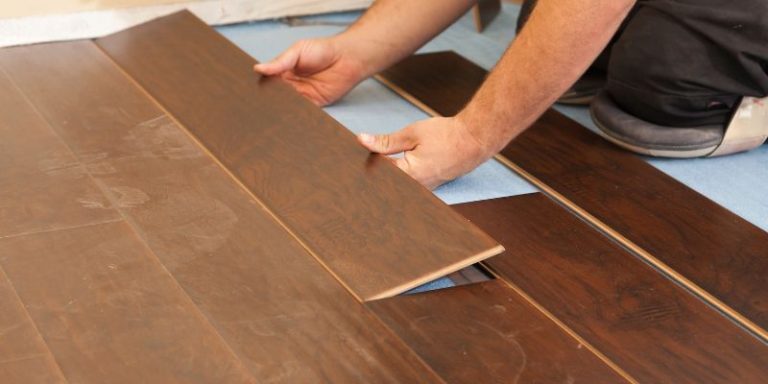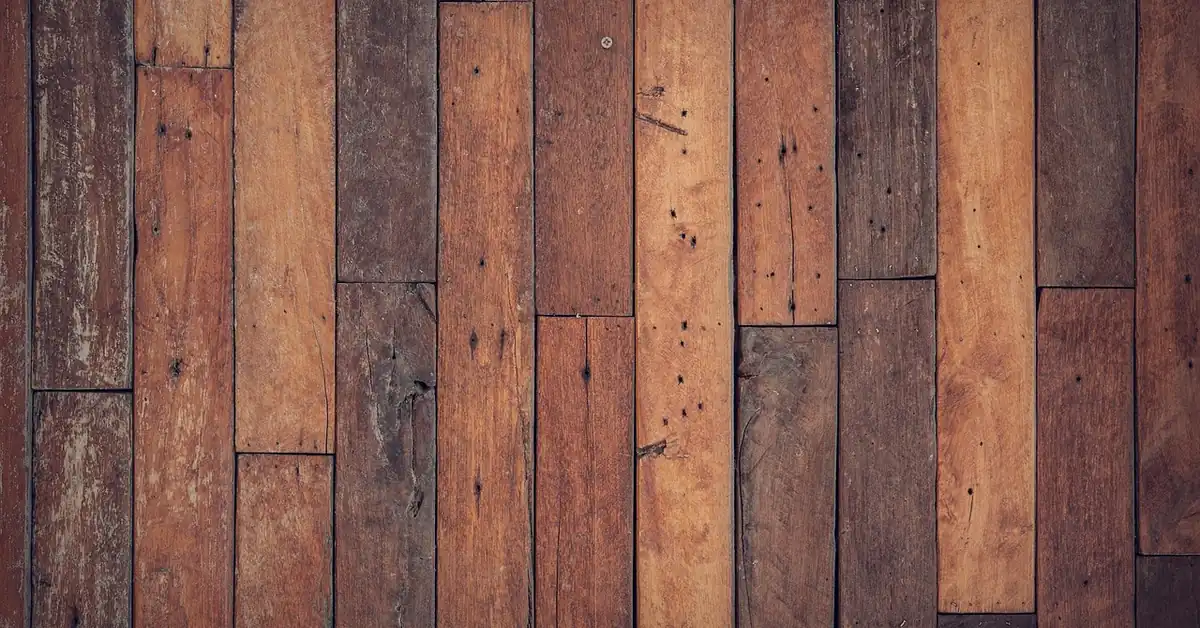
10 Best LVP Flooring Colors for 2026 (Most Popular Picks)
The most popular LVP flooring colors for 2026 are warm, light neutrals — greige, blonde oak, and honeyed light gray — replacing the cool-gray look that dominated from 2018-2023. Light colors visually expand small or dark rooms, while dark chocolate and espresso tones work best only in larger rooms with plenty of natural light. This guide ranks 10 LVP colors with real install specs, budget ranges, and which rooms each one suits.
Quick Answer
Greige and blonde/white oak are the most popular LVP flooring colors for 2026, working in almost any room. For small or low-light rooms, stick to light gray, greige, or whitewashed ash. Save dark chocolate brown and smoky gray for larger rooms with strong natural light, since dark LVP can make a small space feel smaller.
1. Blonde Oak: Airy and Timeless
Blonde oak LVP, with creamy beige tones, creates a bright, Scandinavian-inspired look well suited to living rooms or bedrooms. Its light hue visually expands small spaces and pairs well with light wood furniture like teak or ash.
Install 7-inch-wide planks in a straight lay for a clean aesthetic, using click-lock for DIY ease. Pair with natural-fiber textiles like a jute rug for texture. Recessed lighting enhances the wood’s subtle grain, keeping the look airy rather than washed out.
- Materials: Blonde oak LVP, acoustic underlayment, spacers.
- Steps: Level subfloor, acclimate planks, cut with a utility knife, install with click-lock, trim edges.
- Tools Needed: Utility knife, level, mallet, table saw.
- Time: 6–8 hours for 100 sq. ft.
- Pairing: Style with linen curtains for softness.
- Maintenance: Sweep weekly; mop with a vinyl-safe cleaner monthly.
Design Tip: Choose planks with minimal knotting for a sleek, minimalist look. Budget: Mid-range LVP typically runs $2–$3 per sq. ft., or roughly $150–$300 for a 100 sq. ft. room.
2. Medium Brown: Warm Versatility
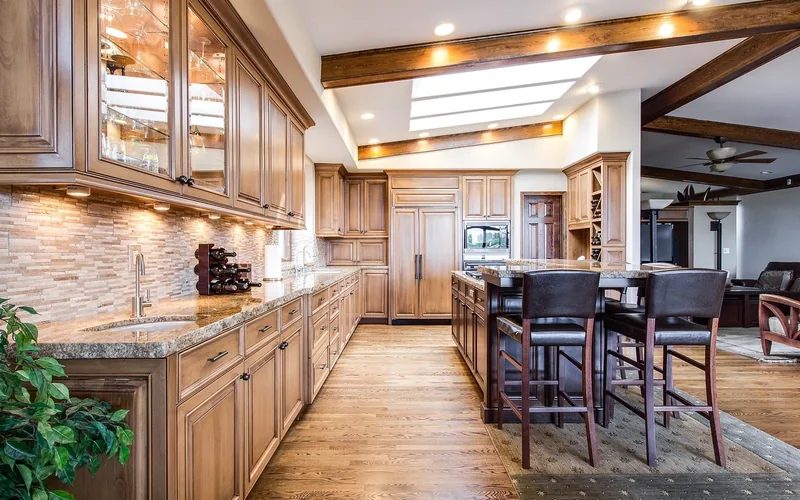
Medium brown LVP, with rich caramel hues, offers a rustic charm that hides dirt well, making it a practical pick for high-traffic kitchens and entryways. Its warmth and forgiving grain pattern make it one of the most versatile options on this list.
Select planks with red undertones and install in a herringbone pattern for a more elevated look. Pendant or recessed lighting highlights the wood-like graining without overpowering the room.
- Materials: Medium brown LVP, underlayment, adhesive (optional).
- Steps: Prep subfloor, cut planks for herringbone, install with click-lock or adhesive, seal edges.
- Tools Needed: Table saw, utility knife, square, mallet.
- Time: 8–10 hours for 100 sq. ft. (herringbone takes longer than a straight lay).
- Pairing: Add a wool runner for texture.
- Maintenance: Dust daily; clean with mild soap biweekly.
Design Tip: Mix plank widths for a more custom, less uniform look. Budget: Recycled-content medium brown LVP typically runs $150–$250 for a 100 sq. ft. room.
3. Dark Chocolate Brown: Bold Elegance
Dark chocolate brown LVP reads as luxurious and works well in dining rooms with strong natural light. Its deep tone adds cozy sophistication in traditional-style homes, though it will show dust, pet hair, and scuffs more readily than lighter tones — and per 2026 resale research, dark tones are best reserved for larger, brighter rooms rather than small or dim ones.
Install 8-inch planks with a 20-mil wear layer in a straight lay for durability. Wall sconces or accent lighting emphasize the plank’s texture and help offset how much a dark floor can visually shrink a room.
- Materials: Dark brown LVP, rigid core underlayment, spacers.
- Steps: Level subfloor, dry-fit planks, cut with table saw, install with click-lock, trim.
- Tools Needed: Table saw, utility knife, level, mallet.
- Time: 6–8 hours for 100 sq. ft.
- Pairing: A brass or gold-toned lamp adds contrast without competing with the floor.
- Maintenance: Vacuum weekly; avoid abrasive cleaners that can dull the finish.
Design Tip: A matte or satin finish minimizes scuff visibility — 2026’s finish trend favors satin and low-gloss over high-gloss anyway. Budget: Budget dark brown LVP runs $2–$4 per sq. ft., or $200–$400 for a 100 sq. ft. room.
Best Way to Test LVP Colors First
Flooret Bestsellers Sample Kit (6 Real Plank Cuts) – $14.89
Every color on this list looks different under your own lighting than it does in a product photo — this kit ships 6 real 12-inch plank cuts so you can compare tones like blonde oak and dark chocolate side by side in the actual room before ordering full boxes.
- Best for: Comparing multiple color families before committing to a full order
- Why we picked it: Real cut planks, not printed swatches — shows true grain and sheen
- Main drawback: Only covers Flooret’s own color line, not every brand in this guide
Compare more single-color sample options
 Option 1 Flooret Kingswood Sample (Light Tone) – $2.99
|
 Option 2 Flooret Sutton Sample (Dark Tone) – $2.99
|
 Option 3 MULGREAT Peel & Stick 6-Pack Sample – $5.99
|
As an Amazon Associate we earn from qualifying purchases.
4. Light Gray: Modern Serenity
Light gray LVP, with cool blue undertones, creates a calming, modern feel for bathrooms and other small rooms. It’s one of the best colors for maximizing perceived space and works in both rustic and sleek interiors.
Choose 6-inch planks with a 12-mil wear layer, installing in a grid pattern. Soft floor lamps highlight the gray’s subtle hues without making the room feel cold.
- Materials: Light gray LVP, underlayment, spacers.
- Steps: Prep subfloor, cut planks, install with click-lock, seal edges.
- Tools Needed: Utility knife, level, mallet, square.
- Time: 6–8 hours for 100 sq. ft.
- Pairing: Add a woven basket for texture.
- Maintenance: Mop with a pH-neutral cleaner biweekly.
Design Tip: Pair with warm accent colors to keep the cool undertone from reading as stark. Budget: Mid-tier light gray LVP runs $1.50–$3 per sq. ft., or $150–$300 for a 100 sq. ft. room.
5. Greige: Neutral Sophistication
Greige LVP, blending gray and beige, is the single most in-demand LVP color family for 2026 as the “cool gray” era gives way to warmer neutrals. It offers a flexible canvas for living rooms that’s easy to redecorate around as trends shift.
Install 7-inch planks with micro-beveled edges in a random stagger for a more authentic, less repetitive look. Recessed lighting enhances the planks’ cool-warm balance.
- Materials: Greige LVP, acoustic underlayment, spacers.
- Steps: Acclimate planks, cut with utility knife, install with click-lock, trim edges.
- Tools Needed: Utility knife, level, mallet, table saw.
- Time: 6–8 hours for 100 sq. ft.
- Pairing: Style with ceramic decor for cohesion.
- Maintenance: Sweep daily; use a vinyl-safe cleaner monthly.
Design Tip: Choose greige with light, subtle grain for a coastal-farmhouse feel. Budget: Budget greige LVP typically runs $150–$250 for a 100 sq. ft. room.
6. Whitewashed Ash: Coastal Charm
Whitewashed ash LVP, with soft white and gray tones, brings a coastal, airy feel to sunrooms and small spaces. It’s one of the highest-LRV (lightest) options on this list, which is exactly why it works so well in rooms with limited natural light — though it will show dirt more visibly in high-traffic areas than a darker tone.
Select 9-inch planks with a 20-mil wear layer, installing in a straight lay. String lights or sheer curtains reinforce the breezy, coastal feel.
- Materials: Whitewashed ash LVP, underlayment, spacers.
- Steps: Level subfloor, cut planks, install with click-lock, trim edges.
- Tools Needed: Utility knife, level, mallet, square.
- Time: 6–8 hours for 100 sq. ft.
- Pairing: Add a linen sofa or slipcover for softness.
- Maintenance: Clean with mild soap biweekly; dust mop more often than darker tones since dirt shows more.
Design Tip: Always test samples in the room’s actual natural light before ordering — light tones shift noticeably between north- and south-facing rooms. Budget: Budget whitewashed LVP runs $1.50–$3 per sq. ft., or $150–$300 for a 100 sq. ft. room.
7. Caramel Golden-Brown: Organic Warmth
Caramel golden-brown LVP, reminiscent of acacia or honeyed oak, adds bold warmth to home offices and dens. Warm honey and caramel tones are among the fastest-growing color requests for 2026 as the market shifts away from cool grays.
Install 8-inch planks in a chevron pattern for drama, or a straight lay for a simpler DIY install. Task lighting showcases the warm undertones without washing them out.
- Materials: Caramel brown LVP, underlayment, adhesive (optional).
- Steps: Prep subfloor, cut planks for chevron, install with click-lock, seal edges.
- Tools Needed: Table saw, utility knife, square, mallet.
- Time: 8–10 hours for 100 sq. ft.
- Pairing: Style with a wool rug for coziness.
- Maintenance: Dust weekly; mop with a vinyl-safe cleaner monthly.
Design Tip: A 20+ mil wear layer holds up better in busy home-office or family areas. Budget: Mid-range caramel LVP runs $2–$4 per sq. ft., or $200–$400 for a 100 sq. ft. room.
8. Smoky Gray: Industrial Chic
Smoky gray LVP, with cool, subdued tones, suits modern lofts and hallways with an industrial edge. It’s a sleeker pick than light gray but carries the same small-room caution as other darker tones — best used in larger or well-lit spaces.
Choose 7-inch planks with a 12-mil wear layer, installing in a straight lay. Wall sconces highlight the smoky hues and add warmth to an otherwise cool palette.
- Materials: Smoky gray LVP, underlayment, spacers.
- Steps: Level subfloor, cut planks, install with click-lock, trim edges.
- Tools Needed: Utility knife, level, mallet, square.
- Time: 6–8 hours for 100 sq. ft.
- Pairing: A brass or warm-metal mirror adds contrast.
- Maintenance: Mop with a pH-neutral cleaner biweekly.
Design Tip: Pair with clean-lined furniture to reinforce the minimalist, industrial feel. Budget: Budget smoky gray LVP runs $1.50–$3 per sq. ft., or $150–$300 for a 100 sq. ft. room.
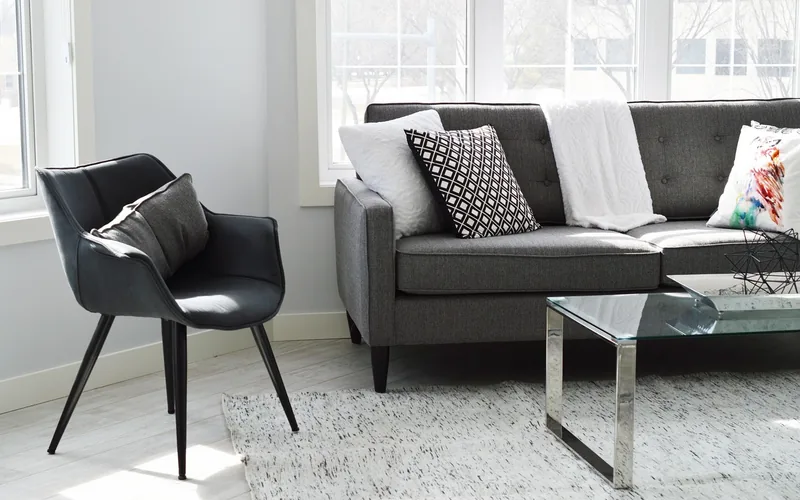
9. Taupe: Subtle Elegance
Taupe LVP, a warm neutral blending brown and gray, works well as a versatile entryway floor. Its adaptable, cozy tone is a safe, popular choice for resale since it reads as neutral to most buyers without feeling cold.
Install 6-inch planks in a random stagger for a natural look. Warm-toned lighting accentuates the taupe’s depth without pushing it too gray or too pink.
- Materials: Taupe LVP, underlayment, spacers.
- Steps: Acclimate planks, cut with utility knife, install with click-lock, trim edges.
- Tools Needed: Utility knife, level, mallet, table saw.
- Time: 6–8 hours for 100 sq. ft.
- Pairing: Style with a jute runner for texture.
- Maintenance: Sweep daily; use a vinyl-safe cleaner monthly.
Design Tip: Choose taupe with subtle grain for understated elegance. Budget: Budget taupe LVP typically runs $150–$250 for a 100 sq. ft. room.
10. White Oak: Classic Modernity
White oak LVP, with creamy beige tones and sleek graining, brightens bedrooms and small rooms. It’s a timeless option that reads as fresh and current without chasing a short-lived color trend.
Select 9-inch planks with a 20-mil wear layer, installing in a straight lay. Soft, warm lamps highlight the oak’s natural grain for a serene bedroom feel.
- Materials: White oak LVP, underlayment, spacers.
- Steps: Level subfloor, cut planks, install with click-lock, trim edges.
- Tools Needed: Utility knife, level, mallet, square.
- Time: 6–8 hours for 100 sq. ft.
- Pairing: Add a wool throw for warmth.
- Maintenance: Clean with mild soap biweekly.
Design Tip: Wide planks (7 inches or more) make a small bedroom read larger. Budget: Mid-range white oak LVP runs $2–$4 per sq. ft., or $200–$400 for a 100 sq. ft. room.
All 10 LVP Colors at a Glance
A side-by-side view of undertone, best room fit, and starting budget for all 10 colors above:
| Color | Undertone | Best For | Starting Budget (100 sq ft) |
|---|---|---|---|
| Blonde Oak | Warm, light | Small/dark rooms, bedrooms | $150–$300 |
| Medium Brown | Warm, red | High-traffic kitchens | $150–$250 |
| Dark Chocolate Brown | Warm, deep | Large, bright dining rooms | $200–$400 |
| Light Gray | Cool, blue | Small bathrooms, modern spaces | $150–$300 |
| Greige | Warm-neutral | Most versatile, any room | $150–$250 |
| Whitewashed Ash | Cool-neutral | Sunrooms, small/dim rooms | $150–$300 |
| Caramel Golden-Brown | Warm, gold | Home offices, dens | $200–$400 |
| Smoky Gray | Cool | Lofts, larger hallways | $150–$300 |
| Taupe | Warm-neutral | Entryways, resale | $150–$250 |
| White Oak | Warm, light | Bedrooms, timeless look | $200–$400 |
Which LVP Color Is Best for Small Rooms or Resale Value?
For small rooms or low natural light, choose a color with a high Light Reflectance Value (LRV) — the measure of how much light a surface bounces back, from 0 (black) to 100 (white). Blonde oak, light gray, and whitewashed ash all fall in this bracket and visually open up tight spaces.
📊 For brightening a small or dark room, choose flooring with an LRV of 70 or higher. — Source: SATRA
For resale value specifically, a neutral color — greige, taupe, or a mid-tone brown — is the safer bet than a bold or very dark shade, since neutrals read well to the widest range of buyer tastes. Reserve dark chocolate brown, espresso, or smoky charcoal tones for larger rooms with strong natural light, where the coziness reads as intentional rather than cave-like.
“Mid-level tones are the leading choice for homeowners, but social media is increasingly shifting preferences towards richer, darker shades and bolder expressions.”
If you’re weighing LVP against other flooring types before committing to a color, see our comparisons of LVP vs EVP and LVP vs LVT, or browse top LVP flooring brands once you’ve settled on a color family. For a broader look at where LVP design is headed, see our 12 luxury vinyl plank flooring trends roundup.
Frequently Asked Questions
What is the most popular LVP flooring color right now?
Greige and warm light-oak tones are the most popular LVP flooring colors for 2026, replacing the cool gray that dominated from roughly 2018 to 2023. Warm sandy beiges, honey, and light caramel tones are close behind as buyers shift toward biophilic, nature-inspired palettes.
What LVP color hides dirt best?
Medium brown and other mid-tone, high-variation colors hide dirt, dust, and pet hair best, since the multi-tonal graining camouflages debris between cleanings. Solid light colors and solid dark colors both show dirt more readily than a mid-tone with visible grain variation.
Should small rooms use light or dark LVP flooring?
Light LVP colors with a high LRV (70 or above), such as blonde oak, light gray, or whitewashed ash, are the better choice for small or low-light rooms because they reflect more light and visually expand the space. Dark chocolate and espresso tones work best in larger rooms that already get plenty of natural light.
Does LVP flooring color affect home resale value?
Yes. Neutral LVP colors — greige, taupe, and mid-tone browns — tend to appeal to the widest range of buyers and are considered the safer choice for resale. Bold or very dark color choices are more polarizing and can be a harder sell to buyers who plan to move in without renovating.
Should I order LVP samples before buying full boxes?
Yes. LVP colors can look noticeably different under a room’s actual lighting than they do in online photos, especially light tones in north-facing rooms. Ordering a few real plank-cut samples and viewing them in the room at different times of day prevents an expensive full-order mismatch.
Conclusion
The best LVP flooring colors for 2026 lean warm and light — greige, blonde oak, and honeyed caramel tones lead the most popular list, while cool grays have faded from their 2018–2023 peak. Match the color to the room: light, high-LRV tones for small or dim spaces, and reserve dark chocolate or smoky tones for larger rooms with strong natural light. Order real samples before committing to a full room, and lean neutral if resale value is a priority.
Sponsored / affiliate links. As an Amazon Associate I earn from qualifying purchases. I may earn additional commission from eligible campaigns.