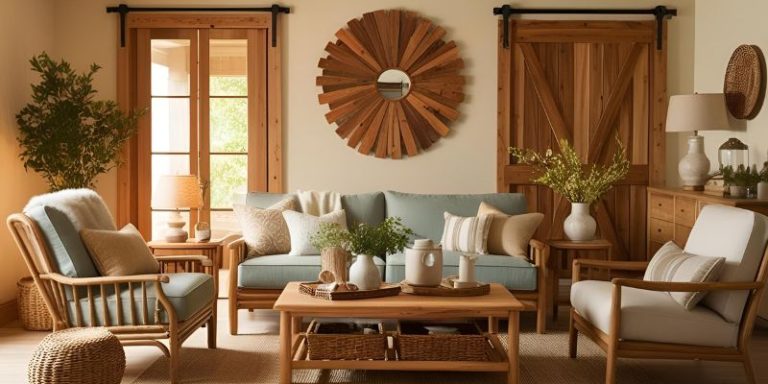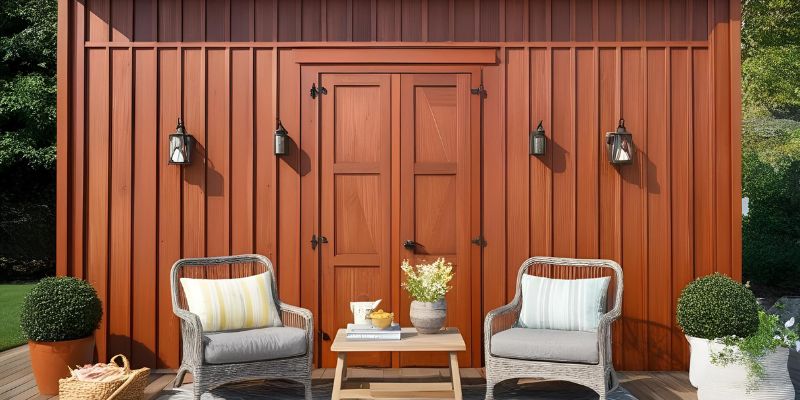
12 Paint Colors That Go With Cedar Wood (+ Primer Tip)
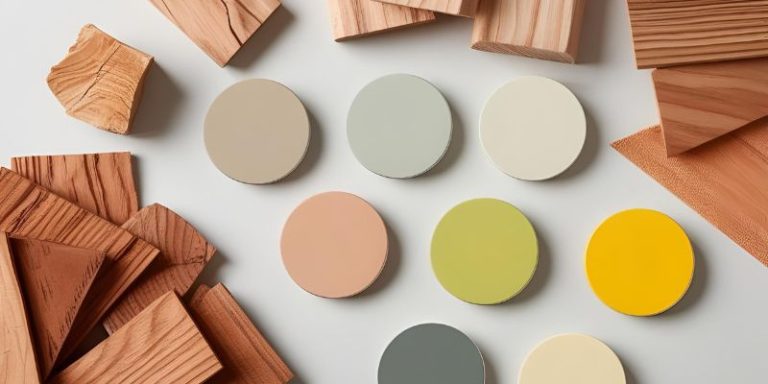
Cream, sage green, and charcoal gray pair best with cedar wood’s warm reddish-brown grain — but bare cedar needs a dedicated stain-blocking primer first, or natural tannins bleed through within weeks. Skipping that step is the top reason repainted cedar looks blotchy by the following summer. This guide covers all 12 best-matching colors, the primer cedar actually needs, and how to prep the wood before you paint.
Why Cedar Wood Needs a Stain-Blocking Primer First
Tannin bleed is a yellow-brown or reddish discoloration that shows up on top of fresh paint when water-soluble compounds inside cedar wood migrate up through the coating. It happens most on cedar and redwood because both are naturally rich in tannins, and it will bleed through almost any standard wall paint if the bare wood isn’t sealed first.
📊 Cedar and redwood siding should read below 12% moisture content on a digital moisture meter before any primer or paint is applied. — Source: National Hardwood Company, Best Exterior Paint for Cedar Siding
“Tannins are naturally found in many woods, like cedar and redwood… [staining occurs from a] failure to adequately prime and seal the surface before painting.”
A dedicated stain-blocking primer is worth the extra step and cost — without one, even paint marketed as “paint and primer in one” will let cedar’s tannins bleed through, and repainting a stained wall or fence costs far more in time and materials than priming correctly the first time. See whether Sherwin-Williams paint-and-primer products are enough on their own for cedar, or whether you need a separate stain blocker.
Best Stain-Blocking Primer Pick
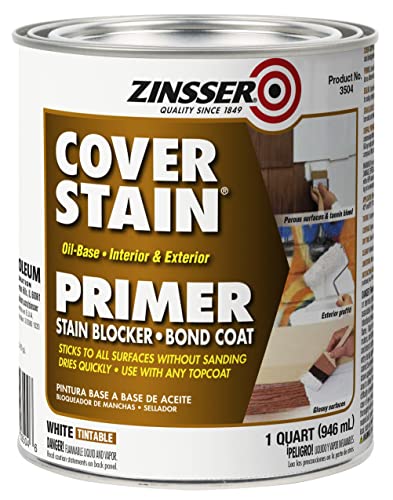
Zinsser Cover-Stain Stain-Blocking Primer, Quart – $18.48
Oil-based, high-hiding formula built specifically for heavy-bleed woods like cedar and redwood — the exact tannin problem this guide covers above.
- Best for: Bare cedar siding, fences, and trim with visible tannin staining
- Why we picked it: Oil-based stain blockers handle cedar’s tannins better than water-based formulas
- Main drawback: Oil-based formula needs mineral spirits for cleanup and longer dry time than water-based primers
Compare more cedar primer options
 Option 1 Glidden Stain Block Primer, 1 Gallon – $31.97
|
 Option 2 Zinsser Bulls Eye 1-2-3 Primer, Quart – $14.78
|
 Option 3 Zinsser Bulls Eye 1-2-3 Plus Spray, 13oz – $10.98
|
As an Amazon Associate we earn from qualifying purchases.
How to Prep and Prime Cedar Wood Before Painting
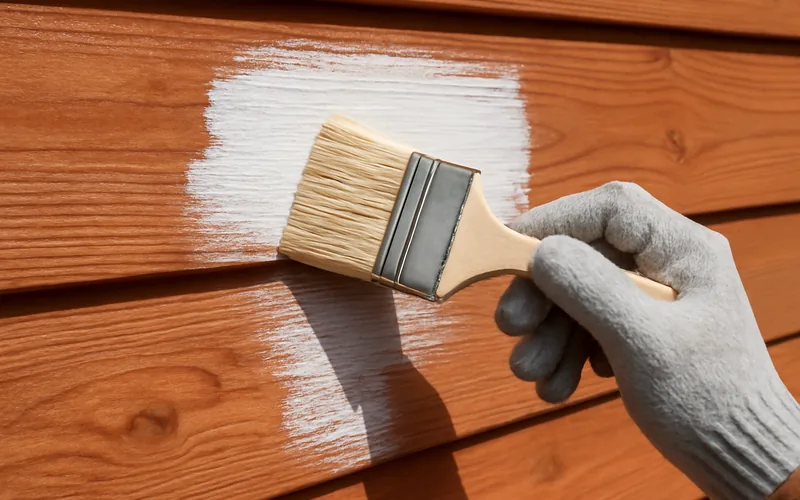
- Clean the surface: Wash cedar with a mild detergent and soft brush to remove dirt, mildew, and surface grime, then let it dry fully.
- Check moisture content: Use a digital moisture meter and wait until the reading is below 12% before priming.
- Sand lightly: Scuff-sand any glossy or weathered spots so the primer has something to grip.
- Apply a stain-blocking primer: Brush or roll on one full coat of an oil-based or shellac-based stain-blocking primer; use two coats over heavy existing tannin stains.
- Apply two topcoats: Once the primer is fully cured, apply your chosen color in two coats for even coverage and UV protection.
1. Soft White: Crisp Contrast
Soft white paint provides a clean, bright backdrop that lets cedar wood’s warm tones stand out. A true warm white like Benjamin Moore Ultra White avoids the stark, cold look that pure white can give next to reddish cedar grain.
Inspired by Scandinavian and minimalist design, soft white adds elegance without overpowering.
- Choose a warm white with subtle yellow or cream undertones to avoid starkness.
- Apply with a roller for even coverage on large surfaces.
- Pair with natural cedar furniture or accents for a cohesive look.
- Use on interior walls or exterior trim to highlight cedar features like decks.
- Seal cedar with a clear coat to maintain its color and protect against paint bleed.
Pro Design Tip: Add white molding or baseboards for a polished, framed effect around cedar elements.
Budget Consideration: Opt for sample sizes to test shades before committing to larger cans.
2. Creamy Beige: Warm Harmony
Creamy beige paint complements cedar wood’s warmth, creating a soft, inviting palette. A warm neutral such as Sherwin-Williams Heron Plume SW 6070 is a commonly recommended match for cedar tones.
Drawing from traditional and farmhouse styles, creamy beige adds depth and softness.
- Select a beige with warm undertones to match cedar’s reddish hue.
- Use a satin finish for durability and a subtle sheen.
- Pair with cedar flooring, furniture, or fences for a unified aesthetic.
- Apply on living room walls or porch railings for a welcoming touch.
- Seal cedar with a light stain to enhance its natural beauty before painting nearby.
Pro Design Tip: Mix creamy beige with soft grey accents for a modern twist.
Budget Consideration: Look for multi-surface paints that work indoors and outdoors to save money.
3. Light Grey: Modern Balance
Light grey paint offers a cool, contemporary contrast to cedar wood’s warmth. Ideal for walls, doors, or outdoor structures, this color adds sophistication without fighting the wood grain.
Inspired by industrial and transitional design, light grey brings a fresh perspective.
- Choose a warm grey with hints of brown to avoid clashing with cedar.
- Apply with a brush for trim or a roller for walls for even coverage.
- Pair with natural cedar beams, tables, or benches for contrast.
- Use on exterior siding or interior accent walls to highlight cedar details.
- Seal cedar with a clear or light stain to maintain its warmth.
Pro Design Tip: Add grey throw pillows or rugs to tie the color scheme together.
Budget Consideration: Buy paint during sales or use leftover grey from other projects.
4. Sage Green: Earthy Elegance
Sage green paint brings a subtle, earthy vibe that pairs beautifully with cedar wood. Behr Muted Sage N230-5 and Farrow & Ball Vert de Terre are both frequently recommended shades for cedar-trimmed rooms.
Drawing from biophilic and cottage styles, sage green enhances cedar’s natural appeal.
- Select a muted sage with grey undertones for a sophisticated look.
- Use a matte finish for walls or semi-gloss for trim for durability.
- Pair with cedar planters, shelves, or fences for a cohesive outdoor vibe.
- Apply on kitchen walls or patio features to create a serene atmosphere.
- Seal cedar with a clear coat to protect its color and texture.
Pro Design Tip: Add green plants or cushions to amplify the natural connection.
Budget Consideration: Look for eco-friendly paint options to align with cedar’s sustainability.
5. Charcoal Grey: Dramatic Depth
Charcoal grey paint creates a bold, dramatic backdrop that contrasts with cedar wood’s warmth. Farrow & Ball Tar is a well-known deep charcoal used on trim and doors next to natural wood siding.
Inspired by contemporary lodge design, charcoal grey brings sophistication and edge.
- Choose a deep grey with cool undertones for a striking effect.
- Apply with a roller for large areas or a brush for details.
- Pair with natural cedar furniture or railings for a high-contrast look.
- Use on exterior gates or interior feature walls to draw attention.
- Seal cedar with a dark stain to enhance the drama of the pairing.
Pro Design Tip: Add metallic accents like silver or brass to balance the darkness.
Budget Consideration: Purchase sample pots to test the intensity before full application.
6. Pale Yellow: Sunny Warmth
Pale yellow paint adds a cheerful, sunny touch that complements cedar wood’s warmth, creating a bright, inviting space for walls, trim, or outdoor decor.
Drawing from coastal and country styles, pale yellow brings light and joy.
- Select a soft yellow with white undertones to avoid overpowering cedar.
- Use a satin or eggshell finish for durability and a subtle glow.
- Pair with cedar flooring, benches, or shelving for harmony.
- Apply on porch ceilings or nursery walls for a warm, cheerful feel.
- Seal cedar with a clear or light stain to maintain its natural hue.
Pro Design Tip: Add yellow throw pillows or artwork for a cohesive color pop.
Budget Consideration: Look for discounted yellow paints at hardware stores.
7. Taupe: Neutral Sophistication
Taupe paint offers a neutral, sophisticated look that pairs seamlessly with cedar wood. Dunn-Edwards Desert Suede is a real taupe shade cited alongside cedar in exterior color guides.
Inspired by modern rustic and transitional design, taupe brings understated charm.
- Choose a warm taupe with brown or grey undertones to match cedar.
- Apply with a semi-gloss finish for durability and easy cleaning.
- Pair with cedar doors, windows, or furniture for a unified aesthetic.
- Use on living room walls or patio features for a polished look.
- Seal cedar with a light stain to enhance its natural beauty.
Pro Design Tip: Mix taupe with cream accents for a soft, layered effect.
Budget Consideration: Use leftover taupe paint from other projects to save money.
8. Deep Blue: Coastal Contrast
Deep blue paint creates a striking contrast with cedar wood’s warmth, evoking a coastal or nautical vibe. Sherwin-Williams Azure Tide is a real navy shade used against cedar siding in exterior color roundups.
Drawing from beach house and modern design, deep blue brings a fresh perspective.
- Select a rich blue with green or grey undertones for balance.
- Use a satin finish for walls or gloss for trim for durability.
- Pair with cedar decks, benches, or railings for a seaside look.
- Apply on garage doors or patio walls to create a focal point.
- Seal cedar with a clear coat to protect its color and texture.
Pro Design Tip: Add white trim or accents to brighten the deep blue.
Budget Consideration: Look for multi-purpose paints that work on multiple surfaces.
9. Terracotta: Earthy Warmth
Terracotta paint brings an earthy, warm tone that complements cedar wood’s reddish hue, creating a cohesive, rustic look for walls, furniture, or garden features.
Inspired by Mediterranean and rustic styles, terracotta enhances cedar’s natural appeal.
- Choose a muted terracotta with orange or brown undertones.
- Apply with a matte finish for walls or semi-gloss for trim.
- Pair with cedar planters, shelves, or fences for harmony.
- Use on kitchen walls or patio features for a cozy vibe.
- Seal cedar with a clear or light stain to maintain its warmth.
Pro Design Tip: Add terracotta pottery or cushions for a unified color scheme.
Budget Consideration: Buy paint in bulk or during sales for savings.
10. Ivory: Soft Elegance
Ivory paint offers a soft, creamy white that pairs beautifully with cedar wood, creating an elegant, timeless look for walls, trim, or outdoor structures.
Drawing from classic and cottage styles, ivory brings a refined touch.
- Select an ivory with warm undertones to complement cedar’s redness.
- Use an eggshell finish for durability and a subtle sheen.
- Pair with cedar beams, furniture, or railings for contrast.
- Apply on bedroom walls or porch ceilings for a welcoming feel.
- Seal cedar with a clear coat to protect its natural beauty.
Pro Design Tip: Add gold or brass accents to elevate the ivory’s elegance.
Budget Consideration: Use sample sizes to test shades before larger purchases.
11. Olive Green: Natural Connection
Olive green paint brings a muted, natural vibe that pairs seamlessly with cedar wood. HGTV Home by Sherwin-Williams Subterranean is a real olive shade referenced in cedar exterior color guides.
Inspired by biophilic and rustic design, olive green enhances cedar’s earthy appeal.
- Choose a deep olive with grey undertones for sophistication.
- Apply with a matte finish for walls or semi-gloss for trim.
- Pair with cedar decks, benches, or planters for cohesion.
- Use on dining room walls or patio features for a serene look.
- Seal cedar with a clear or light stain to maintain its warmth.
Pro Design Tip: Add greenery or natural fabrics to amplify the connection to nature.
Budget Consideration: Look for eco-friendly paints to align with cedar’s sustainability.
12. Black: Bold Statement
Black paint creates a dramatic, modern contrast with cedar wood’s warmth. Glidden Black Magic is a real, commonly cited black used on doors and accent walls next to cedar siding.
Drawing from contemporary and industrial styles, black brings a striking charm.
- Select a flat or satin black for walls or gloss for trim for durability.
- Apply with a roller for large areas or a brush for details.
- Pair with natural cedar furniture, beams, or fences for high contrast.
- Use on garage doors, entryways, or feature walls for impact.
- Seal cedar with a dark stain to enhance the dramatic pairing.
Pro Design Tip: Add white or grey accents to balance the boldness of black.
Budget Consideration: Look for discounted black paint or use leftover cans from other projects.
Interior vs. Exterior: Quick Cedar Paint Color Comparison
| Color | Best Setting | Recommended Sheen | Best For |
|---|---|---|---|
| Soft White | Interior & Exterior | Satin | Trim, ceilings |
| Sage Green | Interior & Exterior | Matte (walls) / Semi-gloss (trim) | Walls, garden features |
| Charcoal Grey | Exterior | Satin/Gloss on trim | Accent walls, doors |
| Deep Blue | Exterior | Satin | Doors, garage |
| Taupe | Interior | Semi-gloss | Cabinets, siding |
Common Mistakes When Pairing Paint With Cedar Wood
- Skipping the primer: Using a regular wall paint or a paint-and-primer-in-one product directly on bare cedar almost always lets tannins bleed through within a season.
- Painting over wet wood: Painting before cedar drops below roughly 12% moisture content traps water under the film and causes peeling.
- Ignoring old stain: Painting over a glossy oil-based stain without scuff-sanding first gives the new paint nothing to grip.
- Choosing the wrong sheen for trim: Flat paint on high-touch trim and doors shows wear fast; save flat/matte for walls and use satin or semi-gloss on trim.
- Wanting the grain visible instead of covered: If you want to keep cedar’s grain visible instead of covering it, see stain colors for cedar wood instead of paint.
If you’re prepping an exterior wall for the first time, our guide to durable cedar wood staining techniques covers the same cleaning and drying prep steps in more depth for stain finishes.
Frequently Asked Questions About Painting Cedar Wood
Do you need to prime cedar wood before painting it?
Yes. Bare cedar should always get a dedicated stain-blocking primer before any topcoat, even if the paint is labeled “paint and primer in one.” Skipping the primer is the most common reason cedar paint jobs develop yellow-brown stains within a few months.
Why does cedar wood bleed through paint?
Cedar contains natural water-soluble tannins that migrate up through a paint film when the wood isn’t sealed first, appearing as yellow, brown, or reddish blotches on the painted surface. A dedicated stain-blocking primer stops this migration before it reaches the topcoat.
What is the best paint color for cedar siding?
Soft white, sage green, and charcoal grey are the three most commonly recommended colors for cedar siding — soft white and sage green complement cedar’s warmth, while charcoal grey creates bold contrast. The right choice depends on whether you want harmony or contrast with the wood tone.
Can you paint cedar wood without sanding it first?
Light scuff-sanding is still recommended even on clean cedar, especially over any existing glossy stain or finish, because it gives the new primer a surface to grip. Skipping this step on a glossy old finish can cause the new paint to peel.
What paint sheen should you use on cedar trim?
Satin or semi-gloss holds up best on cedar trim, doors, and railings because it resists dirt and moisture better than flat paint in high-touch areas. Save flat or matte finishes for larger wall surfaces where a lower sheen hides minor surface imperfections.
Conclusion
Choosing the right paint color to pair with cedar wood can elevate your space, but the color choice only holds up if the prep work underneath it is right. Prime bare cedar with a stain-blocking primer before you commit to any of these 12 shades, and check moisture content before the first coat goes on.
Consider how each color interacts with cedar’s warmth, your project’s purpose, and your design vision to achieve a balanced look. With the right primer and the right color, your cedar wood features will stand out for years, not just until the first rainy season.
Sponsored / affiliate links. As an Amazon Associate I earn from qualifying purchases. I may earn additional commission from eligible campaigns.