3 Rail Wood Fence Calculator: Estimate Costs Easily!
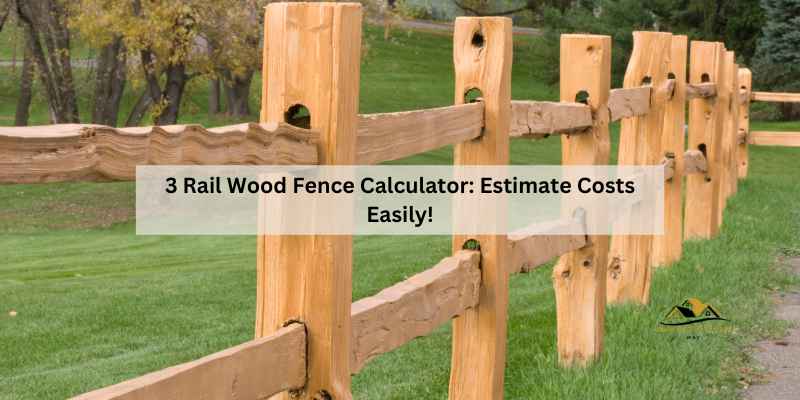
A 3 Rail Wood Fence Calculator helps determine the materials needed for building a fence with three horizontal rails. It calculates the number of posts, rails, and other supplies based on your specific dimensions.
Building a wood fence can enhance your property’s aesthetics and security. A 3 Rail Wood Fence is a popular choice for its classic look and durability. Before starting, it’s crucial to accurately estimate the materials you’ll need. This ensures you avoid overspending and minimize waste.
Using a reliable calculator simplifies this process. By entering the dimensions of your project, you can quickly get a clear list of materials, including posts and rails. This tool not only saves time but also helps you stay organized throughout the construction process. Understanding your requirements sets the foundation for a successful fencing project.
Introduction To 3 Rail Wood Fence Cost Calculations
Accurate cost estimation for a 3 rail wood fence is crucial. It helps in budgeting effectively. Knowing the total cost prevents surprises during installation. A precise estimate ensures you purchase enough materials without overspending. This accuracy leads to better project planning and execution.
Key components of a 3 rail wood fence include:
- Posts: These are the vertical supports.
- Rails: The horizontal pieces that connect the posts.
- Boards: These are the vertical slats attached between the rails.
- Hardware: Includes nails, screws, and brackets for assembly.
Materials Needed For A 3 Rail Wood Fence
Choosing the right wood is crucial for a 3 rail wood fence. Here are some popular types of wood options:
- Cedar: Naturally resistant to rot and insects.
- Redwood: Offers a beautiful color and strong durability.
- Pine: A budget-friendly option, but may require treatment.
- Spruce: Lightweight and affordable, but less durable.
Gathering the right materials is essential. Here’s what you will need:
| Material | Quantity |
|---|---|
| Posts | 4×4 inches, usually 8 feet long |
| Rails | 2×6 inches, length depends on fence size |
| Hardware | Nails, screws, and brackets |
Step-by-step Guide To Using A Fence Calculator
Using a fence calculator is simple. Start by inputting measurements for your fence. Measure the length of the area where the fence will be installed. Include the height and type of fence you want. Enter these details into the calculator.
After inputting, the calculator will provide results. You’ll see the amount of wood needed and the number of posts and rails required. This helps you avoid buying too much or too little material. Check the total cost estimation for budgeting.
Understanding these results ensures a smooth fence installation process. Accurate measurements and calculations save time and money. A well-planned project leads to a better fence.
Calculating Your Fence Materials Manually
To calculate your fence materials manually, start by determining post spacing. Typically, posts are placed 6 to 8 feet apart. Measure the total length of your fence. Divide this length by the post spacing to find the number of posts needed.
Next, estimate the number of rails. For a three-rail fence, you will need three rails for each section between the posts. Multiply the total number of sections by three. Each section is the distance between two posts. This approach ensures you have enough materials for a sturdy fence.
| Measurement | Calculation |
|---|---|
| Total Length of Fence | Length in feet |
| Post Spacing | 6 to 8 feet |
| Number of Posts | Total Length ÷ Post Spacing |
| Number of Rails | Number of Sections × 3 |
Cost Factors In Building A 3 Rail Wood Fence
Wood quality greatly affects the cost of building a 3 rail wood fence. Higher-quality wood, like cedar or redwood, tends to be more expensive. Lower grades of wood may save money, but they can lead to a shorter lifespan.
Prices vary widely based on the type of wood. For example, cedar can cost between $3 to $8 per linear foot, while treated pine may range from $1 to $5 per linear foot.
Additional materials and tools also impact total costs. Essential items include posts, nails, hinges, and stain or sealant. Don’t forget tools like saws, drills, and measuring tapes. These can add $100 to $300 to your budget.
Always compare prices from different suppliers to find the best deals. This can help manage costs while ensuring quality.
Tips For Reducing Your Fence Building Costs
Choosing cost-effective materials is essential for saving money. Use treated wood as it lasts longer and resists rot. Reclaimed wood is another great option. It is often cheaper and adds character.
Deciding between DIY and hiring professionals affects costs. Doing it yourself saves money but requires time and effort. Make sure you have the right tools and skills. Hiring professionals ensures quality work but can be expensive.
Consider a hybrid approach. Do simpler tasks yourself and hire help for complex parts. This can balance your budget while achieving a great result.
Common Mistakes To Avoid In Fence Planning
Underestimating materials can lead to delays and extra costs. Always measure your fence length accurately. Use a fence calculator to get better estimates. Double-check your calculations to avoid surprises.
Ignoring property lines can cause legal troubles. Always mark your boundaries clearly. Check with your local regulations before starting your project. Failing to do so might lead to disputes with neighbors.
Real-world Examples Of 3 Rail Wood Fence Projects
DIY backyard fences can save you money and offer creative freedom. Many homeowners choose to build their own. This project typically requires basic tools and materials. The average cost for materials ranges from $1,500 to $2,500. Time spent can vary, but most complete it in one weekend.
Professional installations provide expertise and efficiency. Hiring a contractor may increase costs to $3,000 or more. Installation usually takes a few days. Professionals ensure compliance with local regulations and proper material selection. Many offer warranties for peace of mind.
Frequently Asked Questions
What Is The Spacing For Rails On A 3 Rail Fence?
The spacing for rails on a three-rail fence typically ranges from 6 to 8 inches apart. This distance ensures stability while allowing enough space for visibility and airflow. Adjustments may be necessary based on specific design preferences or local regulations.
Do You Need 3 Rails For A 6 Foot Fence?
No, you typically need only two rails for a standard 6-foot fence. Three rails are often used for added strength and stability, especially in areas with high winds. Always consider local regulations and the type of materials used for best results.
How Do I Calculate How Much Wood I Need For A Fence?
To calculate the wood needed for a fence, measure the fence’s total length. Divide this by the spacing between posts to find the number of posts required. Account for the height and width of the planks to determine how many planks you’ll need.
Always buy a little extra for waste.
How Do You Calculate Post And Rail Fencing?
To calculate post and rail fencing, measure the total length of the fence. Divide this by the space between posts to find the number of posts needed. Count the rails based on the number of sections between posts. Add extra materials for gates or special features as necessary.
Conclusion
Building a rail wood fence can be straightforward with the right tools. Utilizing a reliable fence calculator ensures you purchase the right amount of materials. This not only saves time but also reduces costs. Take the guesswork out of your project and enjoy a beautiful, sturdy fence tailored to your needs.
Happy fencing!