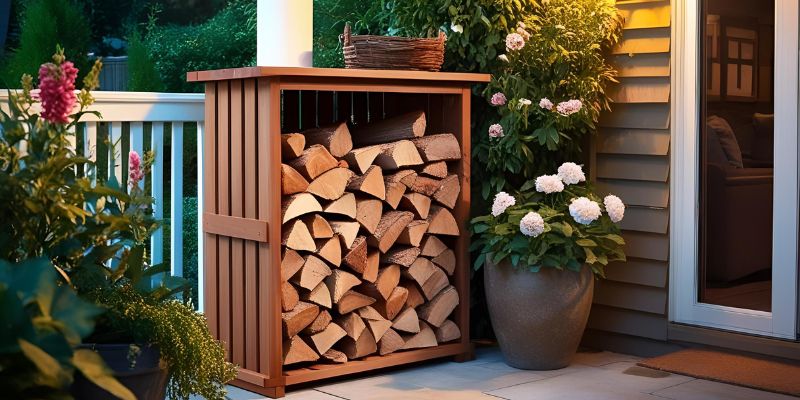
8 Smart Firewood Storage Outdoor Solutions
8 Smart Firewood Storage Outdoor Solutions to Keep Your Wood Dry and Organized
Storing firewood outdoors efficiently is key to ensuring it stays dry, well-seasoned, and ready for use, whether for heating your home or enjoying a cozy campfire. The right storage solution protects your wood from moisture, pests, and decay while keeping it accessible and organized. This article explores eight smart outdoor firewood storage solutions, each offering practicality, durability, and a touch of style. Whether you have limited space or a large woodpile, these ideas will help you maintain your firewood in top condition.
1. Elevated Wood Rack: Simple and Effective
An elevated wood rack is one of the most straightforward and effective solutions for outdoor firewood storage. By lifting the wood off the ground, it prevents moisture absorption and promotes airflow, ensuring your wood dries quickly and stays pest-free.
- Dimensions: Typically 4 feet long, 2 feet deep, and 4 feet high, adjustable to your woodpile size.
- Materials: Pressure-treated 2x4s or 4x4s, galvanized screws, concrete blocks or gravel for support.
- Key Features: Open design with a slatted base (1-2 inch gaps) for ventilation, raised 6-12 inches off the ground. No roof needed, but a tarp can be used for extra protection.
- Setup Tip: Place on a level surface with good drainage, like gravel or pavers, to prevent water pooling. Stack wood tightly but leave space between rows for air circulation.
Pro Design Tip: Stain or paint the rack in a weather-resistant finish to match your outdoor decor and extend its life.
Budget Consideration: Use salvaged wood or scrap metal for the frame, keeping costs under $50.
2. Covered Firewood Log Store: Weather Protection
A covered log store adds a roof to shield your firewood from rain and snow while allowing air to flow through open sides. This solution is ideal for areas with heavy precipitation, ensuring your wood remains dry and ready to burn.
- Dimensions: About 4 feet wide, 8 feet long, and 6 feet high, scalable for larger piles.
- Materials: 2x4s or 4×4 posts, corrugated metal or polycarbonate roofing, concrete blocks.
- Key Features: Sloped roof for water runoff, open sides for ventilation, elevated base to prevent rot. Can hold 1-2 cords of wood.
- Setup Tip: Anchor posts in the ground or use heavy concrete blocks for stability. Cover the top with a tarp during extreme weather for added protection.
Pro Design Tip: Add decorative trim or paint the frame a dark color like charcoal for a sleek, modern look.
Budget Consideration: Source secondhand roofing materials from salvage yards, reducing costs to around $150.
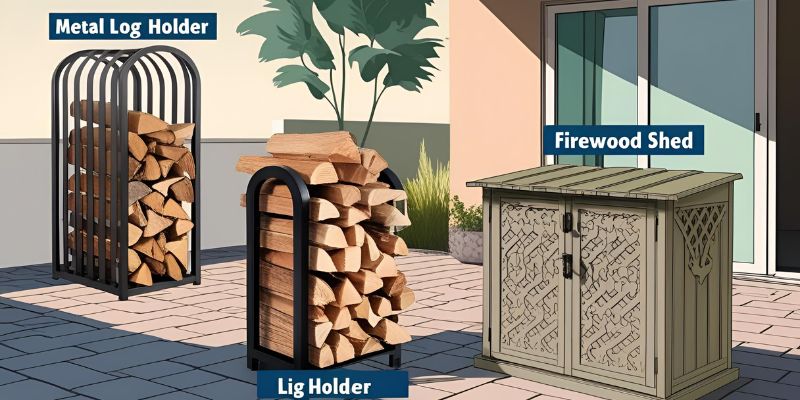
3. Pallet Wood Shelter: Eco-Friendly and Portable
Using shipping pallets, this portable shelter is an eco-friendly option that’s easy to assemble and relocate. It provides basic protection from the elements while allowing air to circulate, making it perfect for small woodpiles.
- Dimensions: 4 feet deep, 8 feet wide, and 5 feet high, adjustable based on pallet size.
- Materials: Three standard pallets, screws, diagonal braces, optional tarp or metal roofing.
- Key Features: Open design for ventilation, portable for flexibility, elevated on blocks to prevent moisture.
- Setup Tip: Secure pallets together with screws and reinforce with braces for stability. Use a tarp for temporary rain cover if needed.
Pro Design Tip: Paint or stain pallets for uniformity and weather resistance, and add a small overhang for extra shelter.
Budget Consideration: Free pallets from local businesses make this nearly cost-free, ideal for budget-conscious builders.
4. Firewood Tarp System: Flexible Coverage
For a low-cost, flexible solution, a firewood tarp system uses heavy-duty tarps and stakes to create a temporary cover over your woodpile. This method is great for seasonal storage or when you need quick protection without building a permanent structure.
- Dimensions: Customizable to fit your woodpile, typically covering a 4×8-foot stack.
- Materials: Heavy-duty waterproof tarp (at least 8 mil thick), stakes or weights, rope or bungee cords.
- Key Features: Lightweight, easy to set up and remove, allows ventilation if propped up at the sides. Elevate wood on pallets or blocks.
- Setup Tip: Secure the tarp tightly but leave sides slightly open for air circulation. Use weights or stakes to prevent wind from blowing it away.
Pro Design Tip: Choose a tarp in a dark color to absorb heat, helping wood dry faster in cooler climates.
Budget Consideration: Purchase tarps on sale or in bulk (around $20-$50 each), making this one of the cheapest options.
5. Lean-To Against Existing Structure: Space-Saving
Leaning your firewood against an existing structure like a garage or fence is a space-saving solution that requires minimal materials. A simple slanted roof or tarp over the top protects the wood while the structure provides a back wall.
- Dimensions: 4 feet deep, 8 feet wide, and 6 feet high, adjustable to your space.
- Materials: 2x4s, corrugated metal or tarp for roofing, concrete blocks or gravel.
- Key Features: Utilizes existing walls for support, sloped roof for drainage, open front and sides for airflow. Elevate wood off the ground.
- Setup Tip: Ensure the structure is stable and dry to prevent moisture transfer to the wood. Leave 1-2 inch gaps between stacked logs for ventilation.
Pro Design Tip: Add a small overhang (12-18 inches) and decorative brackets for a polished look.
Budget Consideration: Use leftover materials from other projects, keeping costs under $100.
6. Modular Stackable Racks: Organized Storage
Modular stackable racks offer a tidy, organized way to store firewood outdoors. These freestanding units can be stacked or arranged to fit your space, with each section allowing air to circulate and wood to dry.
- Dimensions: Each rack is typically 4 feet long, 2 feet deep, and 4 feet high, scalable for multiple units.
- Materials: Galvanized steel or pressure-treated wood, screws, optional tarp cover.
- Key Features: Stackable design for flexibility, open sides for ventilation, elevated base on blocks or feet. Holds wood neatly in rows.
- Setup Tip: Place on a flat, well-drained surface. Cover the top with a tarp during heavy rain, but keep sides open.
Pro Design Tip: Paint or powder-coat steel racks for corrosion resistance and a modern aesthetic.
Budget Consideration: Buy pre-made racks from hardware stores starting at $30 each, or build your own with scrap wood for less.
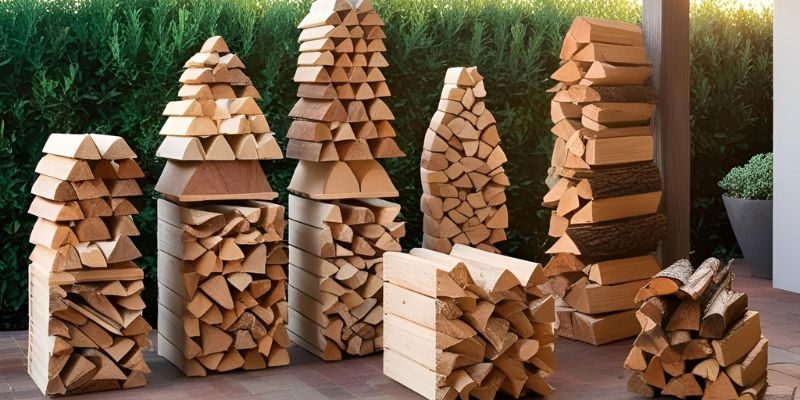
7. Firewood Log Holder with Roof: Aesthetic Appeal
This solution combines functionality with style, featuring a small roofed structure that looks like outdoor furniture. It’s perfect for patios or near fire pits, offering both protection and a decorative touch.
- Dimensions: 3 feet wide, 6 feet long, and 4 feet high, holding about half a cord.
- Materials: Cedar or pressure-treated wood, metal roofing, concrete blocks.
- Key Features: Compact design, sloped roof for water runoff, elevated base, open sides for airflow. Adds curb appeal to your yard.
- Setup Tip: Position near your fire pit or back door for convenience, ensuring good drainage underneath. Stack wood loosely for drying.
Pro Design Tip: Stain cedar in a natural tone to blend with your landscaping, or add decorative handles for a furniture-like look.
Budget Consideration: Use discounted lumber and roofing from sales, aiming for a total cost of $200-$300.
8. Underground Firewood Bunker: Hidden Storage
For a unique and space-saving option, an underground firewood bunker stores wood below ground level, protecting it from weather while keeping it out of sight. This solution is ideal for small yards or those wanting a clean aesthetic.
- Dimensions: 4 feet deep, 8 feet long, and 3 feet wide, with a hatch for access.
- Materials: Concrete blocks, gravel, waterproof hatch cover, ventilation pipes.
- Key Features: Buried design shields wood from rain and snow, gravel base for drainage, ventilation ensures drying. Access via a hinged lid.
- Setup Tip: Dig a trench with good drainage, line with gravel, and cover with a sturdy, weatherproof hatch. Ensure ventilation to prevent mold.
Pro Design Tip: Camouflage the hatch with grass or pavers to blend into your landscape.
Budget Consideration: Use local materials like gravel and salvaged concrete blocks, keeping costs around $400-$600, depending on size.
Conclusion
Storing firewood outdoors doesn’t have to be a chore—it can be smart, stylish, and efficient with the right solution. These eight outdoor storage ideas, from elevated racks to underground bunkers, offer options for every space, budget, and climate. Each design prioritizes airflow, weather protection, and accessibility, ensuring your wood stays dry, seasoned, and ready to use.
Consider your yard size, weather conditions, and aesthetic preferences when choosing a solution. Whether you need a quick fix or a permanent structure, these ideas will keep your firewood in prime condition while enhancing your outdoor space. Don’t wait—start protecting your woodpile today and enjoy worry-free fires all season long!