A Beginner’s Guide to Using a Ratchet Set
I fell in love with tools when I fixed my bike. At 15, I used a ratchet set to tighten a loose wheel. It was fast, fun, and made me feel like a pro! In this guide, I’ll share what a ratchet set is, how to use it, and why it’s awesome for beginners, hobbyists, and experts. Whether you’re fixing a car or building a shelf, this article will help you start. Let’s dive in!
What Is a Ratchet Set?
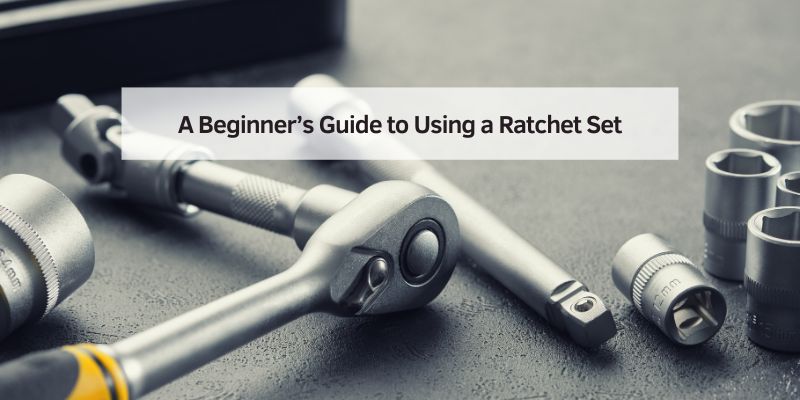
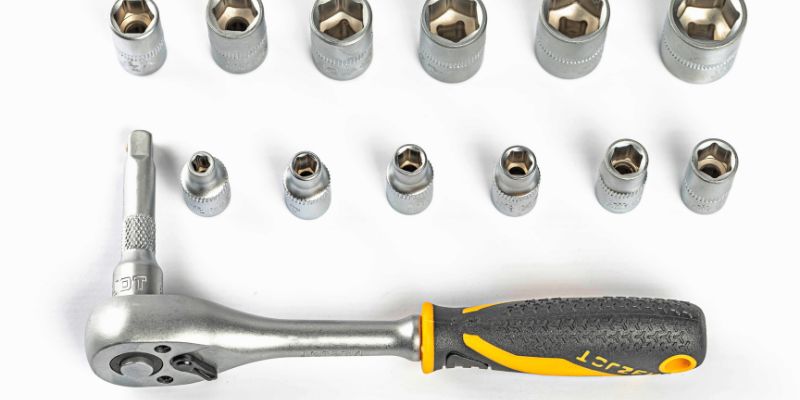
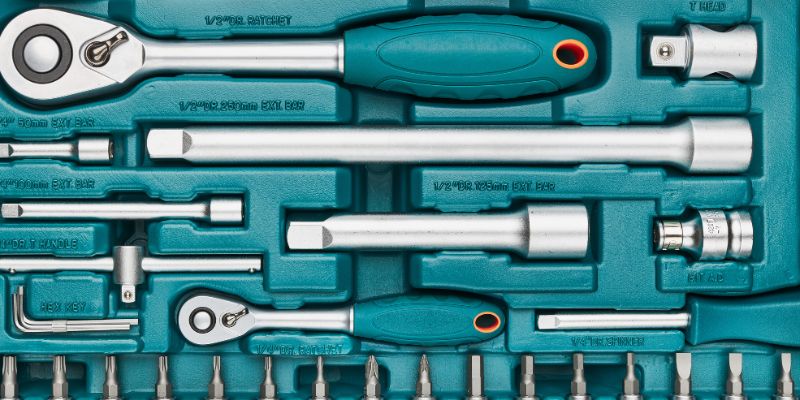
A ratchet set is a tool kit with a handle and sockets. The handle, called a ratchet wrench, turns bolts without you moving it back and forth. Sockets are metal cups that fit over bolts. They come in different sizes for different jobs. This tool saves time and makes tightening or loosening bolts easy. I use mine for bikes, furniture, and even car repairs!
Ratchet sets come in three main sizes: 1/4-inch, 3/8-inch, and 1/2-inch drives. The drive size is the square part that connects the handle to the socket. Smaller drives are great for light tasks, like fixing toys. Bigger drives handle tough jobs, like car repairs. They’re super handy for anyone who loves DIY projects.
Why Use a Ratchet Set?
A ratchet set makes work faster than a regular wrench. You don’t need to lift the tool off the bolt. It clicks as you turn, so you know it’s working. Here are some reasons I love mine:
- Speed: It turns bolts quickly with less effort.
- Ease: Fits bolts perfectly, so no slipping.
- Versatility: Works on cars, bikes, and furniture.
But there are drawbacks. Ratchet sets can be pricey, and you need the right socket size. If you lose a socket, it’s annoying to replace. Still, I think they’re worth it for most projects.
How to Use a Ratchet Set: A Simple Guide
Using a ratchet set is easy once you know the steps. I’ll walk you through a basic project: tightening a bike wheel bolt. Follow these steps, and you’ll be a pro in no time!
Step 1: Pick the Right Socket
Find a socket that fits your bolt. Check the bolt size (like 10mm or 12mm). Most ratchet sets label sockets clearly. For my bike, I used a 15mm socket. Snap it onto the ratchet handle’s square drive.
Step 2: Set the Ratchet Direction
Ratchet handles have a switch to change direction. Flip it to “tighten” (clockwise) or “loosen” (counterclockwise). I set mine to tighten for the bike wheel. Test it on your hand to feel the click.
Step 3: Attach and Turn
Place the socket over the bolt. Turn the handle. You’ll hear a click as it tightens. Keep going until the bolt feels snug. Don’t over-tighten—it can break the bolt! For loosening, flip the switch and turn the other way.
Step 4: Check Your Work
Make sure the bolt is tight but not too tight. Wiggle the wheel to test it. If it’s secure, you’re done! Clean your tools and store them safely.
Tools and Materials You Need
To use a ratchet set, you need a few things. Here’s a simple list for beginners:
- Ratchet Set: A basic 3/8-inch set is versatile. I like Craftsman or DeWalt for quality. Craftsman Tools has great options.
- Sockets: Get a set with common sizes (8mm-19mm). Metric and standard sizes work for most projects.
- Work Space: A flat, clean area to avoid losing small parts.
- Safety Gear: Wear gloves to protect your hands. Safety glasses are smart for car repairs.
A good starter set costs $30-$100. Check Home Depot for deals. If you’re on a budget, buy a small set and add sockets later.
Comparing Ratchet Sets: Which One to Buy?
Choosing a ratchet set can feel tricky. I’ve used a few brands, and here’s how they stack up. This table compares three popular options for beginners:
| Brand | Drive Size | Price | Pros | Cons |
|---|---|---|---|---|
| Craftsman | 3/8-inch | $50 | Durable, great warranty | Fewer sockets in basic kit |
| DeWalt | 3/8-inch | $80 | Smooth ratchet, sturdy case | Bit pricey for beginners |
| Husky | 1/4-inch | $30 | Cheap, good for small jobs | Not ideal for heavy tasks |
Table Caption: Comparing beginner-friendly ratchet sets by price and features.
I started with a Husky set for small projects. It was cheap and worked great for furniture assembly. If you want one set for everything, go for a 3/8-inch Craftsman.
Benefits and Drawbacks of Ratchet Sets
Ratchet sets are awesome, but they’re not perfect. Here’s a quick look at both sides:
-
Benefits:
- Saves time on repetitive tasks.
- Fits tight spaces where wrenches don’t.
- Easy to learn, even for kids.
-
Drawbacks:
- Costs more than a single wrench.
- Sockets can get lost easily.
- Needs maintenance to stay smooth.
If a ratchet set feels too pricey, try an adjustable wrench. It’s slower but cheaper. For big jobs, a power tool like an impact driver might be better, but it’s not as precise.
My Top Tips for Using a Ratchet Set
After years of using a ratchet set, I’ve learned some tricks. Here are my favorites:
- Organize Sockets: Keep them in a case with labeled slots. I lost a 10mm socket once—it’s a common problem!
- Clean After Use: Wipe the ratchet and sockets with a rag. Dirt can jam the mechanism.
- Start Small: Practice on easy projects, like tightening shelf bolts, before tackling car repairs.
These tips save time and keep your tools in great shape. Check Popular Mechanics for more tool care ideas.
Common Mistakes to Avoid
Beginners make simple mistakes with ratchet sets. I did too! Here’s how to avoid them:
- Wrong Socket Size: Always match the socket to the bolt. A loose socket can strip the bolt.
- Over-Tightening: Stop when the bolt feels snug. Too much force can break things.
- Forgetting the Direction: Check the ratchet switch before turning. I once loosened a bolt by mistake!
Practice makes these mistakes rare. Start with small projects to build confidence.
Visual Ideas for Better Understanding
Pictures make learning easier. Here are ideas for visuals (not included):
- Diagram of a Ratchet Set: Show the handle, switch, and socket parts labeled clearly.
- Bike Repair Setup: A photo of a ratchet set tightening a wheel bolt.
- Socket Size Chart: A simple graphic comparing common socket sizes (8mm-19mm).
These visuals would help beginners see how a ratchet set works. Check tool brand websites for similar images.
Cost-Saving Ideas for Beginners
Ratchet sets can be expensive, but you can save money. I bought my first set on a budget. Try these tips:
| Tip | How It Saves Money |
|---|---|
| Buy a Small Set | Starter kits cost $20-$40, not $100. |
| Shop Sales | Check Home Depot or Amazon for discounts. |
| Borrow or Rent | Ask a friend or rent from a hardware store. |
Table Caption: Easy ways to save money on a ratchet set.
I saved $15 by buying my Husky set during a holiday sale. Look for deals around Black Friday!
Safety Tips for Using a Ratchet Set
Safety is key when using tools. I learned this after a bolt slipped and scraped my hand. Here’s how to stay safe:
- Wear Gloves: They protect your hands from sharp edges.
- Check Bolts: Make sure they’re not damaged before turning.
- Use Steady Pressure: Don’t yank the ratchet—it can slip.
If you’re working on a car, use a jack stand for safety. Family Handyman has great safety guides.
Conclusion
A ratchet set is a game-changer for DIY projects. It’s fast, easy, and works for bikes, cars, and furniture. I shared how to use one, pick the right set, and avoid mistakes. Start with a small project, like tightening a shelf, to get the hang of it. You’ll love the click of a ratchet wrench! Try a project this weekend and share your story in the comments. What will you fix with your ratchet set?
Frequently Asked Questions
What Is a Ratchet Set Used For?
A ratchet set tightens or loosens bolts quickly. It’s great for bikes, cars, or furniture. I use mine to fix loose bolts on my bike or assemble shelves. The ratchet handle lets you work fast without lifting the tool. It’s perfect for beginners and pros who want to save time.
How Do I Choose a Ratchet Set?
Pick a set with a 3/8-inch drive for most jobs. Look for brands like Craftsman or DeWalt. Check for common socket sizes (8mm-19mm). I started with a $30 Husky set for small tasks. Make sure it comes with a case to keep sockets organized.
What Size Ratchet Set Do I Need?
A 3/8-inch drive set is best for most projects. It handles small and medium jobs, like bike or car repairs. For tiny bolts, try a 1/4-inch set. For big tasks, a 1/2-inch set works. I use my 3/8-inch set for almost everything.
Can Beginners Use a Ratchet Set?
Yes, beginners can use a ratchet set! It’s easy to learn. Start with a simple project, like tightening furniture bolts. Follow my guide: pick a socket, set the direction, and turn. Practice makes it fun. I was a beginner once, and now I love it!
How Do I Maintain a Ratchet Set?
Clean your ratchet set after each use. Wipe it with a rag to remove dirt. Store sockets in a labeled case to avoid losing them. I oil my ratchet handle yearly to keep it smooth. Check Popular Mechanics for more maintenance tips.
Are Ratchet Sets Worth the Cost?
Yes, ratchet sets save time and effort. A good set costs $30-$100 but lasts years. I bought a cheap Husky set and used it for tons of projects. If you’re on a budget, start small or buy during sales to save money.
What’s the Difference Between a Ratchet Set and a Wrench?
A ratchet set uses a handle and sockets to turn bolts fast. A wrench is slower and needs repositioning. Ratchet sets are better for tight spaces and speed. I use my ratchet set for most jobs, but keep a wrench for backup.