Are All Elongated Toilet Seats The Same Size? Find Out Now
It is a common misconception that all elongated toilet seats fit all elongated toilet bowls. In reality, while “elongated” describes a general shape, precise dimensions vary slightly between manufacturers and even between different models from the same company. Ensuring a proper fit involves careful measurement of your existing toilet bowl.
Understanding Elongated Toilet Bowls
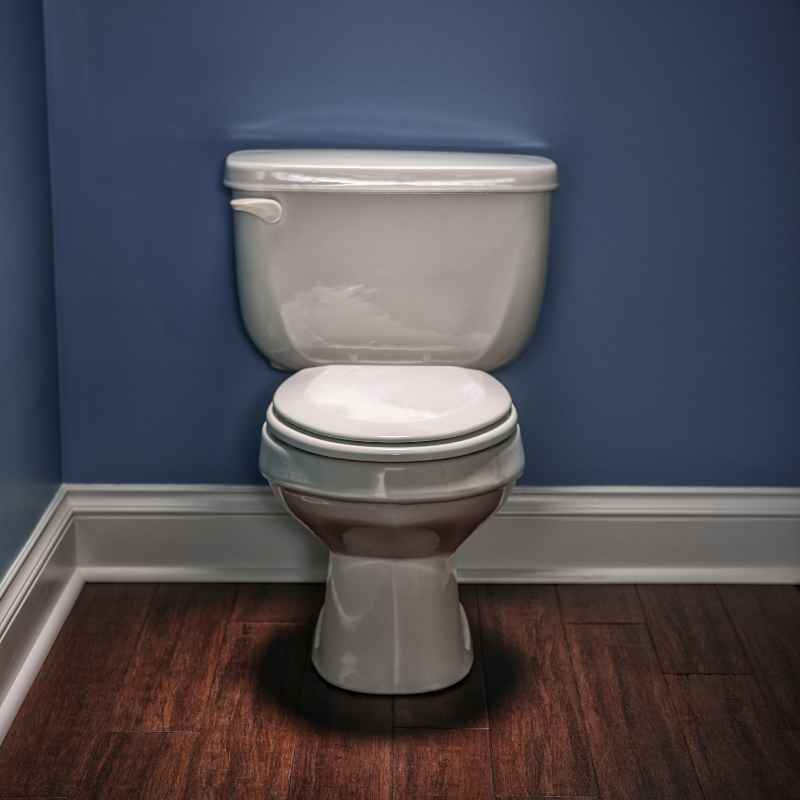
So, what makes a toilet bowl “elongated? It’s pretty simple. It’s longer than it is wide.
Think of an oval shape. This is different from a “round” toilet bowl, which is more circular. Most modern homes in the U.S.
tend to have elongated bowls. They offer a bit more comfort for many adults. But even within this “elongated” category, things aren’t always straightforward.
The main idea behind an elongated seat is to provide a larger seating area. This can make a big difference in comfort. Especially for taller people or adults.
A round seat can feel a bit cramped. An elongated seat gives you that extra space. It’s designed to extend further forward from the tank.
This extension is key. But how far does it extend? That’s where the variation comes in.
The shape of the bowl matters. Even two bowls labeled “elongated” might have slightly different curves. One might be a bit more pointed at the front.
Another might be more rounded. These small differences are enough to make a standard-fit seat not fit perfectly. This is why many people run into trouble when buying online.
They see “elongated” and think, “Great, that’s what I need!” Then the delivery arrives, and disappointment follows.
My Own Toilet Seat Saga
I remember this happening to me a few years back. I was helping my parents renovate their guest bathroom. The old toilet seat was cracked and worn.
I hopped online, feeling pretty confident. “Elongated toilet seat, easy enough,” I thought. I picked one that looked nice and had good reviews.
It arrived quickly. I opened it up, ready to swap it out. That’s when the trouble started.
I put the new seat on. It looked okay from a distance. But when I sat down, it felt… loose.
It shifted forward when I leaned. The back of the seat didn’t quite line up with the curve of the bowl. It looked a bit like a smile that didn’t quite reach the eyes.
Annoying. I fiddled with the bolts, thinking I hadn’t tightened them enough. But no, it just wasn’t meant to be.
I took it off and looked at the old seat. Then I looked at the new one. The new one was maybe half an inch longer.
Or maybe it was just shaped differently. It was frustrating. I had to go to the hardware store.
I had to measure the old seat there, right in the aisle, to make sure the new one would actually fit. It felt like a silly, unnecessary trip. All for a toilet seat!
It taught me a valuable lesson, though. Never assume.
Common Seat Fit Issues
Wobbling Seat: This is the most common sign. If the seat moves around easily when you put weight on it, it’s likely too small or not shaped for the bowl.
Gaps: You might see a small gap between the back of the seat and the toilet tank. Or the front of the seat might hang over too much.
Uneven Lines: The lines of the seat don’t match the curves of the toilet bowl. It just doesn’t look flush.
Difficult Installation: Sometimes, the bolt holes won’t line up easily. Or the bolts might be too short or too long.
Why the Size Difference Matters
The main reason toilet seats come in different sizes, even within the “elongated” category, is manufacturing variation. Different companies have different molds. These molds are designed based on what they believe are standard dimensions.
But “standard” can be a bit fluid in the world of plumbing fixtures. Over the years, toilet bowl designs have evolved. This means what was standard 20 years ago might be slightly different from today’s standard.
Think about it like buying shoes. You’re a size 9. But some size 9 shoes fit you perfectly, while others are a bit snug or a bit loose.
This happens because different brands use slightly different lasts (the foot-shaped mold shoes are made on). Toilet seats are similar. The “last” is the toilet bowl itself.
Manufacturers aim for a good fit. But they can’t account for every single minor variation in every toilet bowl ever made. So, they create seats based on what they see as the most common shapes and sizes for round and elongated bowls.
This often works well. But for many, it leads to that frustrating “almost fit.”
The fit is important not just for looks. A poorly fitting seat can be a safety issue. It might slip unexpectedly.
This is especially true for children or older adults. A well-fitting seat is stable. It stays put.
It feels secure. This makes using the toilet a much more pleasant experience. It’s one of those things you don’t think about until it’s wrong.
Key Dimensions to Check
Seat Length: Measure from the center of the bolt holes to the very front edge of the seat.
Seat Width: Measure the widest part of the seat, usually just behind the bolt holes.
Bolt Hole Spacing: Measure the distance between the centers of the two bolt holes on the toilet bowl itself.
Rim to Front Edge: This is crucial. Measure from the front rim of the toilet bowl to the center of the bolt holes.
How to Measure Your Toilet Bowl
This is where we get down to business. If you want to avoid buying the wrong seat, you need to measure your toilet bowl. It’s not hard.
You just need a tape measure. Most people can do this in five minutes or less.
First, you need to identify if you have an elongated or round bowl. An elongated bowl is longer than it is wide. It usually measures about 18.5 inches from the bolt holes to the front of the bowl.
A round bowl is shorter, typically around 16.5 inches from bolt holes to the front.
Now, let’s get those measurements. You’ll need two main numbers. The first is the length of the bowl.
Start at the center of the two bolt holes on your toilet tank lid. Stretch the tape measure straight out to the very front edge of the toilet bowl. This is your length measurement.
For an elongated bowl, this is usually between 18 and 19 inches.
The second measurement is the width. Find the widest point across the toilet seat itself. Measure from one side to the other.
This is usually somewhere just behind the bolt holes. For elongated seats, this is typically around 14 inches.
The third, and very important, measurement is the distance between the bolt holes. Measure from the center of one bolt hole to the center of the other. This distance is usually standard for both round and elongated bowls.
It’s typically around 5.5 inches. But it’s always good to check.
Once you have these numbers, you can compare them to the dimensions listed by toilet seat manufacturers. Most online retailers or product pages will clearly state the length, width, and bolt hole spacing for their seats. This is your cheat sheet.
Measurement Guide: Step-by-Step
- Identify Bowl Type: Is it longer (elongated) or rounder?
- Measure Length: From the center of the bolt holes to the front rim of the bowl.
- Measure Width: Across the widest part of the bowl.
- Measure Bolt Spacing: Center of one bolt hole to the center of the other.
- Compare: Match your numbers to product specifications.
What if My Measurements Are “In Between”?
This is a common scenario. You measure your bowl, and it’s not exactly 18.5 inches. Maybe it’s 18.25 inches.
Or perhaps 19 inches. What do you do then?
First, check the specifications of the seat you are considering very carefully. Manufacturers usually give a range or a typical measurement. If your bowl is slightly smaller than the listed length, a slightly longer seat might still work.
It might just hang over the front a bit more. This is often acceptable.
If your bowl is slightly larger, the seat might not cover the entire bowl edge. This can be unsightly. It also means the seat might not feel as stable when you sit down.
It might not be able to attach securely with the bolts.
In these “in-between” cases, it’s often best to look for a seat that has some flexibility. Some seats have adjustable mounting hardware. This can help bridge small gaps.
Others might be made from a slightly more flexible material.
However, if your measurements are significantly different from the standard elongated dimensions, you might have a less common toilet model. Some manufacturers produce proprietary shapes. In such cases, you might need to contact the toilet manufacturer directly to find a compatible seat.
Or look for specialized aftermarket seats designed for unusual dimensions.
Don’t get discouraged if your measurements are a bit odd. It just means you need to be a bit more diligent in your search. Reading reviews from other customers who mention fitting the seat to a similar-sized bowl can be very helpful here.
Seat Fit Considerations
Material: Plastic seats are common. Wood or resin seats can offer different looks and feels.
Features: Look for soft-close lids to prevent slamming. Or quick-release hinges for easier cleaning.
Color: White is standard, but other colors are available to match your bathroom decor.
Brand Loyalty: If you know your toilet brand (e.g., Kohler, American Standard), starting with their seat options might be easiest.
Beyond the Basic Dimensions: Other Factors
While length and width are the most crucial measurements, a few other factors can influence how well a toilet seat fits and feels.
The Shape of the Bowl’s Rim: Not all toilet bowls have the same rim thickness or curve. Some are quite flat. Others have a more pronounced roundness.
A seat designed for a flatter rim might not sit snugly on a very curved rim. This can lead to rocking or gaps.
The Seat’s Contour: Just like the bowl, the seat itself has a shape. Some seats are more contoured to fit the human body. Others are flatter.
A seat with a significant contour might not sit evenly on a bowl with a different contour. Always try to visualize how the seat’s shape will meet the bowl’s shape.
Hinge Design and Placement: The type of hinge can also play a role. Some hinges are bulkier than others. The placement of the hinge hardware on the seat can affect how it aligns with the bowl.
If the hinges are too far forward or back, it can create fitting issues.
The Toilet Tank Design: While the seat doesn’t directly attach to the tank, the shape of the tank can sometimes affect the perceived fit of the seat. If the seat is very long, the back of the seat might come very close to, or even touch, the tank lid. This is usually not a problem with correctly sized seats, but it’s something to be aware of.
Understanding these nuances can help you choose a seat that not only fits but also provides optimal comfort and stability. When in doubt, reading customer reviews that specifically mention fit on different toilet models can be a goldmine of information. People often share their experiences with specific brands or bowl shapes.
Quick Check for Seat Fit
Look at the Bowl’s Edge: Does the seat’s edge follow the bowl’s curve nicely?
Check for Gaps: Are there noticeable spaces between the seat and the bowl?
Test Stability: Does the seat feel solid when you gently push on it?
Examine the Front Overhang: Does the seat extend past the bowl’s front edge evenly?
Are All Elongated Toilet Seats the Same? The Short Answer
No, they are not. While the term “elongated” refers to a general shape and length (longer than round), the precise dimensions can vary between manufacturers. These variations mean that a seat labeled “elongated” may not fit your specific elongated toilet bowl perfectly.
Common Scenarios and What to Look For
Let’s think about some real-life situations and how you’d approach them when buying a toilet seat.
Scenario 1: You’re Replacing a Seat on an Existing Toilet
This is the most common situation. My own saga above falls into this category. The best approach here is to measure your existing toilet bowl.
What to look for:
- Take your measurements (length, width, bolt hole spacing).
- Compare these measurements to the product description of the new seat you’re considering.
- Prioritize matching the length from the bolt holes to the front of the bowl.
- If your measurements are slightly off, read reviews to see if others had success fitting it to a similar-sized bowl.
- Consider seats with adjustable mounting hardware if your measurements are borderline.
It’s also helpful to check the make and model of your toilet if it’s still visible. This can sometimes help you find OEM (Original Equipment Manufacturer) replacement parts, which are guaranteed to fit.
Scenario 2: You’re Buying a New Toilet and Seat Together
If you’re buying a new toilet, you might as well buy the seat at the same time. This is generally the easiest way to ensure a perfect match.
What to look for:
- Many toilets are sold as a complete unit. The manufacturer often recommends or includes a compatible seat.
- If buying separately, check the toilet’s specifications for the exact bowl type (e.g., “standard elongated,” “universal fit elongated”).
- Most toilet manufacturers sell their own branded seats designed to fit their specific models. This is the safest bet for fit.
- If the toilet doesn’t specify a seat type, rely on the standard elongated measurements (around 18.5 inches length).
This scenario takes a lot of the guesswork out. You know the toilet is designed to work with a specific seat shape.
Scenario 3: You Have an Older or Less Common Toilet Model
Sometimes, you might have a toilet that doesn’t seem to follow the standard shapes. Perhaps it’s a vintage model, or from a less common brand.
What to look for:
- Measure meticulously. Record all dimensions.
- Look for specialized toilet seat retailers online. They often carry seats for a wider range of models, including less common ones.
- Consider “universal fit” seats, but be very cautious. Read reviews and compare dimensions. Universal fit often means “fits most common types,” not “fits all.”
- If you can’t find a direct match, you might need to adapt. Sometimes, a slightly longer or wider seat can be made to work with some creative adjustment or by accepting a minor aesthetic compromise.
- Contacting the toilet manufacturer directly is always an option. They might have replacement parts or recommendations.
This is where patience is key. It might take a bit more research to find the right fit.
Installation Tips for a Secure Fit
Once you have the right seat, proper installation is key to ensuring it stays put and feels stable. Here are some tips:
1. Gather Your Tools: You’ll typically need a screwdriver (usually a Phillips head) and possibly a wrench or pliers for tightening the nuts under the bowl. Some seats come with their own tools.
2. Remove the Old Seat: Look for bolts at the back of the old seat. They usually go through the porcelain and are secured with nuts underneath.
Unscrew the nuts, and lift the old seat off. Sometimes, there are plastic caps covering the bolts. Pop these off first.
3. Clean the Mounting Area: This is a great time to give the area around the bolt holes a good clean. You don’t want to trap old grime under the new seat.
4. Position the New Seat: Place the new seat on the bowl. Align the hinges with the bolt holes.
Make sure the seat is centered and looks straight.
5. Insert the Bolts: Feed the bolts that come with the new seat through the holes in the hinges and down through the bolt holes on the toilet bowl.
6. Secure with Nuts: From underneath the bowl, attach the nuts to the bolts. Tighten them by hand first.
Make sure the seat is still aligned correctly. Then, use your screwdriver and wrench/pliers to tighten them more firmly. Don’t overtighten, as you could crack the porcelain or the seat, but make sure it’s snug.
The seat should not wiggle or slide easily.
7. Test for Stability: Gently press down on different parts of the seat. It should feel solid and secure.
If it still shifts, try tightening the nuts a little more. Sometimes, the rubber washers or seals need to be properly seated to prevent movement.
A well-installed seat makes a world of difference in comfort and safety. It’s a simple job that has a big impact on your daily life.
Installation Checklist
- Tools Ready? Screwdriver, wrench/pliers.
- Old Seat Removed? All bolts and nuts off.
- Area Cleaned? Good to go for new hardware.
- New Seat Aligned? Centered and straight.
- Bolts Inserted Correctly? Through hinges and bowl holes.
- Nuts Tightened Snugly? Seat is stable, no wobble.
When is a Toilet Seat “Normal”?
A toilet seat is considered to be fitting “normally” when it meets several criteria:
- Secure Fit: It doesn’t move, slide, or wobble when you sit on it or apply gentle pressure.
- Even Alignment: The edges of the seat follow the contour of the toilet bowl smoothly. There are no large, unsightly gaps between the seat and the bowl’s rim.
- Proper Coverage: The seat covers the entire bowl edge. It doesn’t hang over too far at the front or leave the back of the bowl exposed.
- Comfortable Feel: It feels stable and comfortable to use.
- Easy Installation: The mounting hardware fits without excessive force or modification.
Essentially, a well-fitting seat looks and feels like it was made for that specific toilet bowl. It’s seamless. It’s stable.
It’s something you don’t even think about once it’s installed correctly.
When Should You Worry About a Toilet Seat Fit?
You should start to worry if you notice any of the following:
- Constant Wobbling: No matter how much you tighten the bolts, the seat still moves around. This could mean the seat is the wrong size or shape, or the mounting hardware isn’t compatible.
- Large Gaps: Significant daylight shows between the seat and the bowl, especially at the front or sides. This isn’t just unsightly; it can trap dirt and bacteria.
- Seat Slips Off: The seat comes loose frequently, requiring constant tightening. This can be a safety hazard.
- Difficulty Installing: The bolts don’t line up, or the nuts won’t thread properly. This indicates a dimensional mismatch.
- Unusual Wear: The seat wears unevenly or shows stress marks, suggesting it’s not sitting flush on the bowl.
If you experience these issues, it’s a strong sign that you have the wrong seat. Trying to force a fit can lead to breakage and further problems.
Quick Checks for a Good Fit
After installing a new seat, or if you’re considering a purchase, here are quick checks you can do:
- The Wobble Test: Gently try to move the seat side-to-side and front-to-back. It should feel very solid.
- The Visual Check: Look at the seat from the front, sides, and back. Does it follow the bowl’s lines? Are there obvious gaps?
- The Front Overhang: The front of the seat should extend slightly past the bowl’s rim. It should be relatively even on both sides.
- Hinge Alignment: Ensure the hinges sit flush against the bowl and are evenly spaced.
These simple checks can save you a lot of hassle and ensure you have a comfortable and functional toilet seat.
Frequently Asked Questions
What is the standard length of an elongated toilet seat?
A standard elongated toilet seat measures approximately 18.5 inches from the center of the bolt holes to the front edge of the bowl. However, this can vary slightly, with some seats measuring between 18 and 19.5 inches.
How do I know if I have an elongated or round toilet bowl?
Elongated bowls are longer and more oval-shaped, typically measuring around 18.5 inches from the bolt holes to the front. Round bowls are more circular and shorter, usually around 16.5 inches from the bolt holes to the front.
Can I use a round toilet seat on an elongated bowl?
No, this is not recommended. A round seat is too short for an elongated bowl. It will not cover the bowl properly, look awkward, and may not be stable when used.
You need a seat that matches the shape and length of your bowl.
What if my measurements don’t match any standard seat sizes?
If your measurements are significantly different, you may have a less common toilet model. Measure very carefully and look for specialized toilet seat retailers or brands that offer a wider range of sizes. Sometimes, a “universal fit” seat might work, but always check dimensions and reviews.
How important is the distance between the bolt holes?
The distance between the bolt holes is quite important for ensuring the seat attaches correctly. For most standard elongated and round toilets in the U.S., this distance is about 5.5 inches. It’s crucial to measure this as well to ensure compatibility.
What are the benefits of soft-close toilet seats?
Soft-close toilet seats have a mechanism that allows the lid and seat to close slowly and quietly. This prevents loud slamming noises, which can be disruptive, especially at night. It also reduces the risk of fingers getting pinched.
Final Thoughts on Toilet Seat Fit
Finding the right toilet seat might seem like a small task, but it impacts your comfort and the look of your bathroom. Remember that “elongated” is a category, not a guarantee of perfect fit. Always measure your toilet bowl.
Compare those measurements carefully to the seat’s specifications. Pay attention to length, width, and bolt hole spacing.
Don’t be afraid to check reviews. They often contain real-world experiences that can guide your decision. A well-fitting toilet seat is stable, secure, and looks right.
It’s a simple detail that makes a difference. You’ve got this!
Sponsored / affiliate links. As an Amazon Associate I earn from qualifying purchases. I may earn additional commission from eligible campaigns.