Are Ceiling Fans Dangerous?
Hey there! Picture us hanging out in my garage, tinkering with a car under the cool breeze of a ceiling fan. It’s keeping us comfy while we work on the engine, but then you glance up and ask, are ceiling fans dangerous? I’ve wondered the same thing for my automotive blog, especially since fans are a must in garages and showrooms. After diving deep into this topic, I’ve learned a lot about their safety, risks, and how to use them right. Let’s chat about whether ceiling fans are safe, what to watch out for, and how they fit into our car-loving world. Grab a seat, and let’s clear the air!
Why Ceiling Fans Are Popular in Automotive Spaces
Ceiling fans are awesome for garages and car showrooms. They keep air moving, which is a lifesaver in hot, stuffy spaces. In my garage, my fan makes summer wrenching sessions bearable. It also clears out fumes from paint or exhaust, keeping the air fresh. In showrooms, fans add comfort for customers checking out cars.
They’re energy-efficient, too, using less power than air conditioners. My fan costs pennies to run compared to my AC. Plus, they’re stylish—modern or industrial designs can make your space look sharp. But with all this spinning overhead, it’s natural to wonder if they’re safe.
How Ceiling Fans Work
To understand the risks, let’s look at how ceiling fans work. They have blades attached to a motor, which spins to move air. The motor connects to your ceiling’s electrical system through a junction box. Most fans have a switch or remote to control speed and direction.
In my garage, I use a 52-inch fan with five blades. It’s wired to a wall switch and pulls air up or down depending on the season. Knowing how fans are built helps us spot potential dangers, like loose blades or faulty wiring.
Potential Dangers of Ceiling Fans
Ceiling fans are generally safe, but there are risks if they’re not installed or maintained correctly. Here’s what I’ve learned about the main concerns.
Improper Installation
A big risk is a fan that’s not installed correctly. If it’s not secured to a sturdy junction box, it could wobble or fall. I saw a friend’s fan sway because it was mounted to weak drywall instead of a joist. That’s scary when you’re working under it with car parts.
Electrical Issues
Faulty wiring can cause shocks or fires. If wires are loose or exposed, you’re asking for trouble. In my old garage, I found frayed wires in a fan’s junction box—yikes! Bad wiring is rare but dangerous if ignored.
Loose or Unbalanced Blades
Blades that aren’t tight can wobble or fly off. This happened in a shop I visited; a loose blade made a loud clunk and scared everyone. Unbalanced blades also strain the motor, which can burn it out.
Falling Objects
If you hang stuff like decorations on your fan, they could fall. I once hung a small flag on my fan for a car show, and it fell during a spin. Luckily, it was just cloth, but heavier objects could hurt someone.
Height and Clearance Issues
Fans hung too low can hit people or objects. In a garage, you don’t want a fan blade smacking your car’s hood. My fan is 8 feet up to clear my lift, but I’ve seen low fans in tight spaces that felt risky.
Are Ceiling Fans Really a Threat?
Honestly, ceiling fans are safe when installed and used properly. Millions of homes and garages have them without issues. I’ve had mine for years, and it’s been a breeze (pun intended). The dangers come from cutting corners, like cheap fans, bad installation, or skipping maintenance.
In my research, I found that fan-related injuries are rare. Most incidents involve falls during installation or minor bumps from low blades. Serious accidents, like a fan falling, are almost always due to poor setup. With a little care, the risks are minimal.
How to Choose a Safe Ceiling Fan
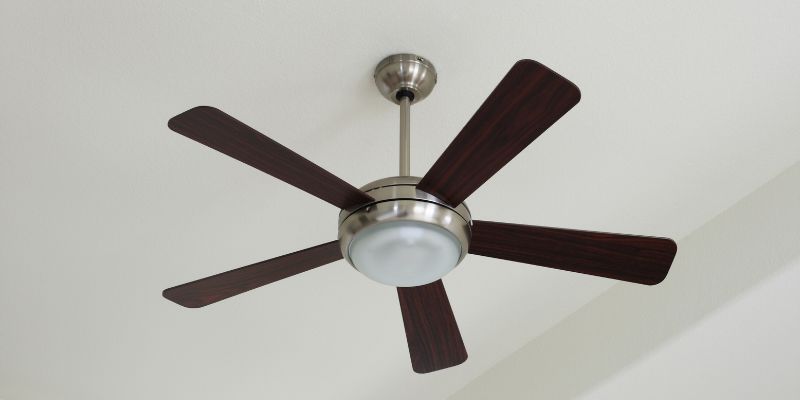
Picking a safe fan is key. Here’s what I look for when shopping for my garage or shop:
- Sturdy Build: Choose a fan with a solid motor and blades. My 52-inch Hunter fan feels heavy-duty and reliable.
- UL Listing: Look for an Underwriters Laboratories (UL) label. It means the fan meets safety standards.
- Proper Size: Match the fan to your room. A 36-44 inch fan works for small garages; 50-60 inches for larger spaces.
- Mounting Hardware: Ensure it comes with a strong bracket or downrod. My fan’s kit included a heavy-duty mount.
- LED Light Kits: If it has a light, go for LEDs. They’re cool and safe with glass shades.
I spent $150 on my fan, and it’s been worth every penny for safety and performance. Avoid no-name brands—they often skimp on quality.
Installing a Ceiling Fan Safely
Installation is where safety starts. I installed my garage fan myself, but it took care. Here’s how to do it right:
- Turn off the power at the breaker. Use a voltage tester to confirm it’s off.
- Mount the fan to a ceiling joist or fan-rated junction box. My box is rated for 70 pounds—plenty for my fan.
- Connect wires: black to black (hot), white to white (neutral), ground to ground. Use wire nuts and tape.
- Secure the blades tightly. I check each screw with a screwdriver.
- Test the fan at low speed first to ensure it’s balanced.
If wiring or heights scare you, hire an electrician. I paid $200 for a pro to wire a new junction box in my shop. It’s worth it for peace of mind.
Maintaining Your Ceiling Fan for Safety
Regular upkeep keeps fans safe. Here’s my routine for my garage fan:
- Check Blades: Tighten blade screws every 6 months. I use a screwdriver to avoid wobbles.
- Clean Dust: Wipe blades with a damp cloth monthly. Dust can unbalance them.
- Inspect Wiring: Check the junction box yearly for loose or frayed wires.
- Balance the Fan: If it wobbles, use a balancing kit (clips and weights). My fan came with one.
- Lubricate Motor: Some fans need oil every few years. Check the manual.
I spend 10 minutes a month on maintenance, and my fan runs smoothly. Neglect can turn a safe fan into a risky one.
Ceiling Fans in Automotive Spaces: Special Considerations
Garages and showrooms have unique needs. In my garage, fumes from paint or exhaust are a concern. I run my fan to clear the air, but I ensure it’s dust-resistant, as garages get grimy. Look for fans with sealed motors for dusty spaces.
In showrooms, fans should be stylish and quiet. Customers don’t want a noisy fan distracting them from cars. I saw a showroom with a sleek, silent fan that complemented the shiny vehicles. Also, ensure enough clearance so blades don’t hit car roofs or lifts—8-10 feet is ideal.
Comparing Ceiling Fan Risks to Other Garage Hazards
To put things in perspective, ceiling fans are less risky than many garage hazards. Power tools, chemicals, or car jacks cause more injuries if mishandled. My table saw scares me way more than my fan! A well-installed fan is low-risk compared to, say, a poorly stored gas can.
Here’s a quick table to compare:
| Hazard | Risk Level | Common Issues | Prevention Tips |
|---|---|---|---|
| Ceiling Fan | Low | Wobbling, falling, shocks | Proper installation, maintenance |
| Power Tools | High | Cuts, amputations | Use guards, wear safety gear |
| Chemicals (e.g., paint) | Medium | Fumes, spills | Ventilate, store properly |
| Car Jacks | High | Collapsing, crushing | Use stands, check stability |
Fans are safe with basic care, unlike tools or jacks that need constant attention.
Common Myths About Ceiling Fan Dangers
There are some myths floating around that make fans seem scarier than they are. Let’s bust a few:
- Myth: Fans Fall Easily: A properly mounted fan won’t fall. My fan’s been rock-solid for years.
- Myth: Fans Cause Fires: Electrical fires are rare with UL-listed fans and good wiring.
- Myth: Blades Can Fly Off: Tight blades don’t detach. I’ve never seen this happen with regular checks.
- Myth: Fans Are Noisy and Dangerous: Modern fans are quiet and safe if balanced.
These myths come from old or poorly installed fans. Modern fans, like mine, are designed for safety.
Safety Features in Modern Ceiling Fans
Today’s fans have cool safety features. Mine has a wobble-free motor that self-corrects small imbalances. Many have an auto-shutoff if they overheat or detect a fault. Some even have blade guards for extra protection, though I don’t use them in my garage.
Look for fans with DC motors—they’re quieter and more efficient. My fan’s remote lets me adjust speed without climbing a ladder, reducing risks. Safety tech makes fans more reliable than ever.
When to Call a Professional
Most fan installations and maintenance are DIY-friendly, but some jobs need a pro. If you’re adding a new junction box or dealing with complex wiring, hire an electrician. I did this for my shop’s fan—it cost $200 but ensured perfect wiring.
If your fan wobbles after balancing or makes weird noises, a pro can diagnose motor issues. Don’t ignore odd sounds—my friend’s fan hummed strangely, and a technician found a loose part. It’s better to spend a little than risk a bigger problem.
Enhancing Your Automotive Space with Ceiling Fans
Ceiling fans do more than cool you down—they make your garage or showroom better. In my garage, the fan keeps me comfortable during long projects and clears out fumes. It also adds a sleek, industrial vibe that matches my tools.
In showrooms, fans create a welcoming environment. I visited a dealership where fans kept the air fresh, making it easier to focus on the cars. Choose a fan that complements your space—black or brushed nickel for modern shops, bronze for classic vibes.
Cost of Ceiling Fans and Installation
Ceiling fans are affordable. A good one costs $100-$300, depending on size and features. My 52-inch fan was $150. Installation supplies (junction box, wire nuts) add $10-$30. If you hire an electrician, expect $100-$300 for wiring or mounting.
My total was $180 for the fan and supplies, plus $200 for an electrician to install a new circuit. It’s a small price for comfort and safety in my garage.
Troubleshooting Ceiling Fan Issues
If your fan acts up, here’s how I troubleshoot:
- Wobbling: Tighten blade screws or use a balancing kit. My fan wobbled until I added a clip.
- No Power: Check the breaker and test wires with a voltage tester. Loose connections are common.
- Noise: Tighten all screws and check for debris. A humming motor might need oil or a pro.
- Light Flickering: If your fan has a light, use an LED-compatible dimmer. My flickering stopped after swapping bulbs.
Most issues are quick fixes with basic tools. Don’t ignore them—small problems can grow.
My Personal Take on Ceiling Fan Safety
Digging into this topic made me appreciate my fan even more. It’s been a reliable part of my garage for years, keeping me cool and safe. The risks—like falling or shocks—are real but rare with proper care. I check my fan monthly, and it’s never let me down.
For car enthusiasts, a ceiling fan is a must. It makes long nights under the hood comfortable and keeps your space fresh. Knowing it’s safe gives me peace of mind to focus on my projects.
Conclusion: Spin Safely and Stay Cool
Wow, we’ve covered a lot! From exploring are ceiling fans are dangerous to learning how to keep them safe, you now know how to make these spinning wonders work for your automotive space. With proper installation, regular maintenance, and a quality fan, the risks are tiny compared to the benefits. A ceiling fan keeps your garage or showroom cool, fresh, and stylish, making every car project more enjoyable.
I hope you’re as excited as I am about the comfort a ceiling fan brings. Whether you’re wrenching on a classic car or showing off a new ride, a safe, well-chosen fan will keep you cool and focused. So, pick a sturdy model, install it right, and enjoy the breeze. Your automotive world just got a whole lot better!
FAQs
Are ceiling fans dangerous if installed properly?
No, a properly installed ceiling fan is very safe. Mount it to a sturdy junction box, tighten all screws, and check wiring. Regular maintenance keeps risks low.
Can a ceiling fan fall from the ceiling?
It’s rare for a properly mounted fan to fall. Use a fan-rated junction box and secure it to a ceiling joist. My fan’s been solid for years with this setup.
Do ceiling fans cause electrical fires?
Fires are unlikely with UL-listed fans and good wiring. Check connections yearly and avoid overloading circuits. I’ve never had an issue with my fan.
Are ceiling fans safe in garages with fumes?
Yes, but choose a dust-resistant fan with a sealed motor. Run it to clear fumes, but ensure good ventilation. My fan helps my garage air fresh.
How do I know if my ceiling fan is safe?
Look for a UL label, ensure it’s mounted securely, and check blades and wiring regularly. If it wobbles or makes noise, balance it or call a pro.