Are Containers Tied Down on Ships?
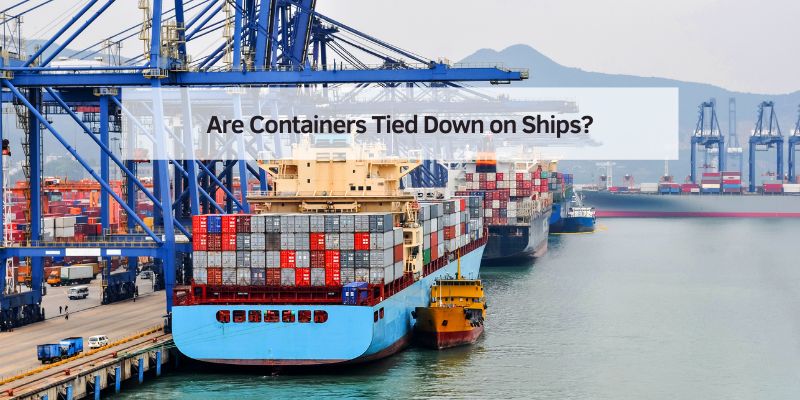
Hey there! If you’ve ever watched a massive cargo ship glide across the ocean, stacked high with colorful containers, you might wonder: how do those boxes stay in place? I’ve asked myself that same question while standing on a dock, marveling at ships loaded with what looks like a giant game of Jenga. The truth is, securing containers on ships is a fascinating process, and it’s critical to keeping global trade moving smoothly.
I’ve dug deep into this topic, and I’m excited to share what I’ve learned with you. So, grab a coffee, and let’s explore how containers are tied down on ships, why it matters, and the clever systems that keep everything safe at sea.
Why Securing Containers Matters
Picture this: a ship carrying thousands of containers, each weighing tons, sailing through stormy seas. Without proper securing, those containers could shift, topple, or even fall into the ocean. I remember reading about a cargo ship that lost containers during a storm, and it was a mess—lost goods, environmental damage, and costly delays. Securing containers isn’t just about keeping the ship steady; it’s about protecting the crew, the cargo, and the environment.
Containers hold everything from electronics to clothing to food. If they’re not tied down properly, the consequences can be huge. A single loose container could damage others, disrupt the ship’s balance, or worse, cause an accident. That’s why the shipping industry takes this so seriously. It’s not just about stacking boxes—it’s about engineering, safety, and precision.
How Containers Are Stacked on Ships
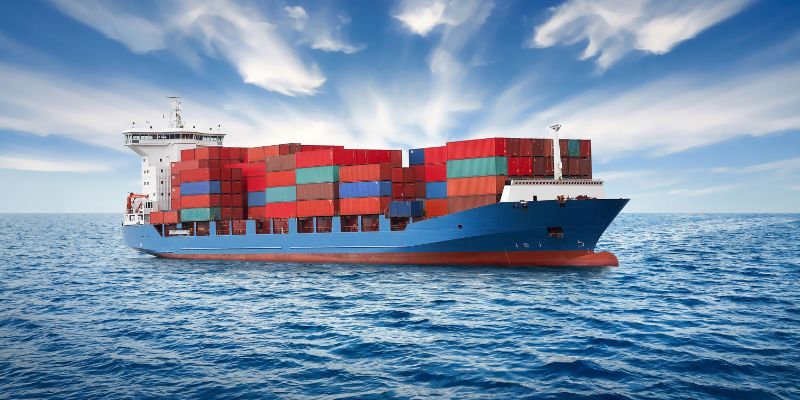
Before we dive into how containers are tied down, let’s talk about how they’re stacked. I’ve always been amazed by how organized cargo ships look, with containers neatly arranged like giant Legos. Ships are designed with specific areas called holds (below deck) and deck space (above deck) for containers. Each spot is carefully planned to maximize space and keep the ship balanced.
Containers come in standard sizes, usually 20 or 40 feet long. They’re stacked in vertical columns, often six or more high below deck and even higher above deck on larger ships. The key is balance—too much weight on one side, and the ship could tilt. I learned that crews use computer systems to plan the loading, making sure heavy containers are placed lower and lighter ones higher. It’s like a puzzle, and every piece has to fit perfectly.
The Tools That Keep Containers in Place
Now, let’s get to the heart of it: how are containers actually tied down? The first time I saw a cargo ship up close, I noticed all sorts of metal fittings and rods. Those are the tools that keep containers secure. Here’s a breakdown of the main equipment used:
- Twist Locks: These are like the unsung heroes of container shipping. Twist locks are metal devices that fit into the corners of containers, locking them to the ship’s deck or to each other. They’re simple but strong, and I was surprised to learn how much weight they can handle—think tons of force!
- Lashing Rods: These are long metal rods that connect containers to the ship’s deck. They’re tightened with turnbuckles (a kind of adjustable screw) to keep everything snug. I like to think of them as giant seatbelts for containers.
- Lashing Bridges: On bigger ships, containers are stacked so high that lashing rods alone aren’t enough. Lashing bridges are raised platforms that give workers a place to secure rods higher up the stack. I’ve seen pictures of workers climbing these, and it looks like quite a job!
- Base Fittings and Sockets: Containers sit on special fittings or sockets bolted to the ship’s deck. These keep the bottom layer from sliding around. It’s like giving the containers a sturdy foundation.
Here’s a quick table to sum up the tools:
| Tool | Purpose | Where It’s Used |
|---|---|---|
| Twist Locks | Lock containers together or to the deck | Corners of containers |
| Lashing Rods | Secure containers to the ship | Attached to deck and container corners |
| Lashing Bridges | Provide access for securing high stacks | Between container stacks |
| Base Fittings | Prevent sliding of bottom containers | Ship’s deck |
These tools work together like a well-oiled machine. I find it amazing how something so simple can hold thousands of tons in place, even in rough seas.
The Process of Securing Containers
So, how does it all come together? I’ve talked to folks in the shipping industry, and the process is a mix of planning, skill, and muscle. It starts at the port, where cranes load containers onto the ship. Workers, called stevedores, make sure each container is placed exactly where it belongs. They use those twist locks to connect containers to the deck or to each other.
Once a few layers are stacked, the lashing process begins. Workers attach lashing rods from the container corners to the deck or lashing bridges. They tighten the rods with turnbuckles to make sure there’s no wiggle room. I was surprised to learn that this is often done by hand—it’s tough work, and safety is a big deal. Workers wear harnesses and follow strict rules to avoid accidents.
After the ship is fully loaded, the crew does a final check. They make sure every twist lock is engaged and every rod is tight. I can imagine them walking the deck, double-checking everything before the ship sets sail. It’s a lot of responsibility, but it’s what keeps the cargo safe.
Challenges of Keeping Containers Secure
Even with all this equipment, securing containers isn’t foolproof. I’ve read about storms where waves crash over the deck, putting huge pressure on the lashings. Containers can shift if the weather gets bad enough, especially if the ship rolls or pitches heavily. That’s why ship designers and crews are always looking for ways to improve.
Another challenge is the weight of the cargo. Sometimes, containers aren’t loaded evenly, or the weight isn’t declared correctly. I was shocked to hear that this happens more often than you’d think. If a heavy container is placed too high, it can make the stack unstable. That’s why modern ships use software to calculate weight distribution before loading even starts.
Human error is another factor. If a twist lock isn’t properly engaged or a lashing rod isn’t tightened enough, it can cause problems. I’ve seen videos of containers swaying in storms, and it’s clear how important every detail is. Training and experience are key to getting it right.
Regulations and Standards for Container Security
The shipping industry doesn’t leave anything to chance. There are strict rules about how containers must be secured. I learned that the International Maritime Organization (IMO) sets global standards, and each country has its own regulations too. In the USA, the Coast Guard keeps a close eye on cargo ships to make sure they follow safety rules.
One important standard is the Cargo Securing Manual (CSM). Every ship has one, and it’s like a bible for the crew. It explains exactly how to secure containers based on the ship’s design and the type of cargo. I find it reassuring that there’s so much oversight—it shows how seriously the industry takes safety.
There are also standards for the equipment itself. Twist locks and lashing rods have to meet strict strength requirements. They’re tested to handle forces way beyond what they’d face in a typical storm. Knowing this makes me feel a bit better about those giant stacks of containers crossing the ocean!
Innovations in Container Securing
The shipping world is always evolving, and I’m excited about some of the new ideas out there. For example, some companies are developing automated lashing systems. These use machines to tighten rods or engage twist locks, reducing the need for workers to climb high stacks. It’s safer and faster, which is a win-win.
Another cool innovation is smart containers. These have sensors that can detect if a container is shifting or if a lashing is loose. I can imagine a ship’s crew getting real-time alerts on their screens, helping them act before a problem gets serious. It’s like giving the ship a nervous system!
There’s also research into new materials for lashing equipment. Stronger, lighter metals could make securing containers even more reliable. I love how technology is making something as old-school as shipping safer and more efficient.
Environmental and Economic Impacts
When containers aren’t secured properly, it’s not just the ship that suffers. Lost containers can end up in the ocean, creating pollution and hazards for marine life. I read about a case where thousands of plastic toys washed up on beaches after containers fell overboard. It’s a reminder of why this process matters so much.
Economically, lost or damaged containers are a big deal. A single container can hold millions of dollars’ worth of goods. If it’s lost or damaged, companies lose money, and prices for everyday items can go up. Plus, there’s the cost of cleaning up after an accident. Securing containers properly keeps the supply chain running smoothly, which is good for all of us.
My Takeaways from Exploring This Topic
After diving into how containers are tied down on ships, I’m amazed by the combination of engineering, planning, and hard work that goes into it. It’s not just about stacking boxes—it’s about keeping global trade moving, protecting the environment, and ensuring safety at sea. Every twist lock, lashing rod, and careful check plays a part in this massive system. I’ve gained a new respect for the people who work on these ships and the technology that supports them.
If you’re as curious as I am about how the world works, I hope this has been an eye-opening journey. Next time you see a cargo ship, you’ll know the incredible effort that goes into keeping those containers in place. It’s a small but vital piece of the puzzle that keeps our world connected.
Conclusion
Exploring how containers are tied down on ships has been a fascinating adventure for me. From twist locks to lashing rods, every detail is designed to keep cargo safe through storms and rough seas. It’s a blend of old-school hard work and cutting-edge technology that makes global trade possible. I hope you’ve enjoyed learning about this as much as I have.
Whether you’re a home improvement enthusiast or just curious about the world, understanding these systems gives you a new appreciation for the ships that bring us everything from furniture to gadgets. So, next time you’re near a port, take a moment to watch those towering stacks of containers—they’re held in place by some pretty incredible engineering!
FAQs
How Are Containers Kept From Falling Off Ships?
Containers are secured using twist locks, lashing rods, and base fittings. Twist locks connect containers to each other or the deck. Lashing rods tie them to the ship, and base fittings keep the bottom layer from sliding. It’s a strong system designed to handle rough seas.
What Happens If a Container Falls Into the Ocean?
If a container falls overboard, it can cause big problems. The cargo might be lost, costing companies a lot of money. It can also pollute the ocean or harm marine life. Crews work hard to prevent this with proper securing.
Are There Rules for Securing Containers on Ships?
Yes, there are strict rules. The International Maritime Organization sets global standards, and the U.S. Coast Guard enforces them here. Every ship has a Cargo Securing Manual that explains how to secure containers safely.
Can Containers Be Secured Automatically?
Some companies are working on automated lashing systems. These use machines to tighten rods or lock containers, making the process faster and safer. It’s still new, but it’s an exciting development.
Why Do Containers Sometimes Shift in Storms?
Storms can create huge waves that put pressure on containers. If lashings aren’t tight or weight isn’t balanced, containers can shift. That’s why planning and checking are so important before a ship sails.