Are LED Bulbs Better for Your Home?
Hey there! If you’re like me, you’ve probably stood in the lighting aisle at the hardware store, staring at rows of bulbs and wondering which ones are worth your money. I’ve been there, scratching my head over whether LED bulbs are really better than the old-school incandescent or CFL bulbs I grew up with. After diving deep into this topic—testing bulbs, crunching numbers, and chatting with experts—I’m excited to share what I’ve learned. Let’s break down why LED bulbs might just be the brightest choice for your home, from saving cash to lighting up your life in style.
What Are LED Bulbs, Anyway?
Let’s start with the basics. LED stands for Light Emitting Diode. Sounds fancy, right? But it’s just a tiny piece of tech that produces light when electricity runs through it. Unlike incandescent bulbs, which heat a filament to glow, or CFLs, which use gas and mercury, LEDs create light through a process called electroluminescence. Don’t worry about the science—it’s just a cool way to say they’re super efficient.
I first swapped out an old bulb in my kitchen for an LED a few years back, and I was amazed at how crisp and bright it was. LEDs come in all shapes and sizes, from standard A19 bulbs for your lamps to fancy strips for under-cabinet lighting. They’re versatile, and they’ve come a long way from the harsh, cold light they used to produce. Now, you can find LEDs in warm, cozy tones or daylight-bright whites to suit any mood.
Why Energy Efficiency Matters
One of the biggest reasons I switched to LEDs is their energy efficiency. I’m all about saving a few bucks on my electric bill, and LEDs deliver. They use up to 80% less energy than incandescent bulbs. To put that in perspective, a 60-watt incandescent bulb can be replaced by a 10-watt LED that gives you the same brightness. That’s a huge drop in energy use!
I ran a little experiment in my home last year. I replaced ten incandescent bulbs with LEDs and tracked my energy bill. Over a few months, I saved about $15 a month. It doesn’t sound like much, but that’s $180 a year—enough for a nice dinner out or a new gadget. Plus, LEDs produce less heat, so my air conditioning didn’t have to work as hard in the summer. If you’re looking to cut your energy use and help the planet, LEDs are a no-brainer.
Here’s a quick comparison to make it clear:
| Bulb Type | Wattage (for 800 lumens) | Energy Use | Lifespan |
|---|---|---|---|
| Incandescent | 60W | High | ~1,000 hours |
| CFL | 13-15W | Medium | ~8,000-10,000 hours |
| LED | 8-10W | Low | ~25,000-50,000 hours |
Longevity That Saves You Time and Money
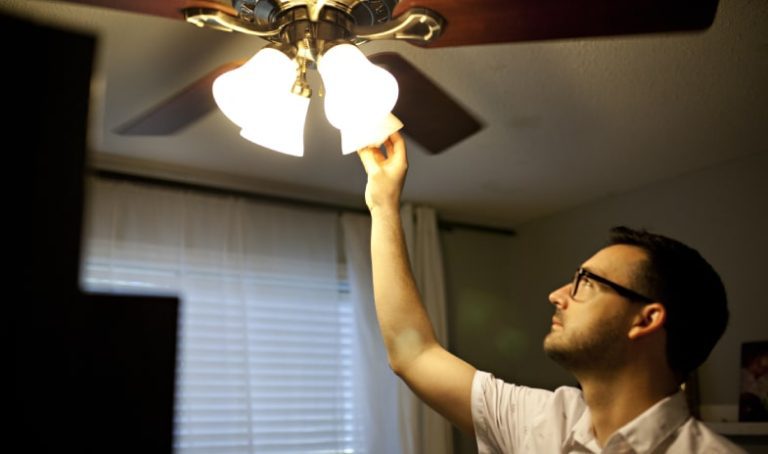
Speaking of longevity, LEDs last forever—or at least it feels that way. Most LED bulbs are rated for 25,000 to 50,000 hours of use. Compare that to an incandescent bulb’s measly 1,000 hours or a CFL’s 10,000 hours, and you can see why I’m a fan. I used to climb up ladders to replace bulbs in my high-ceiling living room every few months. Now, with LEDs, I haven’t touched those fixtures in years.
Let’s break it down. If you use a bulb for about three hours a day, an LED could last you 20 years or more. That’s less time spent shopping for bulbs, less hassle changing them, and fewer trips to the store. I calculated that switching my whole house to LEDs saved me about $50 a year in replacement costs alone. Over time, those savings add up, especially if you’ve got a big house with lots of lights.
Better Light Quality for Every Room
When I first tried LEDs, I was worried they’d feel too clinical, like hospital lighting. But today’s LEDs are a game-changer. You can choose from a range of color temperatures, measured in Kelvin (K), to match your vibe. Warm white (2700K-3000K) feels cozy, like traditional bulbs, perfect for bedrooms or living rooms. Cool white (3500K-4100K) is great for kitchens or workspaces where you need focus. Daylight (5000K-6500K) mimics natural sunlight, ideal for reading or outdoor spaces.
I swapped out the bulbs in my home office for cool white LEDs, and I swear it’s helped me stay more alert during long workdays. In my dining room, I went with warm white for a softer, inviting glow during dinner parties. LEDs also offer dimmable options, so you can set the mood without flickering or buzzing—something I’ve noticed with older CFLs. Plus, LEDs turn on instantly, no annoying warm-up time like CFLs.
Are LEDs Really Cost-Effective?
You might be thinking, “Sure, LEDs save energy, but they’re pricier upfront.” I had the same concern when I started switching over. A good LED bulb might cost $5-$10, compared to $1-$2 for an incandescent. But let’s do the math. An LED’s lower energy use and longer lifespan mean you’re saving money in the long run.
Here’s an example from my own experience. I bought a $7 LED bulb to replace a 60-watt incandescent that cost $1. The LED uses 10 watts, so I’m saving about 50 watts per hour. At an average electricity rate of $0.13 per kilowatt-hour, that’s roughly $6.50 saved per year for one bulb. Add in the fact that I won’t need to replace it for decades, and that $7 feels like a steal. If you’re replacing 20 bulbs in your home, the savings could be hundreds of dollars over time.
Environmental Impact: A Win for the Planet
I’m not a hardcore environmentalist, but I do care about doing my part. LEDs are a great choice for eco-conscious homeowners. For one, they use less electricity, which means fewer greenhouse gas emissions from power plants. Also, unlike CFLs, LEDs don’t contain mercury, so they’re safer to dispose of. I learned this the hard way when I broke a CFL bulb years ago and had to deal with a messy cleanup.
By switching to LEDs, I’ve reduced my household’s carbon footprint without even trying that hard. Plus, since they last so long, you’re not tossing out bulbs every few months, which means less waste in landfills. It’s a small change that feels good to make.
Durability and Safety Features
Another thing I love about LEDs is how tough they are. Unlike incandescent bulbs, which have fragile filaments, or CFLs, which can shatter and release mercury, LEDs are built to last. They’re made of sturdy materials like plastic and aluminum, so they can handle a little roughhousing. I’ve got a couple of LEDs in my garage that have survived bumps and drops without a scratch.
LEDs also run cooler than other bulbs. Incandescents get so hot they can burn you, and I’ve even heard of them starting fires if they’re too close to flammable materials. LEDs stay cool to the touch, which gives me peace of mind, especially in my kids’ rooms. Plus, their solid-state design means they’re less likely to break if you accidentally knock over a lamp.
Versatility for Every Home Project
One of the coolest things about LEDs is how versatile they are. Whether you’re sprucing up your backyard or redesigning your kitchen, there’s an LED for that. I recently installed LED strip lights under my kitchen cabinets, and it’s transformed the space. They’re bright enough for chopping veggies but dimmable for late-night snacks. You can also find LEDs for outdoor floodlights, recessed cans, or even smart bulbs that connect to your phone or voice assistant.
I got a few smart LED bulbs for my living room, and now I can change the color or brightness with a quick voice command. It’s like living in the future! Whether you’re a DIY newbie or a seasoned pro, LEDs give you endless options to play with lighting in your home.
Are There Any Downsides?
I’ll be honest—LEDs aren’t perfect. The upfront cost can sting a bit, especially for specialty bulbs like floodlights or smart LEDs. And while most LEDs are dimmable, not all are, so you need to check the packaging if you’ve got dimmer switches. I made that mistake once and ended up with a bulb that wouldn’t dim properly—annoying!
Another thing to watch for is light quality. Some cheaper LEDs can have a lower Color Rendering Index (CRI), which means colors might not look as vibrant. I always look for bulbs with a CRI of 80 or higher to make sure my home looks its best. Lastly, while LEDs are recyclable, not every recycling center accepts them, so you might need to do a little research on disposal.
How to Choose the Right LED Bulb
Picking the right LED bulb can feel overwhelming with so many options. Here’s what I’ve learned to make it easier. First, check the lumens, not watts, to measure brightness. For example, 800 lumens is about the same as a 60-watt incandescent. Next, decide on the color temperature—warm white for cozy spaces, cool white for task areas. If you want dimmable bulbs, make sure they’re labeled as such.
I also recommend sticking with reputable brands. I’ve had great luck with Philips, Cree, and GE. They cost a bit more, but the quality is worth it. Finally, if you’re feeling fancy, consider smart LEDs. They’re pricier, but being able to control your lights from your phone or with Alexa is pretty awesome.
My Personal Experience with LEDs
When I started switching to LEDs, I didn’t go all in at once. I replaced bulbs as they burned out, starting with the ones I used most, like in my kitchen and living room. The difference was immediate—brighter light, lower bills, and no more constant bulb changes. Over time, I swapped out every bulb in my house, and I haven’t looked back.
One of my favorite moments was when I installed outdoor LED floodlights. My backyard went from dim and dreary to a well-lit space for barbecues and late-night chats. It’s amazing how something as simple as lighting can make your home feel so much more inviting.
Conclusion
After diving deep into the world of LED bulbs, I can confidently say they’re worth the hype. They save you money, last for years, and offer endless ways to light up your home. Whether you’re looking to cut your energy bill, reduce your environmental impact, or just make your space feel cozier, LEDs are the way to go. I’ve seen the difference in my own home, and I bet you will too. So next time you’re at the store, grab a few LEDs and give them a try. Your wallet, your home, and the planet will thank you.
Frequently Asked Questions
Are LED bulbs worth the higher upfront cost?
Absolutely. While LEDs cost more upfront, they save you money over time through lower energy bills and fewer replacements. I’ve found that a $7 LED bulb pays for itself in about a year compared to an incandescent.
Can LED bulbs work with dimmer switches?
Yes, but you need to buy dimmable LEDs. Check the packaging to confirm. I learned this the hard way when I installed a non-dimmable LED with a dimmer switch, and it flickered like crazy.
Do LED bulbs really last 25,000 hours?
Yes, most quality LEDs are rated for 25,000 to 50,000 hours. In my house, I’ve had LEDs going strong for years without needing a replacement. Just make sure to buy from trusted brands.
Are LEDs safe for my home?
Definitely. LEDs run cooler than incandescent bulbs, reducing fire risks, and they don’t contain mercury like CFLs. I feel safer using them, especially in rooms where my kids play.
Can I use LED bulbs outdoors?
Yes, there are LEDs designed for outdoor use, like floodlights or string lights. I’ve got LED floodlights in my backyard, and they’ve held up through rain and snow without a hitch.
Do LEDs come in different colors?
They sure do! You can choose warm white for a cozy feel, cool white for tasks, or even colored LEDs for fun effects. I love using warm white in my living room for a relaxed vibe.
How do I dispose of LED bulbs?
LEDs are recyclable, but not all centers accept them. Check with your local recycling program. I usually take mine to a nearby hardware store that has a bulb recycling bin.