Are LED Bulbs Safe: Essential Guide
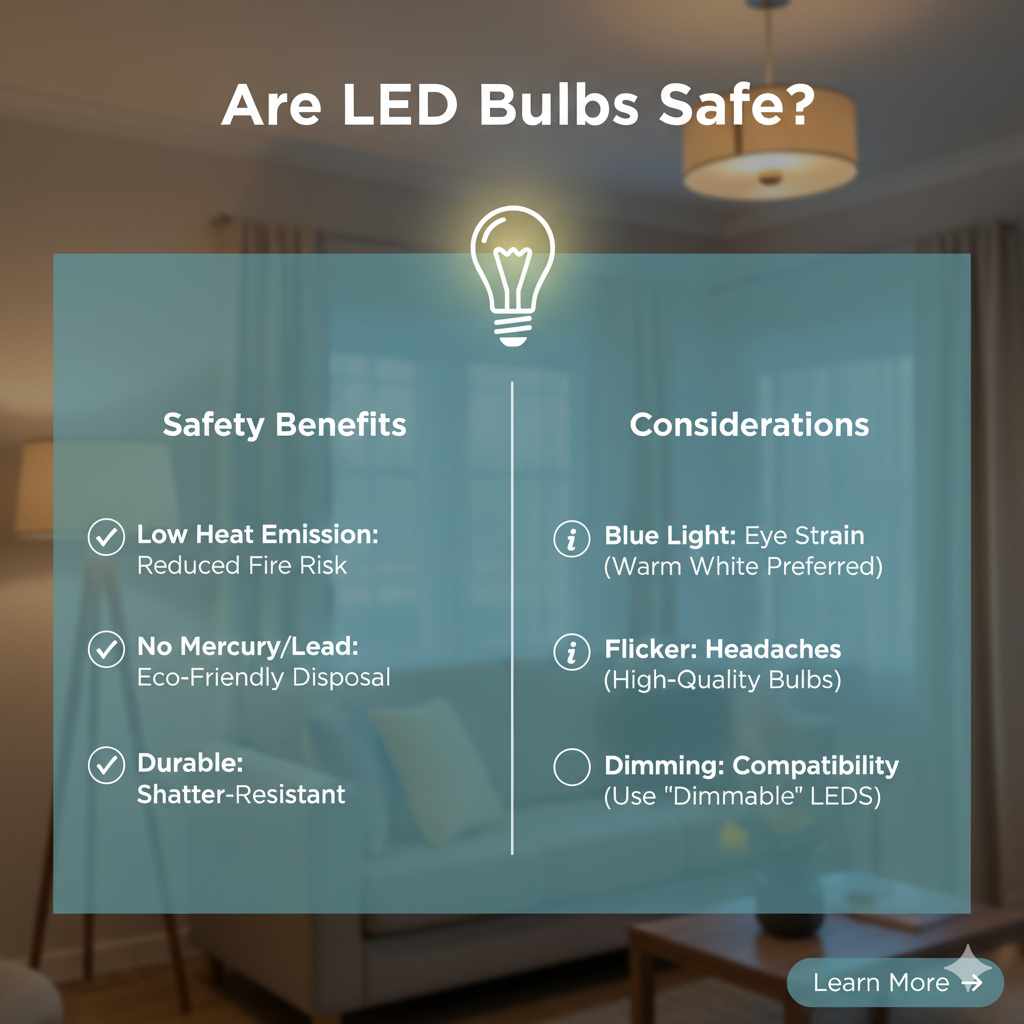
Are LED Bulbs Safe? Absolutely! This guide breaks down why they’re a fantastic, safe choice for your home, addressing common worries and showing you how to use them with confidence.
Hey there, fellow DIYers and home improvement enthusiasts! Md Meraj here. You know, one of the simplest upgrades you can make to your home is switching out old light bulbs for new ones. But when you see those shiny LED bulbs, you might wonder, “Are LED bulbs really safe?” It’s a common question, and I’m here to tell you the straightforward answer: Yes, they are! In fact, they’re often safer than the bulbs you’re used to. We’ll dive into why, clear up any confusion, and give you the confidence to make the switch. Let’s get your home lit up safely and efficiently!
Understanding LED Bulbs: The Basics
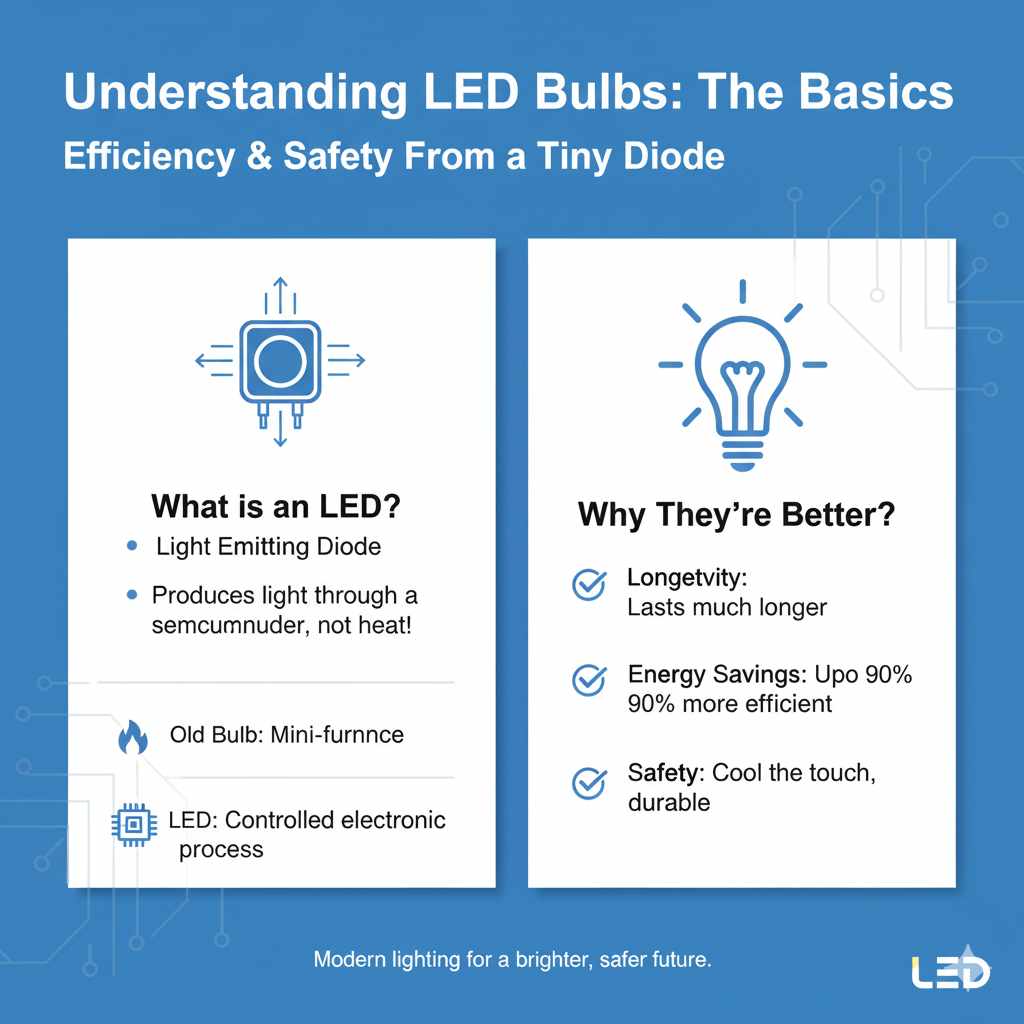
LED stands for Light Emitting Diode. Unlike old incandescent bulbs that heat a tiny wire until it glows (which is why they get so hot!), LEDs produce light through a semiconductor. This fundamental difference is key to why they are so safe and efficient. Think of it like a tiny, controlled electronic process creating light, rather than a mini-furnace in your light fixture.
The technology behind LEDs has come a long way. They’ve become the go-to choice for lighting in homes, businesses, and even cities because of their longevity, energy savings, and, importantly, their safety features. We’re going to explore exactly why they earn that safety badge of honor.
Debunking Common Myths: Are LED Bulbs Really Safe?
It’s natural to have questions when new technology comes around. Let’s tackle some common concerns head-on and see what the facts say about LED safety.
Myth 1: LEDs Contain Harmful Chemicals
One of the biggest concerns people have is about the materials inside LED bulbs. It’s true that some older lighting technologies, like fluorescent bulbs, contained mercury. However, LED bulbs do not contain mercury. This is a huge win for safety and the environment!
The primary components of an LED bulb are:
- A semiconductor chip (the diode itself)
- A circuit board
- A plastic or glass casing
- A heat sink (often made of aluminum)
These materials are generally safe and pose no significant risk when the bulb is intact and used as intended. If an LED bulb were to break, it’s best to handle it with care, similar to any broken glass, but there are no toxic fumes or substances to worry about.
Myth 2: LEDs Emit Harmful Radiation
There’s sometimes talk about LEDs emitting harmful radiation. The type of light an LED produces is visible light, just like sunlight or light from other bulbs. Regulatory bodies, like the U.S. Food & Drug Administration (FDA), set standards for light sources to ensure they are safe for consumers. LEDs that meet these standards are safe for everyday use.
Some people worry about blue light. While excessive exposure to blue light from screens can affect sleep patterns, the amount of blue light emitted from standard LED bulbs used in homes is well within safe limits. You’d need to stare directly into a very bright LED for an extended period to even consider it an issue, which isn’t how we typically use home lighting.
Myth 3: LEDs Get Too Hot and Are a Fire Hazard
This is a big one, especially for those used to incandescent bulbs that become scorching hot. LEDs are incredibly energy-efficient. They convert most of the energy they use into light, not heat. This means they run much cooler than incandescent or halogen bulbs. While the base of an LED bulb might feel warm after it’s been on for a while, it’s nowhere near the dangerously hot temperatures of older bulb types.
Because they produce so little heat, LEDs significantly reduce the risk of fire hazards associated with overheating, especially in older fixtures or when bulbs are placed too close to flammable materials. This makes them a much safer choice for enclosed fixtures or in areas where heat buildup could be a concern.
The Safety Advantages of LED Bulbs
Beyond debunking myths, let’s highlight the genuine safety benefits that make LEDs a smart choice for your home.
1. Lower Heat Output
As mentioned, LEDs produce significantly less heat. This is a major safety advantage. Think about it:
- Reduced Fire Risk: Less heat means a lower chance of igniting nearby materials like curtains, paper, or insulation.
- Safer to Handle: You’re less likely to burn yourself when changing an LED bulb, even if it’s been on for a while.
- Protects Fixtures: Less heat is also gentler on light fixtures, extending their lifespan and preventing damage.
2. Durability and Construction
Many LED bulbs are made with plastic casings instead of glass. This makes them much more resistant to breakage. Dropping an LED bulb is less likely to result in shattered glass and scattered shards compared to a fragile incandescent or halogen bulb. This is a huge plus for safety, especially in busy households or areas where bumps and drops are more common.
3. Energy Efficiency = Less Strain on Electrical Systems
LEDs use a fraction of the electricity of incandescent bulbs. This lower energy draw puts less strain on your home’s electrical wiring and circuits. Over time, this can contribute to a safer electrical system by reducing the risk of overheating in wiring that might be older or not rated for high-wattage loads.
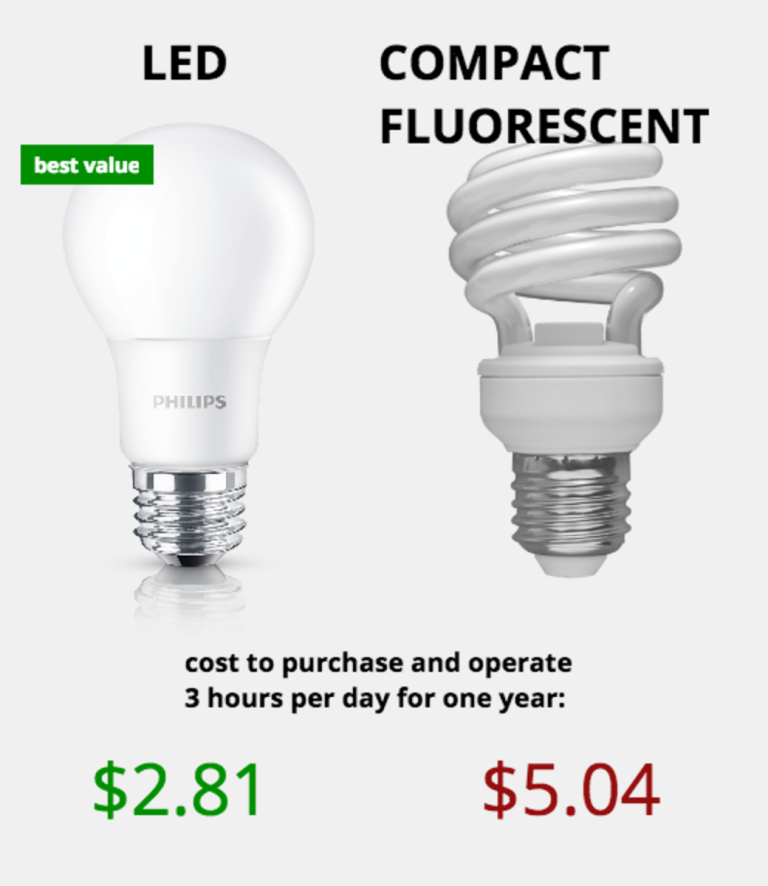
According to the U.S. Department of Energy, LEDs use at least 75% less energy and last 25 times longer than incandescent bulbs. This massive energy saving is not just good for your wallet, but also for the overall health of your electrical system.
4. No Flickering or Buzzing
Some older types of lighting, particularly certain fluorescent or poorly made incandescent bulbs, could flicker or buzz. This can be annoying and, in some cases, might even be linked to discomfort or headaches for sensitive individuals. LEDs, when properly manufactured and installed, provide a steady, consistent light without distracting flickering or humming.
Are Certain Types of LED Bulbs Safer Than Others?
While all LED bulbs are generally safe, there are a few things to keep in mind, especially regarding quality and specific applications.
Quality Matters: Choosing Reputable Brands
Like any product, the quality of LED bulbs can vary. It’s always best to opt for bulbs from reputable manufacturers. These brands adhere to safety standards and quality control, ensuring their products perform as expected and are safe for home use. Look for certifications like UL (Underwriters Laboratories) or ETL (Intertek) on the packaging. These indicate that the product has been tested and meets established safety requirements.
Specialty LED Bulbs: Considerations
- Smart Bulbs: These bulbs have built-in Wi-Fi or Bluetooth connectivity. They are perfectly safe for lighting purposes. The “smart” features are controlled via apps and don’t impact the safety of the light itself.
- Dimmable LEDs: Not all LED bulbs are dimmable. If you plan to use a dimmer switch, ensure you purchase LED bulbs specifically labeled as “dimmable.” Using non-dimmable LEDs with a dimmer can cause flickering, buzzing, or premature failure, but it’s not a safety hazard in terms of fire or toxicity.
- High-Bay or Industrial LEDs: These are designed for large spaces and can be very powerful. While safe, they emit a lot of light, and you should always avoid staring directly into them.
How to Safely Install and Use LED Bulbs
Installing LED bulbs is usually as simple as screwing in a traditional bulb. However, a few best practices will ensure you get the most out of them and maintain safety.
Step-by-Step Installation Guide
This is straightforward, but let’s cover it for completeness:
- Turn off the Power: This is the most crucial safety step! Locate the light switch for the fixture you’re working on and turn it OFF. For extra safety, you can turn off the corresponding breaker at your electrical panel.
- Let the Old Bulb Cool (If Applicable): If you’re replacing an incandescent or halogen bulb, give it a few minutes to cool down completely before attempting to unscrew it.
- Remove the Old Bulb: Gently unscrew the old bulb counter-clockwise. If it’s stuck, try using a rubber glove or a cloth for a better grip.
- Install the New LED Bulb: Carefully screw the new LED bulb into the socket, turning it clockwise until it’s snug. Don’t overtighten, as this can damage the socket or the bulb.
- Turn the Power Back On: Flip the light switch or breaker back on.
- Test the Bulb: Your new LED bulb should light up.
Important Usage Tips
- Check Wattage Equivalency: LED bulbs use much less wattage for the same brightness. A 10-watt LED might produce the same light as a 60-watt incandescent. Always check the packaging for the “wattage equivalent” to ensure you’re getting the brightness you want.
- Use in Appropriate Fixtures: While LEDs are cool, always check the maximum wattage rating of your light fixture. Never exceed it. Most fixtures are rated for at least 60 watts, which is more than enough for even the brightest standard LED bulb.
- Dimmable Bulbs and Dimmers: If you need dimming capabilities, buy dimmable LEDs and ensure your dimmer switch is compatible with LEDs. Older dimmer switches designed for incandescent bulbs might not work well with LEDs.
- Ventilation: While LEDs run cooler, good ventilation is still beneficial for any electronic device. If your fixture is completely enclosed, ensure the LED bulb you choose is rated for enclosed fixtures.
Comparing LED Bulbs to Other Lighting Technologies
To truly appreciate the safety of LEDs, let’s see how they stack up against older technologies. Here’s a quick comparison:
| Feature | Incandescent Bulbs | Halogen Bulbs | CFL Bulbs (Compact Fluorescent) | LED Bulbs |
|---|---|---|---|---|
| Heat Output | Very High (significant fire risk) | High (can get very hot) | Moderate (warm to touch) | Low (cool to touch, very low fire risk) |
| Fragility | High (glass) | High (glass) | Moderate (glass tube) | Low (often plastic casing) |
| Energy Efficiency | Very Low | Low | Good | Excellent (highest) |
| Lifespan | Short (approx. 1,000 hours) | Medium (approx. 2,000 hours) | Long (approx. 8,000-10,000 hours) | Very Long (approx. 15,000-50,000+ hours) |
| Hazardous Materials | None | None | Contains Mercury (requires special disposal) | None |
| Breakage Risk | High (shatter easily) | High (shatter easily) | Moderate (glass tubes can break) | Low (plastic is more durable) |
As you can see from the table, LEDs offer a significant leap forward in safety and efficiency. The absence of mercury and the much lower heat output make them the clear winner for home use.
Environmental and Health Considerations
Beyond immediate safety, LEDs also have benefits for the environment and, by extension, our long-term health.
Reduced Energy Consumption
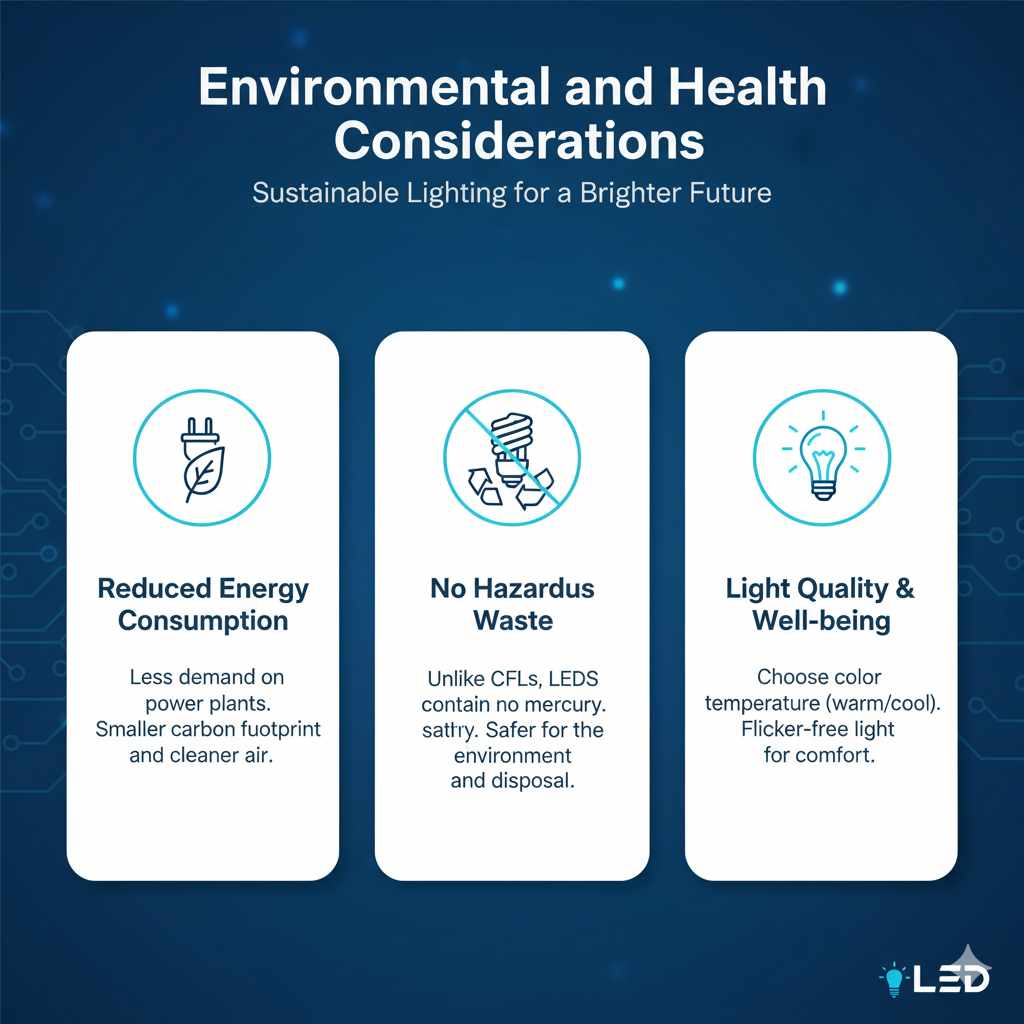
The incredible energy efficiency of LEDs means less demand on power plants, which often rely on fossil fuels. This translates to a smaller carbon footprint and cleaner air. It’s a win-win for your home and the planet.
No Hazardous Waste
Unlike CFLs, which contain mercury and require careful disposal to prevent environmental contamination, broken LED bulbs are not considered hazardous waste. While it’s always best to recycle electronics when possible, a broken LED bulb doesn’t pose the same environmental threat as a broken CFL.
For proper disposal and recycling of electronics, including bulbs, you can check resources like EPA’s guidance on electronics recycling.
Light Quality and Well-being
Modern LEDs come in a wide range of color temperatures, from warm, cozy tones similar to incandescent bulbs to bright, cool daylight. This allows you to choose lighting that best suits the mood and function of each room. The steady, flicker-free light can also contribute to a more comfortable and productive environment for everyone in the home.
Frequently Asked Questions About LED Bulb Safety
Let’s address some common questions you might still have. I want to make sure you feel completely confident!
Q1: Can LED bulbs cause headaches or eye strain?
A: Generally, no. Poor quality LED bulbs, or those that flicker subtly (which is rare in reputable brands), could potentially cause discomfort for very sensitive individuals. However, modern, high-quality LEDs are designed to provide steady, flicker-free light and are considered safe for most people. Choosing bulbs with appropriate color temperature for the room can also enhance comfort.
Q2: Do LED bulbs emit UV radiation?
A: Standard LED bulbs emit very minimal, if any, ultraviolet (UV) radiation. The small amount that might be produced is well below levels that would cause harm or damage to skin or materials. They are considered safe in this regard.
Q3: What should I do if an LED bulb breaks?
A: If an LED bulb breaks, there are no toxic chemicals to worry about. Simply wear gloves to protect your hands from any glass shards, carefully sweep up the pieces, and dispose of them in your regular trash. If you want to be extra cautious, you can place the broken bulb and debris in a sealed bag before discarding.
Q4: Are LED grow lights safe for plants and humans?
A: Yes, LED grow lights are safe. They are designed to emit specific wavelengths of light that plants need to grow. While they are more intense than regular home lighting, they do not produce harmful radiation. As with any bright light source, avoid staring directly into them for extended periods.
Q5: Can I use LED bulbs in any light fixture?
A: For the most part, yes. You can replace incandescent, halogen, and CFL bulbs with LEDs. However, always check the fixture’s maximum wattage rating and ensure it’s not exceeded. Also, if you plan to use a dimmer, make sure both the dimmer switch and the LED bulb are compatible and labeled as “dimmable.” Some very old or specialized fixtures might have specific requirements, so it’s always good practice to check.
Q6: Are LED bulbs safe for children’s rooms?
A: Absolutely! LED bulbs are an excellent choice for children’s rooms. They produce very little heat, reducing the risk of burns if a child touches the bulb. They are also durable and don’t contain hazardous materials like mercury, making them a safe and worry-free lighting option.
Conclusion
So, to wrap things up, I can confidently say that LED bulbs are not only safe but are actually one of the safest and most beneficial lighting options available for your home today. They’ve moved past any early concerns and are now a proven, reliable technology.
From their incredibly low heat output that minimizes fire risks to their durable construction and lack of hazardous materials like mercury, LEDs offer peace of mind. They’re energy-efficient, long-lasting, and provide excellent light quality. By choosing reputable brands and following simple installation tips, you can enjoy all the advantages of LED lighting without a second thought.
Making the switch to LEDs is a simple, affordable upgrade that pays off in safety, energy savings, and convenience. I hope this guide has cleared up any questions you had and given you the confidence to light up your home with these fantastic bulbs. Happy DIYing, and happy lighting!