Are Solar Lights Waterproof: Essential Guide
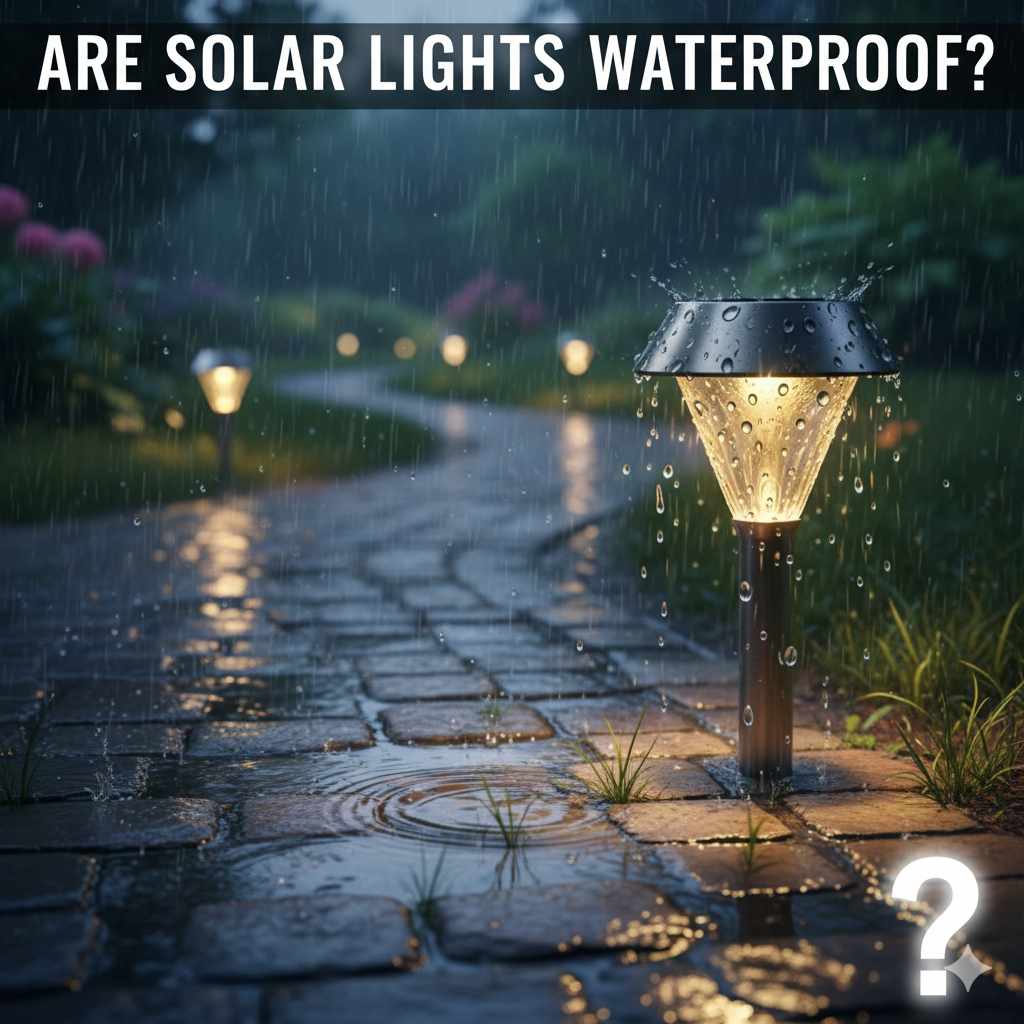
Yes, most solar lights are designed to be waterproof, but it’s crucial to check their IP rating. This rating tells you how well they’re protected against water and dust. Look for lights with an IP rating of IP44 or higher for good weather resistance.
Hello there, fellow home improvers and DIY enthusiasts! Md Meraj here. Ever look at your garden path or patio and think, “It needs a little something extra?” Maybe some gentle lighting to guide your way after dusk or to highlight your favorite plants? Solar lights seem like the perfect, fuss-free solution, right? No wires, no electricity bills – just sunshine powering your nights. But then a thought pops up: what about the weather? Rain, snow, even just a good watering from the sprinkler – will these lights survive? It’s a super common question, and one that can make you hesitate before buying. Don’t worry, though! We’re going to break down exactly what “waterproof” means for solar lights and how to pick the ones that will keep shining, no matter what the sky throws at them. Let’s get those outdoor spaces looking fantastic and lit up safely!
Understanding “Waterproof” for Solar Lights
When we talk about “waterproof” for outdoor electronics like solar lights, it’s not usually a simple yes or no. It’s more about how resistant they are to water and other elements. Think of it like a raincoat – some are good for a light drizzle, others can handle a downpour. For solar lights, this resistance is measured by something called an “Ingress Protection” or IP rating. This rating is a two-digit number that tells you how well the light’s enclosure protects its inner workings from solid objects (like dust and fingers) and liquids (like water). The higher the numbers, the better the protection.
The Importance of IP Ratings
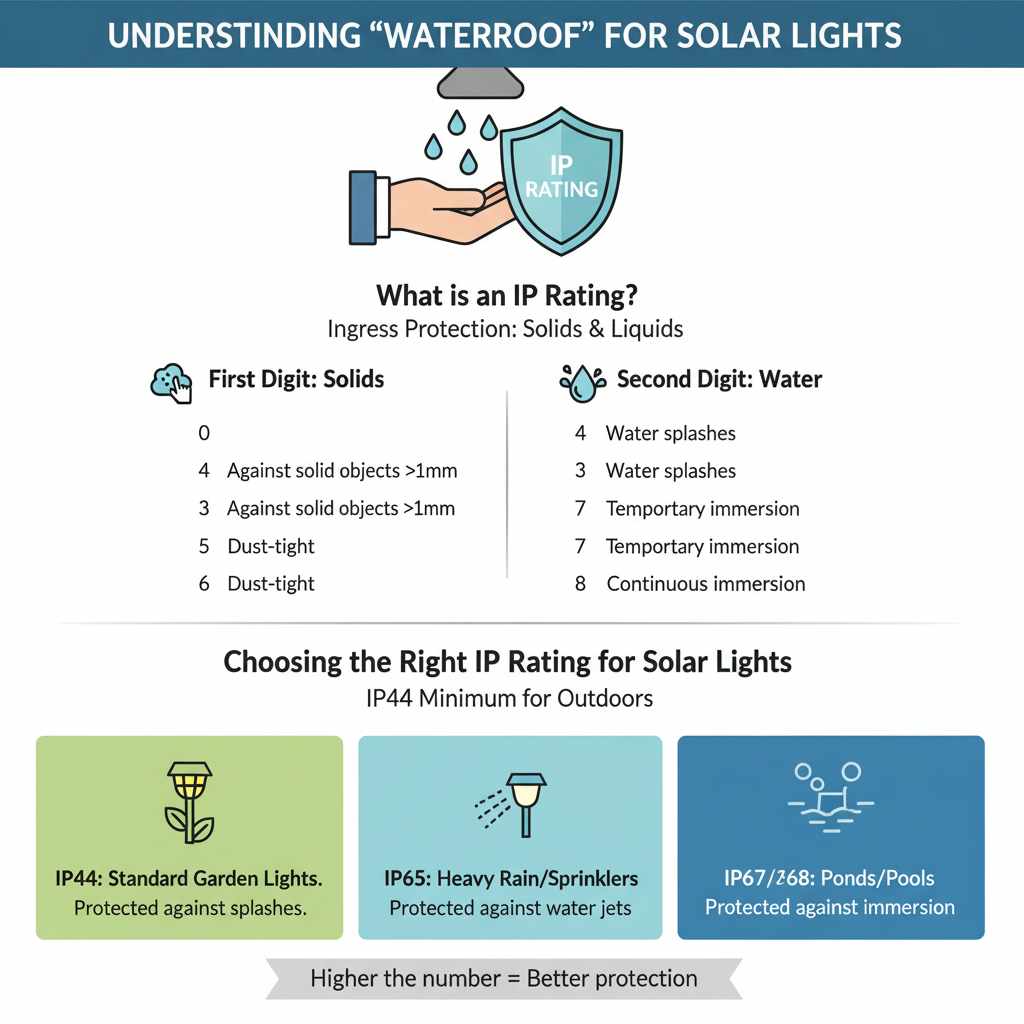
The IP rating system is standardized worldwide, so you can trust what it tells you. It consists of two digits: the first digit refers to protection against solid objects, and the second digit refers to protection against water. For solar lights, the second digit is the one we’re most concerned about when it comes to waterproofing. Here’s a quick look at what those second digits mean:
- 0: No protection against water.
- 1: Protected against vertically falling water droplets.
- 2: Protected against water droplets falling at a 15-degree angle from the vertical.
- 3: Protected against water spray from any direction (up to 60 degrees from vertical).
- 4: Protected against water splashes from any direction. This is the minimum you’d want for most outdoor lights.
- 5: Protected against water jets from any direction.
- 6: Protected against powerful water jets from any direction.
- 7: Protected against the effects of temporary immersion in water (up to 1 meter for 30 minutes).
- 8: Protected against continuous immersion in water under conditions specified by the manufacturer (often deeper than 1 meter).
For most garden solar lights, path lights, and decorative string lights, you’ll want to look for an IP rating of at least IP44. This means it’s protected against splashes of water from any direction. If you live in an area with heavy rain, frequent sprinklers, or you plan to use them near a pool or pond, you might consider lights with an IP rating of IP65 or higher, which offer much more robust protection against water jets and even temporary submersion.
Common IP Ratings for Solar Lights and What They Mean
Let’s break down some common IP ratings you’ll see on solar lights and what they mean for their durability outdoors:
| IP Rating | Protection Against Solids | Protection Against Liquids | Suitability for Solar Lights |
|---|---|---|---|
| IP44 | Protected against solid objects larger than 1mm (e.g., wires, small tools). | Protected against water splashes from any direction. | Good for general outdoor use like garden paths, patios, and decks where they might get splashed. |
| IP55 | Protected against dust that could interfere with operation. Limited dust ingress. | Protected against water jets from any direction. | Suitable for areas that might experience more direct water spray, like near sprinklers or carports. |
| IP65 | Completely protected against dust. | Protected against water jets from any direction. | Excellent for exposed areas, driveways, or anywhere that might get significant water exposure. Can often withstand power washing. |
| IP67 | Completely protected against dust. | Protected against the effects of temporary immersion in water (up to 1 meter for 30 minutes). | Ideal for areas that might be submerged temporarily, like around ponds, or if you expect very heavy downpours or flooding. |
As you can see, even a basic IP44 rating is pretty good for most everyday uses. It means the light won’t be ruined by a bit of rain or spray. However, if you’re looking for something that can handle being submerged or blasted with high-pressure water, you’ll need to aim for higher ratings like IP65 or IP67. Always check the product description for the specific IP rating before you buy!
Factors Affecting Solar Light Durability Beyond IP Rating
While the IP rating is your primary guide to waterproofing, a few other factors play a role in how long your solar lights will last outdoors. Think of these as the supporting cast to your IP rating superstar!
1. Material Quality
The materials used to construct the solar light housing are super important. Cheaper plastics can become brittle and crack over time when exposed to UV rays from the sun and extreme temperature changes. Look for lights made from durable materials like:
- ABS Plastic: This is a common, sturdy plastic that holds up well against impact and weather.
- Stainless Steel: Offers excellent durability and a sleek look, though it can be more expensive.
- Aluminum: Lightweight, rust-resistant, and strong.
- Tempered Glass: For solar panels and diffusers, tempered glass is much more resistant to scratches and breakage than regular glass or plastic.
Even with a great IP rating, if the casing is flimsy or made from low-quality materials, it might not stand up to the elements for long. It’s like building a sturdy shed – you need good materials for the walls and roof, not just a well-sealed door.
2. Construction and Sealing
How the light is put together matters just as much as what it’s made of. Are there visible gaps or seams where water could easily seep in? Well-constructed solar lights will have tight seals around the solar panel, the battery compartment, and any access points. Manufacturers often use rubber gaskets or silicone seals to ensure a watertight fit. When you’re looking at lights, try to get a sense of how well they appear to be sealed. Sometimes, even if the IP rating is good, a poorly manufactured product might still let water in.
3. Solar Panel Quality and Maintenance
The solar panel itself needs to be protected. While they are usually covered with a durable layer of glass or strong plastic, keeping them clean is essential for both performance and longevity. Dirt, leaves, and bird droppings can block sunlight, reducing the light’s charging efficiency. More importantly, if debris builds up and creates uneven surfaces, it can potentially compromise the seals around the panel over time. Regularly wiping down the solar panel with a soft, damp cloth will help maintain its performance and protect the seals.
4. Battery Compartment Protection
This is a critical area for waterproofing. The battery is often the most sensitive component. Good solar lights will have a separate, well-sealed compartment for the battery, often accessible from the underside or back of the unit. This compartment should have its own gasket or seal to prevent moisture from reaching the battery and corroding the terminals or damaging the battery itself. If the battery compartment isn’t properly sealed, even a light shower could be enough to cause problems.
5. Temperature Extremes
While not directly related to “waterproof,” extreme temperatures can affect the materials and seals of your solar lights. Freezing temperatures can cause moisture that does get inside to expand, potentially cracking plastic or compromising seals. Intense heat can degrade plastic and adhesives over time. Choosing lights made from materials known to withstand a wide range of temperatures will contribute to their overall durability and waterproofing over the years.
How to Choose the Right Waterproof Solar Lights
Now that you understand the nitty-gritty of waterproofing and other durability factors, let’s talk about how to pick the best solar lights for your needs. It’s all about matching the light’s capabilities to its intended location and your climate.
Step-by-Step Guide to Selecting Solar Lights
- Assess Your Location: Think about where you plan to put the lights. Are they going on a patio that gets direct rain? Near a sprinkler system? On a garden wall? Or perhaps under a covered porch? The answers will dictate the IP rating you need.
- Check the IP Rating: This is your number one priority. For general outdoor use, aim for at least IP44. If it’s a high-exposure area, look for IP65 or higher. Don’t guess – look for the rating clearly stated in the product description or on the packaging.
- Consider the Materials: Opt for lights made from sturdy, weather-resistant materials like ABS plastic, stainless steel, or aluminum. Tempered glass for the solar panel is a plus.
- Read Reviews: See what other users say about the light’s performance in different weather conditions. Real-world experience is invaluable. Look for comments about longevity and how well they’ve held up after a year or more.
- Examine Construction Details: If possible, look at close-up photos or the product specifications for details on seals and gaskets. A well-designed light will show evidence of good sealing around critical components.
- Think About Brightness and Style: While not directly related to waterproofing, ensure the lights provide the brightness you need and match your home’s aesthetic. Lumens are the measure of brightness – more lumens mean a brighter light.
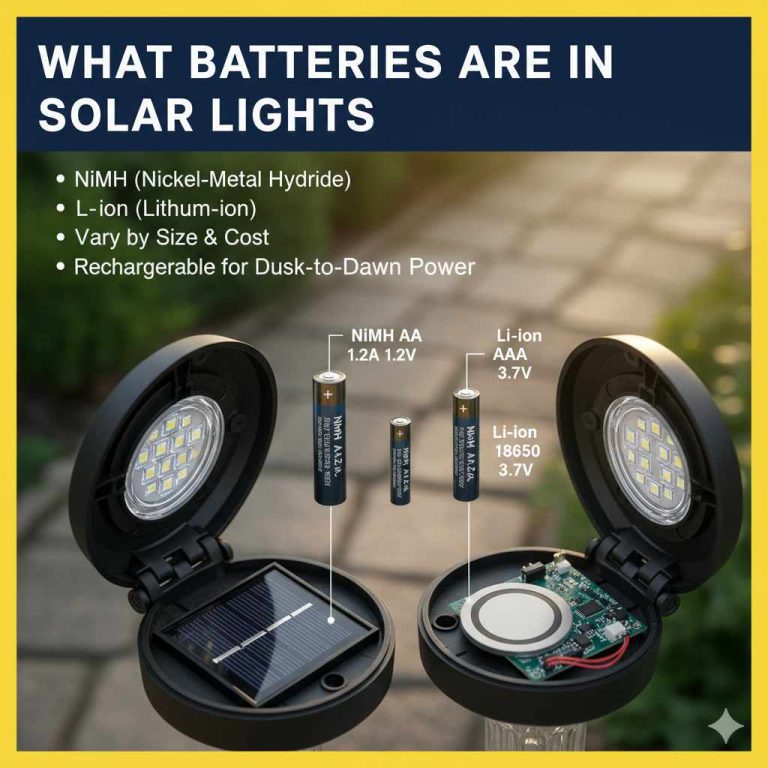
- Check Battery Type and Lifespan: Most solar lights use rechargeable AA or AAA NiMH batteries. Look for lights with replaceable batteries, as this extends their lifespan. The stated battery life (how long they stay lit at night) is also important.
Where to Install Solar Lights for Maximum Protection
Even with waterproof solar lights, smart placement can extend their life and ensure they work best. Here are some tips:
- Avoid Direct Water Runoff: While waterproof, it’s best to avoid placing lights directly in the path of heavy water runoff from roofs or driveways.
- Under Eaves or Overhangs: Installing lights under eaves or porch roofs offers an extra layer of protection from direct rain and snow.
- Away from Constant Sprinkler Heads: If possible, position lights so they aren’t directly in the spray zone of sprinklers.
- Ensure Clear Sunlight Exposure: For charging, all solar lights need direct sunlight for several hours a day. Avoid shaded spots, even if they offer some protection from water. A good balance is key!
Maintaining Your Waterproof Solar Lights
Even the most waterproof solar lights need a little TLC to keep them working their best and looking good. Regular maintenance is simple and makes a big difference. Think of it like giving your car an oil change – it keeps everything running smoothly!
Essential Maintenance Tasks
- Clean the Solar Panel Regularly: This is the most important task. Use a soft, damp cloth to wipe away dust, pollen, bird droppings, and other debris. Do this weekly or bi-weekly, depending on how dirty they get. For stubborn grime, a little mild soap and water can help, but rinse thoroughly. Never use abrasive cleaners or scrubbers, as they can scratch the panel.
- Check for Damage: Periodically inspect the lights for any cracks, loose parts, or signs of corrosion, especially around the seals and battery compartment. Address any issues promptly.
- Clean the Light Diffuser: The part that spreads the light can also get dirty. Gently wipe it with a damp cloth to ensure maximum light output.
- Inspect Battery Terminals: If you can access the battery compartment, check the terminals for any signs of corrosion. If you see any, you can clean them gently with a pencil eraser or a soft cloth dipped in a baking soda and water paste.
- Replace Batteries When Needed: Most solar lights use rechargeable batteries that have a lifespan of 1-3 years. When you notice the lights not holding a charge as long as they used to, it’s time to replace the batteries. Make sure to use rechargeable batteries of the same type and size.
- Winter Care (If Applicable): In very cold climates, consider bringing your solar lights indoors during the harshest winter months. Freezing temperatures can be tough on the components, and snow cover will prevent charging anyway.
Taking these simple steps will help ensure your solar lights remain waterproof and continue to light up your outdoor spaces for many seasons to come. It’s a small investment of time for a significant return in ambiance and functionality.
Troubleshooting Common Issues with Solar Lights
Even with the best intentions and careful selection, sometimes solar lights can act up. Don’t get discouraged! Most common problems have simple solutions. Let’s troubleshoot a few:
Why Isn’t My Solar Light Working?
This is the million-dollar question! Here are the most common culprits and how to fix them:
- No Sunlight: The most frequent reason is insufficient charging. Make sure the solar panel is clean and has had at least 6-8 hours of direct sunlight. Try moving it to a sunnier spot.
- The Switch is Off: It sounds simple, but sometimes the light might have been accidentally switched off during cleaning or repositioning. Check the on/off switch.
- Dirty Solar Panel: As mentioned, a dirty panel can’t absorb enough sunlight. Give it a good clean.
- Old or Dead Batteries: Rechargeable batteries don’t last forever. If the light is a year or two old and has been exposed to the elements, the batteries might need replacing.
- Internal Damage: If the light has been submerged in water beyond its IP rating, or physically damaged, there might be internal corrosion or component failure. This is harder to fix and may mean it’s time for a new light.
Why is My Solar Light Dim or Not Lasting Long?
If your light is on but not as bright or long-lasting as it used to be:
- Battery Performance Degradation: This is the most common cause for older lights. The rechargeable batteries simply can’t hold as much charge as they did when new. Replacing them with new, high-quality rechargeable batteries (like NiMH) usually solves this.
- Partial Shade: Even if the light gets some sun, if it’s partially shaded for parts of the day, it won’t charge as effectively.
- Dirty Panel/Diffuser: A grimy panel or a cloudy diffuser will reduce the amount of light produced. Clean both thoroughly.
- Weather Conditions: Extended periods of cloudy weather will naturally reduce charging efficiency, leading to dimmer or shorter-lasting light.
What If Water Gets Inside My Solar Light?
This is where the IP rating and construction quality are really tested. If you suspect water has gotten inside:
- Turn it Off Immediately: To prevent short circuits and further damage.
- Dry It Out: Carefully disassemble the light as much as possible (without forcing anything). Place it in a warm, dry place, ideally in front of a fan or in a container with silica gel packets or uncooked rice to absorb moisture. Let it dry for at least 24-48 hours.
- Check for Corrosion: Once dry, inspect the battery compartment and any visible circuitry for signs of corrosion. Clean any corrosion gently.
- Test Carefully: Reassemble the light and test it. If it works, great! Keep an eye on it for any recurring issues. If it doesn’t work, or if the damage looks severe, it might be time to replace it.
Remember, even “waterproof” doesn’t mean “submersible” unless it’s rated for it. Treating your solar lights with care and performing regular maintenance will significantly reduce the chances of these issues arising.
External Resources for Solar Lighting Information
For those who like to dive a bit deeper into the technology and best practices of outdoor lighting and energy efficiency, here are some valuable resources:
- U.S. Department of Energy – Energy Efficiency & Renewable Energy: This government resource provides a wealth of information on solar energy technologies, benefits, and how to use them effectively. You can find general information on solar power systems here: Energy.gov Solar Guide.
- Consumer Product Safety Commission (CPSC): While not specific to solar lights, the CPSC offers general safety guidelines for outdoor electrical products and home installations. Understanding general electrical safety is always a good idea: CPSC.gov.
- Local Building Codes and Regulations: Depending on your location, there might be specific regulations regarding outdoor lighting installations. While solar lights are generally low-risk, it’s always good practice to be aware of local guidelines. Your local municipal or county building department website is a good place to start.
These resources can provide a broader context for understanding outdoor lighting and energy-saving solutions for your home.
Frequently Asked Questions About Waterproof Solar Lights
Q1: Do all solar lights have an IP rating?
Not all solar lights will explicitly state an IP rating, especially very basic or older models. However, reputable manufacturers and retailers will include it as it’s the standard way to indicate water and dust resistance. If a rating isn’t listed, it’s best to assume it has minimal protection and is only suitable for very sheltered areas.
Q2: Can I leave solar lights out in the snow?
Most solar lights with a good IP rating (IP44 or higher) can handle snow. However, snow cover will block sunlight, preventing the lights from charging. For best performance and to protect the lights from extreme cold and ice buildup, consider bringing them indoors during prolonged periods of snow or freezing temperatures.
Q3: How long should waterproof solar lights last?
With proper maintenance, good quality waterproof solar lights can last anywhere from 2 to 5 years, sometimes even longer. The solar panel and casing are usually quite durable, but the rechargeable batteries typically have a lifespan of 1-3 years before they need replacing. The seals can also degrade over many years of exposure.
Q4: What’s the difference between “water-resistant” and “waterproof” for solar lights?
“Water-resistant” generally means the light can withstand some exposure to water, like splashes or light rain, but isn’t designed for submersion. “Waterproof” implies a higher level of protection, often indicated by higher IP ratings like IP65 or IP67, meaning it can withstand direct water jets or even temporary immersion. For solar lights, it’s best to rely on the specific IP rating rather than general terms.
Q5: Can I use solar garden lights in a pond?
Generally, no, unless the solar lights are specifically advertised as “submersible” and have a high IP rating like IP67 or IP68. Standard garden solar lights are not designed to be submerged in water and will likely be damaged if placed in a pond. Always check the product specifications carefully.
Q6: Do I need to turn my solar lights off in the rain?
No, you do not need to turn your solar lights off in the rain, especially if they have a suitable IP rating (IP44 or higher). They are designed to withstand wet weather. In fact, leaving them on allows them to continue charging if there’s any sunlight available and operate automatically at night.
Conclusion
So, to wrap things up, are solar lights waterproof? For the most part, yes, they are designed to be! The key is understanding that “waterproof” comes in degrees, and the IP rating is your best friend in figuring out just how much protection a light offers. Aiming for at least an IP44 rating will cover most common outdoor scenarios like rain and splashes, keeping your garden paths, patios, and decorative features beautifully lit without worry. For areas with more direct water exposure, stepping up to IP65 or even IP67 will give you that extra peace of mind.
Beyond the IP rating, choosing lights made from quality materials and paying attention to their construction will ensure they stand the test of time and weather. And remember, a little bit of regular maintenance – like keeping those solar panels clean – goes a long way in keeping your lights bright and functional for years to come. With this knowledge, you can confidently choose and install solar lights that will add charm and safety to your home, letting you enjoy your outdoor spaces long after the sun goes down, rain or shine. Happy lighting!