Bandsaw Vs Table Saw: Which Is Right For You?
In the realm of woodworking and metalworking, the choice between a bandsaw and a table saw can significantly impact project outcomes. Bandsaws, renowned for their curved cutting abilities and versatility in handling various materials, contrast sharply with the precision and stability offered by table saws, which excel in straight cuts and repeatable accuracy. As professionals and hobbyists alike grapple with selecting the appropriate tool for their needs, understanding the specific capabilities and limitations of each saw becomes paramount. Delving deeper into the nuances of bandsaw vs table saw will illuminate which tool is best suited for your next project.
Bandsaw Vs Table Saw: Which Tool Is Right For You?
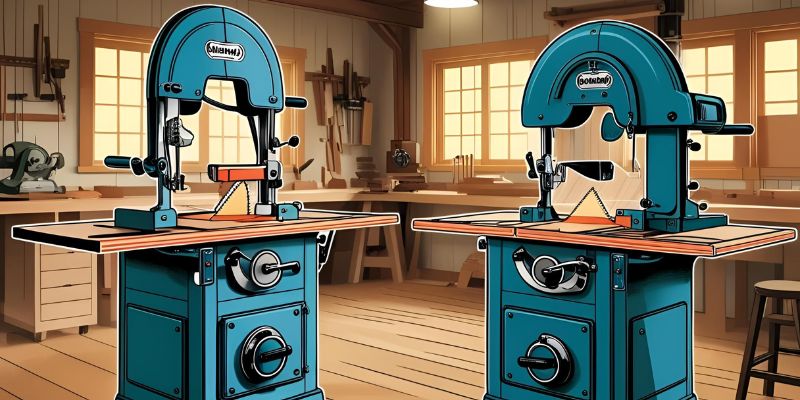
When it comes to woodworking, both bandsaws and table saws are essential tools, each with distinct advantages and applications. The bandsaw excels in making intricate cuts and resawing thick materials, while the table saw offers precision and efficiency for straight cuts and large sheets. Understanding the strengths and weaknesses of bandsaw vs table saw can significantly influence project outcomes, making it crucial for woodworkers to select the right tool for their specific needs. This comparison highlights key features, uses, and practical considerations.
1. Understanding the Basics
Definition and purpose of a bandsaw. Definition and purpose of a table saw.
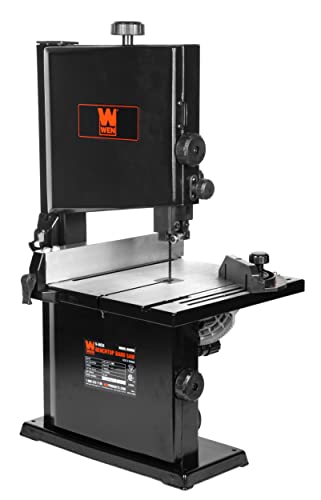
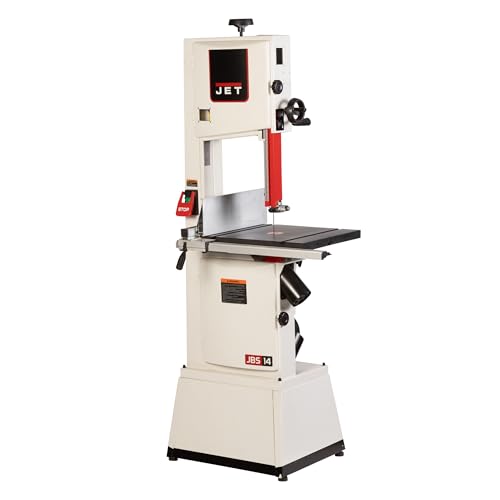
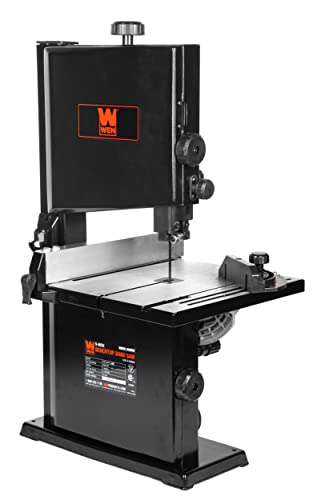
A bandsaw is a tool that uses a long, thin blade to cut wood into different shapes. Think of it like a rollercoaster ride for wood! It’s great for making curves and intricate designs.
On the other hand, a table saw has a flat table and a circular blade, perfect for making straight cuts.
Imagine slicing bread, but instead of bread, it’s wood, and you don’t even need butter!
| Tool | Purpose |
|---|---|
| Bandsaw | Cut curves and intricate shapes |
| Table Saw | Make straight cuts efficiently |
Both tools are valuable pals for woodworkers, each with its own special skills. Choose the right one based on your project, and let the fun begin!
2. Key Features of Each Tool
Blade types and sizes for bandsaws. Blade types and sizes for table saws. Cutting capacity and versatility of bandsaws. Cutting capacity and versatility of table saws.
Both bandsaws and table saws have unique features that make them special.
- Bandsaws: They use thin, flexible blades that come in various sizes, allowing for curved cuts. This makes them great for intricate designs. Their cutting capacity is high because they can handle thick materials and large pieces.
- Table Saws: These saws use wider blades that can be adjusted for different depths. They excel at making straight cuts and are versatile for various wood types. Their cutting capacity is also impressive, ideal for quick and precise cuts on large flat surfaces.
3. Pros and Cons
Advantages of using a bandsaw. Disadvantages of using a bandsaw. Advantages of using a table saw. Disadvantages of using a table saw.
Both tools have their ups and downs. Bandsaws are great for curved cuts and thick materials, like that giant log you found in your backyard (please don’t let your neighbor see it!). However, they can be tricky for straight cuts.
On the other hand, table saws make precise straight cuts a breeze but beware—they can be a bit dangerous if you’re not careful, like a cat on a hot tin roof! Here’s a quick look:
| Tool | Advantages | Disadvantages |
|---|---|---|
| Bandsaw | Curved cuts, thickness | Not ideal for straight cuts |
| Table Saw | Precision, speed | Safety risks, space needed |
4. Safety Considerations
Safety features of bandsaws. Safety features of table saws. Best practices for using both tools.
Using tools safely is very important. Bandsaws have features like blade guards and emergency shut-off switches to protect users. Table saws offer anti-kickback pawls and riving knives for added safety. Here are some best practices:
- Keep hands away from the blade.
- Always use safety gear like goggles.
- Check that guards are in place before starting.
- Stay focused and don’t rush.
Following these tips helps keep woodworking safe and enjoyable.
5. Ideal Projects for Each Tool
Types of projects best suited for bandsaws. Types of projects best suited for table saws.
When thinking about projects, the tool makes a big difference. Bandsaws are great for curves and intricate designs. You can create beautiful sculptures, toy cars, and even curved tabletops with these saws.
Think of it as the artist of woodworking! On the other hand, table saws shine for straight cuts. Perfect for making shelves, cabinets, and furniture frames, they are the reliable workers in your garage. Let’s break it down:
| Bandsaw Projects | Table Saw Projects |
|---|---|
| Wooden sculptures | Bookshelves |
| Curved tabletops | Coffee tables |
| Intricate toys | Cabinets |
So, whether you’re creating a masterpiece or sturdy furniture, picking the right tool will help you earn the title of “Best Woodworker” in the neighborhood!
6. Cost Analysis
Average price range of bandsaws. Average price range of table saws. Cost of maintenance and accessories for each tool.
Thinking about getting a bandsaw or a table saw? Let’s break it down with some cash talk! On average, bandsaws can be found for $200 to $1,500, while table saws range from $300 to $2,500. Ouch!
That makes your wallet scream, “Help!”
But wait, there’s more! Don’t forget about maintenance.
Bandsaw blades often need replacing, costing around $30 to $60. Table saws may require accessories like blade guards and stands, totaling approximately $50 to $150. Choose wisely, or your savings might vanish faster than a magician’s rabbit!
| Tool | Average Price Range | Maintenance Costs |
|---|---|---|
| Bandsaw | $200 – $1,500 | $30 – $60 (blades) |
| Table Saw | $300 – $2,500 | $50 – $150 (accessories) |
7. User Experience and Skill Levels
Skill level required to operate a bandsaw. Skill level required to operate a table saw. Recommendations for beginners vs. experienced users.
Operating a bandsaw requires some skill. Beginners should practice cutting simple shapes. It helps build confidence and control.
Experienced users can make complex cuts with ease.
In contrast, a table saw is easier to use for straight cuts. New users can quickly learn the basics. Advanced users can tackle larger projects with precision and speed.
- Beginners: Start with a bandsaw for curves, but choose a table saw for straight cuts.
- Experienced Users: Bandsaws allow for versatile shapes; table saws excel in efficiency.
Choosing the right tool depends on your current skills and project needs.
8. Comparison of Popular Models
Review of top bandsaw models. Review of top table saw models.
Choosing between bandsaws and table saws can feel like picking between pizza and burgers—both are great but serve different needs. For bandsaws, the Grizzly G0555 is popular, known for smooth cuts and a surprisingly quiet operation. On the table saw side, the Dewalt DWE7491RS impresses with a powerful motor and rolling stand, making it easy to move around.
Each tool has its charm, but remember, one’s slice may just be better for your project!
| Type | Model | Key Features |
|---|---|---|
| Bandsaw | Grizzly G0555 | Quiet operation, smooth cuts |
| Table Saw | Dewalt DWE7491RS | Powerful motor, portable design |
9. Maintenance and Care
Maintenance tips for bandsaws. Maintenance tips for table saws.
Proper care for your saws keeps them running smoothly. Here are some simple maintenance tips.
-
For bandsaws:
- Keep the blade clean and sharp.
- Check the tension regularly.
- Oil the wheels to prevent rust.
-
For table saws:
- Clean the table surface often.
- Inspect the blade for damage.
- Lubricate moving parts as needed.
Caring for your tools helps them last longer and work better!
10. Making the Right Choice
Factors to consider when choosing between bandsaw and table saw. Final thoughts on which tool may be better for specific needs.
Choosing the right saw is important for your projects. Think about these factors:
- Type of cuts: Bandsaws excel at curved cuts, while table saws shine in straight cuts.
- Distance: Consider the space you have; bandsaws are often more compact.
- Material: Some saws handle thick materials better than others.
In the end, if you need versatility and more intricate cuts, a bandsaw may be your best bet. For precise straight cuts and efficiency, go with a table saw. Choose the one that fits your needs best!
Conclusion
In summary, both bandsaws and table saws serve distinct purposes in woodworking projects. Bandsaws excel in making intricate cuts and resawing, while table saws offer precision for straight cuts and larger pieces. Choosing between them depends on your specific needs and projects.
Understanding their strengths will help you make an informed decision, enhancing your woodworking experience and results.
FAQs
What Are The Primary Differences In Functionality Between A Bandsaw And A Table Saw?
A bandsaw uses a continuous loop of a flexible blade to cut curves and irregular shapes, making it ideal for resawing and intricate cuts. In contrast, a table saw features a circular blade mounted on an arbor, designed for straight cuts, rip cuts, and cross cuts in larger sheets of material. Bandsaws are versatile for cutting various materials, including wood, metal, and plastic, while table saws excel in providing precise, repeatable cuts for woodworking projects. Overall, the choice between the two depends on the nature of the cuts and materials involved in the task.
Which Saw Is Better Suited For Making Curved Cuts: A Bandsaw Or A Table Saw?
A bandsaw is better suited for making curved cuts compared to a table saw. Its narrow, flexible blade allows for greater maneuverability, enabling intricate curves and contours. In contrast, a table saw is designed for straight cuts and does not handle curves effectively. Therefore, for tasks requiring curved cuts, the bandsaw is the preferred choice.
How Do The Safety Features Compare Between Bandsaws And Table Saws?
Bandsaws and table saws both offer essential safety features, but they do so differently. Bandsaws are generally considered safer for cutting curved shapes, as the blade is enclosed and there is less risk of kickback, while table saws often feature blade guards and riving knives to prevent blade contact. However, table saws require more caution due to the exposed blade and higher risk of kickback during long, straight cuts. Ultimately, the choice between the two depends on the specific tasks and materials being handled, along with operator skill level.
What Types Of Materials Are Best Suited For Cutting With A Bandsaw Versus A Table Saw?
Bandsaws are best suited for cutting irregular shapes, curves, and softer materials like wood, plastics, and even some metals, due to their thin blade and vertical cutting action. They excel at resawing lumber and cutting intricate patterns. In contrast, table saws are ideal for straight cuts, ripping, and crosscutting harder materials such as hardwoods and plywood, thanks to their powerful and stable setup. Essentially, bandsaws are better for versatility and detail, while table saws are favored for precision and efficiency on straight edges.
In Terms Of Space And Portability, How Do Bandsaws And Table Saws Differ?
Bandsaws are typically more compact and portable than table saws, making them easier to move and store in smaller workspaces. Their upright design allows them to fit in tight areas, whereas table saws generally require a larger surface area for both the saw and the surrounding workspace. Additionally, many bandsaws are available as benchtop models, enhancing their portability. In contrast, table saws are often larger and heavier, which can limit their transportability.