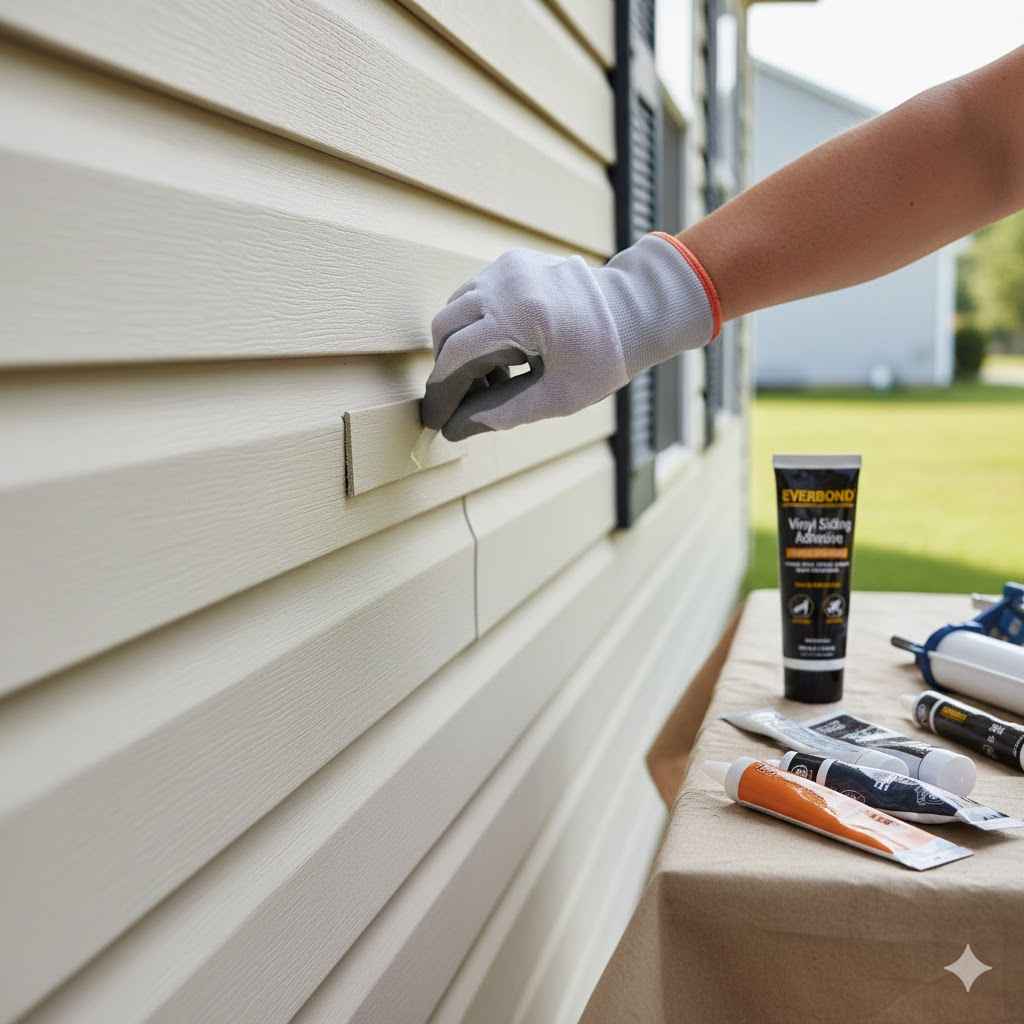
Best Adhesive for Patching Vinyl Siding
Patching vinyl siding might seem tricky at first, especially finding the right glue. Many people wonder what will actually stick well and last without peeling off. It can feel like a puzzle, but don’t worry!
We’ll make it super simple. This guide will show you exactly what you need and how to get that patch looking great. We’ll cover everything step-by-step so you can feel confident doing this job yourself.
Understanding Vinyl Siding Repair Adhesives
Vinyl siding is a popular choice for homes because it’s durable and easy to maintain. It’s made from PVC, which is a type of plastic. This material can withstand different weather conditions, which is great for keeping your home protected.
However, over time, vinyl siding can get damaged. Things like strong winds, hail, or even falling branches can cause cracks, holes, or dents. These damages aren’t just ugly; they can also let water into your home’s walls, leading to bigger problems like rot and mold.
Fixing these spots keeps your home looking good and prevents water damage, saving you money in the long run.
Key Properties of Vinyl Repair Adhesives
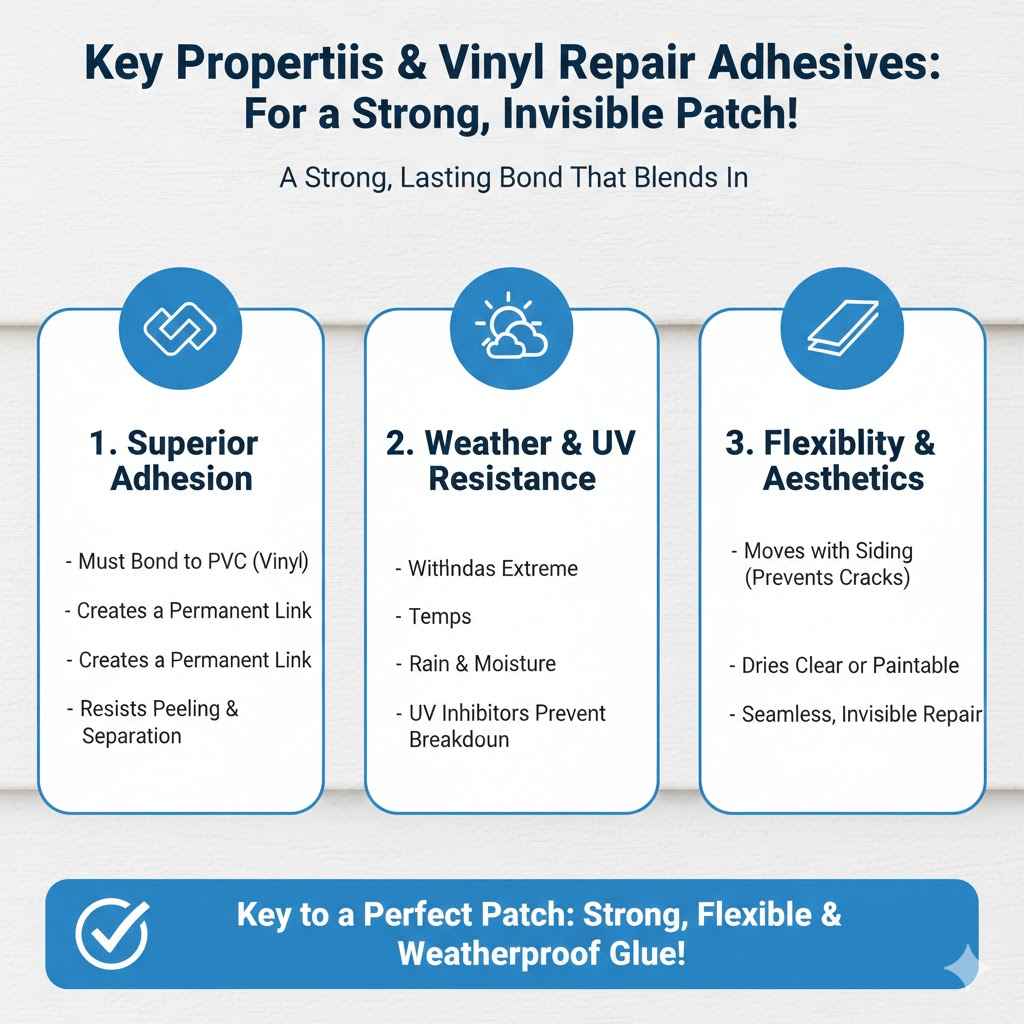
When you’re looking for the Best Adhesive for Patching Vinyl Siding, you need to think about a few important things. The glue must be able to stick really well to PVC, which is what vinyl siding is made of. It also needs to be tough enough to handle sun, rain, and temperature changes without breaking down.
Flexibility is another big deal. Vinyl siding can expand and contract with the weather, so the adhesive needs to move with it. If it’s too stiff, it will crack and fail.
Finally, you want it to look good. Many adhesives dry clear or can be painted to match your siding color, so the repair isn’t obvious. A good adhesive creates a strong, lasting bond that blends in.
Types of Adhesives for Vinyl Siding Repair
There are several kinds of glues you can use for vinyl siding repair. Silicone sealants are a common choice. They are very flexible and waterproof, which makes them great for outdoor use.
They can stick to many surfaces, including vinyl. Another option is specialized vinyl adhesives. These are made specifically for sticking to vinyl and often offer a very strong bond.
Some epoxy glues can also work, especially for larger or more serious repairs, but you need to make sure they are flexible enough. For smaller cosmetic fixes, certain construction adhesives designed for outdoor plastics might also do the job. It’s important to pick one that clearly states it’s safe for use on vinyl and suitable for exterior applications.
- Silicone Sealants: These are excellent for sealing gaps and cracks. They offer great flexibility, allowing for the natural expansion and contraction of vinyl siding. Their waterproof nature makes them ideal for exterior repairs, protecting against moisture. Many come in clear formulas that blend in easily.
- Vinyl Adhesives: These are formulated specifically to bond with PVC and other plastics. They generally provide a very strong and durable bond. Some vinyl adhesives are designed to withstand UV exposure and extreme temperatures, making them a reliable choice for siding repairs.
- Flexible Construction Adhesives: Some all-purpose construction adhesives include formulas that remain flexible after drying. Look for ones that specifically mention adhesion to plastics or vinyl. These can be good for attaching patch pieces securely.
- Epoxy Resins (Flexible Types): While some epoxies are rigid, flexible epoxy formulations exist. These can offer superior strength for more significant damage, but it’s crucial to choose a type that can handle the movement of vinyl without cracking.
How to Apply Adhesive to Patch Vinyl Siding
Preparing the Vinyl Siding Surface
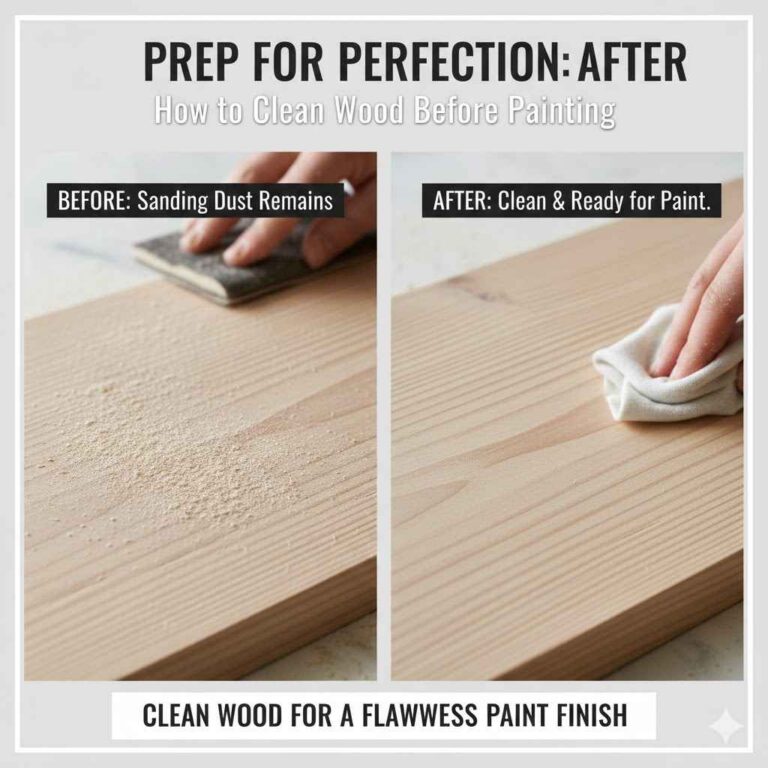
Before you apply any glue, you must get the area ready. First, clean the damaged spot very well. You want to remove all dirt, dust, grease, and any loose paint or old adhesive.
Use a mild soap and water solution. A soft brush can help scrub away grime. After washing, rinse the area thoroughly and let it dry completely.
A dry surface is key for the adhesive to stick properly. If there are any sharp edges from a crack or hole, you might want to lightly sand them smooth. This makes the patch fit better and the adhesive work more effectively.
A clean, dry, and smooth surface is the first step to a lasting repair.
Selecting the Right Patch Material
Choosing what to patch with is just as important as picking the right glue. You need something that will hold up outdoors and match your siding. Often, the best material to use is a scrap piece of the same vinyl siding you have.
If you don’t have scraps, you might be able to find a close color match at a hardware store. Some people also use a strong, UV-resistant outdoor plastic sheeting if they can’t find matching vinyl. The patch should be slightly larger than the damaged area, giving you enough surface to glue it down securely.
For very small holes, sometimes a strong waterproof tape designed for outdoor use can be a quick fix, but for a lasting repair, a glued patch is better.
Applying the Adhesive
Applying the adhesive correctly ensures a strong bond. Read the instructions on your chosen adhesive carefully. Most liquid adhesives and sealants are applied in a bead along the edges of the patch or the damaged area.
Use a caulking gun for tubes, or apply directly from the bottle for smaller containers. Don’t use too much glue; a moderate amount is usually best. Too much can squeeze out and look messy, while too little won’t create a good seal.
For epoxy, you’ll typically mix two parts together before applying. Make sure to apply it evenly to one surface, whether it’s the patch or the siding itself.
Securing the Patch
Once the adhesive is applied, it’s time to place the patch. Carefully align the patch over the damaged area. Press down firmly and evenly across the entire surface of the patch.
You want to make sure there are no air bubbles trapped underneath, as these can weaken the bond and allow moisture to get in. For best results, you might need to hold the patch in place for a few minutes. Some adhesives recommend using painter’s tape to hold the patch securely while the adhesive cures.
This is especially helpful for vertical surfaces. Check the adhesive’s instructions for recommended curing times.
Curing and Finishing Touches
After the patch is secured, it needs time to fully cure. Curing is the process where the adhesive hardens and reaches its maximum strength. This can take anywhere from a few hours to a full day or more, depending on the type of adhesive and the weather.
Avoid touching or putting stress on the patched area during this time. Once the adhesive has cured, you can clean up any excess glue that might have squeezed out. If your adhesive is paintable and you want to match the color perfectly, you can now paint the patched area.
Use an exterior-grade paint that adheres well to plastic. A well-cured and finished patch will blend in and provide lasting protection.
Factors to Consider for the Best Adhesive
Weather Resistance and Durability
For any outdoor repair, especially on your home’s exterior, weather resistance is super important. The Best Adhesive for Patching Vinyl Siding must be able to handle whatever the weather throws at it. This means it needs to be waterproof to stop rain from seeping in.
It also needs to be UV resistant, so the sun’s rays don’t break it down or cause it to fade and crack over time. Temperature fluctuations are also a big deal. The adhesive should remain strong and flexible whether it’s freezing cold or scorching hot outside.
A durable adhesive means your repair will last for years, not just a season.
Adhesion to Vinyl (PVC)
The most crucial factor is how well the adhesive sticks to vinyl, which is a type of plastic called PVC. Not all glues work well with PVC. Some glues can actually eat away at plastic or form a weak bond that peels off easily.
You need an adhesive that is specifically designed or known to bond well with PVC. This ensures a strong, lasting connection between the patch material and your existing siding. Always check the product label to make sure it lists vinyl or PVC as a compatible surface.
Getting this right means your repair won’t fail prematurely.
Flexibility and Expansion
Vinyl siding naturally expands when it’s hot and contracts when it’s cold. This movement is normal. If you use an adhesive that is too stiff, it will crack or pull away from the siding as the material shifts.
The best adhesives for vinyl siding are flexible. This means they can stretch and bend slightly along with the siding without breaking. A flexible adhesive creates a seal that can handle these movements, ensuring the patch stays in place and continues to protect your home.
This is vital for long-term durability and preventing future damage.
Drying Time and Curing Strength
The time it takes for an adhesive to dry and then fully cure is something to think about. Some adhesives dry to the touch very quickly, which is nice for holding things in place temporarily. However, full curing—when the adhesive reaches its strongest point—can take much longer.
For outdoor repairs, you need an adhesive that develops strong bonds over time. Check the product details for how long it takes to cure and what conditions are best for curing. Using the repair before it’s fully cured can lead to a weak bond that fails later.
Patience here leads to a much better result.
Appearance and Paintability
Once your siding is patched, you want it to look as good as possible. Some adhesives dry clear, which is great for making the repair almost invisible. If you’re using a colored patch, or if the siding itself is colored, you might want an adhesive that can be painted over.
This allows you to perfectly match the color of your siding. Check the product label to see if it’s paintable and what kind of paint works best with it. A repair that blends in enhances the overall look of your home.
Environmental Considerations
Think about the environment where you’ll be using the adhesive. Some adhesives work better in certain temperatures or humidity levels. For example, extremely cold or wet conditions might affect how well some glues adhere or cure.
Always check the product’s recommended application temperature range. Some products might also be sensitive to prolonged direct sunlight. Choosing an adhesive rated for exterior use and that specifies good performance in a range of weather conditions will help ensure it holds up over time, regardless of your local climate.
Comparing Popular Adhesive Options
Silicone vs. Vinyl-Specific Adhesives
Silicone sealants are a very common and often effective choice for patching vinyl siding. They are known for their excellent flexibility and waterproofing capabilities, making them ideal for outdoor use. Silicone can expand and contract with the siding, which is a huge plus.
However, some people find that certain types of silicone might not provide the absolute strongest bond compared to adhesives specifically formulated for vinyl. Vinyl-specific adhesives, on the other hand, are engineered to create a very powerful bond with PVC materials. They often offer superior strength and durability on vinyl.
The trade-off might be that some vinyl adhesives are less flexible than high-quality silicones, or they might not be as readily available as basic silicone sealants at every hardware store.
Flexible Epoxies and Their Use Cases
Epoxy resins are renowned for their incredible strength, but traditional epoxies can be very rigid. For vinyl siding repairs, you would need a flexible epoxy. These are designed to remain somewhat pliable after they cure, which allows them to move with the vinyl.
Flexible epoxies can be an excellent choice for filling larger holes or reattaching larger sections of damaged siding where maximum structural integrity is needed. They often create a very robust bond that can withstand significant stress. The downside is that they can sometimes be more challenging to mix and apply correctly, and they might dry to a color that doesn’t blend as well as a clear silicone or a paintable adhesive.
Always ensure the epoxy is specifically labeled as flexible and suitable for plastics.
DIY-Friendly Options
For most homeowners, finding a DIY-friendly adhesive is a top priority. This means something easy to apply without special tools or complicated mixing procedures. Many silicone sealants and specialized vinyl adhesives come in easy-to-use tubes or bottles with applicator tips, making them very user-friendly.
Construction adhesives that are designed for outdoor use and bond to plastics are also generally straightforward to apply with a caulking gun. The goal is to find something that provides a strong hold but doesn’t require advanced skills or equipment. Simple application means fewer mistakes and a more successful repair for the average person.
| Adhesive Type | Pros | Cons | Best For |
|---|---|---|---|
| Silicone Sealant | Very flexible, waterproof, easy to apply, widely available. | Bond strength might be less than specialized vinyl adhesives for some types. | Sealing cracks, small holes, general outdoor repairs. |
| Vinyl-Specific Adhesive | Strongest bond to vinyl, durable, often UV resistant. | Can be less flexible than silicone, availability may vary. | Attaching patch pieces, more demanding repairs requiring strong adhesion. |
| Flexible Epoxy | Very strong bond, durable, good for larger damage. | Can be more difficult to apply, mixing required, color may not blend. | Filling larger holes, structural repairs where maximum strength is needed. |
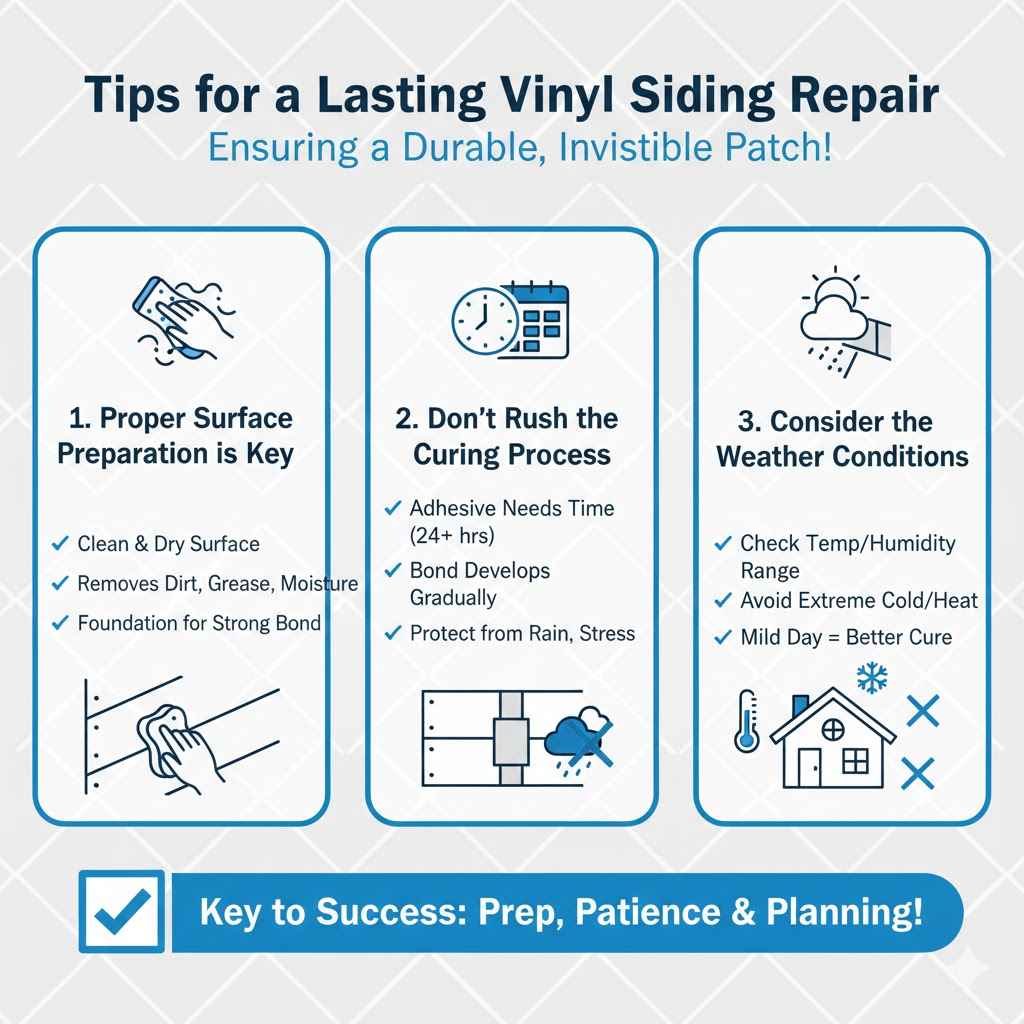
Tips for a Lasting Vinyl Siding Repair
Proper Surface Preparation is Key
We can’t stress this enough: preparing the surface properly is the single most important step for any repair. If you skip cleaning and drying the vinyl thoroughly, your adhesive won’t stick well. Dirt, grease, or moisture act as barriers, preventing the glue from forming a strong bond.
Take your time with this part. A clean, dry, and slightly roughed-up surface (if recommended by the adhesive) will make all the difference in how long your patch lasts. It’s the foundation for a successful repair.
Don’t Rush the Curing Process
The adhesive needs time to reach its full strength. Think of it like baking a cake; you can’t take it out of the oven too early. Many adhesives require 24 hours or even longer to fully cure.
During this time, the bond is still developing. If you put stress on the patched area too soon, you could weaken the bond or even break it. Protect the repaired area from rain, wind, or any impact until the manufacturer says it’s fully cured.
This patience will pay off with a repair that stands the test of time.
Consider the Weather Conditions
Always apply adhesives in the right weather. Most products have a recommended temperature range for application. Applying them when it’s too cold, too hot, or too humid can affect how well they stick and cure.
For instance, applying an adhesive on a very humid day might trap moisture, weakening the bond. Similarly, if it’s freezing, the adhesive might not cure properly. Check the weather forecast and plan your repair for a day with mild temperatures and low humidity if possible.
This ensures the adhesive can do its job effectively.
Test a Small Area If Unsure
If you’re using a new type of adhesive or you’re not sure how it will perform on your specific vinyl siding, it’s a smart idea to test it first. Find a small, inconspicuous area on your siding, or use a spare piece of vinyl if you have one. Apply a small amount of the adhesive and let it cure completely.
Then, try to peel it off or scratch it. This quick test can show you if the adhesive bonds well and if it causes any discoloration or damage to the vinyl. It’s a simple way to avoid bigger problems later.
Seal Edges for Maximum Protection
When you’re attaching a patch, pay close attention to sealing the edges of the patch. This is where water is most likely to get in. Apply a thin bead of a flexible, waterproof sealant (like silicone) around the outer edge of the patch after you’ve glued it down.
This creates an extra barrier against moisture and helps to further secure the patch. Make sure the sealant is compatible with your adhesive and the vinyl. This step adds an extra layer of protection and ensures your repair is truly weatherproof.
Frequently Asked Questions
Question: What is the best type of adhesive for fixing a hole in vinyl siding?
Answer: For fixing a hole, a strong vinyl-specific adhesive or a flexible epoxy is often best. You’ll also need a piece of vinyl for the patch. For sealing cracks, a flexible silicone sealant is a great option.
Question: Can I use regular super glue on vinyl siding?
Answer: Super glue (cyanoacrylate) is usually not recommended for vinyl siding. It can be brittle, not very waterproof, and may damage or discolor some types of plastic. You need adhesives designed for outdoor use and plastics.
Question: How do I make the patch blend in with my siding color?
Answer: Ideally, use a patch made from the same vinyl siding material. If that’s not possible, find a close color match. Some adhesives are paintable, allowing you to color-match after the adhesive cures.
Clear silicone can also help blend the repair.
Question: How long does it take for vinyl siding adhesive to cure?
Answer: Curing times vary greatly by product. Some dry to the touch in a few hours, but full strength often takes 24 to 72 hours, or even longer in cold or damp conditions. Always check the product instructions.
Question: Is it better to use a liquid adhesive or a tape for vinyl siding repair?
Answer: For most repairs, a liquid adhesive is more durable and creates a stronger, longer-lasting bond than tape. While some strong outdoor tapes can be a temporary fix, adhesives are generally recommended for permanent repairs.
Summary
Finding the Best Adhesive for Patching Vinyl Siding ensures a lasting fix. Focus on products designed for vinyl, offering flexibility and weather resistance. Proper surface prep, careful application, and allowing full cure time are crucial.
Choose the right patch material and consider appearance for a seamless repair. With the right approach, you can easily fix your siding.