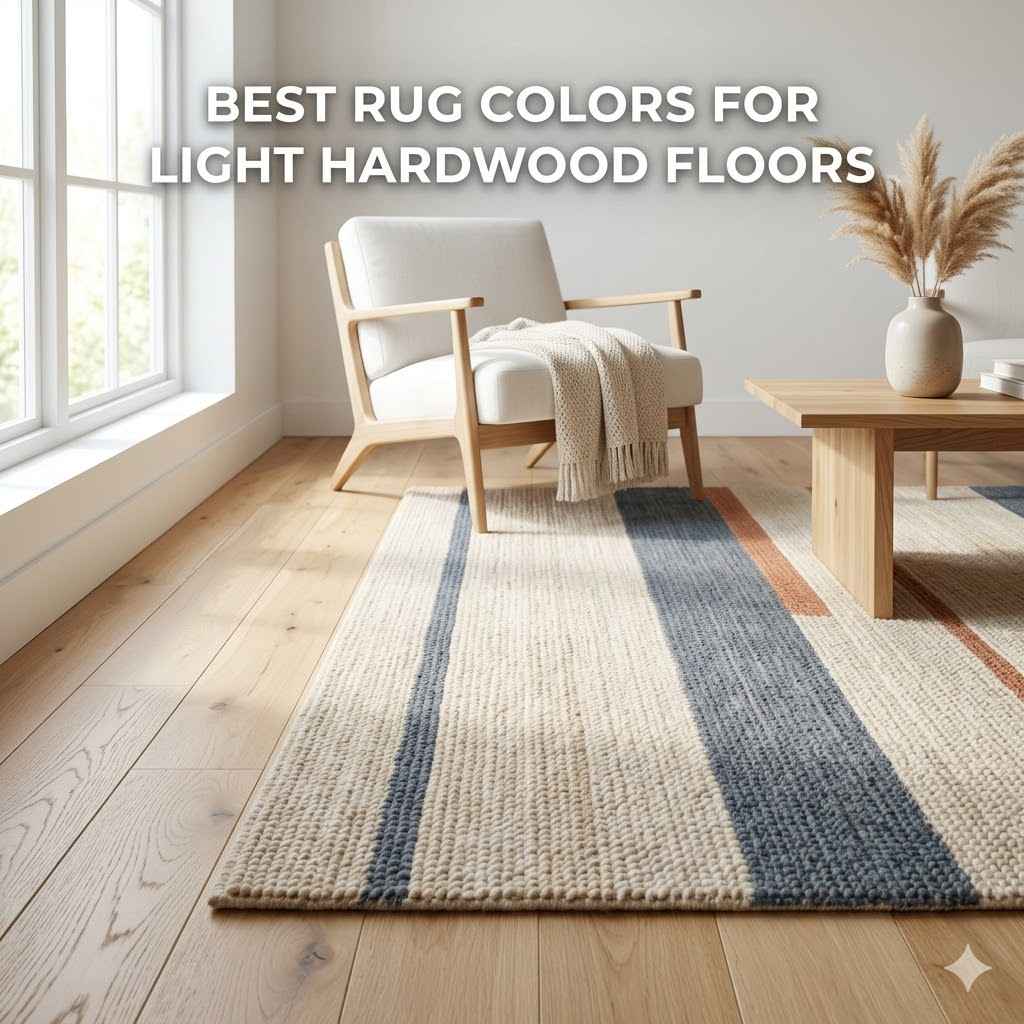
Best Rug Colors For Light Hardwood Floors
Choosing the right rug color can make a big difference in how your home looks and feels. For folks with light hardwood floors, picking out the Best Rug Colors for Light Hardwood Floors can sometimes feel a little tricky. You want something that looks good but also works well with your flooring.
Don’t worry, it’s easier than you think! We’ll walk through some simple ideas to help you find the perfect rug. Get ready to see how a great rug can really tie your room together.
Choosing Colors That Complement Light Hardwood Floors
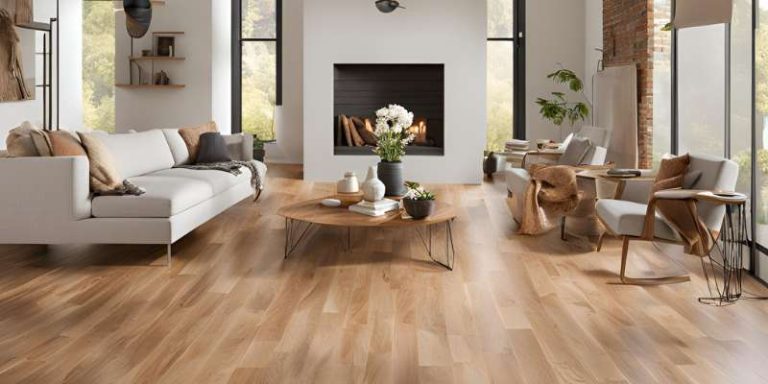
Selecting the right rug colors is essential for making your light hardwood floors shine. Light wood floors offer a bright and airy foundation for any room. They are like a blank canvas, allowing a wide range of rug colors to work beautifully.
The key is to pick shades that either contrast nicely or harmonize with the wood’s natural tones. This can create visual interest and define different zones within a space. Many people find this part a bit challenging because they want to avoid a look that’s too bland or too busy.
The natural beauty of light hardwood floors, like maple, birch, or ash, is their subtle warmth and understated elegance. They reflect light well, making rooms feel larger and more open. When choosing rug colors, consider the undertones of your wood.
Most light woods have yellow, red, or sometimes even gray undertones. Matching your rug to these undertones can create a cohesive and inviting atmosphere. Conversely, a strong contrast can add a dramatic flair.
This section will explore the various color families that work best. We’ll look at how different shades can impact the mood of your room. You’ll learn about popular choices and why they are so effective.
We’ll also touch upon the psychological effects of color and how they influence your living space. Thinking about these elements helps you make informed decisions that will enhance your home’s overall aesthetic appeal.
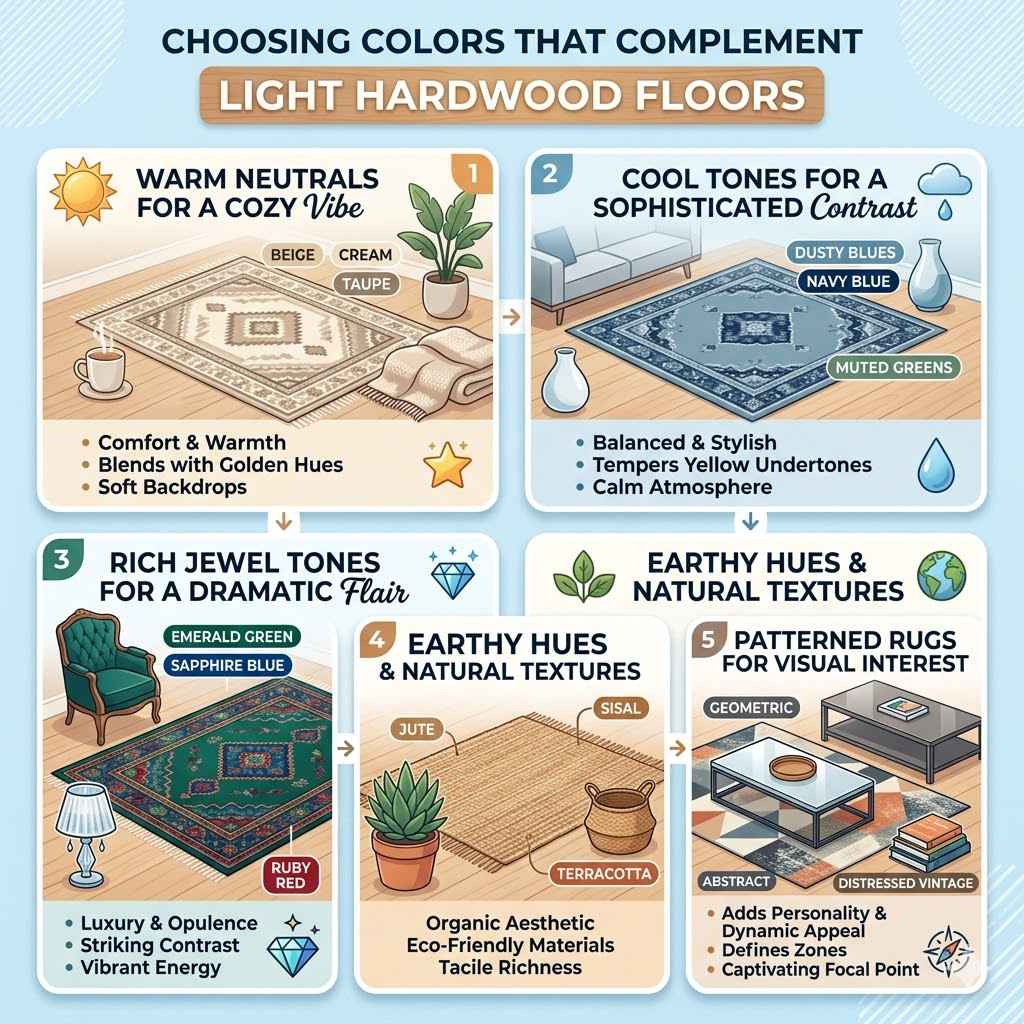
Warm Neutrals For A Cozy Vibe
Warm neutral rug colors are a fantastic choice for light hardwood floors. These shades offer a sense of comfort and warmth, creating a cozy and inviting atmosphere. They blend seamlessly with the natural tones of light wood, providing a soft backdrop that doesn’t overpower the floor.
Think about colors like beige, cream, taupe, and soft greys with warm undertones. These colors are versatile and can suit many decorating styles, from modern to traditional. A cream rug with a subtle texture can add depth and dimension without introducing a strong color.
Beige rugs echo the golden hues often found in light woods, making the room feel grounded and peaceful.
A taupe rug can bridge the gap between gray and brown, offering a sophisticated and earthy feel. For those who love a touch of warmth, consider a rug with a subtle hint of blush or peach. These can bring out the rosy undertones in some light woods.
The goal is to create a harmonious blend, making the room feel cohesive and serene.
Beige: A classic choice that complements almost any decor. Beige rugs can range from pale sand to deeper sand tones. They bring a natural, earthy feel to a space, making it feel more relaxed and inviting. A light beige rug can brighten a room, while a slightly darker beige can add a sense of depth. Many beige rugs feature subtle patterns or textures that add visual interest without being overwhelming. This makes them ideal for high-traffic areas where bold patterns might show wear more easily.
Cream: Cream offers a soft, luxurious feel. It’s lighter than beige and can make a room feel airier and more spacious. Cream rugs are perfect for bedrooms and living rooms where a sense of calm is desired. They also act as a beautiful, neutral base that allows other decor elements, like artwork or accent pillows, to stand out. Some cream rugs have a subtle sheen, which can add a touch of elegance to the space.
Soft Greys with Warm Undertones: Unlike stark cool grays, these have hints of brown or beige that make them feel warmer and more approachable. They provide a modern yet comforting look. These grey rugs can balance the yellowness often present in light woods, creating a sophisticated, neutral palette. A warm grey can feel as cozy as beige but with a more contemporary edge.
Cool Tones For A Sophisticated Contrast
Cool-toned rugs can offer a stunning contrast to the warmth of light hardwood floors. While light woods often have warm undertones, introducing cool colors like blues, grays, and even some muted greens can create a balanced and sophisticated look. This contrast adds visual interest and can make the wood tones pop.
Blues, in particular, are a popular choice. Think about soft, dusty blues, deep navy, or even teal. These colors can bring a sense of calm and serenity to a room.
A muted blue rug can feel very grounding, while a brighter teal can add a touch of vibrancy. Cool grays, especially those with subtle blue or lavender undertones, can also look very chic against light wood.
Consider how these colors will interact with the light in your room. A cool-toned rug can help to temper any overly yellow or orange tones in the wood, creating a more balanced aesthetic. This can be especially effective in rooms that receive a lot of direct sunlight.
The goal here is to create a refreshing and elegant space that feels both inviting and stylish.
Dusty Blues: These soft, muted blues bring a sense of tranquility and elegance. They pair beautifully with the natural tones of light wood, offering a gentle contrast that feels calming. Dusty blues can range from pale sky blue to a slightly more grayish shade. They are excellent for bedrooms, living rooms, or even home offices. They don’t compete with the flooring but enhance its natural beauty.
Navy or Deep Blue: For a bolder statement, navy or deep blue rugs provide a dramatic contrast. They ground the space and add a sense of luxury and depth. A navy rug can make light hardwood floors feel richer and more substantial. This is a great option for dining rooms or living areas where you want to create a strong focal point.
Muted Greens: Think sage green, olive green, or a soft seafoam. These colors connect the room to nature and can bring a sense of peace and freshness. Muted greens work exceptionally well with the organic feel of wood. They offer a subtle yet distinct color that complements the light, airy quality of the floors.
Rich Jewel Tones For A Dramatic Flair
For those who love a touch of luxury and drama, rich jewel tones are an excellent choice for rugs on light hardwood floors. Colors like emerald green, sapphire blue, ruby red, and deep amethyst can add a vibrant and opulent feel to any room. These bold colors create a striking contrast that can make your light wood floors appear even more beautiful.
Jewel tones are known for their depth and intensity. They can transform a space from simple to sophisticated with ease. When used on light hardwood, they don’t compete with the floor but rather make it look more elegant.
A deep emerald green rug, for instance, can bring the richness of nature indoors, creating a lush and inviting environment.
Sapphire blue rugs can evoke a sense of calm and regality, while ruby red or deep burgundy can add warmth and passion. Amethyst or deep purple can lend an air of mystery and artistic flair. The key is to use these colors thoughtfully.
They work best as a focal point, so consider balancing them with more neutral decor elements elsewhere in the room. This ensures the rug and the floors are both appreciated.
Emerald Green: Evokes luxury and nature. An emerald green rug on light hardwood floors creates a sophisticated and earthy feel. It’s like bringing a lush forest into your home. This color works well in living rooms or dining rooms. It can add a vibrant splash of color without being overwhelming, especially when paired with neutral furniture.
Sapphire Blue: This deep, rich blue exudes elegance and tranquility. A sapphire blue rug offers a strong yet calming contrast to light wood. It’s ideal for bedrooms where a serene atmosphere is desired, or for living areas that need a touch of regal charm. Its depth can make the light wood appear warmer and more inviting.
Ruby Red or Burgundy: These warm, passionate colors can make a room feel cozy and inviting. A ruby red or deep burgundy rug adds a sense of energy and warmth, especially against cooler-toned light woods. They are perfect for creating a focal point in a living room or adding a touch of romance to a bedroom.
Earthy Hues And Natural Textures
Earthy hues and natural textures offer a grounded and organic aesthetic that pairs beautifully with light hardwood floors. These choices bring a sense of calm and connection to nature, creating a warm and inviting living space. They often feature subtle color variations and tactile qualities that add depth and character.
Think about colors inspired by the natural world: sandy beiges, soft browns, muted olives, and terracotta. These tones complement the natural wood of your floors, creating a harmonious and cohesive look. Natural fibers such as jute, sisal, wool, and cotton are excellent choices for rugs.
They not only provide beautiful textures but are also eco-friendly and durable.
A jute rug, with its characteristic woven texture and natural light brown color, can enhance the organic feel of light wood floors. Wool rugs, especially those in natural undyed colors or with subtle flecks of different shades, add warmth and comfort. The tactile nature of these rugs invites touch and adds a layer of richness to the room’s design.
They are perfect for creating a relaxed and comfortable environment.
Jute and Sisal: These natural fiber rugs offer a beautiful, textured look. Their earthy tones and organic weave complement light hardwood floors perfectly. They bring a casual, coastal, or bohemian vibe to a room. Jute and sisal are durable and add a layer of warmth and sound absorption. Their natural variations in color and weave create visual interest.
Terracotta and Earthy Browns: These colors evoke warmth and stability. A terracotta rug can add a touch of rustic charm, while deeper earthy browns can ground the space. They work wonderfully with the natural tones of light wood, creating an inviting and grounded atmosphere. These shades are especially effective in bringing warmth to cooler-toned light woods.
Natural Wool Fibers: Wool rugs in their natural, undyed colors offer subtle variations and a luxurious feel. They are soft underfoot and add significant warmth and coziness to a room. The natural fibers have inherent beauty and durability. A wool rug in a cream, oatmeal, or light brown shade can be the perfect addition for comfort and style.
Patterned Rugs For Visual Interest
Patterned rugs can be a fantastic way to add visual interest and personality to a room with light hardwood floors. While solid colors offer a clean look, patterns introduce energy, texture, and style. The key is to choose patterns that complement rather than compete with the natural beauty of your floors.
When selecting a patterned rug, consider the scale of the pattern and the colors used. For light wood floors, patterns that incorporate lighter shades of beige, cream, grey, or soft blues can tie in beautifully. These colors provide a sense of continuity while the pattern adds dynamic appeal.
Geometric patterns, abstract designs, or even subtle traditional motifs can all work well. A rug with a bold geometric pattern can add a modern touch, while a distressed traditional pattern can offer a vintage charm. The contrast between the intricate pattern and the smooth surface of light hardwood floors can create a captivating focal point in your room.
Geometric Patterns: These offer a modern and clean aesthetic. Think stripes, diamonds, or chevrons in coordinating colors. A geometric rug can define a seating area or add a playful touch to a hallway. For light wood floors, geometric patterns in navy, grey, or even a muted gold can create a striking yet balanced look.
Abstract Designs: Abstract patterns offer artistic flair and a sense of movement. They can be bold and vibrant or subtle and understated. An abstract rug can add a contemporary feel and unique personality to a room. Look for patterns that incorporate colors found in your decor for a cohesive look.
Distressed or Vintage Patterns: These patterns offer a touch of history and character. They often feature softened colors and a slightly worn look, which can be perfect for creating a cozy, lived-in feel. A distressed oriental or Persian rug can add warmth and a sense of timeless elegance to light wood floors.
How To Choose The Right Size And Placement
Selecting the correct size and placing your rug thoughtfully is just as important as choosing the right color. A rug that is too small can make a room feel disjointed, while one that is too large can overwhelm the space. Proper placement helps to define areas, improve acoustics, and create a sense of flow.
Consider the function of the room. In a living room, a common guideline is to have at least the front legs of your furniture sitting on the rug. This anchors the seating area and makes it feel more cohesive.
In a bedroom, the rug should ideally be large enough to extend at least 18-24 inches beyond each side of the bed.
For hallways or entryways, runners are ideal. They guide the eye and protect the floor from foot traffic. Remember that light hardwood floors are beautiful on their own, so the rug should enhance, not hide, their natural charm.
Think about the overall balance and proportion of the room when making these decisions.
Sizing Guidelines For Different Rooms
Getting the rug size right is crucial for achieving a balanced and inviting space. The dimensions of your room and the furniture arrangement will dictate the best rug size. Using too small a rug can make your furniture appear to be floating and can make the room feel smaller.
Conversely, a rug that is too large can make the room feel cramped.
In living rooms, aim for a rug that is large enough to accommodate the front legs of your main seating pieces, such as sofas and armchairs. This creates a unified conversation area. A common size for living rooms is 8×10 feet or 9×12 feet, but this can vary significantly.
If you have a smaller living area, a 5×8 foot rug might work, ensuring at least the coffee table and front legs of seating are on it.
For dining rooms, the rug should be large enough so that all dining chairs can be pulled out and remain on the rug. A good rule of thumb is to add about 24 inches to each side of your dining table. This ensures comfort and prevents chairs from catching on the rug’s edge.
Living Rooms: For larger living rooms, consider an 8×10 or 9×12 foot rug. This allows for at least the front legs of sofas and chairs to rest on the rug, grounding the seating area. If your living room is smaller, a 5×8 foot rug might suffice, ensuring it covers the coffee table and the front legs of the main seating furniture.
Dining Rooms: The rug should be large enough to accommodate your dining table and chairs. Measure your table and add at least 2 feet to each side. This ensures that when chairs are pulled out for seating, they remain on the rug. A common size for a dining room rug is 6×9 or 8×10 feet, depending on the table size.
Bedrooms: In bedrooms, the rug should extend beyond the sides and foot of the bed. For a king or queen-size bed, a 9×12 foot rug is often ideal, allowing for ample space around the bed. Alternatively, two smaller rugs can be placed on either side of the bed, extending from the nightstands to the edge of the bed.
Placement Strategies For Defining Spaces
The placement of your rug can dramatically influence the perception of space and the overall flow of your home. A well-placed rug can anchor furniture, define functional zones, and guide the eye through a room.
In open-plan living spaces, rugs are invaluable tools for separating different areas. For example, a large rug can clearly delineate the living room seating area from a dining space or a home office nook. This helps to create distinct zones without the need for walls or dividers.
Consider traffic patterns when placing a rug. Ensure that walkways are not obstructed and that the rug doesn’t create a tripping hazard. In hallways, runners are excellent for adding warmth and protecting the floor from wear and tear.
Centering a runner in the hallway creates a sense of order and visual appeal.
Living Area Anchor: Place the rug so that at least the front legs of your sofa and accent chairs are on it. This creates a cohesive and inviting seating arrangement. The rug acts as a central element, drawing the furniture together. Ensure there’s a consistent border of flooring visible around the edges of the rug.
Hallway Definition: Use runners to add color, pattern, and comfort to hallways. Position the runner so it is centered within the hallway, with a few inches of flooring visible on either side. This creates a sense of flow and adds visual interest to often-overlooked spaces.
Defining Open Spaces: In open-concept homes, use rugs to visually separate different functional areas. For example, place a rug under your dining table and chairs to create a distinct dining zone, and another under your sofa and coffee table to define the living area. This creates distinct rooms within a larger space.
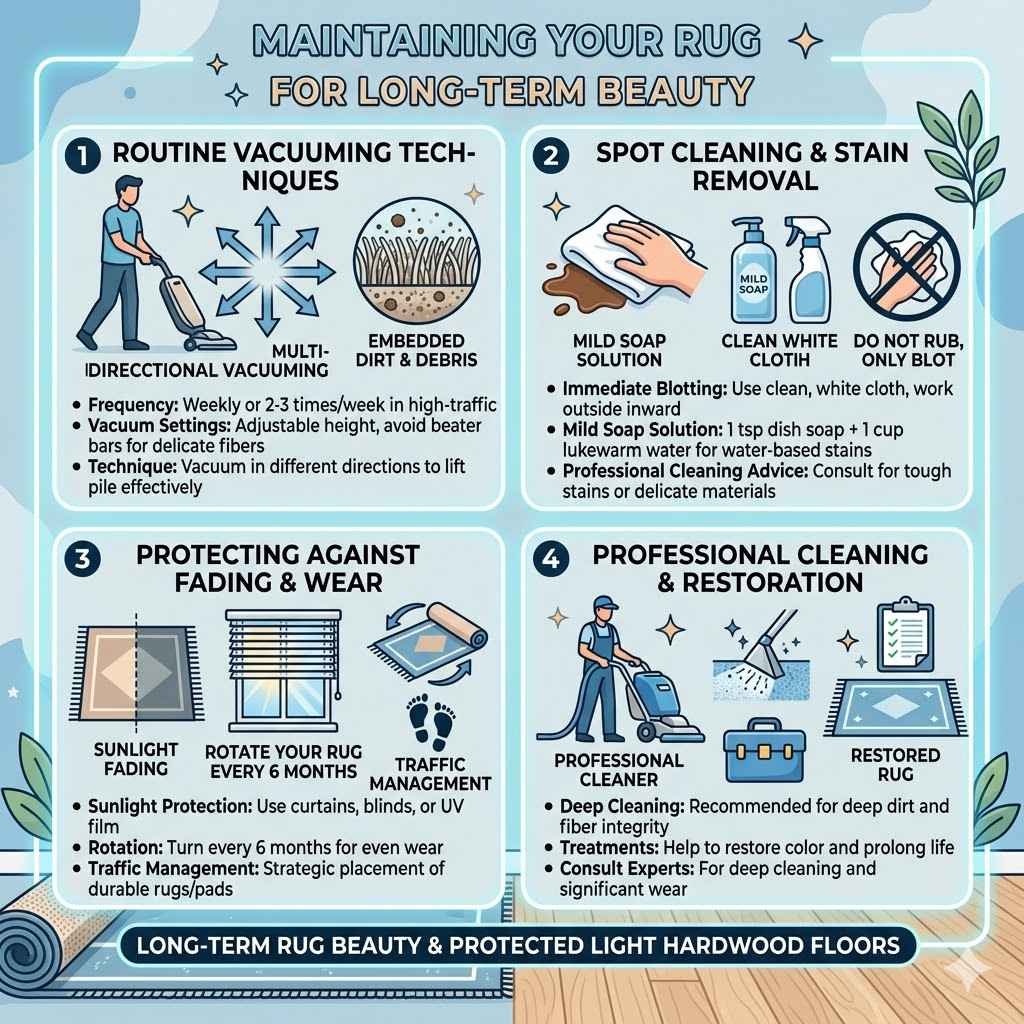
Maintaining Your Rug For Long-Term Beauty
Keeping your rug looking its best is essential to maintain the beauty of your light hardwood floors and your overall home decor. Regular maintenance will prolong the life of your rug and keep it looking fresh and vibrant.
Routine cleaning is key. This includes regular vacuuming to remove dust, dirt, and debris. Vacuuming not only keeps the rug clean but also helps to prevent grit from being ground into the fibers, which can cause wear over time.
Be sure to vacuum in different directions to lift the pile effectively.
For spills and stains, immediate attention is crucial. Blotting, rather than rubbing, is the best approach. Different rug materials may require specific cleaning methods, so it’s always wise to check the manufacturer’s care instructions.
Protecting your rug from excessive sun exposure can also prevent fading, especially with lighter colors.
Regular Vacuuming Techniques
Consistent vacuuming is the most important step in rug maintenance. It removes surface dirt and prevents finer particles from settling deep into the rug fibers, which can cause premature wear and dullness. For light hardwood floors, a rug that is well-maintained will continue to enhance their natural beauty.
Vacuum your rug at least once a week, and more often in high-traffic areas. Use a vacuum cleaner with adjustable height settings and avoid those with beater bars that can damage delicate rug fibers. If your vacuum has a setting for hard floors or can be turned off, use that to protect your rug.
When vacuuming, go over the rug in multiple directions. This helps to lift the pile and remove embedded dirt more effectively. For rugs with a long pile or a shag texture, consider using a vacuum with good suction and no beater bar, or a specialized shag rug attachment.
Frequency: Vacuum your rugs at least once a week. In homes with pets or children, or in areas with heavy foot traffic, vacuuming two to three times a week is recommended. This consistent cleaning prevents dirt from becoming deeply embedded.
Vacuum Settings: Use the appropriate settings on your vacuum cleaner. For most rugs, a setting that lifts the pile without being too aggressive is ideal. Avoid using beater bars on delicate rugs, as they can cause damage and fraying. If possible, use a vacuum with adjustable height or a setting specifically for carpet/rugs.
Technique: Vacuum in multiple directions to ensure thorough cleaning. Go both with and against the direction of the pile. This helps to lift dirt and debris that may be trapped deep within the fibers. For patterned rugs, vacuuming with the pile can sometimes make the pattern appear richer.
Spot Cleaning And Stain Removal
Accidents happen, and prompt, effective spot cleaning is essential for keeping your rug looking its best. The key is to act quickly and use the right methods to avoid setting stains or damaging the rug fibers.
For fresh spills, the first step is always to blot up as much of the liquid as possible with a clean, white cloth or paper towels. Avoid rubbing, as this can spread the stain and push it deeper into the fibers. Work from the outside of the stain inward.
Different types of stains may require different treatments. For water-based stains, a mixture of mild dish soap and water can be effective. For grease or oil stains, you might need a solvent-based cleaner or even baking soda to absorb the oil.
Always test any cleaning solution on an inconspicuous area of the rug first to ensure it doesn’t cause discoloration.
Immediate Blotting: For any spill, the immediate action should be to blot the area with a clean, dry cloth or paper towels. Press firmly to absorb as much of the liquid as possible. Do not rub, as this can spread the stain and damage the rug fibers.
Mild Soap Solution: For most water-based stains, a solution of one teaspoon of mild dish soap (like Dawn) mixed with one cup of lukewarm water can be effective. Apply sparingly with a clean cloth, blot, and then rinse by blotting with a cloth dampened with plain water.
Professional Cleaning Advice: For stubborn stains or if you’re unsure about the best cleaning method for your specific rug material, consult a professional carpet and rug cleaner. They have the expertise and specialized products to handle tough stains without damaging your rug.
Protecting Against Fading And Wear
Light hardwood floors can be beautiful, but they also need to be complemented by rugs that are protected from fading and wear. Prolonged exposure to direct sunlight can cause rug colors to fade over time, making them appear dull and washed out. Similarly, high-traffic areas can lead to premature wear and damage.
To prevent fading, consider rotating your rug periodically. This ensures that different parts of the rug are exposed to light equally, leading to more even wear and color retention. You can also use window treatments, such as blinds or curtains, to filter direct sunlight during peak hours.
For areas that experience heavy foot traffic, such as entryways or living room pathways, consider using rugs made from durable materials. Placing a smaller, more durable rug or mat in these high-traffic zones can protect your main rug underneath. Regular cleaning also contributes to reducing wear by removing abrasive particles.
Sunlight Protection: Use curtains, blinds, or UV-filtering window films to reduce direct sunlight exposure on your rug. Rotating your rug every six months can also help to ensure even fading, making it less noticeable.
Traffic Management: In very high-traffic areas, consider using a rug pad to add an extra layer of cushioning and protection. You can also strategically place smaller, more durable mats or rugs in these zones to absorb the brunt of the wear.
Professional Cleaning and Restoration: For deep cleaning or to address significant wear and tear, consider professional cleaning services. They can often perform treatments that help to restore color and fiber integrity, extending the life of your rug.
FAQs About Rugs For Light Hardwood Floors
Frequently Asked Questions
Question: What are the best neutral rug colors for light hardwood floors?
Answer: Warm neutrals like beige, cream, and soft taupe are excellent. They create a cozy feel and complement the natural wood tones beautifully. Greys with warm undertones also work well to provide a sophisticated contrast.
Question: Can I use a dark-colored rug on light hardwood floors?
Answer: Yes, dark-colored rugs can create a striking contrast and add a sense of drama. Navy, charcoal grey, or deep jewel tones like emerald or sapphire can make light hardwood floors stand out elegantly.
Question: What about patterned rugs? Are they a good choice?
Answer: Patterned rugs can add personality and visual interest. Look for patterns that incorporate colors that match your decor and complement the light wood, such as geometric designs or distressed traditional motifs.
Question: How do I prevent my rug from fading on light hardwood floors?
Answer: Protect your rug from direct sunlight by using window treatments and rotating the rug periodically. This ensures even wear and helps prevent colors from fading unevenly.
Question: What is the best size rug for a living room with light hardwood floors?
Answer: For most living rooms, a rug large enough to have the front legs of your sofa and chairs on it is ideal. Common sizes are 8×10 or 9×12 feet, but measure your space and furniture to ensure the best fit.
Summary
Choosing the best rug colors for light hardwood floors involves balancing contrast and harmony. Warm neutrals offer coziness, while cool tones provide sophistication. Jewel tones add drama, and earthy hues bring nature indoors.
Remember to consider rug size and placement for a balanced look. Regular cleaning and protection will keep your rug beautiful for years.