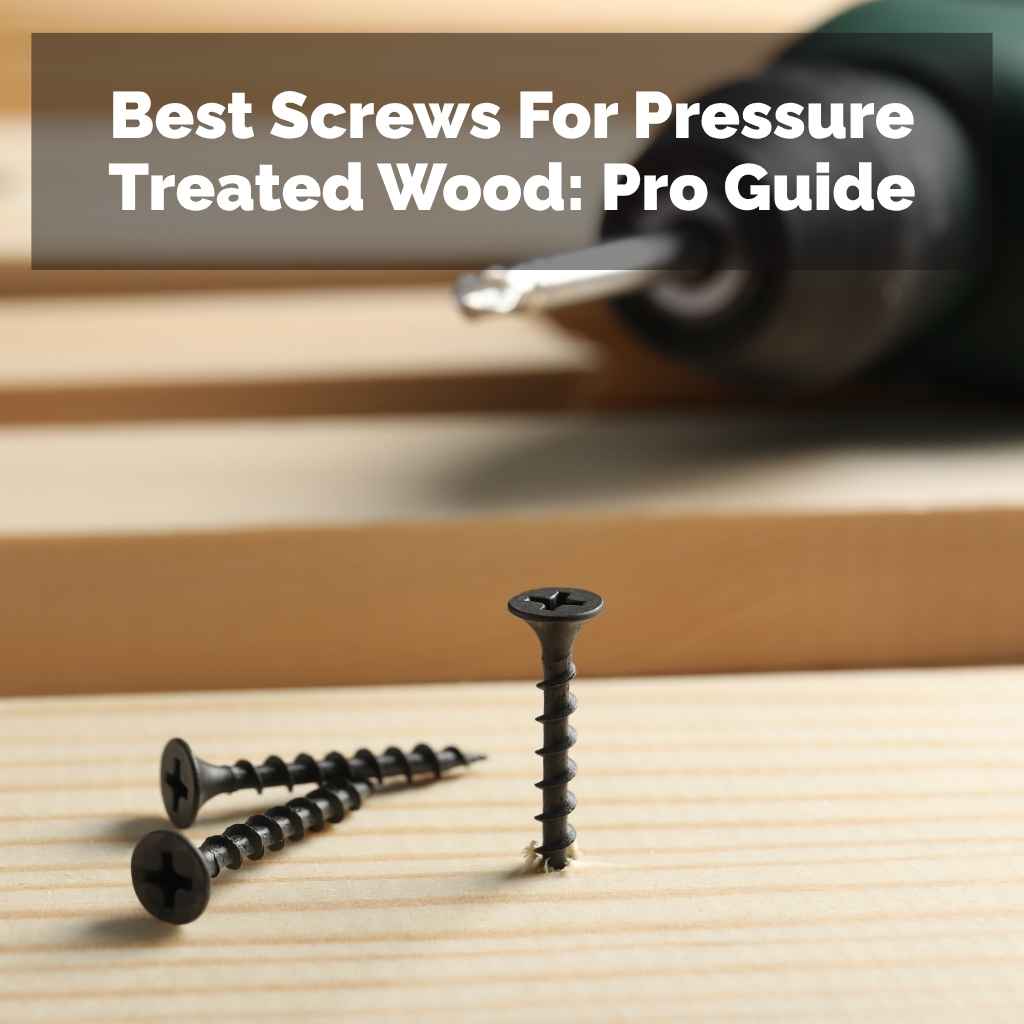
Best Screws For Pressure Treated Wood: Pro Guide
Picking the right screws for pressure-treated wood can feel tricky. You want things to last and stay strong, but there are so many options! Many people worry about their projects falling apart or the screws rusting away.
Don’t fret! We’ll walk through it step-by-step to make it simple. Let’s get your project built right with the Best Type of Screws for Pressure Treated Wood: Pro Guide.
Choosing The Best Screws For Pressure Treated Wood
Selecting the correct screws for pressure-treated lumber is super important for the safety and look of any outdoor project. Pressure-treated wood uses chemicals to stop rot and bugs, but these chemicals can react with the wrong kind of metal. This reaction can cause screws to corrode, weaken, and even stain the wood.
Using the proper screws means your deck, fence, or garden bed will stand up to weather and last a long time.
We will explore the key factors that make a screw suitable for this job. This includes understanding the types of coatings and materials that resist corrosion. We’ll also talk about the screw’s design and how it grips the wood.
This guide aims to give you the confidence to pick the perfect screws every time. Let’s make sure your outdoor projects are built to last and look great.
Understanding Pressure Treated Wood Chemicals
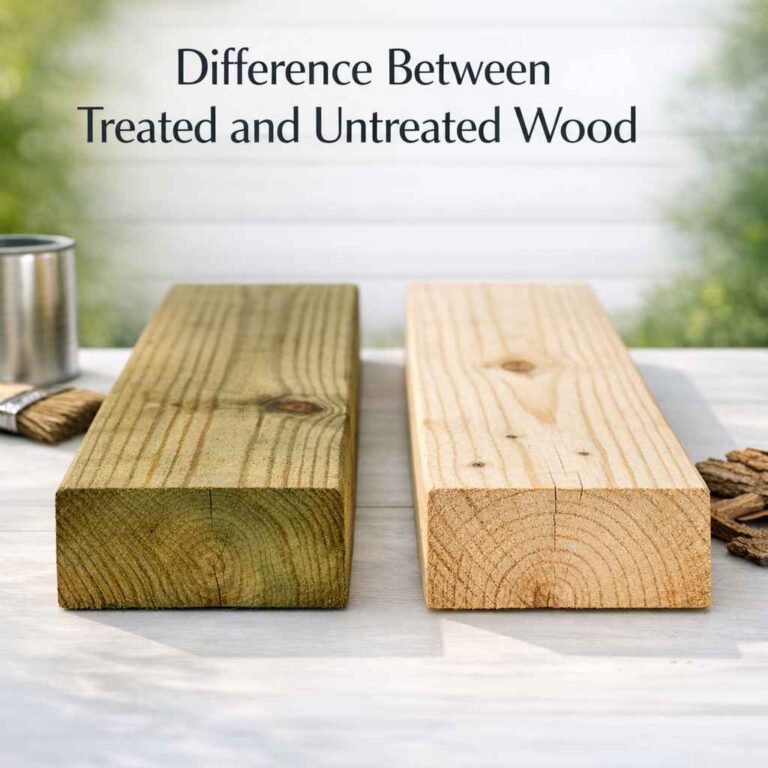
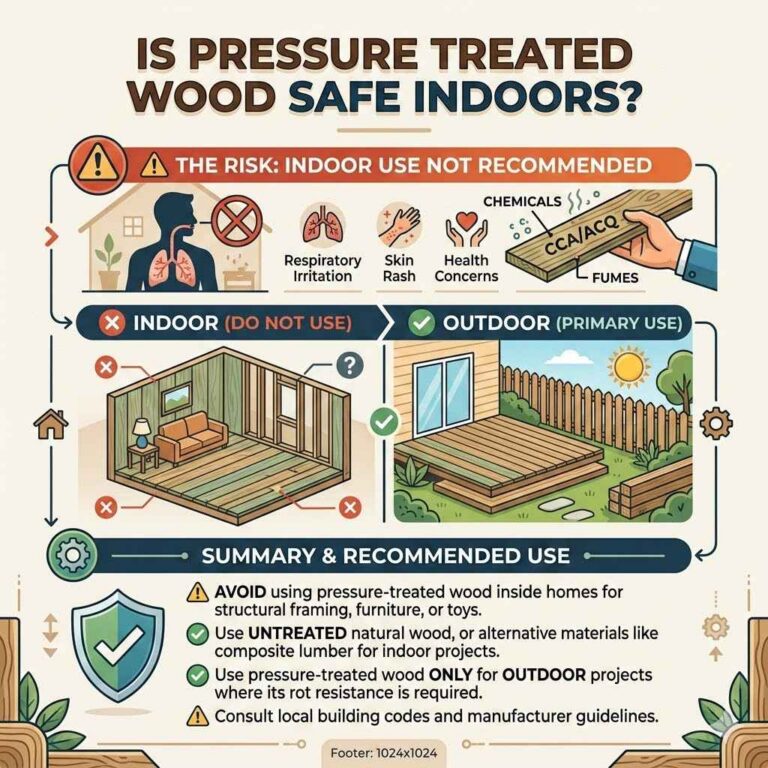
Pressure-treated wood is soaked with chemicals to protect it from decay and insect damage. This process makes the wood great for outdoor use, like decks and fences. However, these treatment chemicals, especially older types, can be corrosive.
Newer treatments are better but can still affect certain metals. Knowing what’s in the wood helps us pick screws that won’t get ruined.
Older treatments often contained chromated copper arsenate (CCA). CCA is very effective but can react strongly with metals. Modern treatments, like alkaline copper quaternary (ACQ) and copper azole (CA), are safer.
Even these newer treatments are still more corrosive than untreated wood. They release acidic compounds that can attack unprotected metal fasteners. This is why standard steel screws often fail quickly.
The key is to choose screws specifically made to withstand these chemicals. This means looking for screws with special coatings or made from resistant materials. The goal is to prevent a chemical reaction between the wood treatment and the screw.
This will keep your fasteners strong and prevent unsightly stains or structural weakness in your project over time.
Why Old Screws Fail
Many common screws are made of plain steel or have thin zinc coatings. These coatings offer little protection against the chemicals in pressure-treated wood. The chemicals can eat away at the coating and then the steel itself.
This is called corrosion or rusting.
- Corrosion eats away at the screw’s strength.
- Rust stains can spread onto the wood, looking bad.
- A corroded screw can break under pressure, making the structure unsafe.
For example, a deck built with the wrong screws might start showing rust spots after just a year. Then, the screws might loosen or break. This forces you to repair or replace parts of the deck much sooner than you expected.
This is a waste of time and money.
Types of Screw Coatings for Durability
To fight the corrosive nature of pressure-treated wood, screws need special coatings. These coatings act as a barrier, stopping the wood’s treatment chemicals from reaching the screw’s metal core. The right coating is vital for long-term performance and appearance.
There are several common types of coatings you’ll find on screws suitable for this purpose.
Galvanized screws are a common choice, but not all galvanization is equal. Hot-dipped galvanized screws offer better protection than electroplated ones. However, even hot-dipped galvanized screws might not be enough for newer, more aggressive pressure treatments.
They might last a few years, but for the best results, consider more advanced options.
Specialty coatings designed for exterior use and treated lumber are the top choice. These often include ceramic, epoxy, or proprietary polymer coatings. They are engineered to be highly resistant to corrosion and the specific chemicals found in modern wood treatments.
Always check the screw packaging to ensure it’s rated for use with pressure-treated lumber.
Galvanized Screws Explained
Galvanizing is a process of applying a protective zinc coating to steel. This zinc layer acts as a shield. If the coating gets scratched, the zinc will corrode instead of the steel.
This is called sacrificial protection.
- Hot-dip galvanization involves dipping the screw into molten zinc. This creates a thick, durable coating that’s good for outdoor use.
- Electroplated galvanization is a thinner coating applied using an electric current. It’s less durable and may not be sufficient for pressure-treated wood.
While galvanized screws were once standard, modern pressure treatments can be too harsh for them. For projects that need to last a long time, especially those in wet environments, you might need something stronger than standard galvanization.
Proprietary Exterior Coatings
Many screw manufacturers have developed their own unique coatings. These are often branded as premium or exterior-grade coatings. They are specifically formulated to resist the chemicals found in modern pressure-treated lumber.
These coatings are typically thicker and more durable than standard galvanization. They often contain polymers, ceramics, or special alloys. These materials offer superior protection against corrosion and staining.
They are also designed to withstand UV rays and moisture.
For example, some coatings are described as self-healing, meaning minor scratches are less likely to lead to rust. Others are formulated to provide a smooth driving experience and prevent cam-outs. Always look for specific claims on the packaging, such as “rated for pressure-treated lumber” or “corrosion-resistant.”
Understanding Screw Materials
Besides the coating, the material the screw is made from also plays a big role in its durability, especially when used with pressure-treated wood. Some metals are naturally more resistant to corrosion than others. Choosing the right base material is as important as picking a good coating.
Stainless steel is a popular choice for outdoor projects because it’s naturally resistant to rust. However, not all stainless steel is created equal. For use with pressure-treated wood, you need a specific type of stainless steel that won’t react negatively with the wood’s chemicals.
This type is usually marked as marine-grade or 300-series stainless steel.
Even with stainless steel, some coatings can offer an extra layer of protection and prevent potential reactions with certain wood treatments. Always confirm the specific grade of stainless steel and any accompanying coatings to ensure maximum longevity for your project.
Stainless Steel Screws
Stainless steel is an alloy of iron, chromium, and other elements. The chromium forms a thin, invisible layer of chromium oxide on the surface. This layer protects the metal from corrosion.
- Marine-grade stainless steel (like 316) is highly resistant to rust and corrosion. It’s ideal for harsh outdoor environments and saltwater exposure.
- Standard stainless steel (like 304) offers good corrosion resistance but may not be sufficient for all types of pressure-treated wood.
When using stainless steel screws, ensure they are specifically recommended for pressure-treated lumber. Some wood treatments can still cause pitting or staining on certain grades of stainless steel over time. Look for screws clearly marked as suitable for treated wood.
Specialty Alloys and Composites
Beyond stainless steel, some manufacturers use other advanced materials. These might include specially treated steel alloys or composite materials designed for extreme durability.
These materials are often engineered to be exceptionally strong and resistant to chemical reactions. They can be a good alternative to stainless steel, especially if cost is a concern or if specific performance characteristics are needed.
For example, some screws are made from hardened steel with advanced ceramic or polymer coatings. These coatings are very tough and provide excellent protection. They are designed to last for decades, even in demanding outdoor conditions.
Screw Design Features for Better Holding
The shape and design of a screw also matter greatly for how well it holds in pressure-treated wood. Features like special threads, coatings that reduce friction, and self-drilling tips help screws drive easier and hold tighter. This prevents loosening and structural issues.
A common issue with pressure-treated wood is that it can be softer than untreated wood, which can cause screw threads to strip easily. The right screw design can counteract this by gripping the wood fibers more effectively. This ensures a secure connection that resists movement and vibration.
We’ll look at specific design elements like thread patterns, cutting points, and head styles. Understanding these features will help you choose screws that not only resist corrosion but also provide a strong, reliable hold for your project. This is key to building something that lasts.
Thread Patterns
The threads on a screw are what grip the wood. Different thread designs offer different levels of holding power and ease of driving.
- Coarse threads are good for softwoods like pine. They dig in well and hold strongly.
- Fine threads are better for hardwoods. They offer a more consistent grip in dense material.
- Self-tapping or self-drilling threads have a sharp point that creates its own pilot hole. This makes driving easier and reduces wood splitting.
For pressure-treated wood, you often want a screw with deep, aggressive threads. This ensures a strong grip even if the wood is a bit soft. Some screws have a unique thread design that helps to reduce the chance of stripping the wood, which is especially helpful with treated lumber.
Specialty Tips and Points
The tip of a screw is designed to start the hole and guide the screw into the material. For pressure-treated wood, a screw with a specialized tip can make a big difference.
Self-drilling tips, also known as drill points, have a small flute at the end. This flute acts like a drill bit, creating a hole as the screw turns. This eliminates the need for a separate pilot hole, saving time and effort.
It also helps prevent the wood from splitting.
Some screws have a sharp cutting point. This helps them penetrate the wood easily. Others have a slightly blunter point combined with special thread serrations near the tip.
This combination is designed to reduce the torque needed to drive the screw, preventing the driver bit from slipping and reducing cam-out.
Head Styles
The head of a screw is what sits on the surface of the wood and is driven by a tool. Different head styles offer different benefits for appearance and holding power.
- Flat or countersunk heads sit flush with the surface of the wood. This gives a clean, professional look.
- Pan or round heads sit on top of the wood. They provide a larger bearing surface, which can help prevent the screw from pulling through soft wood.
- Washer heads have a built-in washer that spreads the load over a larger area. This is great for preventing pull-through, especially in materials like decking.
For decks and other visible projects, flat heads are often preferred for their appearance. Washer heads are excellent for structural integrity. Ensure the head type complements the project’s needs for both strength and aesthetics.
Best Type of Screws for Pressure Treated Wood Pro Guide
When you’re building with pressure-treated wood, you need screws that can stand up to the job. The Best Type of Screws for Pressure Treated Wood: Pro Guide points to screws specifically designed for this. These aren’t your average screws; they have special features to keep them from rusting and to hold tight.
The right screw means your outdoor projects, like decks, fences, and pergolas, will last for years without problems.
We’ve discussed how the chemicals in treated wood can corrode normal screws. We also covered the importance of strong coatings and the right metal for the screw itself. Now, let’s put it all together and look at the most common and recommended types of screws you should reach for.
Exterior Grade Deck Screws
Deck screws are often the go-to choice for many outdoor projects, and for good reason. They are designed to hold wood together securely and withstand weather. For pressure-treated wood, you need to make sure you are getting exterior-grade deck screws that have the right protective features.
These screws are usually made from hardened steel and have special coatings. These coatings are vital to prevent them from corroding when they come into contact with the treatment chemicals in the wood. A good deck screw will also have threads designed for maximum holding power in wood, which is essential for structural integrity.
When shopping, look for labels that specify “exterior use,” “deck screws,” or “rated for pressure-treated lumber.” This ensures you are getting a product built for the challenges of outdoor construction. Using these will give you peace of mind that your project is built to last.
Features of Quality Deck Screws
Good deck screws have several key features that make them ideal for pressure-treated lumber projects.
- Corrosion-Resistant Coating: This is the most critical feature. Look for screws with advanced coatings like ceramic, polymer, or premium galvanization. These coatings protect against the chemicals in treated wood.
- Hardened Steel Construction: Deck screws are typically made from hardened steel. This makes them strong and less likely to break during installation or under load.
- Aggressive Thread Design: Deep, sharp threads provide excellent holding power in wood. Some threads are designed to reduce the risk of stripping the wood fibers.
- Self-Drilling or Self-Starting Tips: These tips make installation easier by creating their own pilot hole, reducing the chance of wood splitting.
- Bugle or Trim Head: This style of head sits flush with the wood surface, providing a clean look. It also helps to prevent the screw from popping out.
For instance, a common issue with regular screws is cam-out, where the driver bit slips out of the screw head. Quality deck screws often have star or Torx drive heads that offer much better grip, preventing this and making installation safer and more efficient.
Stainless Steel Deck Screws
For the absolute best protection against rust and corrosion, especially in very humid or coastal environments, stainless steel deck screws are an excellent choice. They are naturally resistant to the chemicals found in pressure-treated wood.
While they can be more expensive than coated steel screws, their longevity and superior performance often make them worth the investment. They ensure your project looks good and remains structurally sound for many years, with minimal risk of fastener failure due to corrosion.
When choosing stainless steel, ensure you opt for the correct grade. Not all stainless steel is created equal, and the right grade is essential for compatibility with pressure-treated lumber and for providing the best protection.
Choosing the Right Grade of Stainless Steel
The grade of stainless steel is crucial for its performance. For outdoor projects, especially those involving pressure-treated wood, you need a specific type.
- 316 Grade Stainless Steel: This is often referred to as marine-grade stainless steel. It contains molybdenum, which gives it superior resistance to corrosion, especially from salt and chemicals. It is the best choice for coastal areas or where exposure to the elements is severe.
- 305 Grade Stainless Steel: This grade offers good strength and corrosion resistance. It’s a more economical option than 316 and is suitable for many general outdoor applications with pressure-treated wood.
- Avoid Lower Grades: Cheaper stainless steel grades might not offer adequate protection against the specific chemicals in some pressure-treated woods, potentially leading to staining or corrosion over time.
A common scenario is building a deck near a pool or the ocean. Using 316 stainless steel screws ensures that the high salt content in the air and water, combined with the wood treatment chemicals, won’t cause the screws to rust or fail. This guarantees the deck’s safety and appearance for decades.
Ceramic Coated Screws
Ceramic coated screws offer a high level of protection that rivals stainless steel in many applications. These screws are typically made from hardened carbon steel and then coated with a ceramic-based finish. This finish is extremely durable and highly resistant to corrosion.
The ceramic coating creates a tough barrier that is not easily penetrated by moisture or the chemicals in treated wood. This makes them an excellent choice for outdoor projects where longevity and appearance are important. They are also often more affordable than stainless steel options.
When looking for ceramic coated screws, ensure they are specifically advertised for use with pressure-treated lumber. The quality and thickness of the ceramic coating can vary between manufacturers, so choosing a reputable brand is key.
Benefits of Ceramic Coatings
Ceramic coatings provide a unique set of advantages for fasteners used outdoors.
- Superior Corrosion Resistance: The ceramic layer is very dense and non-porous, making it an excellent barrier against moisture and chemicals. This significantly reduces the risk of rust and staining.
- High Hardness and Durability: Ceramic coatings are very hard, which makes them resistant to scratches and abrasion. This means the protective layer is more likely to remain intact during installation and over time.
- Reduced Friction: Many ceramic coatings are designed to be slick, which allows the screw to drive more easily into wood. This requires less torque and reduces the strain on your tools and the risk of cam-out.
- Aesthetic Appeal: Ceramic coatings often come in various colors, including dark tones that blend well with wood, offering a clean and professional look.
Imagine building a large outdoor kitchen or dining area. Using ceramic coated screws ensures that the constant exposure to food spills, cleaning agents, and weather won’t degrade the fasteners. This keeps the structure looking great and safe to use for many years.
Installation Tips for Best Results
Even with the right screws, how you install them makes a huge difference. Proper installation ensures your fasteners perform at their best and your project stays strong and safe. We will go over some key tips to help you get the most out of your chosen screws when working with pressure-treated wood.
Using the correct tools is also important. A good quality drill or driver with adjustable torque settings can prevent over-driving or stripping screws. Pilot holes, even with self-drilling screws, can sometimes be beneficial in certain situations to prevent splitting, especially near edges.
Taking these small steps can prevent common problems.
By following these simple guidelines, you can ensure your project is built to last. This will save you time and money in the long run and give you confidence in your work. Let’s make sure your fasteners are installed perfectly for maximum durability.
Pre-Drilling Pilot Holes
While many modern screws are self-drilling, pre-drilling pilot holes can still be a good idea in certain situations. This is especially true when working near the ends of boards or when using larger diameter screws.
A pilot hole is a small hole drilled into the wood before inserting the screw. The diameter of the pilot hole should be slightly smaller than the screw’s core diameter but smaller than its threads. This creates a clear path for the screw and helps prevent the wood from splitting.
For pressure-treated wood, which can sometimes be prone to splitting, a pilot hole is a great preventative measure. It also makes driving the screw much easier, especially if you are working with a less powerful drill or driving many screws.
When to Pre-Drill
You should consider pre-drilling in these cases:
- Near the Ends of Boards: Wood is weakest at its ends. Pre-drilling prevents the wood from splitting when the screw is driven in. A rule of thumb is to pre-drill if the screw is less than 1 inch from the end of the board.
- Large Diameter Screws: Screws with a diameter of 1/4 inch or larger can exert significant pressure on the wood. Pre-drilling helps to make their insertion smoother.
- Hard or Dense Woods: While pressure-treated wood is often softwood, sometimes it can be denser. Pre-drilling makes it easier to drive these tougher woods.
- Preventing Cam-Out: In some cases, a pilot hole can help the screw start straighter, reducing the chance of the driver bit slipping.
A practical example: You’re building a railing for a deck. The railing posts are made of pressure-treated 4x4s. When you attach the horizontal railing to the post, you’ll be screwing near the end of the railing board.
Pre-drilling here will stop the board from splitting and ensure a strong connection.
Using the Right Drill and Driver Bits
The tools you use to drive screws are just as important as the screws themselves. Using the correct drill and driver bits ensures efficient installation and helps prevent damage to both the screws and the wood.
Modern screws often use specialized drive types like Torx (star drive) or square drive (Robertson). These offer better grip than traditional Phillips or slotted heads. This superior grip significantly reduces the risk of cam-out, which is when the driver bit slips out of the screw head.
Cam-out can strip the screw head, damage the wood, and be frustrating.
Invest in good quality bits that match the drive type of your screws. A good drill with adjustable torque settings is also essential. This allows you to control how deep the screw goes, preventing over-driving which can weaken the wood or strip the threads.
Matching Driver Bits to Screw Heads
Ensuring you use the correct bit for your screw head is paramount. This is where many DIYers make mistakes.
- Torx (Star Drive): These have a six-pointed star shape. They offer the best grip and are highly resistant to cam-out. This is a top choice for deck screws.
- Square Drive (Robertson): These have a square recess. They also provide excellent grip and are popular in Canada.
- Phillips Head: The cross-shaped recess. Prone to cam-out, especially under high torque.
- Slotted Head: A single slot across the head. Oldest type, offers poor grip and easily strips.
A common scenario is trying to use a Phillips head bit on a Torx screw. This won’t work and will likely damage both the bit and the screw. Always check the screw packaging for the recommended drive type and use a corresponding high-quality bit.
This small detail makes a big difference in ease of use and the final appearance of your project.
Avoid Over-Driving Screws
Over-driving a screw means pushing it too deep into the wood. This can happen if your drill’s torque setting is too high or if you’re not paying attention. While you want screws to be snug, over-driving can cause problems.
When a screw is over-driven, its head can sink too deeply into the wood. This can break away too much wood material around the screw. This weakens the connection and can make the screw less effective at holding the pieces together.
For pressure-treated lumber, this can also expose more of the screw to the wood’s chemicals.
It’s important to set your drill to the correct torque setting. You want the screw head to sit flush with the surface of the wood, not to dig into it. This ensures a clean look and a strong, secure fastening.
Consequences of Over-Driving
Driving screws too deep has several negative effects:
- Weakened Holding Power: When the head sinks too far, it can break wood fibers, reducing the screw’s ability to resist pulling out.
- Stripped Threads: In softer woods, over-driving can strip the threads inside the wood, making the screw useless for holding.
- Damaged Wood Surface: The screw head can tear into the wood surface, creating a ragged appearance and potentially allowing moisture to penetrate.
- Compromised Structural Integrity: In critical structural applications like decks, over-driving can weaken the connection points, potentially leading to failure over time.
Consider a scenario where you’re building a fence. If you over-drive the screws holding the fence pickets to the rails, water can collect in the indentations around the screw heads. This trapped moisture can lead to premature rot of the wood, even if you used pressure-treated lumber and the best screws.
FAQ
Question: What is the main reason screws rust on pressure-treated wood?
Answer: The chemicals used to treat the wood can react with the metal of the screw, causing corrosion or rust.
Question: Are all stainless steel screws safe for pressure-treated wood?
Answer: No, it’s best to use marine-grade (316) or specific 305-grade stainless steel screws rated for treated lumber to ensure maximum protection.
Question: Can I use regular galvanized screws for my deck?
Answer: While some galvanized screws might work for a short time, they are generally not recommended for long-term use with modern pressure-treated lumber due to their limited corrosion resistance.
Question: What type of screw head is best for a clean look on a deck?
Answer: Flat heads or trim heads (often with a bugle shape) are best as they sit flush or slightly below the wood surface for a smooth finish.
Question: Should I use pilot holes if my screws are self-drilling?
Answer: It’s often a good idea to pre-drill pilot holes near the ends of boards or when using larger screws to prevent splitting and ensure a stronger hold.
Wrap Up
Choosing the best screws for pressure-treated wood ensures your projects are strong and last. Look for specialized exterior-grade deck screws, marine-grade stainless steel, or ceramic coated options. Always check for ratings suitable for treated lumber.
Correct installation with the right tools and techniques prevents damage. This attention to detail makes all the difference for lasting durability.