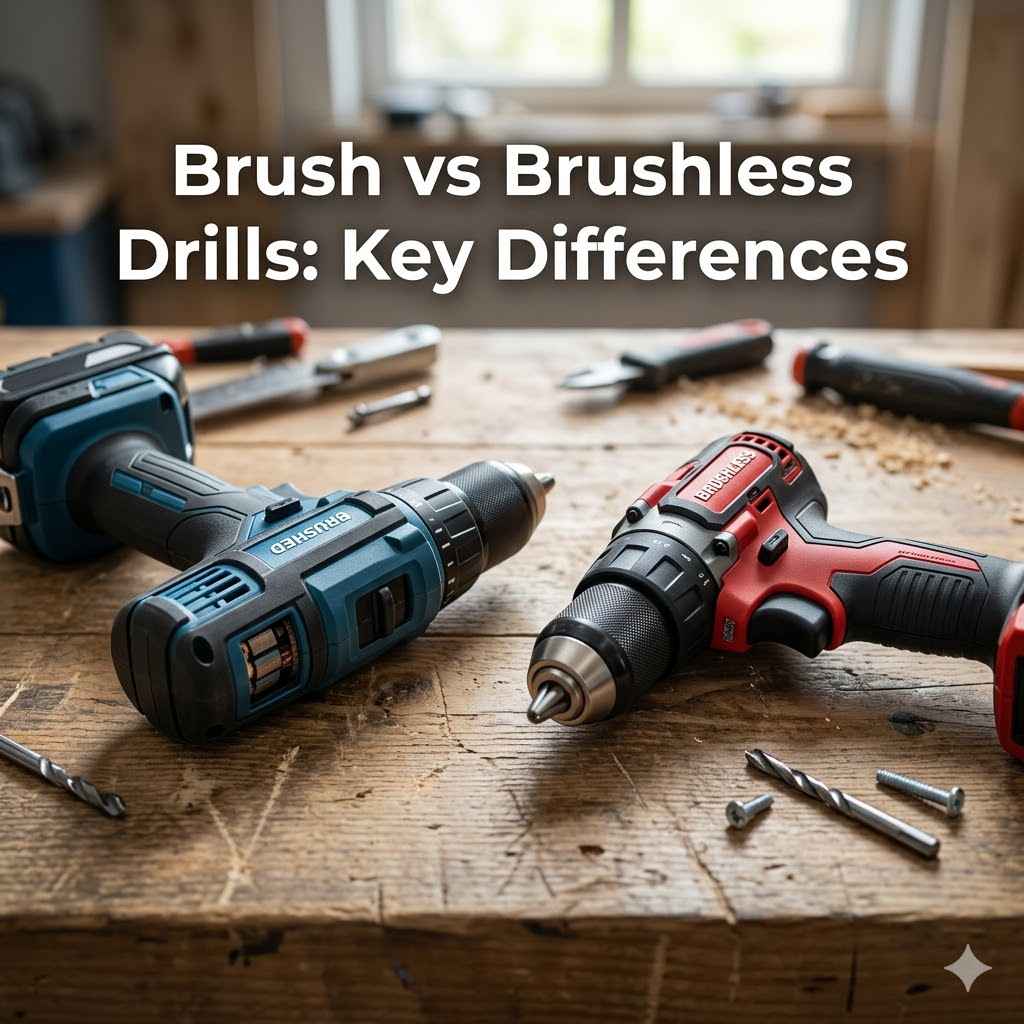
Brush vs Brushless Drills: Key Differences
Choosing the right drill can feel a bit tricky when you’re starting out. You see terms like “brush” and “brushless” and wonder what they really mean for you and your projects. This topic, Brush vs Brushless Drills: Key Differences, often puzzles new DIYers.
But don’t worry, it’s simpler than it sounds! We’ll walk through everything step by step to make it clear why one might be better for your needs. Get ready to learn what makes these drills tick.
Brush vs Brushless Drills What’s the Difference
This section will explore the fundamental differences between brushed and brushless drills. We will break down how each type of motor works, what components are involved, and why these internal workings lead to noticeable performance variations. Understanding these core mechanics is the first step to appreciating the advantages and disadvantages of each drill type.
How Brushed Drills Work
A brushed drill uses a traditional DC motor. This motor has carbon brushes that make physical contact with a rotating part called the armature. As the armature spins, these brushes help direct the electric current.
This current creates a magnetic field that makes the motor turn.
The brushes are designed to wear down over time. This wear is normal and part of the motor’s design. When the brushes wear out, they need to be replaced.
This is a common maintenance task for older or simpler drill models.
The physical contact between the brushes and the armature creates friction. This friction can generate heat and also causes some energy loss. Because of this contact, brushed motors are generally less efficient than brushless motors.
They also tend to be a bit louder during operation.
- Carbon Brushes: These are small blocks of carbon that conduct electricity. They are spring-loaded to maintain constant contact with the armature. Their function is vital for completing the electrical circuit that powers the motor.
- Armature: This is the rotating part of the motor, often a metal cylinder with coils of wire wrapped around it. When electricity flows through these coils, it generates a magnetic field. This field interacts with stationary magnets to cause rotation.
- Commutator: Attached to the armature, the commutator is a segmented metal ring. The brushes slide over the commutator segments as the armature spins. This action reverses the direction of current in the armature coils at the right moment, ensuring continuous rotation.
How Brushless Drills Work
Brushless drills use a different kind of motor. Instead of physical brushes, they use electronic controls to manage the flow of electricity. Magnets are placed on the outside of the motor, and the electronic controller tells them when to activate.
This allows the motor to spin without direct contact.
This design makes brushless motors more efficient. They use less battery power for the same amount of work. They also tend to last longer because there are no parts that wear out through friction.
This means less maintenance for the user.
Brushless motors are also generally quieter and run cooler than brushed motors. This improved performance often comes at a higher initial cost, but the benefits in terms of power, battery life, and durability are significant.
- Electronic Controller: This is the “brain” of the brushless motor. It uses sensors to detect the rotor’s position and precisely controls the electric current sent to the motor’s stator coils. This ensures smooth, efficient rotation.
- Stator: This is the stationary part of the brushless motor. It contains electromagnets made of coils of wire. The electronic controller energizes these coils in a specific sequence to create a rotating magnetic field.
- Permanent Magnets: Instead of electromagnets in the rotating part like in a brushed motor, brushless motors typically have permanent magnets on the rotor. These magnets are attracted to the rotating magnetic field generated by the stator, causing the rotor to spin.
Brush vs Brushless Drills Key Differences in Performance
The main differences between brush and brushless drills show up when you use them. Brushless drills are generally more powerful. They can handle tougher jobs without slowing down.
Brushed drills might struggle or stop when faced with a lot of resistance.
Battery life is another big contrast. Because brushless motors are more efficient, they use less battery power. This means you can work longer on a single charge with a brushless drill.
Brushed drills tend to drain their batteries faster.
Durability and maintenance are also key areas. Brushed drills have parts that wear out, like brushes. Brushless drills have fewer moving parts that wear down, making them last longer and need less maintenance.
This can save you money and hassle over time.
Speed control can be better with brushless motors too. The electronic controller allows for finer adjustments to the motor’s speed. This gives users more control for different types of tasks.
| Feature | Brushed Drill | Brushless Drill |
|---|---|---|
| Motor Type | Brushed DC Motor | Brushless DC Motor |
| Efficiency | Lower | Higher |
| Power Output | Generally Lower | Generally Higher |
| Battery Life | Shorter per charge | Longer per charge |
| Durability | Lower due to brush wear | Higher due to less wear |
| Maintenance | Requires brush replacement | Minimal |
| Cost | Lower initial cost | Higher initial cost |
| Heat Generation | Higher | Lower |
| Noise Level | Louder | Quieter |
Brushless Drill Advantages
Brushless drills offer several compelling advantages that make them a popular choice for many DIYers and professionals alike. Their advanced motor technology translates into tangible benefits that impact performance, longevity, and user experience. We’ll delve into these specific benefits, explaining why they are worth considering for your next tool purchase.
Increased Power and Torque
Brushless motors are known for delivering more power and torque compared to their brushed counterparts. This means they can spin faster and with more force. This enhanced capability allows them to tackle demanding tasks with ease.
Tasks like drilling through hard materials such as concrete or dense wood, or driving large screws into tough surfaces, are where this extra power shines. The drill doesn’t bog down as easily when encountering resistance. This consistent performance reduces frustration and improves work efficiency.
The ability to maintain high speed and torque under load is a direct result of the brushless motor’s design. The electronic controller can efficiently manage power delivery, ensuring optimal performance at all times. This makes them ideal for heavy-duty applications.
- Consistent Performance: Brushless drills maintain their power output even under heavy load. This means less stalling and more reliable performance when you need it most.
- Superior Torque: They can generate more turning force, which is essential for driving large fasteners or drilling into very hard materials without stripping screws or overheating the tool.
- Efficiency Under Load: The motor’s design allows it to operate more efficiently when under stress, meaning it won’t drain power as quickly when performing difficult tasks.
Extended Battery Life
One of the most significant benefits of brushless drills is their improved battery efficiency. Because these motors are designed to use electricity more wisely, a single battery charge can power a brushless drill for a longer period. This is a big win for anyone who spends a lot of time working away from a power outlet.
The precise electronic control in brushless motors means less energy is wasted as heat or through friction. This translates directly into more runtime. For large projects or professional use, this means fewer battery changes and less downtime.
Imagine you’re building a deck. With a brushed drill, you might need to swap batteries multiple times. A brushless drill could potentially complete the job on fewer charges.
This practical advantage saves time and keeps your workflow smooth.
- Less Wasted Energy: The motor converts more electrical energy into rotational force, with less energy lost as heat due to friction.
- Longer Work Sessions: This efficiency means you can work for longer stretches between recharging or swapping batteries.
- Cost Savings: Over time, better battery utilization can lead to savings on battery replacements and charging costs.
Enhanced Durability and Longevity
Brushless drills are generally more durable and have a longer lifespan. This is primarily because they don’t have wearing parts like carbon brushes that need replacement. The absence of this physical wear point means the motor can operate reliably for many years.
Fewer mechanical components in contact also mean less heat buildup. Excessive heat can degrade other parts of the tool over time. By running cooler, brushless drills are less prone to premature failure.
This robust design makes them a solid investment for frequent users.
For example, a professional contractor using a drill daily will likely find a brushless model lasts significantly longer than a comparable brushed model. This durability reduces the total cost of ownership and provides consistent performance for extended periods.
- Fewer Wearing Parts: The elimination of carbon brushes removes a common failure point found in traditional motors.
- Reduced Heat Stress: Motors run cooler, which preserves internal components and extends the tool’s overall lifespan.
- Reliable Operation: Less wear means a more consistent and reliable performance over the life of the tool.
Brushed Drill Advantages
While brushless drills boast many advanced features, brushed drills still hold their own and offer distinct advantages in certain situations. Their simpler design often translates into benefits like lower costs and easier availability. This section will highlight why brushed drills remain a relevant and practical choice for many users.
Lower Initial Cost
One of the most attractive features of brushed drills is their affordability. Because their motor technology is older and simpler, they are less expensive to manufacture. This lower production cost is passed on to the consumer, making them a budget-friendly option.
For individuals who only need a drill for occasional light-duty tasks around the house, a brushed drill can be a perfectly suitable and cost-effective choice. You can get a functional tool without a large upfront investment. This makes DIY projects accessible to a wider range of people.
If you’re just starting out with home repairs or simple craft projects, a brushed drill offers a great entry point. You can acquire the necessary tool without stretching your budget. This accessibility is a key reason why they remain popular.
Many hardware stores stock a wide variety of brushed drills at various price points. This makes them easy to find and purchase. For example, a basic brushed drill might cost half as much as a comparable brushless model, making it a practical decision for many households.
- Budget-Friendly: Brushed drills are significantly less expensive upfront compared to brushless models.
- Accessibility: Their lower price point makes them available to a broader audience for occasional home use.
- Good Value for Light Tasks: For jobs that don’t require heavy power or extended use, they offer excellent value for money.
Simpler Design and Repair
The mechanical design of brushed drills is straightforward. This simplicity can make them easier to understand and, in some cases, repair. If a brush wears out, it is often a relatively simple and inexpensive part to replace.
While modern drills are often sealed units, older or more basic brushed models can sometimes be serviced by a user with basic tools and knowledge. This is less common with complex brushless motor electronics. The repair process for brushes is usually well-documented.
This ease of repair, though less common now, was a significant factor in the past. It meant that if a component failed, it could often be fixed rather than requiring a whole new tool. The straightforward nature of the brushed motor makes it less intimidating for some users.
The components involved in a brushed motor are fewer and more common. This means that if a repair is needed, the parts are generally readily available and less specialized than the electronic controllers used in brushless motors.
- Fewer Complex Components: The motor has a simpler mechanical structure compared to the electronics-driven brushless motor.
- Easier Brush Replacement: If the brushes wear out, they can often be replaced by a user, restoring functionality.
- Understanding the Mechanics: The operational principles of brushed motors are widely understood, making troubleshooting potentially simpler for those with mechanical aptitude.
Brush vs Brushless Drills Key Differences in Use Cases
Understanding the specific strengths of each drill type helps you choose the best tool for your tasks. Whether you’re a weekend warrior tackling DIY projects or a professional on a job site, the right drill can make a big difference. Let’s look at scenarios where each type truly shines.
When to Choose a Brushed Drill
A brushed drill is a solid choice for homeowners and hobbyists who need a reliable tool for occasional use. If your projects involve light drilling, hanging pictures, assembling furniture, or minor repairs, a brushed drill will serve you well. They are perfectly capable of handling these common tasks.
The main advantage here is cost. If you don’t need the high power or long runtimes of a brushless drill, why pay extra? A brushed drill offers excellent value for simple jobs.
It’s a practical tool that won’t break the bank.
For example, if you only plan to use your drill a few times a year for tasks like installing shelves or changing cabinet hardware, a brushed model is ideal. It provides the necessary functionality without unnecessary complexity or expense. You get the job done effectively.
Consider someone who enjoys small woodworking projects or occasional home maintenance. For these users, a brushed drill is often sufficient. It provides good performance for drilling holes in wood, drywall, or even thin metal.
Scenario: Sarah needs to assemble a new bookshelf. She’ll be drilling pilot holes and driving screws. The bookshelf is made of particleboard, which is relatively soft.
A brushed drill is more than capable of handling this task efficiently and without issue. The cost savings also allow her to buy better quality screws.
When to Choose a Brushless Drill
Brushless drills are the top pick for demanding jobs and frequent use. If you are a professional contractor, a serious DIYer, or someone who tackles large projects regularly, a brushless drill will offer superior performance and durability.
Their higher power and torque make them ideal for drilling into concrete, driving large lag bolts, or working with dense hardwoods. The extended battery life means you can work through a full day on the job site with fewer interruptions. This efficiency is critical for productivity.
For instance, if you are building a deck, framing a house, or doing extensive renovations, the sustained power and longer runtime of a brushless drill are invaluable. They can handle continuous heavy use without overheating or draining batteries quickly.
Consider a woodworker who frequently drills into oak or other hard woods, or a mechanic who needs to drive large fasteners. For these users, the enhanced capabilities of a brushless drill are not just a luxury but a necessity for efficient and effective work.
Scenario: Mark is building a new fence. This involves digging post holes with an auger bit and driving many long screws into pressure-treated lumber. A brushless drill provides the necessary power and torque to make this work faster and easier.
The longer battery life ensures he can complete sections of the fence without constant recharging.
Maintenance and Longevity
How you care for your drill impacts how long it will last and how well it performs. While brushless drills generally require less maintenance, understanding the basics for both types will help you get the most out of your tool. This section will guide you through essential care practices.
Caring for Your Brushed Drill
Brushed drills require occasional attention to their brushes. Over time, the carbon brushes will wear down. When they get too short, the motor will start to lose power or stop working altogether.
You can usually tell if your brushes need replacing by looking for reduced performance or if the drill starts sparking more than usual. Replacing brushes is typically a straightforward process. You’ll need to open up the drill’s housing, remove the old brushes, and insert the new ones.
Besides brush maintenance, keep your brushed drill clean. Dust and debris can get into the motor and ventilation ports, causing overheating. Wipe down the exterior regularly and use compressed air to blow out any dust from the vents.
Store it in a dry place when not in use.
- Brush Inspection: Periodically check the carbon brushes for wear. They are usually visible through small covers on the motor housing.
- Brush Replacement: When brushes are worn down to about half their original length, they should be replaced to maintain motor performance.
- Cleaning: Keep the drill’s air vents clear of dust and debris by using compressed air or a soft brush.
Caring for Your Brushless Drill
Brushless drills are much simpler to care for because they lack wearing brushes. The primary focus is on keeping the tool clean and protecting its electronics. Regular cleaning of the exterior and vents is still important to prevent overheating and ensure proper function.
Protecting the battery is also key. Avoid exposing the battery to extreme temperatures, both hot and cold. Store batteries in a cool, dry place.
Ensure they are fully charged before long storage periods, and follow the manufacturer’s recommendations for battery care.
While brushless motors are more durable, they still benefit from proper handling. Avoid dropping the drill or exposing it to excessive moisture or impacts. Treat your tool with care, and it will serve you well for many years.
- General Cleaning: Wipe down the tool regularly and use compressed air to clear dust from vents to prevent overheating.
- Battery Care: Store batteries in a climate-controlled environment and follow manufacturer guidelines for charging and storage to maximize their lifespan.
- Proper Storage: Keep the drill in a dry, protected environment when not in use to prevent damage from moisture or impacts.
Brush vs Brushless Drills Key Differences in Battery Technology
The motor type in a drill is closely linked to the battery technology it uses and how efficiently it consumes power. Modern battery packs and efficient motor designs work together to offer distinct advantages. Let’s explore how battery performance differs between brushed and brushless drills.
Battery Efficiency and Runtime
As discussed, brushless motors are inherently more efficient. This means they draw less power from the battery to perform the same amount of work compared to brushed motors. This translates into significantly longer runtimes on a single charge for brushless drills.
For example, a 2.0 Amp-hour (Ah) battery might give you 30 minutes of runtime in a brushed drill, but the same battery could power a brushless drill for 45-50 minutes. This difference becomes more pronounced with higher demands placed on the tool.
This improved battery efficiency is a major reason why professional tradespeople often prefer brushless tools. The ability to work longer without interruption is a considerable productivity booster on job sites. It means less time spent waiting for batteries to charge.
Modern lithium-ion battery technology has further enhanced this. These batteries offer high energy density and can deliver power consistently. When paired with an efficient brushless motor, the combination offers the best possible runtime and performance.
Voltage and Amperage Considerations
Both brushed and brushless drills come in various voltage ratings, typically ranging from 12V to 20V or higher. Higher voltage generally means more power. The choice between voltages depends on the intended use.
Lower voltage drills are lighter and good for basic tasks, while higher voltage drills offer more muscle for tougher jobs.
Amperage-hour (Ah) rating of the battery indicates its capacity – how much energy it can store. A higher Ah battery will provide longer runtimes than a lower Ah battery of the same voltage. For instance, a 4.0Ah battery will last roughly twice as long as a 2.0Ah battery, assuming equal motor efficiency.
It’s important to note that a high-voltage brushless drill with a high Ah battery will offer the most power and longest runtime. However, the cost will also be higher. Matching the voltage and Ah rating to your specific needs and budget is crucial.
Here’s a simplified look at battery ratings:
| Rating | Meaning | Impact |
|---|---|---|
| Voltage (V) | Electrical potential | Determines overall power and torque |
| Ampere-hour (Ah) | Battery capacity | Determines runtime per charge |
When comparing drills, a 20V brushless drill with a 5.0Ah battery will typically outperform a 12V brushed drill with a 2.0Ah battery in terms of power and runtime. This is why looking at both the motor type and the battery specifications is important for making an informed decision.
Frequently Asked Questions
Question: Are brushless drills always better than brushed drills
Answer: Brushless drills are generally more powerful, efficient, and durable, making them better for demanding tasks and frequent use. However, brushed drills are less expensive and perfectly adequate for light, occasional DIY projects, offering better value in those specific situations.
Question: How often do I need to replace brushes on a brushed drill
Answer: The frequency of brush replacement depends on how often and how heavily you use the drill. For occasional home use, brushes can last for many years. For professional daily use, they might need replacing every 1-2 years or sooner.
You’ll notice reduced power or increased sparking when they need changing.
Question: Can I upgrade a brushed drill to brushless
Answer: No, you cannot directly upgrade a brushed drill to a brushless system. They use fundamentally different motor designs and control electronics. If you want a brushless drill, you need to purchase a tool that is manufactured as brushless.
Question: Which type of drill is quieter
Answer: Brushless drills are typically quieter than brushed drills. This is because they don’t have the friction and mechanical contact of carbon brushes against the motor’s commutator, which can create noise.
Question: Is a higher voltage drill always more powerful
Answer: Higher voltage generally means more potential power and torque, but it’s not the only factor. The motor design (brushless vs. brushed) and the quality of construction also play significant roles in a drill’s overall power output and performance.
Summary
When comparing brush vs brushless drills, remember that brushless offers more power, better battery life, and greater durability for heavy use, while brushed drills are a more affordable option for lighter, occasional tasks. Both have their place, so choose based on your project needs and budget.