Can a Chainsaw Cut Metal? Ultimate Guide for Safety
A standard chainsaw should not be used to cut metal; if the bar or chain touches steel, stop at once unless the saw has a metal-cutting chain built for that work. I have seen wrong-chain contact ruin teeth, scar the bar, and throw sharp debris back at the operator. This guide covers what happens on contact, when a chainsaw can cut metal, when it fails fast, and when to stop immediately.
Can a chainsaw cut metal?


Yes, a chainsaw can cut some metal in limited cases, but that does not make it the right tool for the job. A standard wood-cutting chainsaw is built for wood, not planned metal cutting, and a normal home chainsaw should not be used on metal on purpose. The type of metal, its thickness, and the chain design decide whether the cut will work or fail fast.
Accidental contact and planned cutting are very different. A nail hidden in lumber may be cut through once, while rebar or pipe usually asks for more force, more heat, and tighter control than a typical homeowner saw may provide. If the cut is planned, a metal saw is usually the better tool.
What changes the answer so fast
Thin, soft, or small pieces are one thing. Harder, thicker, or round stock is another. Nails in wood are a common accidental metal contact case, and the chain may still get through before the operator even knows what happened. Rebar and pipe are more likely to stop the cut, dull the chain, or kick the saw back hard.
That is why the first decision is not “Can the saw cut?” It is “Should this saw be doing this cut at all?” If the answer is yes only because the cut is small and accidental, stop, inspect, and decide again before continuing.
📊 Bob Vila’s small chainsaw price range was $100 to $430. Source: The 8 Best Small Chainsaws, Tested and Reviewed.
What happens when a chainsaw hits metal?
When a chainsaw hits metal, chain teeth lose sharpness quickly, cutting speed drops, and the saw may begin to pull badly or chatter across the cut. Hard contact can also cause kickback, the sudden upward force that can throw the bar toward the operator. Metal contact often damages the chain before the user sees obvious smoke or sparks.
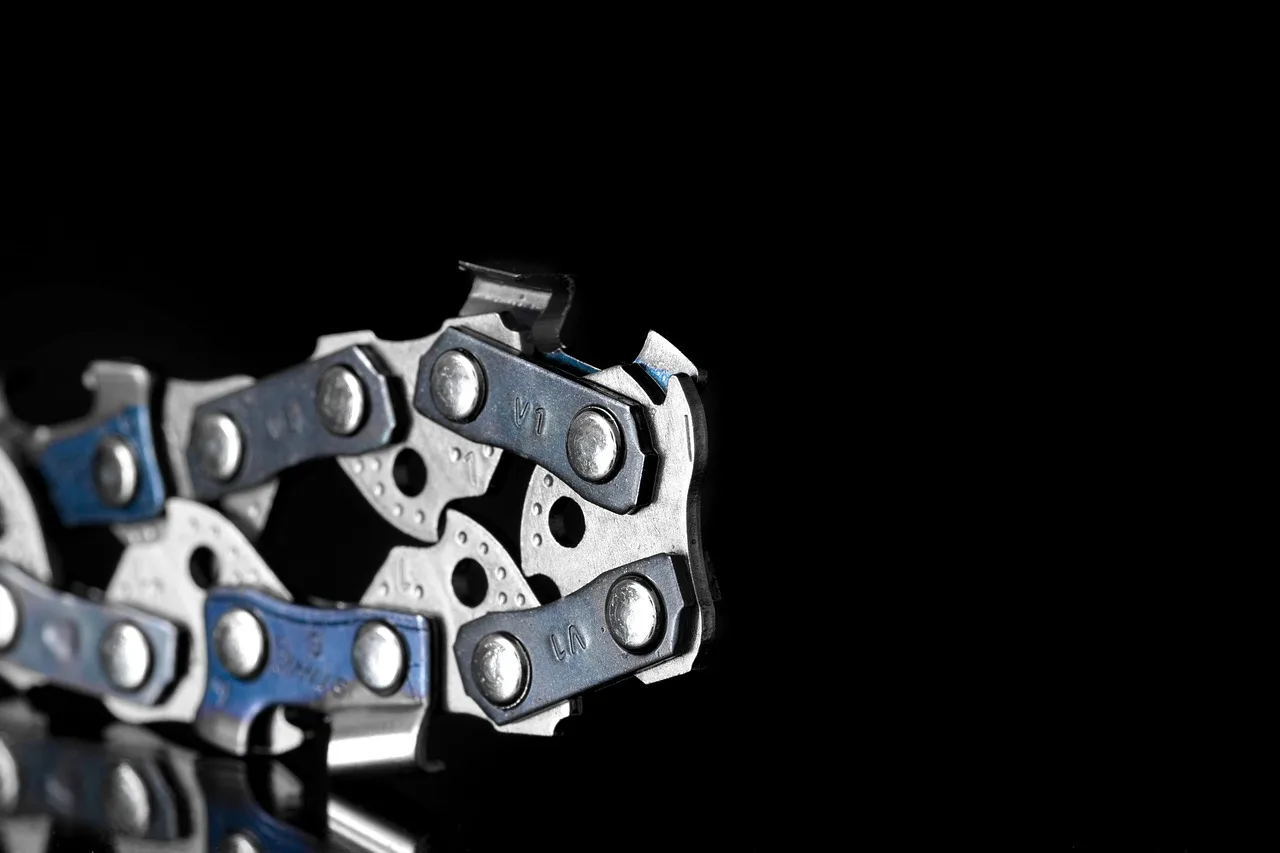
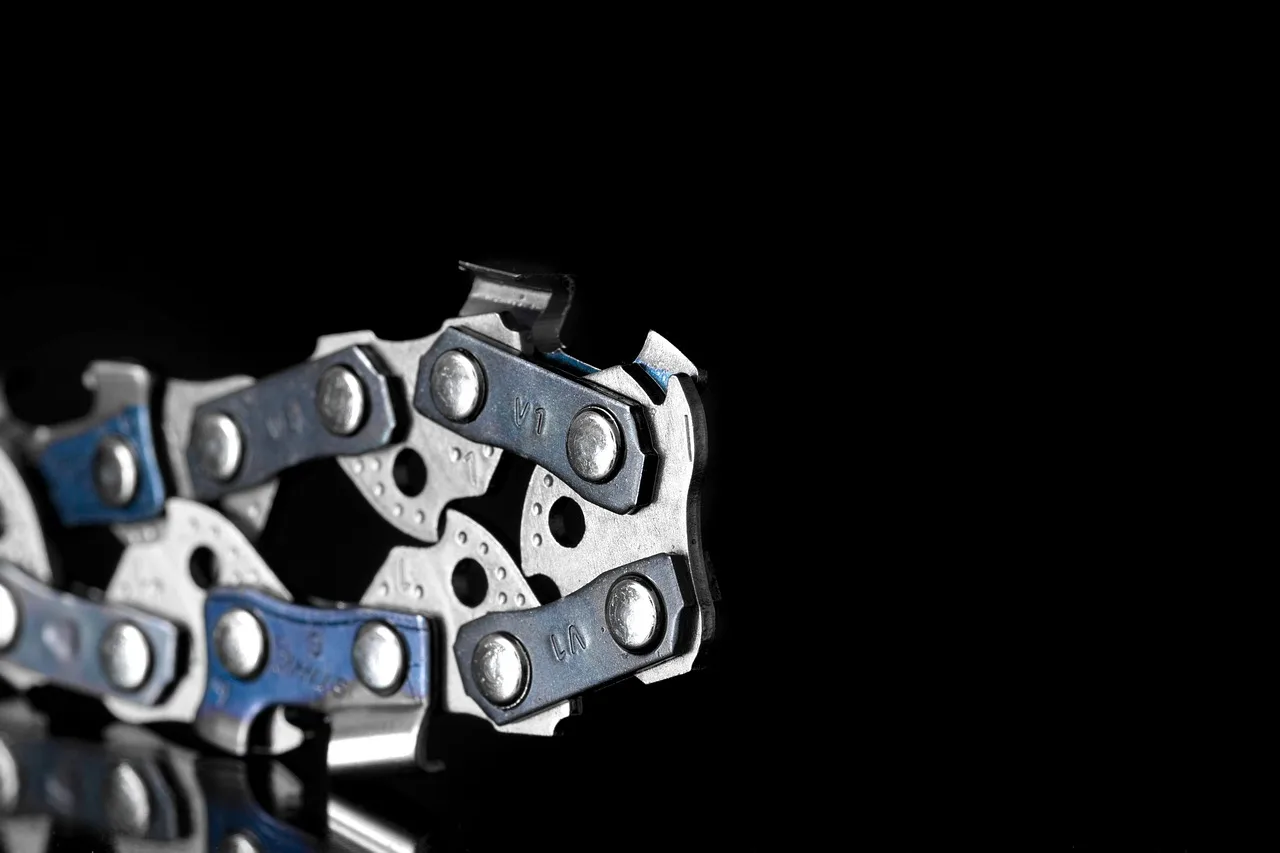
The damage starts at the tooth edge. A nail can blunt the chain teeth, and harder objects can chip them or fold the cutting edge. Once that happens, the saw has to work harder, which puts more load on the bar, sprocket, and clutch area.
What kickback looks like in real use
Kickback usually shows up as a fast, upward snap when the chain nose catches on a hard surface or pinches against metal. It can happen suddenly, especially with a one-handed grip, a tired stance, or a cut started with the bar tip. When hidden metal is possible, controlled cutting matters more than speed.
PPE does not stop kickback, but it can limit injury when the saw reacts badly. Eye protection, gloves, hearing protection, and a firm two-handed grip are basic. Keep the workpiece fixed and the saw moving steadily. Do not force the bar through a resisted cut.
Can a normal chainsaw cut metal safely?
No, a normal home chainsaw is not built for planned metal cutting, and that is the main line to respect. A home-grade chainsaw is meant for light property work, cleanup, and trimming wood, not repeated impact with steel. Even a stronger professional-grade saw still needs the right chain and setup before metal is considered.
Professional-grade chainsaws have more power and durability than home-grade models, but that does not turn a wood saw into a metal saw. The saw body, clutch, bar, lubrication path, and chain choice all matter. Without a proper setup, cutting metal is still a bad bet.
Home-grade versus professional-grade
Home-grade saws tend to show their limits sooner after an impact. The chain dulls, the cut slows, and handling gets less predictable. Professional-grade saws are better suited to tougher work, but they still need a chain and application that match the material. More power is not the same thing as metal capability.
For a homeowner, the safest choice is usually to stop and change tools. For a logger or demolition worker, the question becomes whether the saw is fitted for mixed material and whether the cut is worth the wear. Planned metal cutting belongs with a tool made for that task.
What type of chainsaw chain cuts metal?
A standard wood-cutting chain is usually the wrong choice for metal, while a carbide-tipped chain or reinforced chain may be better for some abrasive or mixed-material cutting. A metal-cutting chainsaw is a specialty tool or setup, and it is different from a typical homeowner saw. Even then, the saw has to be matched to the chain and the task.
Carbide-tipped chain has a harder cutting edge than standard chain, so it holds up better when the work includes grit, old timber, or occasional embedded material. It is not a fix for every metal cut. If the cut is planned and heavy, a metal saw is still the cleaner answer.
Chain choice is not the whole job
A harder chain can survive more abuse, but it cannot fix weak control, wrong bar length, poor tension, or a saw that is too light for the material. It also does not change the basic safety issue: contact with hard metal can trigger kickback and scatter sharp fragments.
If the goal is salvage work, demolition cleanup, or cutting through material that may hide hardware, the best choice is usually a tool path that avoids metal contact altogether. If the metal is the target, pick a saw made for it rather than asking a wood saw to adapt.
Metal-contact decision table: what to do with nails, screws, rebar, sheet metal, and pipe
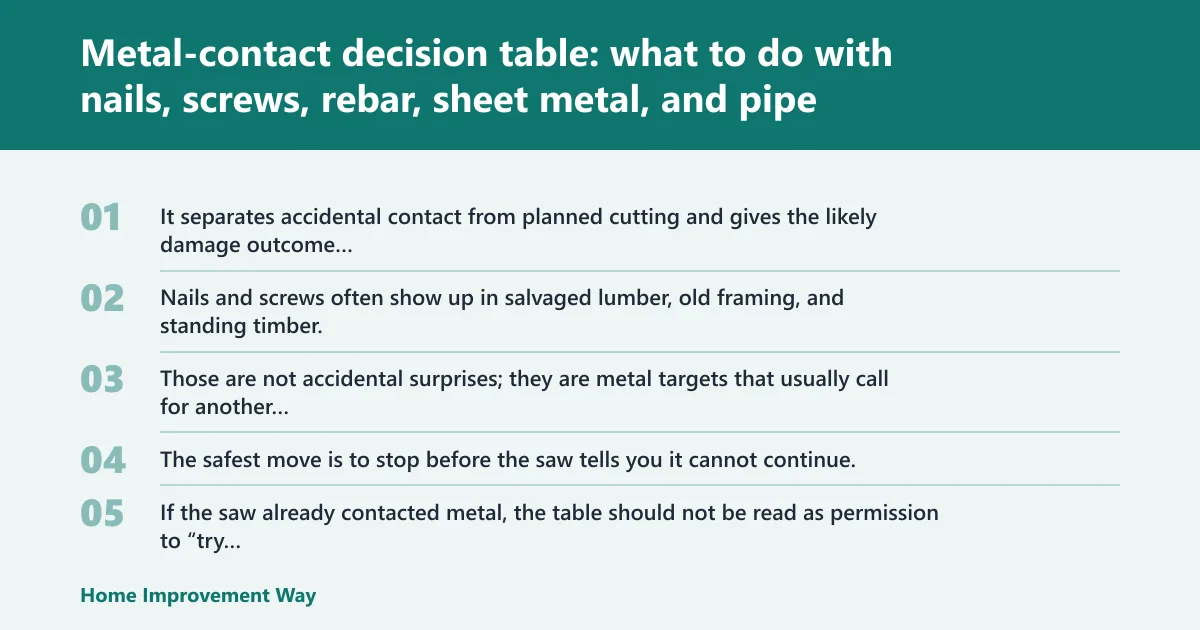
Use this table as a stop-or-continue check. It separates accidental contact from planned cutting and gives the likely damage outcome so the next move is obvious.
| Material | Stop or continue? | Recommended action | Likely damage outcome |
|---|---|---|---|
| Nails in wood | Stop if struck; continue only after inspection if the cut was accidental and the saw still tracks well | Remove the board, inspect the chain teeth, and sharpen or replace before more cutting | Chain teeth can blunt fast; light bar wear is possible |
| Screws in wood | Stop immediately | Pull the board, check for tooth chipping and chain stretch, then decide if the chain is still usable | Tooth damage is common; chain may grab and kick |
| Rebar | Stop; do not continue with a normal home chainsaw | Switch to a metal saw or specialty setup | High chance of dulling, tooth chipping, bar gouging, and kickback |
| Sheet metal | Stop for a normal wood saw; continue only with a metal-cutting setup made for it | Change tools before cutting on purpose | Edge contact can tear teeth and throw sharp shards |
| Pipe | Stop for a normal home chainsaw | Use a tool designed for metal pipe | Heavy kickback risk, fast dulling, possible chain failure |
How to read the table
Nails and screws often show up in salvaged lumber, old framing, and standing timber. Rebar, sheet metal, and pipe are different. Those are not accidental surprises; they are metal targets that usually call for another tool. The safest move is to stop before the saw tells you it cannot continue.
If the saw already contacted metal, the table should not be read as permission to “try once more.” It is a damage check. Once the chain is compromised, the next cut is less safe than the last one.
How do I avoid kickback when a chainsaw hits metal?
Kickback is harder to avoid when metal is hidden, but the risk drops when the saw is held correctly, the cut starts away from the bar nose, and the work is firmly supported. Use a two-handed grip, stable footing, and a slow approach through questionable material. If metal is likely, assume the cut can stop abruptly.
Body position matters. Stand slightly to the side of the cut line, not directly behind the bar. Keep the chain moving at a controlled pace. Do not drive the nose into the work. That is where hard contact turns into a sudden upward reaction.
Best habits before the cut
Scan reclaimed lumber, demolition pieces, and standing timber for old fasteners, patch plates, and other hidden hardware. If there is any doubt, use a detector or switch tools. Clear the cut path, keep bystanders away, and brace the work so the bar does not pinch as soon as the metal is reached.
PPE is part of the plan, not a fix after the fact. Face and eye protection help against flying chips. Gloves and chaps do not stop kickback, but they can reduce the harm if the saw moves unexpectedly.
What should I inspect or replace after a chainsaw cuts metal?
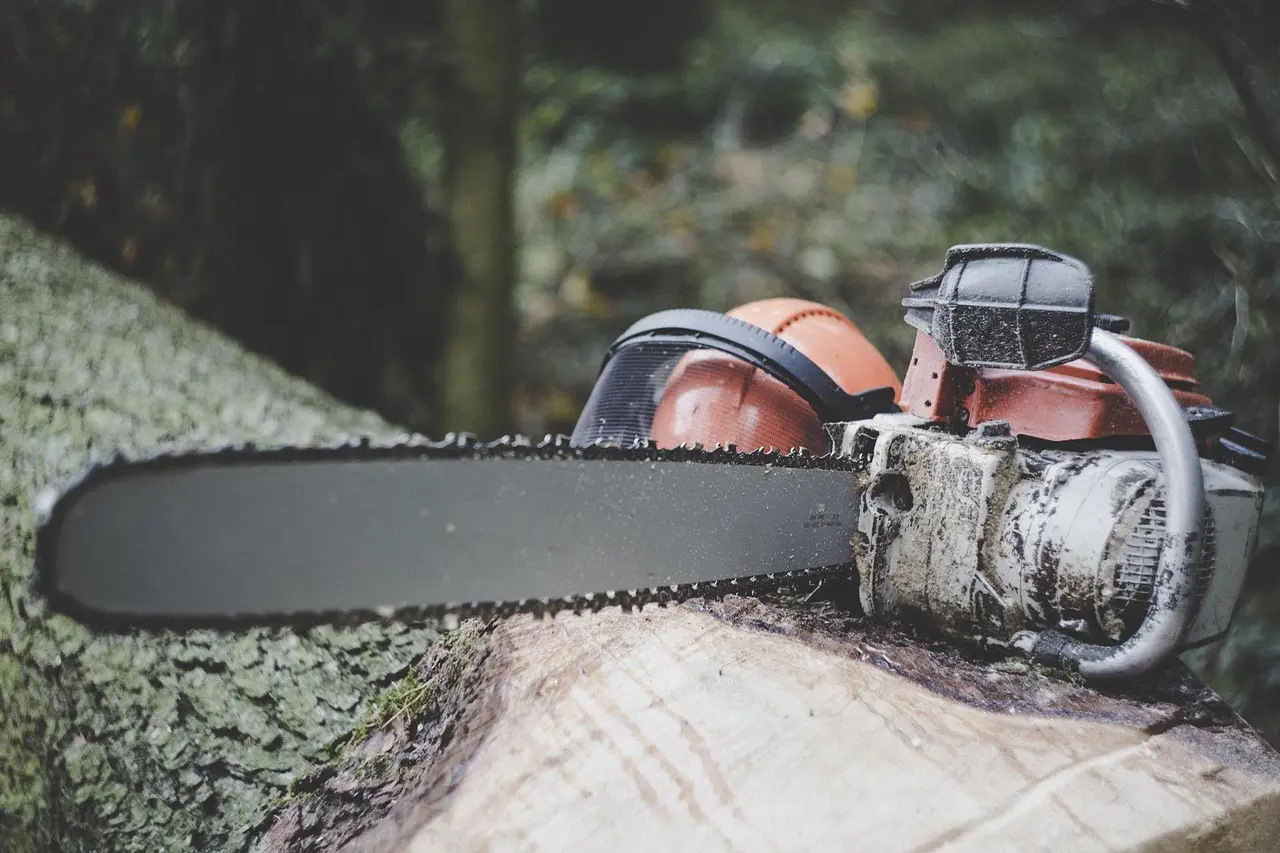
After a chainsaw cuts metal, it is wise to inspect the chain teeth, bar rails, sprocket, and chain tension before the next use. If cutting speed has dropped, teeth are chipped, or the saw starts pulling poorly, sharpen or replace the chain. One hard strike can create hidden damage that shows up on the next cut, not the first.
Do not rely on appearance alone. A chain can look usable and still cut badly after metal contact. Check for bright flattened teeth, uneven cutters, rough movement around the bar, and any wobble at the drive end.
Inspection checklist
- Unplug the saw, remove the battery, or stop the engine and wait for full stop.
- Examine each tooth for chips, rolled edges, and uneven height.
- Check bar rails for burrs, grooves, and heat discoloration.
- Spin the sprocket and look for rough spots or binding.
- Reset chain tension before the next cut.
- Test the saw on clean wood only after the inspection passes.
When sharpening is enough
Sharpening may be enough when the contact was light, the teeth are still intact, and the saw cuts straight after touch-up. If several cutters are chipped, the chain heats quickly, or the saw has to be forced, replacement is smarter than grinding away more metal from the tooth profile.
Bar damage is a separate issue. A chain can be sharpened and still run poorly on a grooved or bent bar. If the bar rails are chewed up or the chain will not track cleanly, fix the bar before trusting the saw again.
Frequently asked questions
Will a chainsaw cut through a nail in wood?
Often it will, but the cost is chain wear. A nail in wood is a common accidental metal contact case, and it can blunt the chain teeth quickly. Even if the cut finishes, the saw should be inspected right away before the next board goes under the bar.
What happens if a chainsaw hits metal?
The chain can dull, chip, or bind, and the saw may kick back. Cutting speed usually drops at once, and the bar, sprocket, and chain tension may all need inspection. If the strike was hard, stop and check for damage before any more cutting.
When should I replace a chain after cutting metal?
Replace the chain when teeth are chipped, the saw slows badly, or the cut starts wandering even after sharpening. If the chain still feels rough, pulls poorly, or heats fast, it is past routine touch-up. After metal contact, the chain should earn its way back into service, not assume it can stay.
Sponsored / affiliate links. As an Amazon Associate I earn from qualifying purchases. I may earn additional commission from eligible campaigns.