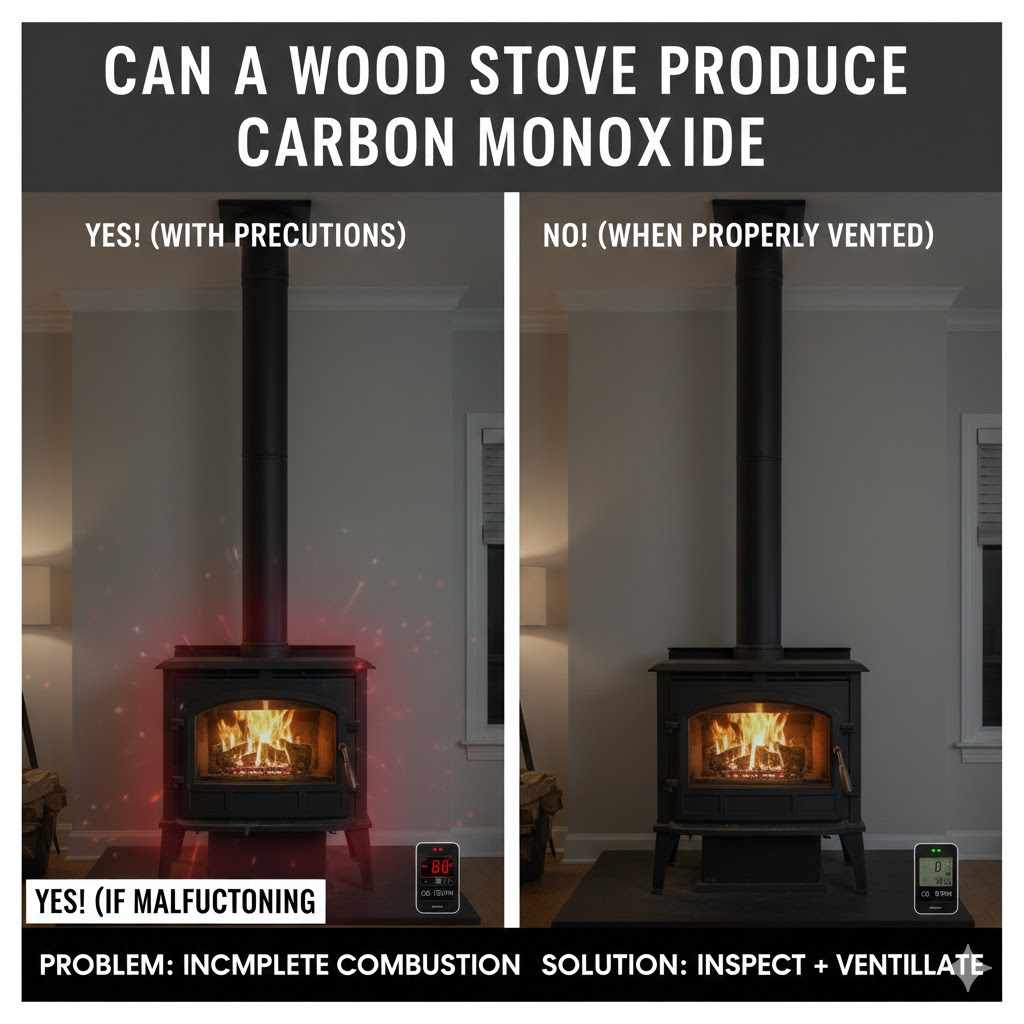
Can A Wood Stove Produce Carbon Monoxide
Many folks wonder, Can a Wood Burning Stove Produce Carbon Monoxide? This is a super common question, especially if you’re new to using wood stoves. It’s easy to feel a bit unsure about safety with fire and heat in your home.
But don’t worry, it’s not as complicated as it might seem. We’re going to break down exactly why this happens and what you can do to keep your home safe. Get ready for some simple steps that will make you feel confident.
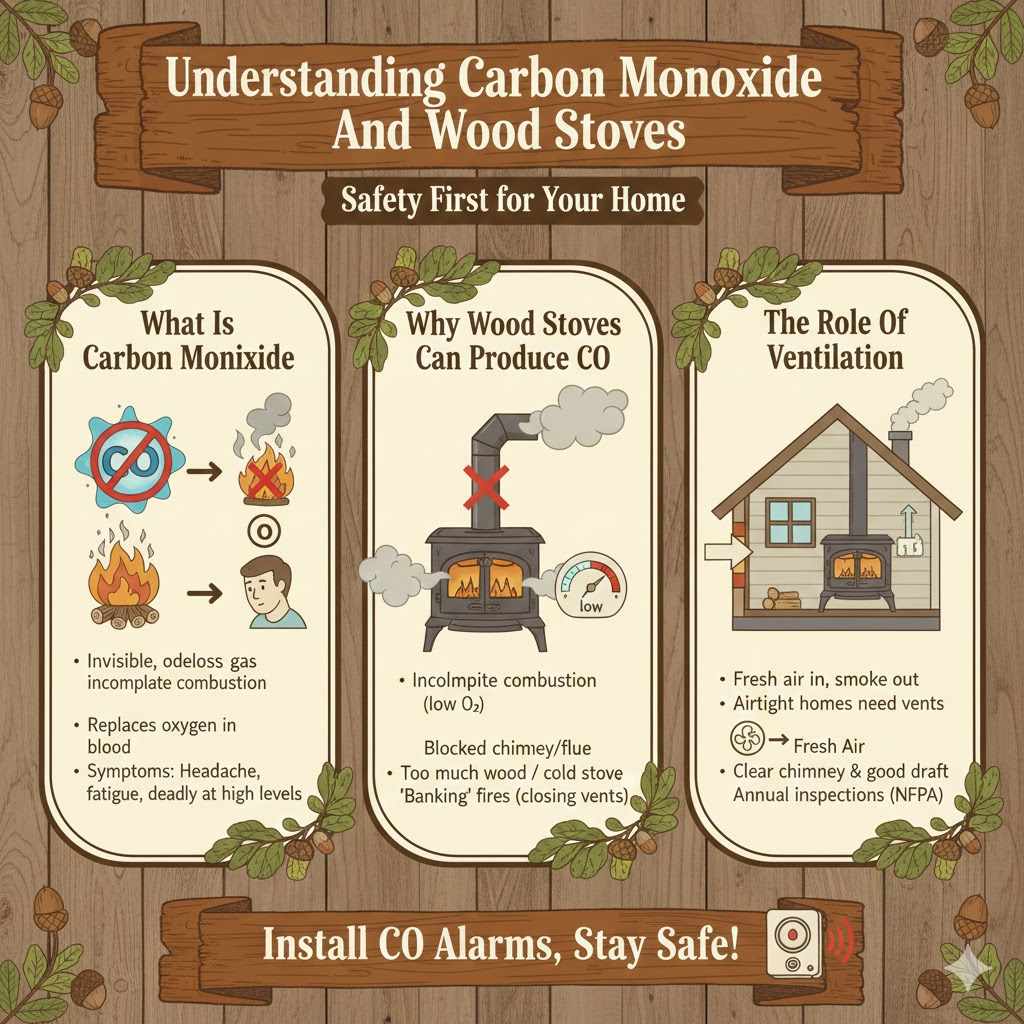
Understanding Carbon Monoxide And Wood Stoves
This section will help you grasp why it’s important to know about carbon monoxide when you use a wood-burning stove. We’ll explain what carbon monoxide is in simple terms and how it relates to burning wood. You’ll learn about the conditions that can lead to it forming and why it’s something you need to be aware of for your family’s well-being.
What Is Carbon Monoxide
Carbon monoxide, often called CO, is a gas that you can’t see, smell, or taste. This makes it very dangerous because you won’t know it’s there unless you have a special detector. It forms when fuels like wood don’t burn completely.
This happens when there isn’t enough oxygen to help the fire burn all the way through.
When wood burns, it’s a chemical reaction. Ideally, this reaction turns the wood into heat, carbon dioxide, and water vapor. Carbon dioxide is generally safe.
But if the fire is struggling, like when it’s smoky or the air isn’t flowing well, some of the carbon in the wood doesn’t get fully burned. Instead, it turns into carbon monoxide. This is a byproduct of incomplete combustion.
The problem with carbon monoxide is that when you breathe it in, it can attach to your blood cells more easily than oxygen. This means your body can’t get the oxygen it needs to work properly. At low levels, it might make you feel tired or give you a headache.
At higher levels, it can be deadly.
It is estimated that over 400 deaths per year in the United States are caused by accidental carbon monoxide poisoning, with faulty fuel-burning appliances being a significant contributor.
Why Wood Stoves Can Produce CO
Wood burning stoves are designed to be efficient, but they are still combustion devices. This means they can produce carbon monoxide under certain circumstances. The main reason is incomplete combustion.
This occurs when the fire doesn’t have enough oxygen to burn the wood fully.
Several factors can cause incomplete combustion in a wood stove. These include poor ventilation, a blocked chimney or flue, a stove that is too cold, or loading too much wood at once. When these conditions exist, the fire smolders rather than burns cleanly.
This leads to the creation of carbon monoxide gas.
A properly functioning wood stove with good airflow and a clear chimney should produce very little carbon monoxide. The goal of stove design is to maximize complete combustion. However, any issue that hinders the fire’s ability to get enough air can turn a cozy fire into a CO producer.
We often see this problem when people try to “bank” their fire for the night. This means closing down the air vents to make the fire last longer. While this might save wood, it can also reduce the oxygen supply and increase the risk of carbon monoxide production.
The Role Of Ventilation
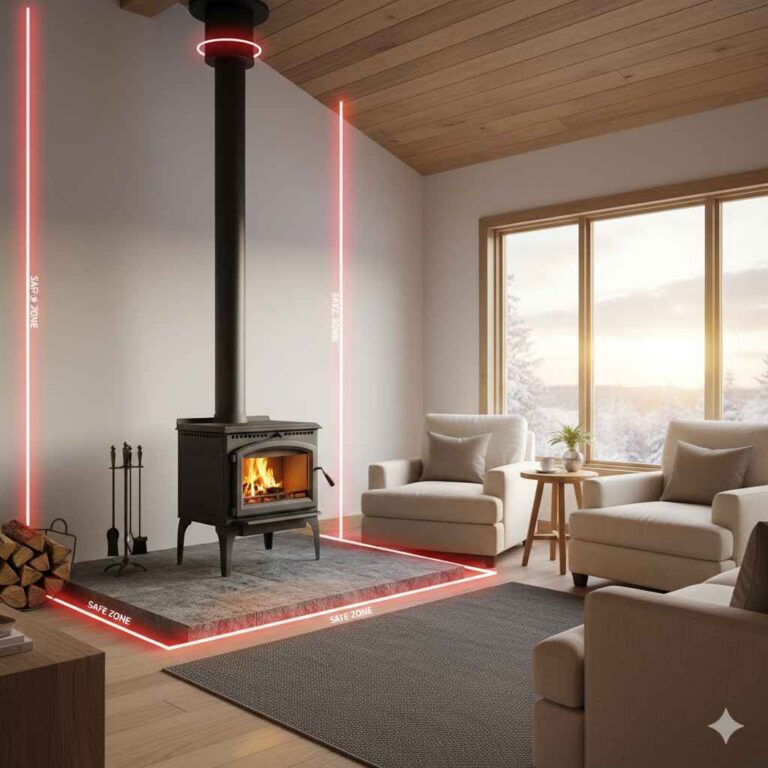
Ventilation is absolutely key when it comes to wood stoves. It’s all about getting fresh air into your home and letting the smoke and gases, including carbon monoxide, escape safely outside. Without enough fresh air, your stove can’t get the oxygen it needs to burn the wood completely.
This leads to more carbon monoxide being made.
Modern homes are often built to be very airtight to save energy. While this is good for heating bills, it can sometimes create problems for appliances that need air, like wood stoves. If your home is too sealed, the stove might be pulling air from unusual places, or it might not get enough air at all.
A well-ventilated room means that air can flow freely. For a wood stove, this usually involves a direct air intake system or having a window or vent nearby that can provide a constant supply of outside air. It also means your chimney needs to be clear and draft correctly to pull the exhaust gases up and out.
The National Fire Protection Association (NFPA) recommends that chimneys and vents be inspected annually. This ensures they are clear of blockages and functioning properly, which is vital for safe operation and preventing CO buildup.
Identifying And Preventing Carbon Monoxide Risks
Now that we know why carbon monoxide can be a problem, let’s look at how to spot the signs and stop it from happening in the first place. This section will cover what to watch out for and the simple steps you can take to keep your wood stove experience safe and enjoyable.
Signs Of A CO Problem
Since you can’t see or smell carbon monoxide, you need to know what other clues might point to a problem. One of the first signs is often symptoms that feel like the flu. You might get a dull headache, feel dizzy, or feel sick to your stomach.
If you or anyone in your household starts feeling these symptoms, especially when you’re using the wood stove, it’s a major red flag.
Other indicators can include confusion or feeling tired. Pets might also show signs of distress, like acting unusual or struggling to breathe. If the stove itself seems to be smoking back into the room, that’s another clear sign that something is wrong with the airflow or draft.
A common scenario is when people wake up feeling unwell in the morning after sleeping with a fire burning. This is because CO can build up overnight. It’s crucial to pay attention to how everyone in the house feels, especially after the stove has been running for a while or overnight.
The U.S. Consumer Product Safety Commission (CPSC) advises that if you suspect carbon monoxide is present, you should immediately move everyone to fresh air. Then, call your local fire department or a qualified technician.
Never re-enter the home until it has been declared safe.
Proper Stove Operation
Using your wood stove correctly is the best defense against carbon monoxide. This starts with understanding how your specific stove works. Always read the owner’s manual and follow the manufacturer’s instructions.
This will tell you how to start a fire, how to control the air vents, and when to add more wood.
When you start a fire, ensure the damper is fully open to let the smoke rise up the chimney. Once the fire is well-established and you see flames, you can start to reduce the air intake gradually. The goal is to have a steady, active flame, not a smoldering fire.
If you see a lot of smoke or the fire is dying down too quickly, you likely need more air.
Avoid overloading the stove with too much wood at once. This can smother the fire and reduce oxygen. Also, make sure the ash pan isn’t too full, as this can also block airflow.
Regularly cleaning out ashes is important for good performance.
A key practice is to never fully close the air vents, especially overnight. Leave a small amount of air coming in so that any residual embers can burn safely without creating CO. This requires a balance between conserving fuel and ensuring adequate oxygen.
Chimney And Flue Maintenance
Your chimney and flue are like the exhaust pipe for your wood stove. They have the critical job of carrying smoke and harmful gases away from your home. If they aren’t working correctly, those gases can come back inside.
The most common problem is a blockage. This can be caused by creosote, which is a tar-like buildup from burning wood. Birds can also build nests in chimneys, or debris can fall into them.
A blocked chimney prevents smoke from escaping properly, and this is a major cause of carbon monoxide entering your home.
Regular cleaning of your chimney is essential. Most experts recommend having it cleaned at least once a year, or more often if you use your stove frequently. A professional chimney sweep can inspect it for blockages, damage, and creosote buildup and remove it safely.
When you look up your chimney, you should see a clear path. If it looks dark and sooty, or you can’t see much light through it, it’s definitely time for a cleaning. A clear chimney also ensures a good draft, which means the smoke is pulled up and out effectively.
Here’s a real-life example. A family noticed their cat was acting strangely every evening, and they started getting headaches. They initially thought it was allergies.
However, after a cold snap, they noticed soot buildup near their stovepipe. A chimney sweep found a partial blockage from a bird’s nest, which was causing smoke to back up. Once cleared, the symptoms disappeared.
Installing CO Detectors
Having carbon monoxide detectors is non-negotiable when you have a wood-burning stove, or any fuel-burning appliance in your home. These devices are specifically designed to sound an alarm if they detect CO gas above a certain level. They are your early warning system.
You should install detectors on every level of your home, especially outside sleeping areas. This ensures you will be alerted if CO builds up anywhere. Many modern detectors are combination units that can also detect smoke, offering comprehensive safety for your home.
It’s important to test your CO detectors regularly, usually once a month, to make sure they are working properly. Also, make sure to replace the batteries as needed, or replace the entire unit according to the manufacturer’s instructions, as they have a lifespan.
A statistic from the Centers for Disease Control and Prevention (CDC) shows that working smoke alarms can cut the risk of dying in a home fire by half. While this is about smoke, the principle of early detection for CO is just as vital for preventing gas poisoning.
Test your CO detectors monthly. Check the batteries every six months. Replace detectors every five to ten years as recommended by the manufacturer.
Advanced Safety Measures And Best Practices
Going beyond the basics, this part will look at extra steps you can take for maximum safety. We’ll explore how your stove’s design matters and what to do if you ever suspect a problem. These tips add an extra layer of security for your peace of mind.
Stove Design And Air Intakes
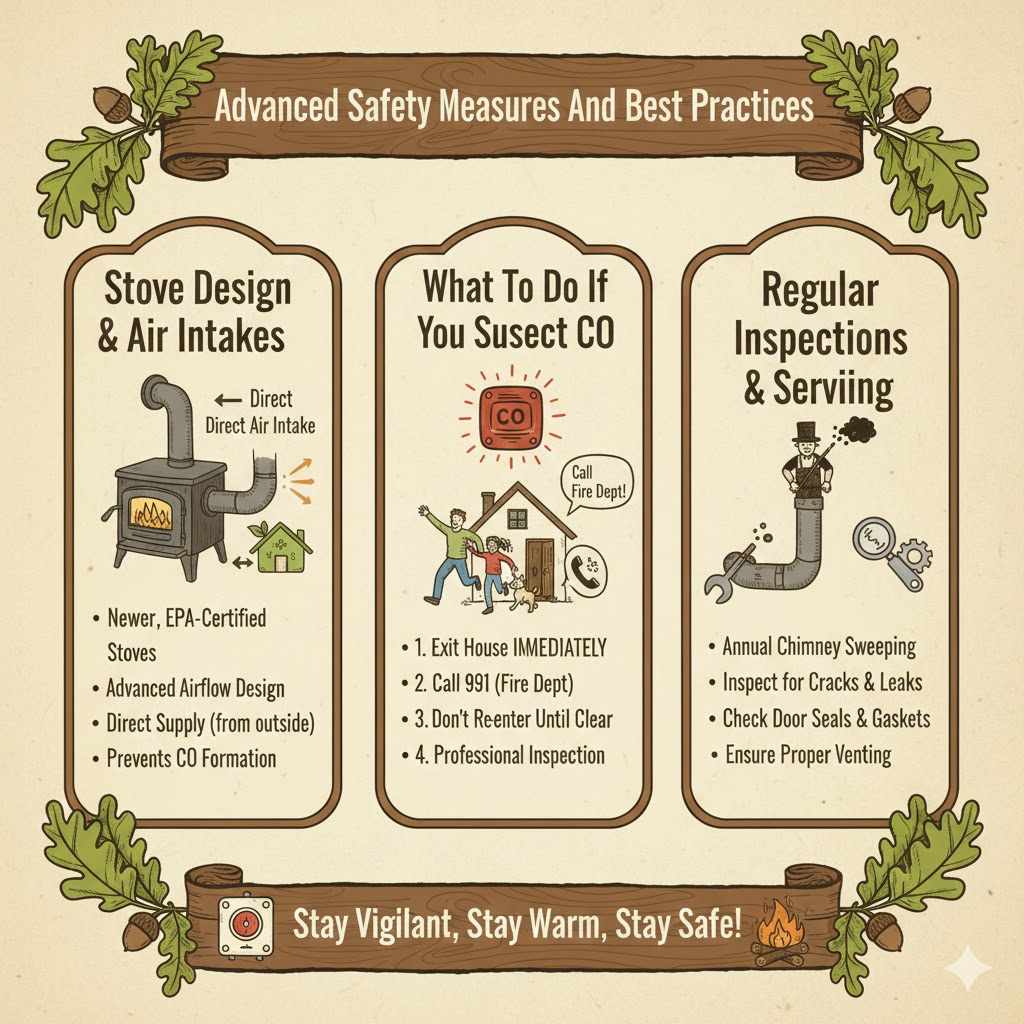
The design of your wood stove plays a big role in how efficiently it burns and how much carbon monoxide it might produce. Newer stoves, especially those certified by agencies like the EPA (Environmental Protection Agency), are designed to burn wood much cleaner. They often have advanced features to improve airflow and ensure more complete combustion.
One important feature is a direct air intake. This allows the stove to draw combustion air directly from outside your home, rather than relying on the air already inside. This is a significant advantage in tightly sealed modern homes.
It ensures the stove always has a consistent and adequate supply of fresh air, which is crucial for preventing CO formation.
When you’re looking to buy a new wood stove, pay attention to its efficiency ratings and whether it has a direct air intake system. Stoves that are EPA-certified generally burn cleaner and produce fewer emissions, including carbon monoxide. They are designed with combustion technology that aims for near-complete burning of the wood.
Even with a modern, efficient stove, proper operation and maintenance are still essential. The stove is only one part of the system; the chimney and your usage habits also have a big impact on safety.
What To Do If You Suspect CO
If your carbon monoxide detector goes off, or if you experience flu-like symptoms while using your wood stove, it’s crucial to act quickly. Your first and most important step is to get everyone out of the house immediately. Do not delay, even if you think the alarm might be false.
Your health and safety are the top priority.
Once you are safely outside, call your local fire department or emergency services. They have the tools and expertise to test your home for carbon monoxide and to identify the source of the problem. Do not re-enter your home until emergency responders have declared it safe to do so.
It is also wise to have a qualified heating or chimney professional inspect your wood stove and chimney system. They can identify any issues, such as leaks, cracks, blockages, or improper venting, that might be causing carbon monoxide to be released into your home.
Here’s a scenario: A family smelled a faint, unusual odor near their wood stove one evening. They didn’t have flu-like symptoms, but the smell made them uneasy. They decided to open windows and call a technician.
The technician found a small crack in the stovepipe where it entered the wall, allowing a small amount of CO to escape. They fixed the crack, and the smell, along with the potential CO risk, was eliminated.
Regular Inspections And Servicing
Think of regular inspections and servicing for your wood stove and chimney system like routine check-ups for your health. They help catch potential problems before they become dangerous issues.
This includes annual chimney sweeping to remove creosote and debris. It also involves a visual inspection of the stove itself. This inspection should check for any signs of wear and tear, cracks in the firebox, or damage to the door seals or gaskets.
A good seal is important to prevent smoke and gases from escaping into the room.
The chimney liner should also be checked for damage. The liner is the inner part of the chimney that contains the heat and gases. If it’s damaged, heat can escape into the surrounding structure, posing a fire risk, and gases can leak out.
Servicing also ensures that all the moving parts of your stove, like the air control dampers, are working correctly. A professional can make sure the stove is installed properly and that the vent system is correctly sized and connected.
These regular check-ups not only help prevent carbon monoxide leaks but also ensure your stove is operating efficiently, saving you money on fuel and providing a warmer home. It’s a proactive approach to safety.
One study found that more than 60 percent of residential heating system fires were caused by chimneys or vents that had not been cleaned or inspected regularly.
Frequently Asked Questions
Question: Can a wood burning stove produce carbon monoxide even when it is not in use
Answer: No, a wood burning stove cannot produce carbon monoxide when it is not in use. Carbon monoxide is a byproduct of combustion, which only occurs when wood is burning. However, if there is a blockage in the chimney, it could potentially allow carbon monoxide from another source (like a connected furnace) to enter the home, or unburned gases to linger.
Question: Is it safe to sleep with a wood burning stove on
Answer: It can be safe to sleep with a wood burning stove on, but only if it is operated correctly and you have working carbon monoxide detectors. Ensure there is adequate airflow for complete combustion, avoid fully closing air vents, and never use a stove that is not properly installed or maintained. Always have CO detectors nearby.
Question: How often should I have my chimney cleaned
Answer: It is generally recommended to have your chimney cleaned at least once a year. If you use your wood stove very frequently, you may need to have it cleaned more often, perhaps every cord of wood burned. Regular cleaning removes creosote buildup, which is essential for preventing chimney fires and ensuring safe operation.
Question: What are the symptoms of carbon monoxide poisoning
Answer: Symptoms of carbon monoxide poisoning can include headaches, dizziness, nausea, vomiting, confusion, and fatigue. At higher levels, it can lead to loss of consciousness and death. If you suspect CO poisoning, move everyone to fresh air immediately and call for emergency help.
Question: Can a new wood burning stove produce carbon monoxide
Answer: Yes, even a new wood burning stove can produce carbon monoxide if it is not operated correctly or if there are issues with ventilation. While modern stoves are designed for cleaner burning, improper use, poor airflow, or installation problems can still lead to incomplete combustion and CO production.
Summary
Yes, a wood burning stove can produce carbon monoxide, mainly due to incomplete combustion when oxygen is limited. Proper operation, regular chimney maintenance, and installing CO detectors are key safety measures. Ensuring good ventilation and understanding your stove’s function will help prevent dangerous gas buildup in your home.