Can You Burn Pressure-Treated Wood Safely
Many folks wonder, Can You Burn Pressure-Treated Wood in a Fire Pit? It’s a common question because treated wood is readily available, and the idea of free firewood is appealing. However, burning this type of wood can be tricky, and beginners often aren’t sure about the right steps. Don’t worry, we’ll break down everything you need to know in a simple, easy-to-follow way.
Let’s figure out what you can do.
Is It Okay to Burn Treated Lumber
The question of whether it’s okay to burn treated lumber is a serious one, touching on safety, environmental impact, and the longevity of your fire pit. Treated wood is wood that has been infused with chemicals to protect it from rot, insects, and decay. This process makes it last much longer outdoors.
However, these same chemicals can be released into the air when the wood is burned. This is the core concern for many people considering burning it.
Understanding the chemicals involved is key to answering this question. The most common treatment involves chemicals like chromated copper arsenate (CCA), alkaline copper quaternary (ACQ), and copper azole (CA). These chemicals are designed to be stable within the wood structure.
But when subjected to the high heat of a fire, they can break down and release various substances. This breakdown is what raises safety flags.
Understanding Wood Treatments
Wood treatments are designed to make wood last longer, especially when exposed to the elements. Different types of treatments use different chemicals to achieve this goal. Knowing what kind of treatment your wood has is the first step in deciding if it’s safe to burn.
For many years, CCA was a popular choice for treating wood. It contains arsenic, copper, and chromium. While effective at preventing rot and insect damage, the arsenic component is a significant concern when it comes to burning.
Newer treatments like ACQ and CA use copper and organic compounds. These are generally considered safer for disposal and burning, but still require careful consideration.
The chemicals are usually forced deep into the wood under pressure. This ensures they penetrate the entire piece, offering maximum protection. This deep penetration means that even when the wood is cut or drilled, the treated core is still present.
The color of the wood, often a greenish tint, can sometimes indicate it’s treated, but not always. It’s always best to check for markings or ask the supplier.
CCA Treated Wood Concerns
Chromated copper arsenate (CCA) is a wood preservative that was widely used for decades. It was very effective at preventing decay and insect infestation in lumber used for decks, fences, and playground equipment. The main components of CCA are copper, chromium, and arsenic.
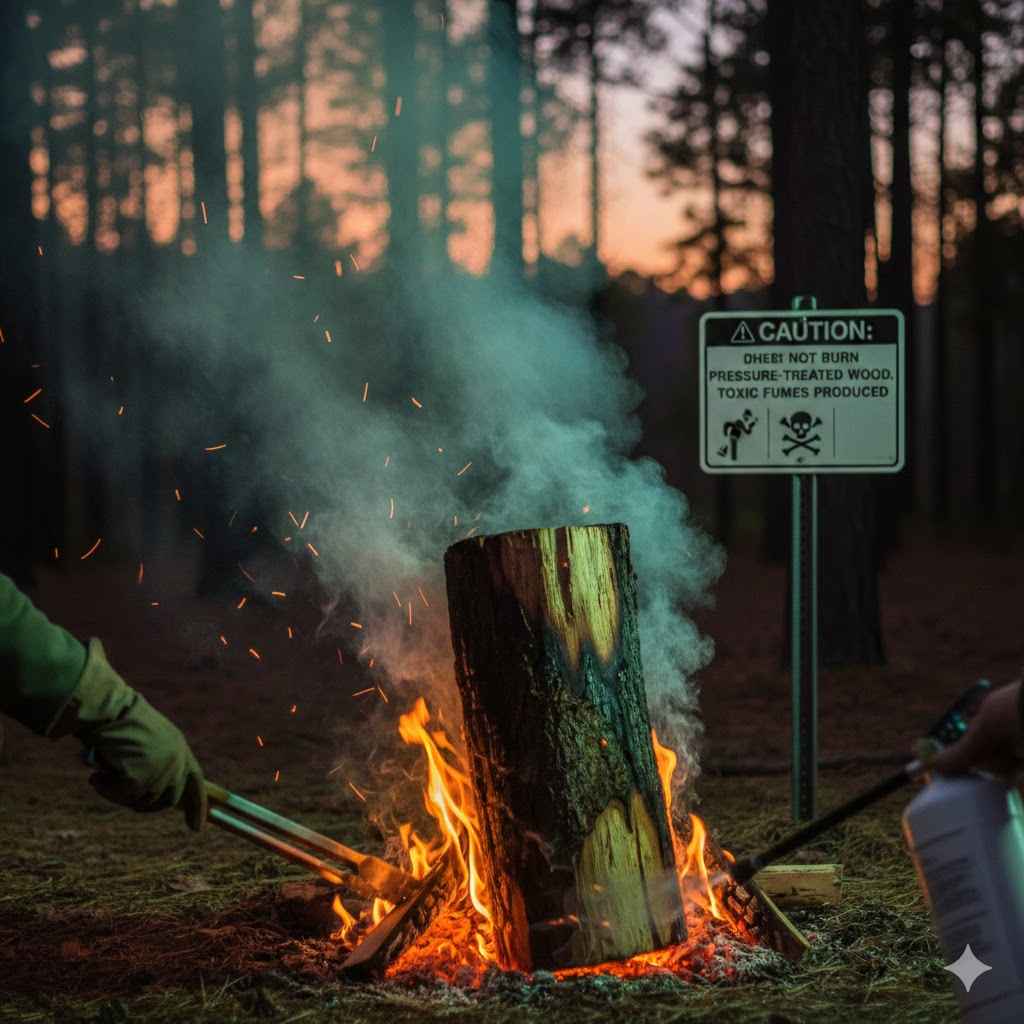
The presence of arsenic in CCA is the primary reason why burning CCA-treated wood is strongly discouraged. Arsenic is a toxic heavy metal. When wood treated with CCA is burned, arsenic can be released into the air as fine particles or smoke.
Inhaling these particles can pose serious health risks.
Exposure to arsenic can lead to a range of health problems, including skin lesions, nerve damage, and an increased risk of certain types of cancer. The chromium in CCA can also cause respiratory irritation. Therefore, any wood that you suspect is treated with CCA should not be burned in an outdoor fire pit or a fireplace.
ACQ and CA Treated Wood
Alkaline copper quaternary (ACQ) and copper azole (CA) are more modern wood preservatives that have largely replaced CCA. These treatments still use copper compounds to prevent rot and insect damage, but they do not contain arsenic.
ACQ uses copper in combination with quaternary ammonium compounds. CA uses copper in combination with organic azole compounds. These chemicals are designed to be less toxic than CCA when released.
However, they still introduce chemicals into the environment when burned.
While ACQ and CA are generally considered safer than CCA, burning wood treated with them is still not ideal. The burning process can release copper particles and other compounds into the air. These can be irritating to the lungs and contribute to air pollution.
For this reason, many experts still advise against burning wood treated with ACQ or CA, especially in residential areas.
Health Risks of Burning Treated Wood
Burning treated wood can release harmful chemicals into the air. This is a major concern for your health and the health of those around you. The type of chemical treatment on the wood will determine the specific risks involved.
It’s important to be aware of these potential dangers before you light a fire.
When treated wood burns, it can release a variety of toxic fumes and particulate matter. These can include heavy metals like arsenic and chromium, as well as volatile organic compounds (VOCs). Breathing in these substances can cause immediate health problems, such as headaches, dizziness, and respiratory irritation.
Over time, exposure can lead to more serious issues.
The smoke from burning treated wood may also contain fine ash particles. These can be inhaled deep into the lungs. The chemicals attached to these particles can cause long-term damage to the respiratory system.
For individuals with existing respiratory conditions like asthma or bronchitis, burning treated wood can trigger severe attacks.
Inhalation of Toxic Fumes
The primary health risk associated with burning treated wood is the inhalation of toxic fumes. When the wood combusts, the chemical preservatives break down and release gases and fine particles into the atmosphere. These airborne substances can be inhaled by anyone nearby.
For instance, burning CCA-treated wood can release arsenic into the air. Arsenic is a known carcinogen and can cause a range of acute and chronic health problems. Symptoms of acute arsenic poisoning include nausea, vomiting, diarrhea, and abdominal pain.
Chronic exposure can lead to skin changes, neurological issues, and an increased risk of lung, bladder, and skin cancers.
Even with newer treatments like ACQ and CA, which don’t contain arsenic, the combustion process can still release harmful byproducts. The copper in these treatments, when burned, can create fine metallic particles. Inhaling these copper fumes can cause metal fume fever, an illness with flu-like symptoms.
It’s a clear indication that these fumes are not meant for breathing.
Dangers of Ash and Residue
Beyond the fumes, the ash and residue left behind after burning treated wood can also pose a danger. The chemicals that were used to preserve the wood don’t just disappear; they can end up in the ash. This ash can be contaminated with heavy metals and other toxins.
If this ash is handled without proper precautions, it can lead to skin irritation or other adverse reactions. More importantly, if the ash is disposed of improperly, it can contaminate soil and water sources. For example, ash containing arsenic could leach into the ground and make its way into nearby streams or groundwater, posing a threat to ecosystems and human health.
Children and pets are particularly vulnerable to the dangers of contaminated ash. They might come into contact with it or even ingest small amounts. This is why it’s crucial to handle the ash from treated wood fires with extreme care.
It often requires special disposal methods, much like hazardous waste.
Environmental Impact
Burning treated wood not only affects your health but also the environment. The chemicals released into the air can contribute to air pollution. Furthermore, the ash and any unburned materials can contaminate the soil and water.
When wood treated with chemicals burns, these chemicals can be released as particulate matter and gases. This contributes to the overall burden of air pollution in the surrounding area. For communities, this can mean a decline in air quality, which affects everyone’s respiratory health.
The ash produced can contain heavy metals and other toxins. If this ash gets into waterways, it can harm aquatic life. Contaminated soil can affect plant growth and the health of the ecosystem.
Proper disposal is essential to minimize these environmental harms.
Air Pollution Contribution
The contribution of burning treated wood to air pollution is a significant concern. When these woods burn, they release a cocktail of chemicals into the atmosphere. This can include volatile organic compounds (VOCs), particulate matter, and heavy metals, depending on the type of treatment.
For example, VOCs can contribute to the formation of ground-level ozone, a major component of smog. Smog can cause respiratory problems, aggravate asthma, and damage vegetation. The particulate matter released is also a health hazard, as it can be inhaled deep into the lungs, leading to respiratory and cardiovascular issues.
Areas with high concentrations of burning treated wood, such as construction sites or industrial areas where waste wood is often burned, can experience noticeably lower air quality. This pollution doesn’t just stay localized; wind can carry these pollutants over long distances, affecting wider regions and contributing to regional air quality problems.
Soil and Water Contamination
The ash produced from burning treated wood is not safe to spread on gardens or discard in regular landfills. It can contain remnants of the preserving chemicals, such as copper or arsenic. If this ash leaches into the soil, it can harm plants and soil microorganisms.
When rain falls, these contaminants can be washed into nearby streams, rivers, or lakes. This can poison aquatic life and make water sources unsafe for drinking or recreation. Proper disposal of ash from treated wood often involves taking it to a hazardous waste facility, highlighting its potential to contaminate both soil and water.
A study by the Environmental Protection Agency (EPA) has shown that ash from treated wood can leach heavy metals into the environment for extended periods. This underscores the importance of responsible disposal practices to prevent long-term environmental damage. It is a reminder that seemingly simple actions can have far-reaching consequences.
Can You Burn Pressure-Treated Wood in Your Fire Pit Safely
So, can you burn pressure-treated wood in your fire pit? The short answer is generally no, not if you want to do it safely for yourself and the environment. While it might seem like a good way to get rid of scrap wood or enjoy a quick fire, the risks usually outweigh the benefits.
Understanding these risks is the first step to making a safe choice.
The chemicals that make pressure-treated wood so durable are the same ones that make it dangerous to burn. When these chemicals are heated, they can release toxic fumes and particulate matter into the air. These substances can cause a variety of health problems for anyone breathing them in.
Plus, the ash left behind can be hazardous and contaminate the environment.
The type of treatment matters. Wood treated with older chemicals like CCA is particularly dangerous due to arsenic content. Newer treatments are less toxic, but still not advisable for burning.
Even if you think you have newer treated wood, it’s often best to err on the side of caution and avoid burning it altogether.
Identifying Treated Wood
Before you even consider burning wood, you need to know if it’s treated. Sometimes, treated wood has a greenish tint, but this is not always the case, especially after it has aged. Look for stamps or markings on the wood.
Many pieces of lumber will have a stamp indicating the type of treatment used.
If you can’t find a stamp, try to remember where you got the wood. Was it from a construction site, a deck building project, or purchased specifically for outdoor use where longevity is important? These are clues that it might be treated.
When in doubt, it’s always safer to assume it’s treated and avoid burning it.
Another sign is the feel of the wood. Treated wood can sometimes feel a bit slick or have a slightly waxy coating, though this isn’t a foolproof method. The most reliable way is through visual inspection of stamps or tags.
If you’re buying wood, always ask the seller if it’s treated and what type of treatment was used.
Stamps and Markings
Manufacturers often stamp pressure-treated lumber with specific codes or labels. These markings indicate the type of treatment and the retention level of the preservatives. For example, you might see codes like “ACQ,” “CA,” or older “CCA” stamps.
Learning to read these stamps is a crucial skill for identifying treated wood. While the exact format of stamps can vary by manufacturer and region, they typically include information about the treatment process and the chemicals used. Look for stamps near the ends of the boards or on the sides.
If you find a stamp that indicates a chemical preservative, especially if it mentions copper, arsenic, or chromium, it’s a clear sign that the wood is treated. Even if the stamp is unclear or worn, the presence of such treatments means it should not be burned. It’s better to be safe than sorry when it comes to potential health hazards.
Color and Texture Clues
The color of pressure-treated wood can sometimes be a giveaway. Freshly treated wood often has a greenish hue due to the copper-based preservatives. However, as the wood ages and is exposed to sunlight and weather, this green color can fade, sometimes becoming a gray or brown color, making it harder to distinguish from untreated wood.
The texture of treated wood might also feel slightly different. Some treatments can leave a subtle waxy or slick feeling on the surface. However, this is not a definitive test, as natural wood variations can also create different textures.
Relying solely on color or texture can be misleading.
The best approach is to combine these visual clues with other identification methods, like looking for stamps. If a piece of wood has a greenish tint and seems to have a smoother finish than expected, it’s a good indicator that it might be treated. Always cross-reference this with other identification methods for certainty.
Alternatives to Burning Treated Wood
If you have pressure-treated wood that you need to dispose of, there are better and safer alternatives to burning it in your fire pit. These methods ensure you don’t release harmful chemicals into the air or soil, and they comply with environmental regulations.
One of the most common and recommended methods is to take it to a local waste disposal facility. Many landfills have specific sections for treated wood, or they can advise you on the proper disposal procedures. Some recycling centers may also accept treated wood for repurposing.
Always check with your local authorities for the most up-to-date guidelines.
Another option for smaller amounts of treated wood might be to repurpose it for other outdoor projects where burning is not involved. However, if it’s old and deteriorated, disposal is usually the best route. Prioritize safety and environmental responsibility when dealing with treated wood.
Proper Disposal Methods
The safest way to get rid of pressure-treated wood is through proper disposal channels. This usually means taking it to a designated waste management facility. These facilities are equipped to handle materials that might be hazardous or require special treatment.
Contact your local municipality or waste disposal service to find out about their specific policies for treated wood. Some areas might have specific collection days or require you to drop it off at a particular site. They can provide you with the most accurate information for your location.
Never bury treated wood or dump it in natural areas. The chemicals can leach into the soil and groundwater, causing long-term environmental damage. Following recommended disposal practices ensures that the wood is handled in a way that minimizes harm to people and the planet.
Repurposing and Recycling
Sometimes, pressure-treated wood can be repurposed for other projects, provided it’s still in good condition and not severely degraded. For instance, smaller pieces might be suitable for non-structural elements of outdoor furniture, garden bed frames, or other creative outdoor projects where it won’t be burned.
However, it’s crucial to ensure that any repurposed treated wood does not come into contact with food or drinking water. Also, when cutting or sanding treated wood, wear protective gear to avoid inhaling sawdust, which can contain preservative chemicals.
Recycling programs for treated wood are becoming more common in some regions. These programs often involve chipping the wood and using it for mulch, compost, or as fuel in industrial settings where emissions can be properly controlled. Check with your local recycling centers or waste management services to see if such options are available.
What to Burn Instead
When you’re looking to build a fire in your fire pit, opting for untreated wood is always the safest and best choice. There are many types of wood that are perfect for burning and will give you a clean, enjoyable fire without the risks associated with treated lumber.
Seasoned firewood is ideal. This means wood that has been dried for at least six months, or ideally a year. Drying allows the moisture content to reduce significantly, making the wood easier to ignite, burn hotter, and produce less smoke.
You can buy seasoned firewood from local suppliers or dry your own if you have access to untreated logs.
Think about local hardwoods like oak, maple, or birch. These woods are known for producing good heat and burning for a long time. Softwoods like pine can be used for kindling and starting fires, but they burn faster and can produce more sparks.
Seasoned Firewood
Seasoned firewood is wood that has been cut and dried for a significant period, typically six months to two years. This drying process reduces the moisture content from over 50% down to about 15-20%. The lower moisture content is critical for a good burn.
When wood is seasoned, the water inside evaporates. This makes it much easier to light and burn. Wet or unseasoned wood smolders and smokes a lot, producing less heat and more creosote buildup in chimneys, which can be a fire hazard.
Seasoned wood, on the other hand, burns cleanly and hot.
You can often identify seasoned wood by its appearance. The ends of the logs might show cracks or checks due to drying. The wood will also feel lighter than unseasoned wood.
If you buy firewood, ask the seller if it’s seasoned. If you cut your own, stack it in a dry, well-ventilated area and cover it to protect it from rain.
Types of Natural Firewood
There are many types of natural firewood that are excellent choices for your fire pit. Hardwoods are generally preferred for their density and long-lasting burn. Examples include oak, maple, ash, and hickory.
Oak is known for its consistent heat output and minimal sparking. Maple provides a good amount of heat and burns steadily. Ash is also a great choice, burning well even when not perfectly seasoned.
Hickory burns very hot and provides a pleasant aroma.
Softwoods like pine, fir, and cedar are good for starting fires because they ignite easily. However, they burn faster and can produce more sparks and creosote. It’s a good idea to have a mix of softwoods for starting and hardwoods for sustained burning.
Always ensure the wood is untreated and natural.
Frequently Asked Questions
Question: Can I burn pressure-treated wood from a deck that’s being torn down
Answer: It’s best not to burn deck wood that has been pressure-treated. Even if it’s old, residual chemicals can be released when burned. Always opt for natural, untreated wood for your fire pit.
Question: What happens if I accidentally burn a small amount of treated wood
Answer: Burning a small amount might not cause immediate severe issues, but it’s still not recommended. The fumes can be irritating, and it’s best to avoid exposing yourself and others to potentially toxic substances.
Question: How can I tell if wood is pressure-treated
Answer: Look for stamps or markings on the wood that indicate treatment type (e.g., ACQ, CA). Older wood might have a greenish tint, but this can fade over time. When in doubt, assume it’s treated and do not burn it.
Question: Is ash from treated wood dangerous
Answer: Yes, ash from treated wood can contain hazardous chemicals like heavy metals. It should be disposed of carefully, often as hazardous waste, and should not be used in gardens or spread around.
Question: Are there any fire pit regulations about burning treated wood
Answer: Many local regulations prohibit the burning of treated wood due to air quality and health concerns. Always check your local fire codes and environmental guidelines before burning any wood.
Summary
In short, you should avoid burning pressure-treated wood in your fire pit. The chemicals used to preserve the wood release toxic fumes and ash when burned, posing health and environmental risks. Always choose natural, seasoned firewood for a safe and enjoyable fire.