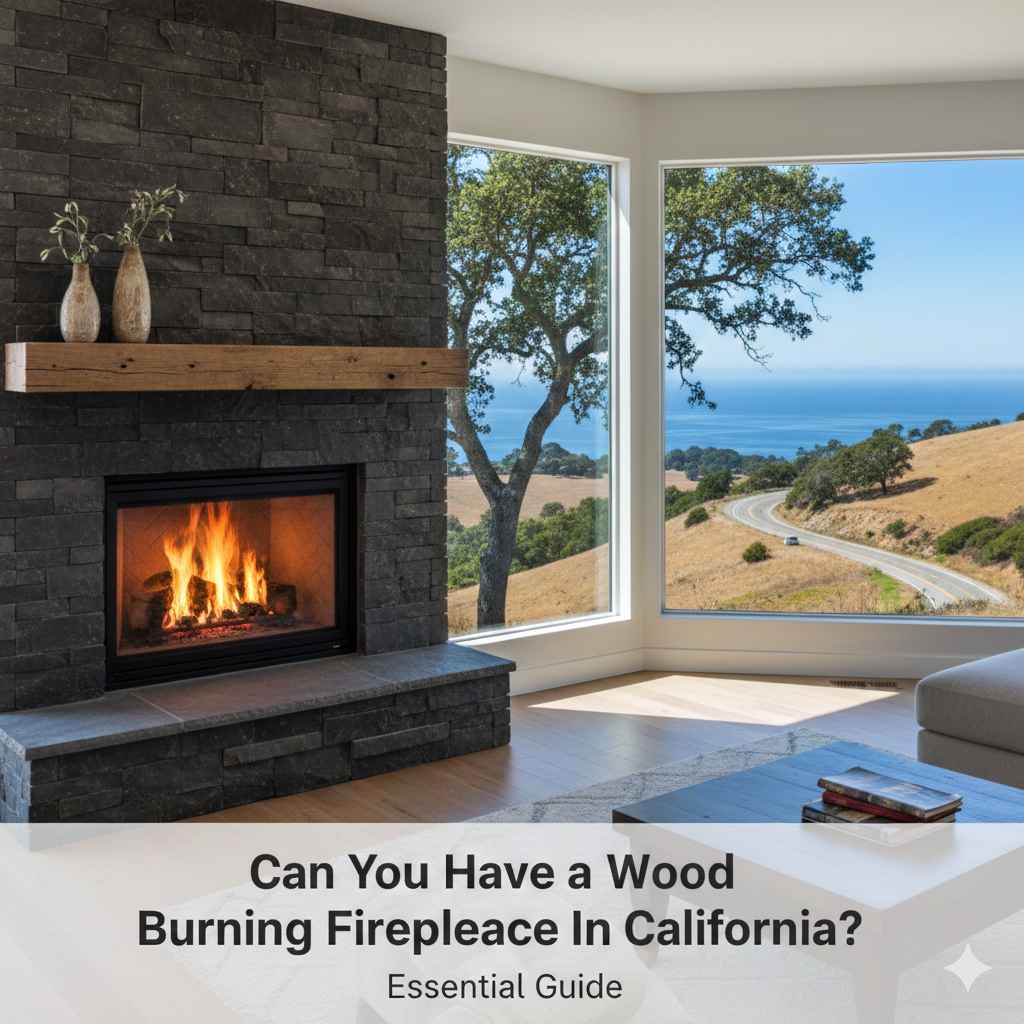
Can You Have a Wood Burning Fireplace In California? Essential Guide
Yes, you can still have a wood-burning fireplace in California, but there are strict local rules. Many older units must be upgraded or replaced with EPA-certified models or cleaner heating alternatives to meet air quality standards, especially in high-pollution areas. Always check your specific county regulations first.
Thinking about cozying up to a real wood fire in your California home can feel tricky right now. You hear about air quality rules and regulations constantly, which makes you wonder if that traditional hearth is still allowed. It’s frustrating when you just want the comforting crackle and warmth only real wood can provide! Don’t worry; this isn’t a total ban, but it does require knowing the specific rules where you live. Many homeowners successfully navigate these requirements every year. We are going to break down exactly what is allowed, what you might need to change, and how you can safely enjoy that wood-burning ambiance in the Golden State. Let’s dive into the essential guide to owning a wood fireplace legally and safely in California.
The short, simple answer is: Yes, you generally can, but with significant restrictions that vary greatly depending on where you live in California.
California is serious about keeping its air clean. Because of this, the state—and often local air districts—sets strict rules, especially concerning particulate matter released from wood smoke. These rules impact both installing new fireplaces and keeping existing ones operational.
The two main bodies influencing your situation are:
- The California Air Resources Board (CARB): This statewide agency sets emission standards for wood-burning devices.
- Local Air Quality Management Districts (AQMDs): These county or regional districts enforce local bans during high pollution days (Spare the Air days) and manage permitting for new installations.
If you live in a densely populated area like the San Joaquin Valley or the Los Angeles basin, your restrictions will be much tighter than someone living in a rural coastal county.
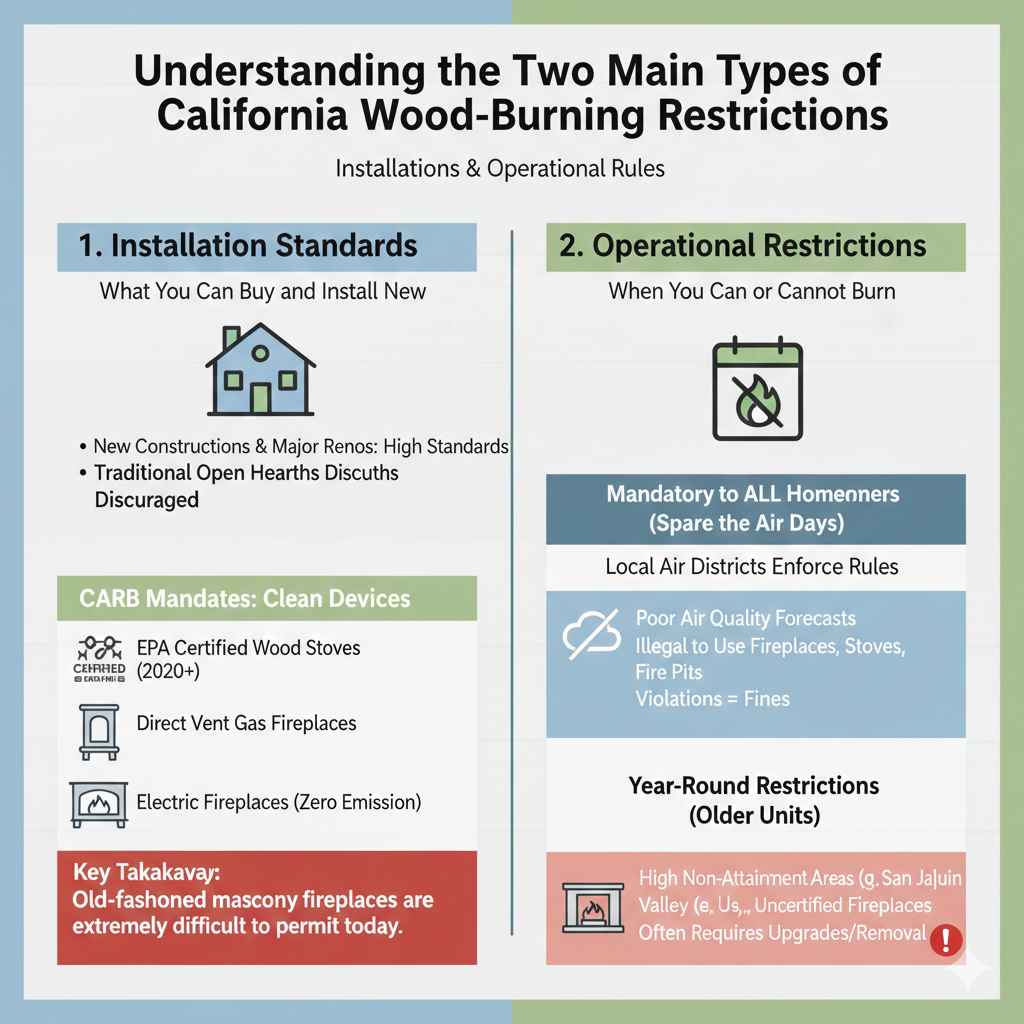
Understanding the Two Main Types of Restrictions
When discussing wood-burning appliances in California, you are dealing with two different sets of rules that work together: installation standards and operational restrictions.
1. Installation Standards: What You Can Buy and Install New
If you are building a new home or planning a major fireplace renovation, the standards for what you can purchase and install are very high. California actively discourages traditional open-hearth wood fireplaces.
CARB mandates that all new wood-burning devices sold or installed in California must meet extremely strict emission standards. This means that if you are putting in a brand-new unit, it almost certainly needs to be one of the following highly efficient types:
- EPA Certified Wood Stoves or Inserts: These devices are tested and certified to burn much cleaner. Look for models certified to meet the stringent 2020 federal emission standards (or the even tougher California standards, if applicable).
- Direct Vent or Ventless Gas Fireplaces: Many new constructions opt for these as they burn cleanly and efficiently, meeting modern building codes without the smoke issues of wood.
- Electric Fireplaces: These are zero-emission options that are often the easiest path for new construction compliance.
Key Takeaway for New Installs: An old-fashioned, open masonry fireplace built today would be almost impossible to permit unless it meets stringent, costly efficiency requirements.
2. Operational Restrictions: When You Can or Cannot Burn
This is where most homeowners run into trouble. Even if you have an old, grandfathered-in fireplace, local Air Districts can restrict when you are allowed to use it to protect public health.
These restrictions typically fall into two categories:
Mandatory Burn Bans (Spare the Air Days)
When air quality forecasts predict poor conditions (usually during cold, stagnant winter inversions), the local AQMD will issue a “No Burn Day” or “Spare the Air Day.” On these days, using any solid-fuel burning appliance—including fireplaces, wood stoves, and even outdoor fire pits—is strictly illegal. Violations can result in significant fines.
Year-Round Restrictions (For Older Units)
In certain high non-attainment areas (regions that struggle the most to meet federal clean air standards, like the San Joaquin Valley), there may be rules that prohibit the use of older, uncertified fireplaces or stoves year-round, often requiring them to be removed or upgraded.
Most established California homes have older, open-hearth wood fireplaces. These were typically installed before modern emission controls were in place and are often the least efficient option. Here is your roadmap for keeping or modifying your existing setup.
Option 1: Changing to Cleaner Burning Fuel (Gas or Propane Inserts)
If your chimney structure is sound, converting your wood-burning fireplace to a gas log set is often the most reliable way to ensure compliance and frequent use. Gas burns significantly cleaner than wood.
Pros:
- Meets most air district requirements for daily use.
- No soot or hauling wood.
- Easy on/off switch.
Considerations: You must ensure the conversion meets clearance and venting codes. Check with your local building department; some areas still regulate gas fireplace use on high pollution days, though it is less common than wood bans.
Option 2: Installing an EPA-Certified Wood Insert
A wood stove insert is essentially a wood-burning stove built to fit inside the existing masonry fireplace opening. This is a popular choice for homeowners who want the real wood experience but need better efficiency and lower emissions.
To be legal in most parts of California, the insert must be:
- Tested and certified by the Environmental Protection Agency (EPA).
- Approved by CARB for sale and use in California.
- Properly installed with a proper liner running up the chimney, usually inspected by the local building department.
When shopping, remember: Older wood stoves rated prior to 1990 do not meet current California standards and should be replaced.
Option 3: Masonry Fireplace Replacement (The Big Upgrade)
If your existing chimney is failing or you want a modern look, you might choose to replace the entire unit. This usually means installing a high-efficiency, EPA-certified factory-built fireplace (not just a basic open masonry structure) or converting to a pellet stove or gas unit.
Crucial Step: Know Your Local Air District
The single most important factor is where in California you live. Statewide rules are broad, but county-level enforcement and additional local ordinances dictate daily reality. Failing to check your local district is the fastest way to get a fine or an illegal installation.
Here is a table showing major California Air Districts and a key area of their focus regarding wood burning:
| Air District | Primary Jurisdiction | Key Consideration |
|---|---|---|
| San Joaquin Valley APCD (SJVAPCD) | Central Valley (Fresno, Bakersfield, etc.) | Often has the strictest rules, including mandatory curtailments for older units. |
| South Coast AQMD (SCAQMD) | Greater Los Angeles Area, Orange County | Heavy emphasis on replacing older wood-burning devices with cleaner alternatives. |
| Bay Area AQMD (BAAQMD) | San Francisco Bay Area | Very active enforcement of wood smoke regulations, especially during winter inversions. |
| Lesser Populated/Rural Districts | Coastal, Mountain Regions | Restrictions may focus mainly on mandatory burn bans, with fewer year-round device restrictions. |
You can find official maps and details by searching for your county’s name followed by “Air Quality Management District” (e.g., “San Diego Air Quality Management District”). These sites post the current burn status daily.
The Wood Itself Matters: Burning Only Approved Fuels
Even if your appliance is legal, burning the wrong type of wood can still lead to citations, especially on smoky days. Using illegal fuels creates excess pollution.
When you do burn, stick to the basics. Burning wet, unseasoned wood is a major source of smoke, regardless of your fireplace’s age. It smolders instead of burning hot, creating creosote and smoke.
What You Should Always Burn (The Good Stuff):
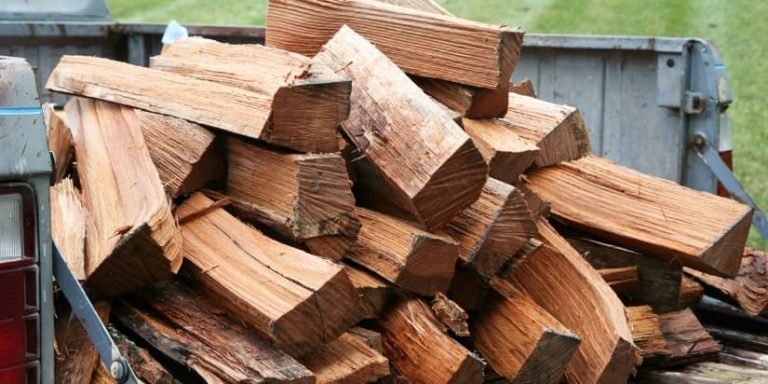
- Well-seasoned, dry hardwood (oak, maple, fruitwoods) that has been split and dried for at least six months to a year.
- Manufactured fire logs specifically labeled for wood stoves or fireplaces (check for local acceptance first).
What You Must NEVER Burn in California:
- Trash, plastic, or glossy paper.
- Wet, green, or moldy wood.
- Treated, painted, or stained lumber (this releases toxic chemicals).
- Yard debris or construction scraps.
For an excellent overview of proper wood seasoning and fire safety, you can always consult resources from the U.S. Environmental Protection Agency’s Burnwise program, which provides general best practices applicable to California’s clean air goals.
Safety First: Crucial Maintenance for Compliance
Whether you have a new EPA insert or an old open fireplace, safety maintenance is non-negotiable in California. Poorly maintained chimneys are a massive fire hazard, and that risk increases when you have tighter burn restrictions, as people may be tempted to use their fireplaces during unapproved times.
Annual Professional Chimney Inspection
Always hire a CSIA (Chimney Safety Institute of America) certified professional to inspect your chimney liner, flue, and damper every year before the heating season begins. They check for cracks, blockages, and, most importantly, creosote buildup.
Understanding Creosote
Creosote is a highly flammable byproduct of burning wood. If you burn damp wood or let your fire smolder too long, creosote builds up on the inside of your chimney. This is the primary cause of chimney fires.
| Creosote Stage | Appearance | Action Required |
|---|---|---|
| Stage 1 (Soot) | Fluffy, flaky soot. | Easy brushing removal during inspection. |
| Stage 2 (Tar-like) | Crunchy, shiny black coating. | Requires specialized rotary cleaning tools. |
| Stage 3 (Glazed) | Hard, thick, varnish-like coating. | Extremely flammable; requires aggressive chemical or mechanical removal. |
When you have an insert, the process is often simpler, but the liner still needs inspection, especially where it connects to the stove itself.
DIY Confidence: What Beginners Can Check Themselves
You don’t need to be a chimney sweep, but doing a little prep work before the annual service helps you stay ahead.
- Clear the Area: Make sure the area around the fireplace opening and chimney base is clear of rugs, furniture, and flammable materials.
- Inspect the Damper: If you have a traditional fireplace, open and close the damper a few times to ensure it moves freely and seals relatively well when closed (this stops air leaks when the fire is out).
- Check the Exterior Chimney Cap: Look up from the ground (safely!) or have someone on a secure ladder check that the chimney cap is intact. It stops rain, debris, and animals from entering the flue.
- Operate the Stove/Insert: If you have a certified insert, run it for a short period on a cool morning to ensure the door seals tightly and the air intake controls work correctly.
Remember, we are DIY experts, but chimneys deal with intense heat and dangerous gases. Always trust a certified professional for the actual cleaning and safety check!
Understanding Incentives and Rebates for Upgrades
California often provides financial help to homeowners willing to swap out old, smoky wood-burning devices for cleaner alternatives. These programs are run by the local Air Districts and can significantly lower the cost of upgrading to a high-efficiency gas fireplace, pellet stove, or electric heat pump.
These incentives are typically targeted at residents in the most heavily polluted zones (like the San Joaquin Valley or South Coast regions).
Here is what you should look for when searching for funding:
- “Burn Cleaner” or “Wood Stove Change-Out” Programs: These are the most common titles for grant programs that pay you to remove a non-compliant stove or fireplace.
- Federal Tax Credits: Sometimes, high-efficiency EPA-certified wood or pellet stoves qualify for federal energy efficiency tax credits.
- Local Utility Rebates: Your gas or electric utility might offer rebates for installing high-efficiency heating systems that replace wood burning entirely.
Pro Tip: Never remove or destroy your old wood-burning appliance before your local Air District inspects and approves the replacement, as you need proof of removal to receive the funds.
The Legal Implications of Burning Illegally
It sounds less friendly than talking about carpentry, but knowing the fines is essential for responsible homeownership in California. Air quality enforcement is taken seriously, especially in urban areas.
Fines for burning on mandatory No-Burn Days or operating a non-certified stove can vary widely, but they are not small.
A general guideline, though subject to local district variance, looks something like this:
| Violation Type | Typical Fine Range (Varies by AQMD) | Frequency Impact |
|---|---|---|
| First Offense (On a Burn Ban Day) | $50 – $150 | Usually cited for a single day of use. |
| Second Offense | $200 – $500 | Enforcement escalates quickly. |
| Operating Non-Compliant Appliance (Year-Round) | Can lead to mandatory replacement orders and higher initial fines. | Addresses the source of pollution, not just the single burn event. |
The best way to avoid fines is simple: follow the daily air quality alerts posted by your local AQMD. They make it very clear when burning is prohibited.
Comparing Heating Options for the California Homeowner
If you are renovating or replacing an old unit, you have choices beyond just sticking with wood. Since the goal is often warmth, ambiance, and air quality compliance, comparing the top three options helps you make an informed, DIY-friendly decision.
Here is a simple comparison to help you decide which route fits your budget and lifestyle best:
| Feature | EPA Wood Insert | Direct-Vent Gas Insert | Electric Fireplace |
|---|---|---|---|
| Authentic Fire Experience | Highest (Crackling sound, smell) | High (Realistic log display, gentle heat) | Medium (Visual flames only) |
| Ease of Operation | Medium (Requires loading and tending) | Easiest (Thermostat/Remote controlled) | Easiest (Plug-in or remote) |
| Emission Compliance | Excellent (If EPA 2020 certified) | Excellent (Near zero particulate emissions) | Perfect (Zero emissions) |
| Installation Complexity | Moderate to High (Requires chimney liner) | Moderate (Requires gas line and venting) | Low (Often vent-free, minimal labor) |
For the hands-on DIYer who loves the ritual of building a fire, the EPA Wood Insert remains the king. However, if you want maximum usability throughout the winter without worrying about burn day restrictions, gas or electric are superior California choices.
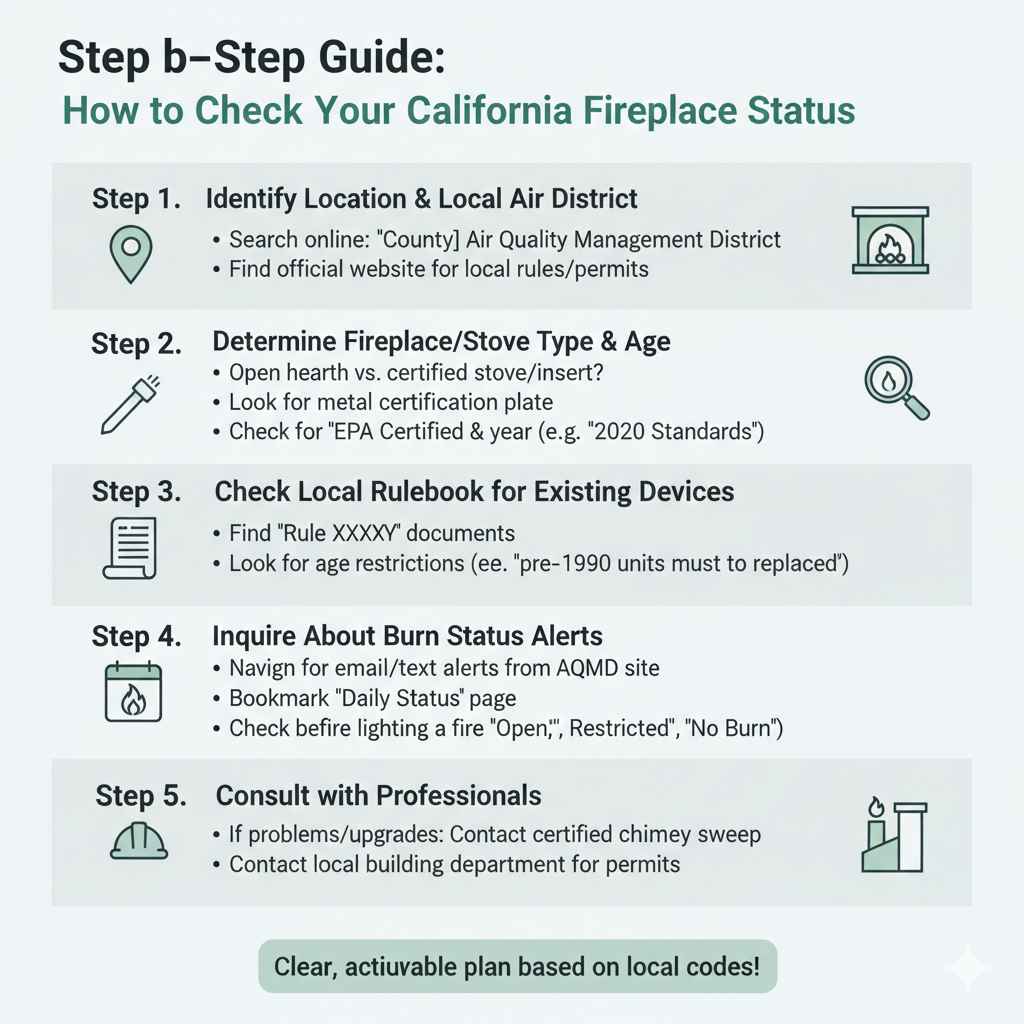
Step-by-Step Guide: How to Check Your Current Fireplace Status
If you just bought a house or aren’t sure about your existing unit’s legality, follow these steps to gain clarity and confidence:
Step 1: Identify Your Location and Local Air District
Start by searching online: “[Your County Name] Air Quality Management District.” Locate their official website. This is your primary source of truth for local rules, bans, and permitting.
Step 2: Determine Your Fireplace/Stove Type and Age
Look closely at your unit. Is it an open hearth (just brick and a hole)? Is it a metal box inserted into the hearth? If it is a stove or insert, look for a metal certification plate affixed to the back or side. It should clearly state if it is EPA certified and provide the certification year (e.g., “Certified to meet 2020 EPA Standards”).
Step 3: Check the Local Rulebook for Existing Devices
Navigate to the “Residential” or “Open Burning” section of your AQMD website. Look for documents titled “Rule XXXXX,” which detail requirements for existing wood-burning devices. Some rules might state that fireplaces older than 1990 must be replaced or permanently decommissioned.
Step 4: Inquire About Burn Status Alerts
Sign up for email or text alerts from your AQMD, or bookmark the main page where they post the daily “Burn Status” (e.g., “Open,” “Restricted,” or “No Burn”). This is how you find out if you can light a fire today.
Step 5: Consult with Professionals (If Considering Changes)
If your inspection revealed problems, or you plan an upgrade (like installing an insert), contact both a certified chimney sweep and your local building department. The sweep knows the appliance mechanics; the building department knows the permit requirements.
By following these five steps, you transform the confusing question of “Can I burn wood?” into a clear, actionable plan based on verifiable local codes.
Frequently Asked Questions (FAQs) for California Fireplace Owners
Q1: If I live outside the major metro areas, can I ignore the rules?
A: No. While enforcement might be less frequent, statewide CARB rules still apply to the type of appliance you can install new. Furthermore, all counties must honor mandatory statewide Spare the Air Days issued during extreme weather events. Always check your local AQMD advisory first.
Q2: Can I use my open-hearth fireplace on days that aren’t designated “No Burn Days”?
A: In many dense air districts (like the Bay Area or South Coast), yes, you generally can use an existing, uncertified open fireplace on non-alert days. However, some specific local jurisdictions have phased out the use of all uncertified devices entirely. Check your local ordinance to be certain.
Q3: What is the easiest, cheapest upgrade to make my old fireplace legal?
A: The cheapest option is often installing a set of EPA-certified gas logs. These require less intrusive installation than a wood insert, burn very cleanly, and usually allow use even when wood burning is restricted. Installation costs are often subsidized by local utility rebates.
Q4: If I replace my wood stove with a new, high-efficiency wood stove, do I still have to abide by “No Burn Days”?
A: Yes. Even the cleanest, newest EPA-certified wood stoves are still subject to mandatory “No Burn Days” or curtailment orders issued by local Air Districts when air quality is critically poor. Cleaner burning helps, but smoke emissions are still restricted when the air cannot handle any additional particulate matter.
Q5: If I never use my fireplace, do I still need to upgrade or remove it?
A: Generally, if the unit is permanently decommissioned (e.g., the chimney is sealed, or the firebox is completely filled and vented as a non-combustible space), you may avoid mandatory replacement requirements. However, if you own a non-compliant unit, the local AQMD may require you to remove it during a neighborhood compliance sweep, even if you haven’t used it recently.
Q6: Are pellet stoves considered wood-burning fireplaces?
A: Pellet stoves are generally treated as a separate category. They burn very cleanly and efficiently, often meeting stricter standards than wood stoves. In many areas, they are exempt from wood-burning restrictions entirely, making them a fantastic alternative for consistent heat.
Conclusion: Enjoying Your California Hearth Responsibly
Navigating wood-burning rules in California requires attention to detail, but it certainly doesn’t mean you have to give up the dream of a real fire. The key takeaway I want you to carry with you is this: Compliance comes down to location and appliance age.
For the DIY homeowner, this means prioritizing research into your local Air District first. If you have an older, open fireplace, seriously consider the upgrade path—whether it’s to a hyper-efficient EPA-certified wood insert for the purist, or a hassle-free gas log set for maximum usability. These changes not only keep you compliant with California law and protect your neighbors’ health but also make your appliance safer and much more efficient for heating your home.
Take your time, check the local advisories daily, maintain your chimney professionally, and you can absolutely enjoy the cozy, beautiful glow of a fire safely and legally in your California home for years to come. You’ve got this!