Can You Install Radiant Heat Under Hardwood Floors?
It’s a question many homeowners wonder about. You love the look and feel of hardwood floors, but the thought of cold feet in winter is a bummer. You might be thinking, Can You Install Radiant Heat Under Hardwood Floors? It can seem tricky to mix these two, especially if you’re new to home projects. But don’t worry! We’re going to break it down super simply. This guide will show you exactly how it’s done, step by step. Let’s get your cozy floors ready.
Radiant Floor Heating Explained
Radiant floor heating is a smart way to warm your home from the ground up. Instead of blowing hot air from vents, it sends heat through tubes or wires installed under your flooring. This gentle, even heat rises, making the entire room feel wonderfully warm and cozy. It’s a different kind of comfort, often described as feeling like sunshine warming you from your feet.
This system works by circulating warm water (hydronic) or using electric resistance wires (electric) to heat up a surface. This surface then radiates heat upwards into the room. It’s a quiet and efficient way to heat, often leading to lower energy bills because you can set your thermostat a bit lower and still feel comfortable. Think of it like a giant, gentle radiator built right into your floor.
Many people are drawn to radiant heat for its comfort and energy savings. Unlike forced-air systems that can create drafts and dry out the air, radiant heat provides a steady, pleasant warmth. It’s also great for people with allergies because it doesn’t circulate dust and allergens around the house.
Here are some key benefits:
- Energy Efficiency
- Comfort and Even Heating
- Aesthetics and Space Saving
Radiant heat systems can be more energy-efficient than traditional heating methods. By heating objects and people directly, rather than just the air, less energy is wasted. This can lead to significant savings on energy bills over time.
For instance, some studies suggest potential savings of up to 30% compared to forced-air systems when used effectively.
The warmth from radiant floors is consistent and even throughout the room. You won’t experience cold spots or drafts that are common with forced-air systems. This creates a more comfortable living environment, especially in spaces where you spend a lot of time barefoot.
Radiant floor heating systems are completely hidden beneath your flooring. This means no noisy vents or radiators taking up valuable wall space. It allows for more design freedom in your rooms, as you don’t have to plan around bulky heating units.
Can You Install Radiant Heat Under Hardwood Floors
The question Can You Install Radiant Heat Under Hardwood Floors? is one we hear often. The good news is, yes, you absolutely can. However, it’s not as simple as just laying down any old radiant system and topping it with hardwood. Certain types of radiant heating systems and specific hardwood floor preparations are essential for a successful and long-lasting installation.
Choosing the right radiant heating system is key when pairing it with hardwood. Not all systems are created equal, and some can actually damage your beautiful wood floors if not chosen carefully. Electric radiant floor heating systems are often recommended for their precise temperature control, which is vital for hardwood. Hydronic systems can also work, but they typically require a bit more involved installation and careful monitoring to prevent overheating.
The type of hardwood flooring also matters. Solid hardwood can be a bit trickier than engineered hardwood because it’s more sensitive to moisture and temperature fluctuations. Engineered hardwood, with its layered construction, is generally more stable and forgiving when used with radiant heat. We’ll discuss these choices and how to prepare your floors later on.
Here are some important considerations when asking Can You Install Radiant Heat Under Hardwood Floors?:
- System Compatibility
- Wood Type and Thickness
- Installation Precautions
Ensure the radiant heating system you choose is specifically designed or approved for use under wood flooring. Some systems produce too much heat or fluctuate too wildly, which can cause wood to expand, contract, crack, or warp. Electric systems with a good thermostat are usually a safe bet.
Solid hardwood can be used, but it requires very careful management of temperature. Engineered hardwood is often preferred because its cross-ply construction makes it more stable and less prone to movement from heat. Thicker hardwoods can act as an insulator, slowing down heat transfer, so manufacturers often suggest maximum thicknesses.
There are specific underlayments and installation methods that must be followed. These help to distribute heat evenly, protect the wood from excessive heat, and manage moisture. Improper installation is a common cause of problems when combining radiant heat and hardwood.
Electric Radiant Floor Heating Systems
Electric radiant floor heating uses a mat or cable system with heating wires that generate heat when electricity flows through them. These systems are popular because they are relatively easy to install, especially in smaller areas, and offer very precise temperature control. For hardwood floors, this precise control is a huge advantage.
Thermostats that come with electric systems are crucial. They allow you to set exact temperature limits, ensuring the floor surface doesn’t get too hot for the wood. Many modern thermostats also have programming features, so you can set different temperatures for different times of the day, further optimizing comfort and energy use.
When installing electric radiant heat under hardwood, an important step is using a thermal break or decoupling membrane. This layer helps to prevent the heat from transferring too quickly or unevenly to the wood, which could cause damage. It also helps to protect the wood from minor moisture issues.
This system is often chosen for renovations or specific rooms because it doesn’t require the same plumbing as hydronic systems. Its simplicity and controllability make it a strong candidate for homeowners who want to add radiant heat without a major overhaul.
Hydronic Radiant Floor Heating Systems
Hydronic radiant floor heating systems use a boiler to heat water, which is then circulated through PEX tubing laid under the floor. These systems are very efficient for heating entire homes and can be powered by various energy sources, including gas, propane, or even solar energy.
While very effective, hydronic systems can be more complex to install. They involve connecting to a boiler, running tubing throughout the subfloor, and often require specialized manifolds for distribution. The temperature control can also be a bit less precise than electric systems unless a sophisticated control system is implemented.
For hardwood floors, managing the water temperature is paramount. The system should be designed to ensure the floor surface temperature never exceeds recommended limits. This might involve mixing valves that blend hot water from the boiler with cooler return water to achieve the perfect temperature.
Hydronic systems are a significant investment and usually best suited for new construction or major renovations where the entire heating infrastructure is being planned. Their long-term efficiency and consistent heat output make them a desirable option for whole-house comfort.
Preparing Your Hardwood Floors for Radiant Heat
Preparing your hardwood floors properly is a critical step when installing radiant heat. This isn’t just about aesthetics; it’s about ensuring the longevity and performance of both your flooring and your heating system. Neglecting these preparation steps can lead to costly repairs down the line.
One of the most important preparations is ensuring your subfloor is perfectly clean, level, and sound. Any irregularities in the subfloor can create hot or cold spots and put stress on your hardwood. Using a high-quality leveling compound might be necessary.
Then comes the underlayment. This layer serves multiple purposes. It helps to distribute heat evenly, acts as a thermal break to protect the wood from extreme temperatures, and can provide sound dampening. Different types of underlayments are available, and the choice will depend on the radiant heating system and the type of hardwood flooring.
Here’s a detailed look at the preparation process:
Subfloor Assessment and Preparation
Before anything else, you must inspect your subfloor. It needs to be structurally sound, free of any damage, and completely flat. Uneven subfloors can cause issues like squeaks in your hardwood and uneven heat distribution from your radiant system.
Cleanliness is Key
The subfloor must be completely free of dust, debris, paint, glue, or any other contaminants. These can interfere with the adhesion of underlayments and radiant heating components, and they can also cause odor issues when heated.
Leveling the Surface
Use a long, straight edge to check for dips or high spots. If your subfloor is not perfectly flat, you’ll need to use a self-leveling compound. Follow the manufacturer’s instructions carefully for mixing and applying the compound.
Allow it to cure fully before proceeding.
Moisture Check
Ensure the subfloor is dry. Moisture can be detrimental to both hardwood and radiant heating systems. If you’re installing over a concrete slab, a vapor barrier is almost always required.
For wooden subfloors, check for any signs of water damage or excessive humidity.
Choosing the Right Underlayment
The underlayment acts as a bridge between your radiant heating system and your hardwood floor. It’s not just a simple foam pad; it’s a specialized material designed to manage heat and protect your wood.
Thermal Break Function
A good underlayment will act as a thermal break, preventing the radiant heating elements from getting too close to the hardwood and causing it to overheat. This is especially important for solid hardwood, which is more susceptible to damage from temperature fluctuations.
Heat Diffusion
Some underlayments are designed to help spread the heat from the radiant system more evenly across the floor. This ensures consistent warmth in the room and prevents hot spots. Materials like gypsum-based panels or specialized cement boards are often used for this purpose.
Moisture Barrier Properties
Depending on the type of radiant system and subfloor, the underlayment might also need to include a moisture barrier. This protects the hardwood from any residual moisture that might rise from the subfloor or from spills on the surface.
Acclimation of Hardwood Flooring
Hardwood needs time to adjust to the environment where it will be installed. This process is called acclimation. When combining hardwood with radiant heat, this step is even more crucial.
Understanding Acclimation
Acclimation allows the wood to reach equilibrium with the ambient temperature and humidity levels of your home. If you skip this step, the wood can shrink or expand significantly after installation, leading to gaps, cupping, or crowning.
Proper Acclimation Process
Acclimate the hardwood planks in the room where they will be installed for at least 72 hours, or as recommended by the manufacturer. Keep the boxes open and spread the planks out slightly to allow air circulation. The room should be at its normal living temperature and humidity, and the radiant heating system should be turned OFF during this period.
Acclimation with Radiant Heat Systems
When installing with radiant heat, it is crucial to ensure the radiant system is not running during acclimation. The goal is to let the wood adjust to the stable, ambient conditions of the home, not to the fluctuating temperatures of an active heating system. Once installation is complete, the radiant heat should be turned on gradually.
Choosing the Right Hardwood for Radiant Heat
Not all hardwood floors are created equal when it comes to radiant heating. Some wood species and construction types are much better suited for this application than others. Making the right choice upfront can save you a lot of headaches later.
Engineered hardwood is generally considered the best option for radiant heat. Its layered construction, with the grain of each layer running in a different direction, makes it much more stable and less prone to expansion and contraction than solid hardwood. This stability is key for withstanding the temperature changes that come with a radiant heating system.
Solid hardwood can be used, but it requires more careful consideration and installation. The species of wood also plays a role. Denser, more stable wood species tend to perform better.
Here are the factors to consider when selecting hardwood for your radiant-heated floors:
Engineered Hardwood vs. Solid Hardwood
The primary difference lies in their construction, which greatly impacts their performance with radiant heat.
Engineered Hardwood Construction
Engineered hardwood is made by layering several plies of wood veneer or plywood together, with a top layer of real hardwood veneer. This cross-grain construction provides superior stability. It means the wood is less likely to warp, cup, or crack when exposed to temperature and humidity changes, making it ideal for radiant heating systems.
Solid Hardwood Construction
Solid hardwood is made from a single piece of solid wood. While it offers a classic look and can be refinished multiple times, it is much more susceptible to movement. It will expand and contract more significantly with changes in temperature and moisture, posing a greater risk when used with radiant heat if not managed perfectly.
Suitable Wood Species and Finishes
Some wood species are naturally more stable than others. Likewise, the type of finish applied to the hardwood can affect its performance with radiant heat.
Stable Wood Species
Species like oak, maple, and hickory are generally considered stable and can perform well. Exotic species such as Brazilian cherry or walnut are also known for their stability. Avoid very soft woods like pine or fir, which are more prone to damage.
Plank Width Considerations
Wider planks (over 5 inches) are more prone to showing movement and can be trickier with radiant heat. Opting for narrower planks generally leads to better stability and performance under a radiant system. For instance, a 3-inch plank is usually more stable than a 7-inch plank.
Finish Types
The finish on your hardwood can also play a role. Some water-based finishes are less permeable than oil-based finishes, which can help to better seal the wood and reduce moisture exchange. However, the most critical factor remains the stability of the wood itself and the proper installation of the radiant system.
Thickness Requirements
The thickness of the hardwood flooring can influence how effectively heat transfers from the radiant system to the room. Thicker floors can act as insulators, slowing down heat distribution.
Recommended Thickness Range
Most manufacturers recommend hardwood flooring that is no more than 3/4 inch thick. Thicker flooring can still work, but it may require a higher water temperature in a hydronic system or a longer heat-up time. It’s always best to check with both the hardwood flooring manufacturer and the radiant heating system manufacturer.
Surface Temperature Limits
Crucially, the surface temperature of the hardwood floor should never exceed 85°F (29.4°C). Exceeding this temperature can cause permanent damage to the wood, including drying out, cracking, and warping. This limit is a non-negotiable aspect of a successful installation.
Installation Best Practices for Radiant Heat and Hardwood
When it comes to installing radiant heat under hardwood, following best practices is not just recommended; it’s essential for a lasting and beautiful result. This is where many DIY projects can go wrong if shortcuts are taken. Professional installation is often advised for a system this integrated.
The process involves laying down the radiant heating system, installing appropriate underlayment or protective layers, and then carefully installing the hardwood flooring according to manufacturer guidelines. Temperature management is key throughout this entire process, from installation to the first time you turn on the heat.
Remember, the goal is a warm, comfortable floor that looks great and lasts for years. This requires attention to detail and a commitment to doing things the right way.
Here are some critical best practices:
Gradual Heat-Up and Cool-Down Process
This is perhaps the most important rule when dealing with radiant heat and hardwood. Sudden temperature changes are the enemy of wood.
First Turn-On
After the hardwood is fully installed and any adhesives or finishes have cured (usually several days to a week), the radiant heating system should be turned on very gradually. Start at a low temperature, perhaps 65°F (18°C), and increase it by no more than 5-10°F (3-6°C) per day until you reach your desired comfort level.
Daily Cycling
Even during normal use, avoid drastic temperature swings. When you need to lower the temperature, do so gradually. Similarly, when turning the heat back up, allow the system to increase slowly.
This minimizes stress on the wood.
Seasonal Changes
Pay special attention to the first heating season. The wood is still adjusting. Gradually bringing the system up to full operational temperature at the beginning of the cold season is vital.
The same applies to turning it down in the spring.
Monitoring Floor Surface Temperature
You absolutely must monitor the surface temperature of your hardwood. Most radiant heating systems have built-in temperature sensors, but a separate infrared thermometer is a good tool to have.
Importance of Monitoring
Exceeding the recommended surface temperature limit (typically 85°F or 29.4°C) can cause irreversible damage to the hardwood. This includes drying, cracking, shrinking, and warping. Consistent monitoring ensures you stay within safe limits.
Using Thermometers
An infrared thermometer allows you to quickly check the temperature at various points across the floor. This helps identify any localized hot spots that might indicate an installation issue or a problem with the heating system.
Thermostat Settings
Use programmable thermostats that allow you to set maximum temperature limits. This provides an extra layer of protection against overheating. Some systems offer remote monitoring and control, which can be very useful.
Professional Installation Recommendations
While some homeowners are comfortable with DIY projects, installing radiant heat under hardwood is a specialized task. For most people, hiring professionals is the wisest choice.
Expertise and Experience
Experienced installers understand the nuances of both radiant heating systems and hardwood flooring. They know how to properly lay out the heating elements, choose the right underlayment, and adhere to all manufacturer specifications to prevent damage.
Warranty Protection
Professional installation often comes with a warranty. This can protect your investment, as many manufacturers will void warranties on both the heating system and the flooring if they are not installed by certified professionals.
System Integration
Professionals can ensure seamless integration between the radiant heating system, thermostats, and your home’s electrical or plumbing systems. They can also advise on the best system and flooring combination for your specific needs and budget.
Common Problems and Solutions
Even with careful planning, issues can sometimes arise when installing radiant heat under hardwood floors. Knowing what these common problems are and how to address them can save you a lot of stress.
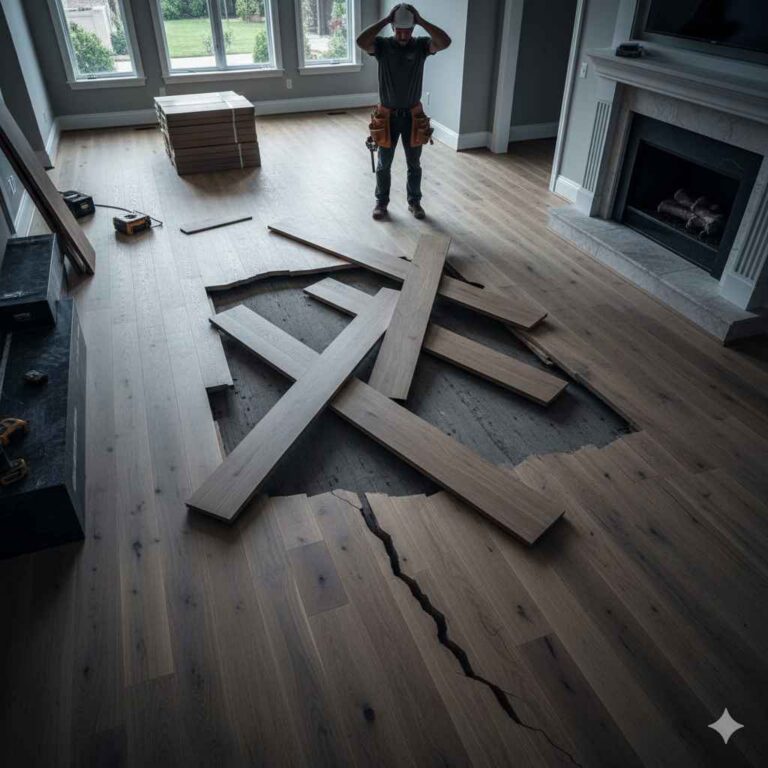
The most frequent culprits are related to temperature control and moisture. Hardwood is sensitive, and radiant heat is powerful. When these two elements aren’t managed correctly, problems can surface.
Here are some common issues and their solutions:
- Problem: Cupping or Warping of Hardwood
- Problem: Gaps Between Hardwood Planks
- Problem: Overheating or Hot Spots
- Problem: Radiant System Not Heating Effectively
Cause: This usually happens due to excessive moisture or uneven temperature distribution. The wood expands and contracts unevenly.
Solution: Ensure the subfloor was properly prepared and moisture-free. Use the correct underlayment. Monitor floor temperature closely and always follow the gradual heat-up and cool-down procedures.
If it’s a minor issue, sometimes allowing the floor to return to normal humidity can help. For severe cases, replacement might be needed.
Cause: Wood shrinking due to excessive dryness or significant temperature fluctuations.
Solution: Maintain a consistent, moderate temperature and humidity level in the room. Ensure the hardwood was properly acclimated before installation. Use a humidifier if the air is too dry during heating season.
Cause: Radiant heating elements placed too close together, faulty thermostat, or uneven underlayment.
Solution: Verify thermostat settings and ensure they are functioning correctly. Use an infrared thermometer to identify and map hot spots. If the system was recently installed, contact the installer.
For existing systems, consult a technician to check for wiring issues or element placement.
Cause: Incorrect system sizing, installation errors, or issues with the boiler/power supply.
Solution: Consult the radiant heating system manual and check basic power connections. If it’s a hydronic system, check water pressure and boiler operation. For electric systems, an electrician may be needed to check wiring.
System sizing is best left to professionals during the design phase.
Frequently Asked Questions
Question: Can I install radiant heat under any type of hardwood floor
Answer: While it’s possible with most hardwoods, engineered hardwood is generally recommended over solid hardwood due to its superior stability. Very soft woods or very wide planks can be more challenging. Always check with both the hardwood and radiant heat manufacturers for compatibility.
Question: What is the maximum floor surface temperature for hardwood with radiant heat
Answer: The generally accepted maximum floor surface temperature for hardwood with radiant heat is 85°F (29.4°C). Exceeding this can cause permanent damage to the wood.
Question: Do I need a special thermostat for radiant heat under hardwood
Answer: Yes, you need a thermostat designed for radiant floor heating systems. It should have programmable features and ideally a built-in temperature sensor or the capability to connect to one to limit the floor’s maximum surface temperature.
Question: How long does it take to heat up a room with radiant floors
Answer: Radiant floor heating is a slow and steady process. It can take 30 minutes to several hours for the floor to heat up and the room to reach a comfortable temperature, depending on the system, insulation, and starting temperature. This slow heat-up is beneficial for the hardwood.
Question: Can I install radiant heat myself under hardwood floors
Answer: While some DIYers might attempt it, professional installation is strongly recommended. Improper installation can lead to costly damage to both the radiant system and the hardwood flooring, and it may void warranties. A professional ensures proper procedure and safety.
Final Thoughts
Yes, you absolutely can install radiant heat under hardwood floors, and it can create a wonderfully warm and comfortable living space. The key is careful planning, choosing compatible materials like engineered hardwood, and following strict installation best practices, especially regarding temperature control and gradual heat-up procedures. When done correctly, this combination offers both beauty and luxurious warmth.