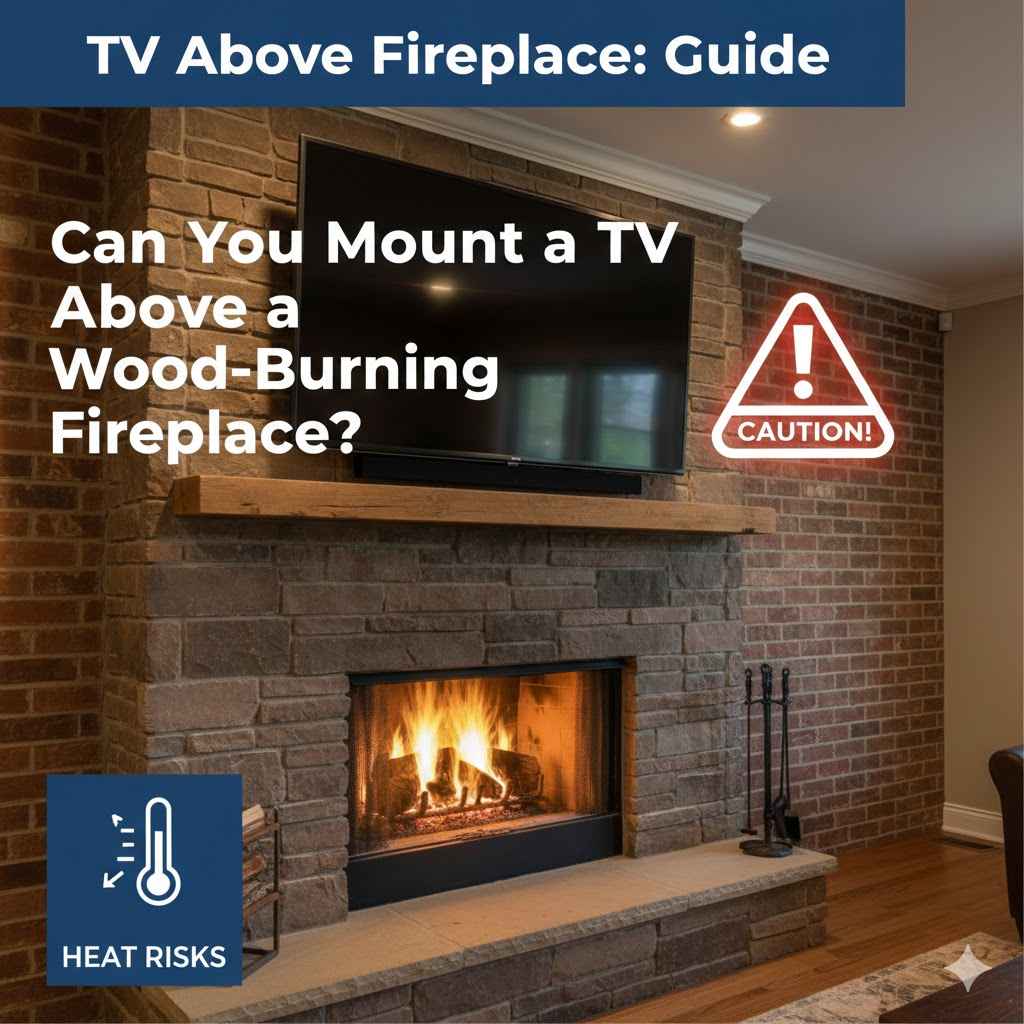
Can You Mount a TV Above a Wood-Burning Fireplace? Guide
Thinking about mounting a TV over your fireplace is a popular idea. Many people wonder, Can You Mount a TV Above a Wood-Burning Fireplace? This seems like a great way to save space and create a cozy entertainment area. However, it can also present some challenges, especially if your fireplace is a wood-burning one. Don’t worry, it’s not as tricky as it seems! We’ll explore the main things you need to know and give you a simple step-by-step approach to help you figure out if it’s safe and how to make it happen.
Evaluating Your Fireplace for TV Placement
Before you even think about putting a TV above your fireplace, you need to check a few things. The main concern is heat. Wood-burning fireplaces get very hot, and heat is the enemy of electronics. Prolonged exposure to high temperatures can damage your TV, shortening its lifespan and potentially causing it to malfunction. You also need to consider the type of fireplace, the materials used, and the overall construction. This initial assessment helps ensure the safety of your TV and your home.
Assessing Fireplace Heat Output
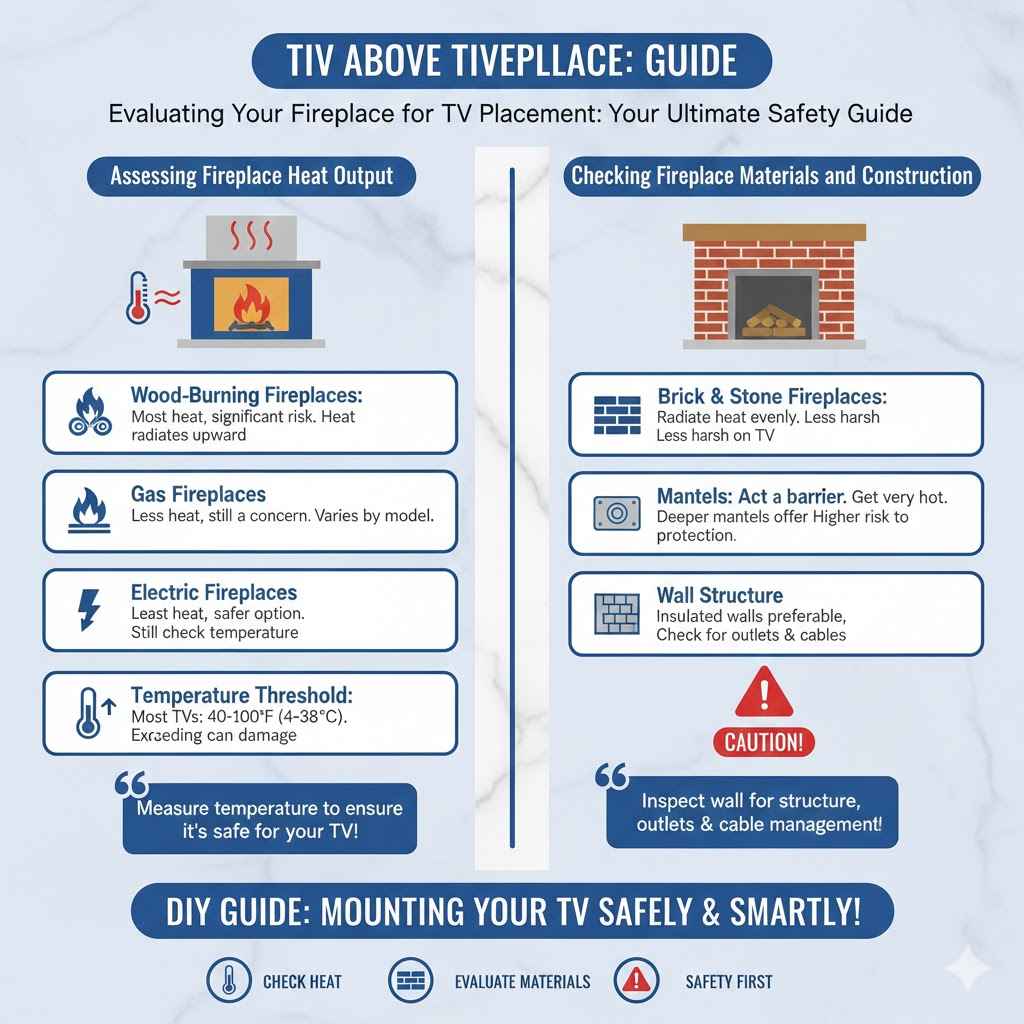
The amount of heat your fireplace produces is a key factor. Different fireplaces generate different levels of heat depending on the design and how they’re used. For instance, a small, enclosed gas fireplace will likely produce less heat than a large, open wood-burning fireplace. You can use a thermometer to check the temperature above your fireplace when it’s in use. This gives you a clear indication of how hot the area gets. You want to make sure the temperature doesn’t get too high for your TV’s specifications.
- Wood-Burning Fireplaces: These typically produce the most heat, posing a significant risk to electronic devices. The heat radiates upward, directly impacting a TV mounted above.
- Gas Fireplaces: Gas fireplaces tend to produce less heat than wood-burning ones, but the heat output can still be a concern depending on the model and the size of the flames.
- Electric Fireplaces: Electric fireplaces generally produce the least amount of heat, making them a safer option for TV placement. However, it’s still good to check the temperature.
- Temperature Threshold: Most TVs are designed to operate within a specific temperature range, typically between 40°F (4°C) and 100°F (38°C). Exceeding this range can lead to permanent damage.
To measure the heat, you can place a thermometer at the spot where the TV would be mounted while the fireplace is in use. Be sure to measure over a few days or fireplace uses to capture the maximum temperatures. This will help you know if it’s safe to mount a TV there or if you need to take additional steps to protect it.
Checking Fireplace Materials and Construction
The materials your fireplace is made of affect how heat is distributed. A brick or stone fireplace absorbs and radiates heat differently than a metal one. Some materials may trap heat more effectively, creating a hotter environment above the fireplace. The construction of the fireplace, including the presence of a mantel, also matters. A mantel can act as a barrier to some of the heat, potentially offering some protection for your TV. Assessing these aspects helps to identify potential risks and determine if any adjustments are needed.
- Brick and Stone Fireplaces: These materials tend to radiate heat more evenly, which can be less harsh on a TV.
- Metal Fireplaces: Metal fireplaces can get very hot, potentially posing a greater risk to electronics.
- Mantels: A mantel can act as a barrier, deflecting heat away from the TV. Consider the mantel’s depth; deeper mantels offer more protection.
- Wall Structure: The wall structure surrounding the fireplace impacts heat distribution. Solid, well-insulated walls are preferable.
You need to inspect the wall above your fireplace. Is it structurally sound and able to support the weight of your TV and the mounting hardware? You’ll also need to consider the location of electrical outlets and how you’ll manage the cables to avoid any hazards. Ensure the wall is suitable for mounting and capable of handling the weight of the TV and mounting bracket safely. This inspection is a very important step before beginning your TV mounting project.
How to Mount a TV Above a Wood-Burning Fireplace Safely
If your initial evaluation looks promising, and you’ve decided to proceed, the next step involves the actual mounting process. Proper installation is essential for both safety and the longevity of your TV. This involves selecting the right mounting equipment, securing the TV correctly, and taking steps to manage heat. Ignoring these details could lead to your TV failing or, even worse, creating a safety hazard.
Selecting the Right TV Mount
Choosing the correct TV mount is a critical step in the installation process. The type of mount you choose impacts how well the TV integrates with your fi
- Fixed Mounts: These mounts hold the TV in a static position, providing a secure and stable setup. They offer a close, flush-to-wall design.
- Tilting Mounts: These allow you to angle the TV downwards, which can be helpful if you’re sitting at a lower level. This can reduce glare and provide a better viewing angle.
- Full-Motion Mounts: Also known as articulating mounts, these offer the most flexibility. They can extend, swivel, and tilt, allowing you to position your TV in various ways. They can move the TV away from the heat when needed.
- Weight Capacity: Always check the mount’s weight capacity to ensure it can support your TV. Overloading a mount can cause it to fail, potentially damaging your TV and causing injury.
- VESA Compatibility: Make sure the mount is VESA compatible with your TV. VESA (Video Electronics Standards Association) defines the mounting standards.
Before purchasing a mount, review the manufacturer’s instructions. Ensure the mount you select can safely handle your TV’s weight and size. Also, consider the materials the mount is made from. High-quality mounts made of sturdy materials will provide better support and last longer. You should also check for any specific mounting guidelines.
Installing the TV Mount Securely
Once you’ve selected the appropriate TV mount, the next part is the installation. The quality of your installation is a key part of your TV’s safety. Proper installation involves correctly securing the mount to the wall and making any needed adjustments. This step requires precision and attention to detail. Skipping steps or doing a hurried job could lead to instability or even the TV falling.
- Locate Wall Studs: Use a stud finder to identify the wall studs. Mounting the TV mount to studs provides the most secure support.
- Mark and Drill: Use the mount as a template to mark the drill holes. Drill pilot holes before installing the screws.
- Secure the Mount: Use appropriate screws and anchors for your wall type (concrete, brick, etc.) to securely attach the mount to the wall.
- Attach TV to Mount: Carefully lift your TV and attach it to the mount. Follow the mount’s instructions to ensure it is correctly secured.
- Level the TV: Use a level to ensure the TV is straight. Make any necessary adjustments to level the TV.
Always consult the mounting hardware’s instructions for specific installation steps. Using the right screws and anchors is essential for a secure setup. If your fireplace is made of a material that is difficult to drill into, like brick, you may need to use special drill bits and anchors. When in doubt, seek professional installation services.
Heat Management Strategies for TV Placement
Managing heat is the most important part when you consider mounting a TV above a wood-burning fi
Using Heat Shields and Deflectors
A heat shield or deflector is designed to protect your TV from the heat produced by the fireplace. These devices act as a barrier, redirecting heat away from the TV. This can significantly reduce the temperature your TV is exposed to, extending its lifespan and preventing damage. There are various types of shields and deflectors available, including those that mount directly to the wall or the TV mount itself.
- Heat Shields: These are typically made of fire-resistant materials that absorb and dissipate heat. They’re installed directly behind the TV to protect it from direct heat exposure.
- Heat Deflectors: These devices redirect the airflow, forcing hot air away from the TV. They can be installed above the fireplace opening to change the flow of heat.
- Material Considerations: Choose materials that can withstand high temperatures, such as metal or fire-resistant ceramic.
- Installation: Follow the manufacturer’s instructions to install the heat shield or deflector correctly. Ensure it is securely attached to prevent it from falling.
- Placement: Position the shield or deflector to effectively block or redirect heat from reaching the TV. This may require some experimentation to find the optimal placement.
The choice of a heat shield or deflector will depend on your fireplace type and the amount of heat it produces. Before installing any heat management solution, review your TV’s specifications to determine the maximum operating temperature. This ensures the shield or deflector you choose will provide adequate protection. It’s often helpful to use a thermometer to check temperatures before and after installing a heat shield to measure the effects.
Enhancing Ventilation and Airflow
Improving air circulation around your TV can help reduce heat buildup. Better ventilation allows heat to dissipate more efficiently, keeping your TV cooler. There are several ways to improve ventilation, from simple adjustments to more complex installations. This will also benefit the overall life of your TV.
- Ventilation Options: Ensure there is space around the TV for air to flow freely. Avoid placing the TV too close to the wall or in an enclosed space.
- Adding Fans: Small fans can be used to circulate air around the TV, especially if it’s enclosed or close to the heat source.
- Natural Convection: Ensure there is a path for the hot air to rise and escape, preventing heat from accumulating around the TV.
- Avoiding Enclosures: Do not enclose the TV in a cabinet or other structure that might trap heat. The open design allows air to circulate.
- Airflow Direction: Position the TV to benefit from natural air currents. Air conditioning vents might also help.
Proper ventilation not only protects your TV but also improves its performance and prolongs its lifespan. Monitoring the temperature around your TV is a good practice. Use a thermometer to monitor the temperature regularly and make adjustments as needed. This approach, combined with the other heat management strategies, will help you create a safe environment for your TV.
Addressing Common Concerns: Can You Mount a TV Above a Wood-Burning Fireplace?
There are several common questions and areas of concern when considering this project. It is important to know the answers to these questions before deciding if you can mount a TV above a wood-burning fireplace. Being prepared helps you avoid problems and make smart decisions. These points cover the most common issues you’re likely to encounter.
Is it Safe? Safety Precautions and Considerations
The main question is safety. The answer is not always simple, and it depends on several factors. The main risk to consider is heat. Heat can severely damage the components of your TV, leading to reduced performance or even failure. It can also be a safety hazard if the TV’s internal components overheat. You need to consider the fire risk too, in case any sparks jump out.
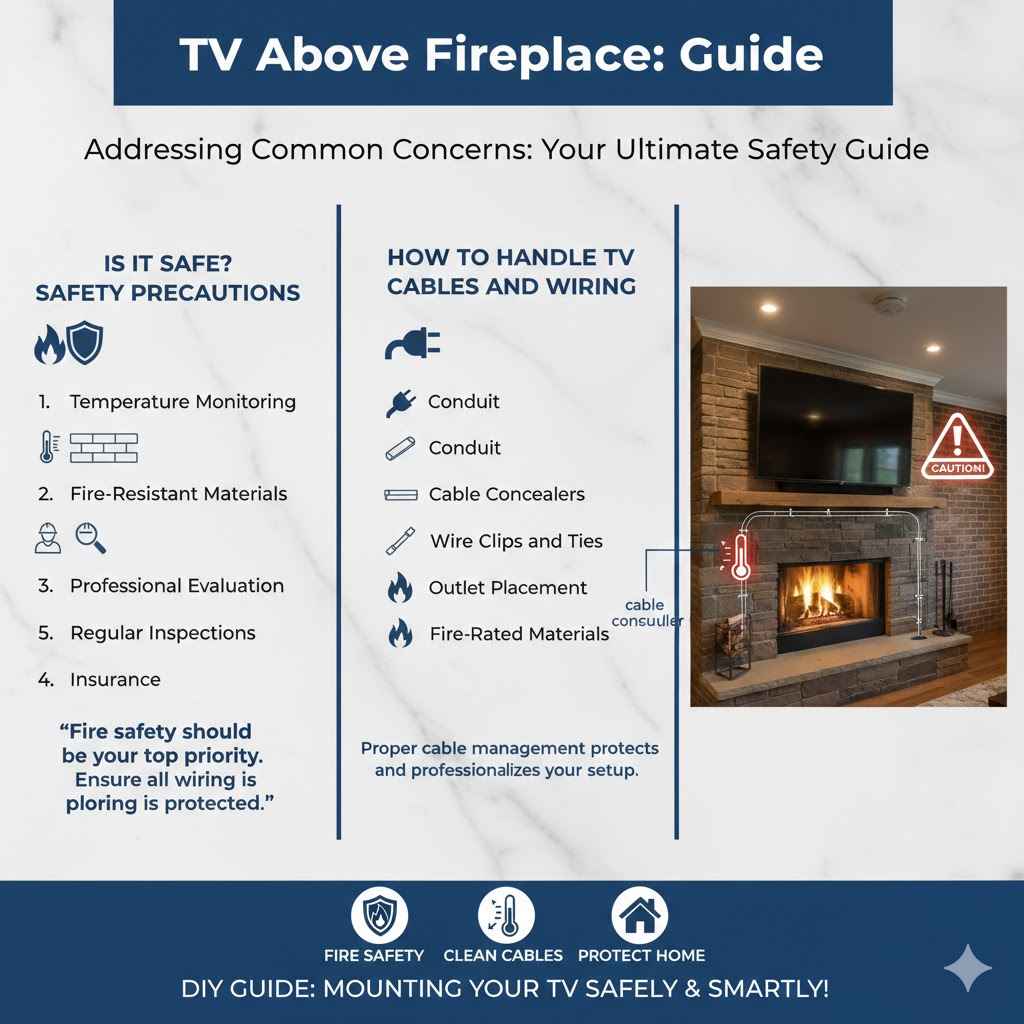
- Temperature Monitoring: Regularly check the temperature above your fireplace. It can change depending on how you use your fireplace.
- Fire-Resistant Materials: Use fire-resistant materials for any shields or deflectors.
- Professional Evaluation: Consider having a professional assess your fireplace and TV setup for safety.
- Regular Inspections: Inspect your setup regularly for any signs of damage or wear, especially after using the fireplace.
- Insurance: Ensure your homeowner’s insurance covers potential damage from the fireplace or TV.
Fire safety should be your top priority. Ensure that the TV and its components are kept away from flammable materials and sources of ignition. It’s also important to make sure all electrical wiring is properly insulated and routed to prevent any potential fire hazards. Always have a fire extinguisher nearby and ensure your smoke detectors and carbon monoxide detectors are working correctly.
How to Handle TV Cables and Wiring
Managing the cables and wiring is another important aspect. Exposed cables can be unsightly and create a safety hazard. Proper cable management protects the cables from damage and makes your setup look neat and organized. Planning your cable management strategy before you begin the installation will help save time and improve the overall result. There are different methods and products available.
- Conduit: Use cable conduit to protect and conceal the cables. It protects them from heat, damage, and makes the installation neater.
- Cable Concealers: Cover exposed cables by using cable concealer kits that match your wall color. These blend seamlessly and provide a clean look.
- Wire Clips and Ties: Organize cables by using wire clips or ties to keep them tidy. This helps to prevent them from getting tangled or hanging loose.
- Outlet Placement: Ensure the outlets are placed correctly and safely. Consider professional installation if you have to move the outlets.
- Fire-Rated Materials: When running cables through walls or ceilings, always use fire-rated materials. This is an important part of fire safety.
Make sure all cables are properly connected and secured to prevent them from becoming loose or disconnected. Always follow the manufacturer’s instructions when connecting cables. Check the power cords regularly to ensure there are no signs of wear or damage. This helps prevent fire hazards, cable damage, and ensures a clean, professional finish.
Frequently Asked Questions
Question: Is it safe to mount a TV above a wood-burning fireplace?
Answer: It depends on several factors, including the heat output of the fireplace, the type of TV, and the measures you take to protect the TV from heat.
Question: How do I measure the heat above my fireplace?
Answer: Use a thermometer to measure the temperature above your fireplace when it’s in use. Place the thermometer where the TV would be mounted and check the readings over several uses.
Question: What type of TV mount is best for this setup?
Answer: Full-motion mounts offer the most flexibility. You can adjust the TV’s position to avoid excessive heat exposure, but the best mount depends on your specific needs.
Question: What should I do if my TV gets too hot?
Answer: If your TV gets too hot, use heat shields, deflectors, or improve ventilation to lower the temperature. If the problem persists, consider relocating the TV or using the fireplace less frequently.
Question: Should I consult a professional?
Answer: Consulting a professional is a great idea, especially if you are unsure about any of the steps. They can assess your specific setup and provide expert guidance.