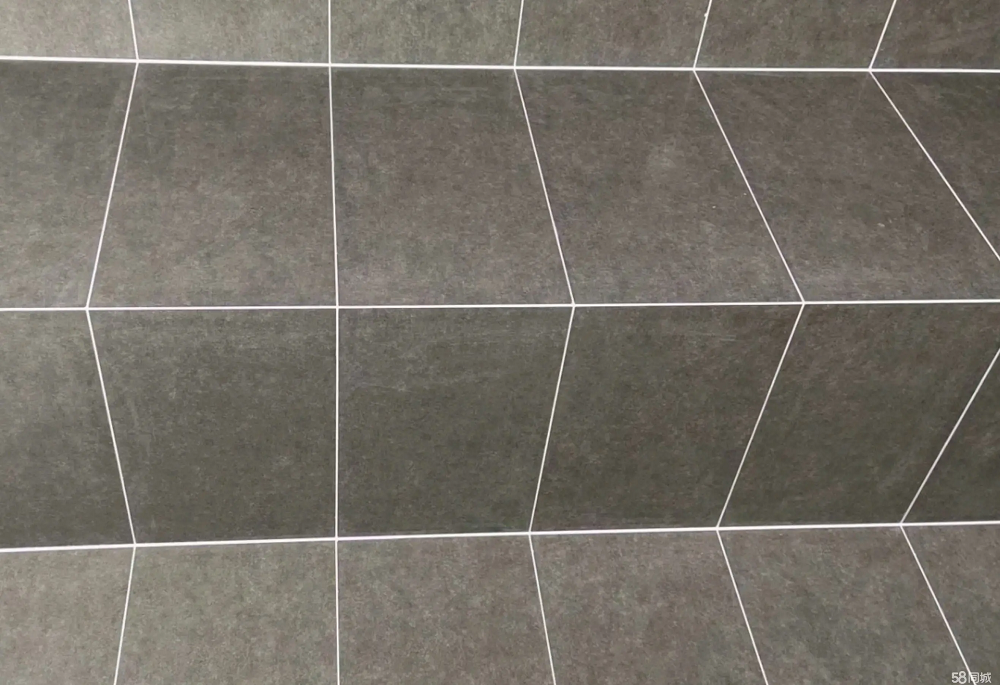
Can You Seal Peel And Stick Tiles Using Polyurethane?
Yes, you can seal peel and stick tiles using polyurethane. This process can enhance the durability and appearance of your tiles.
It provides an extra layer of protection against wear and tear. Peel and stick tiles are a popular choice for quick, easy home upgrades. They offer a simple way to refresh your space without the mess of traditional tiles. But, these tiles can sometimes lack durability.
This is where sealing with polyurethane comes in. By applying a polyurethane coat, you can extend the life of your tiles and keep them looking new. It’s a straightforward process that can save you time and money in the long run. In this blog post, we’ll explore the steps and benefits of sealing peel and stick tiles with polyurethane.
Introduction To Peel And Stick Tiles
Peel and stick tiles are easy to install. They have a self-adhesive backing. Just peel off the paper and stick them on the floor or wall. These tiles come in many designs and colors. They are often used for quick home updates. No need for special tools or skills.
Many people use these tiles in the kitchen. They make great backsplashes. They are also popular in bathrooms. They can cover old tiles or plain walls. They are perfect for renters. You can remove them without damage. These tiles are also good for DIY projects. You can create custom patterns and designs.
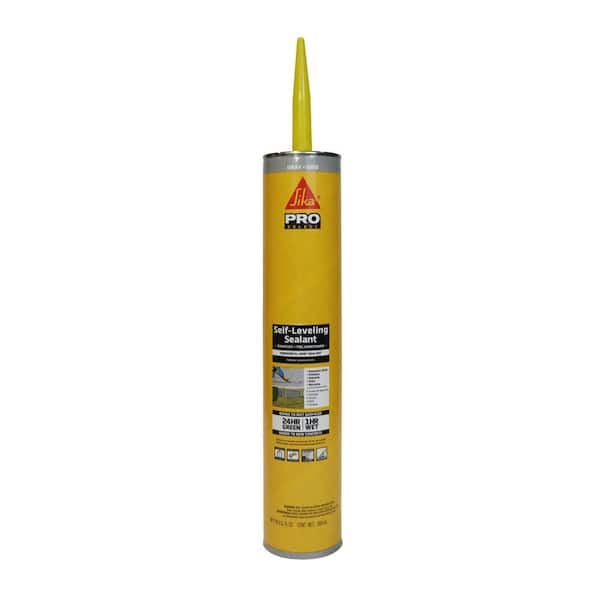
Credit: www.homedepot.com
Polyurethane Overview
Polyurethane is a common finish used for protecting surfaces. It comes in liquid form and dries into a hard shell. This finish can be clear or colored. People use it on wood, metal, and other materials. Polyurethane is popular because it resists damage well. It also makes surfaces waterproof.
There are two main types of polyurethane finishes: oil-based and water-based. Oil-based finishes are durable but take longer to dry. They also have a strong smell. Water-based finishes dry faster and have less odor. They are easier to clean up with soap and water. Both types can be applied with a brush, roller, or spray.
Benefits Of Sealing Tiles
Sealing tiles makes them last longer. Polyurethane forms a tough layer. This layer protects tiles from damage. Scratches are less likely. Water damage is reduced. Sealed tiles resist stains better. Tiles keep their shape and color. They stay looking new.
Sealing tiles improves their look. The finish becomes shinier. Colors appear more vibrant. Patterns stand out more. Sealed tiles look polished. They create a neat, clean look. Your space looks well-kept. Guests will notice the difference.
Compatibility Of Polyurethane With Peel And Stick Tiles
Peel and stick tiles are made of vinyl. Polyurethane can seal vinyl. It creates a strong layer. This layer can protect the tiles. But, check the tile’s surface. Some tiles have special coatings. These coatings might not work well with polyurethane. Always test a small area first.
Clean the tiles before applying polyurethane. Remove all dust and dirt. A clean surface ensures a good seal. Let the tiles dry completely. Moisture can ruin the seal. Use a soft cloth to dry the tiles. Apply thin layers of polyurethane. Let each layer dry before adding more.
Step-by-step Sealing Process
Start by sweeping the tiles. This removes any dust or dirt. Use a damp cloth to wipe the tiles. Ensure no debris is left. Let the tiles dry completely. This is important. Wet tiles will not seal properly. Clean tiles ensure a good seal.
Stir the polyurethane gently. Do not shake. Shaking creates bubbles. Use a foam brush to apply. Start at one corner. Work your way across. Apply thin, even coats. Thick coats take longer to dry. Let the first coat dry. This takes about 4 hours. Apply a second coat. This makes the seal stronger. Let it dry completely. Your tiles are now sealed.

Credit: www.youtube.com
Drying And Curing Times
Polyurethane can seal peel and stick tiles. Expect drying to take 2 to 4 hours. Ensure the room has good airflow. This helps speed up the drying time. Avoid walking on the tiles during this period. Drying time can vary based on humidity and temperature.
Curing is different from drying. Curing takes longer, about 24 to 48 hours. This allows the polyurethane to harden fully. Do not place heavy items on the tiles during curing. Proper curing ensures a strong and durable seal. Patience is key for best results.
Common Mistakes To Avoid
Sealing peel and stick tiles with polyurethane can lead to peeling. Polyurethane isn’t flexible enough for these tiles. This common mistake reduces tile lifespan.
Over-application
Using too much polyurethane can cause problems. It might make the tiles slippery. This can lead to accidents. Also, thick layers may turn yellow over time. It’s best to apply a thin layer.
Ignoring Manufacturer’s Instructions
Always read the instructions on the package. They provide important details. Following them ensures the best results. Skipping this step can lead to poor adhesion. This can make the tiles peel off. Take your time to read and follow each step.
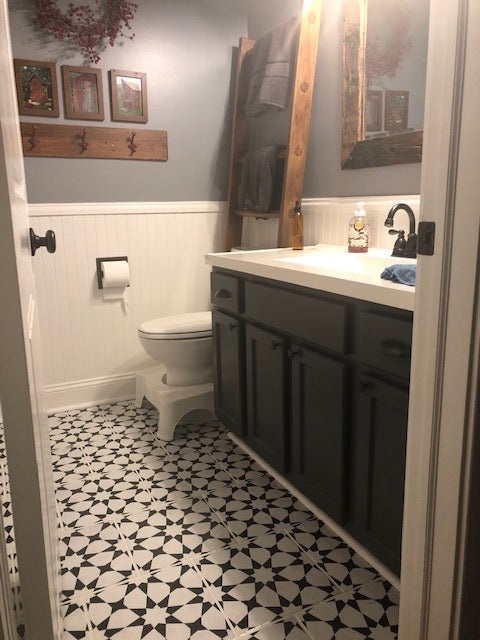
Credit: quadrostyle.com
Maintenance Tips
Use a soft mop to clean your tiles. Avoid harsh chemicals; they can damage the tiles. Warm, soapy water works best. Rinse well to remove any soap residue. Dry the tiles with a clean, soft cloth. This prevents water spots and keeps tiles shiny.
Check the tiles every six months. Look for signs of wear or dullness. Reapply polyurethane if needed. Clean the tiles first. Apply a thin layer of polyurethane. Let it dry completely. This keeps tiles protected and looking new.
Pros And Cons
Sealing peel and stick tiles with polyurethane can protect them from damage. But it may cause discoloration over time. Consider the pros and cons carefully.
Advantages Of Sealing
Sealing tiles with polyurethane makes them last longer. It adds a shiny finish. This makes the tiles look better. Sealed tiles are easier to clean. They resist stains and spills. Polyurethane also protects tiles from scratches. This is great for high traffic areas. Sealing tiles can also make them water-resistant. This is useful in kitchens and bathrooms.
Potential Drawbacks
Polyurethane can be tricky to apply. You need to follow instructions carefully. It can create a strong smell. This can be unpleasant. The smell might last for days. Polyurethane can also be expensive. It adds extra cost to your project. Removing it later can be hard. You might need special tools. This can take more time and effort. Some tiles might not bond well with polyurethane. This can cause peeling or damage.
Frequently Asked Questions
Can You Polyurethane Over Peel And Stick Tile?
You can apply polyurethane over peel and stick tile. Ensure the surface is clean and dry for best results.
What Can You Put Over Peel And Stick Tile To Seal It?
You can seal peel and stick tile with polyurethane or acrylic floor sealer. Use a paintbrush or roller for application.
Can You Waterproof Peel And Stick Flooring?
Yes, you can waterproof peel and stick flooring. Use a waterproof sealant on the edges and seams. This helps prevent water damage.
How Do You Make Peel And Stick Tile Last Longer?
Clean the surface thoroughly before applying tiles. Use a primer for better adhesion. Avoid moisture exposure. Press tiles firmly. Use a sealant.
Conclusion
Sealing peel and stick tiles with polyurethane can work well. It adds durability and a polished look. Follow the correct steps for the best results. Ensure the tiles are clean and dry before applying. Use a quality brush for an even coat.
Polyurethane can extend the life of your tiles. This method offers a simple way to protect and enhance your floors.