Cherry Vs Mahogany Color: Key Differences Explained
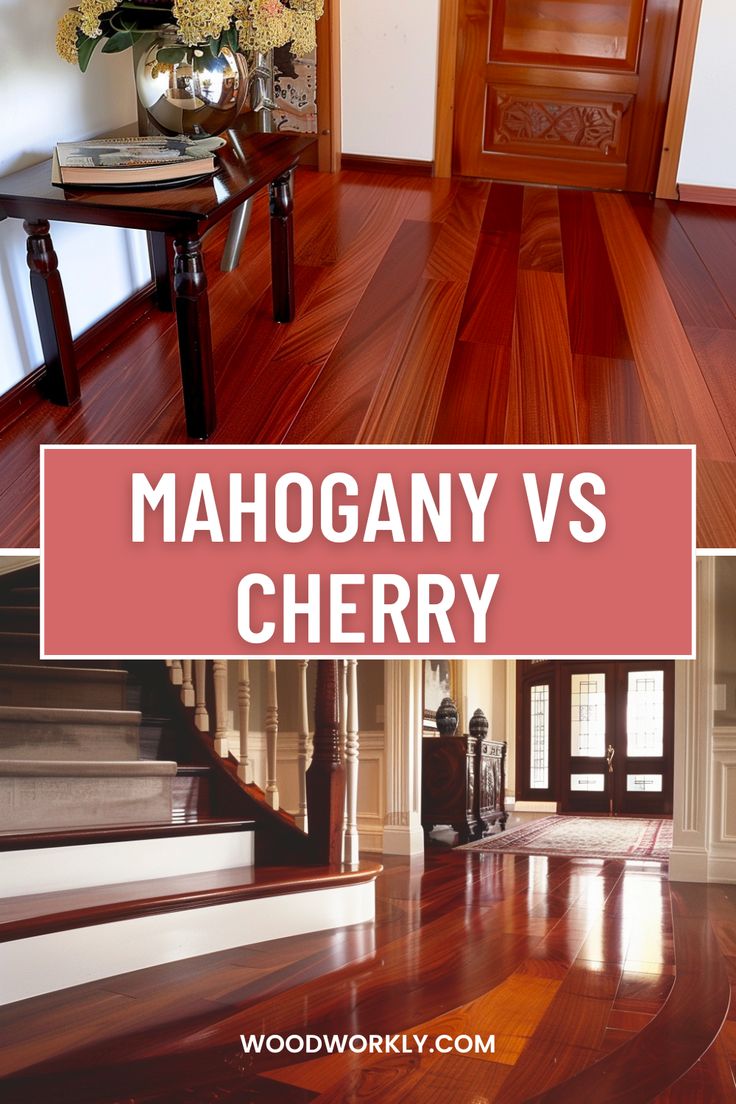
In the realm of woodworking and interior design, understanding the nuances of wood coloration is paramount for achieving aesthetic harmony in any project. **Cherry vs. mahogany color** presents a fascinating study of hue, tone, and grain patterns. Cherry wood, known for its rich, warm reddish-brown patina that deepens with age, contrasts sharply with the deep, luxurious red-brown of mahogany, revered for its deep luster and stability.
These distinct color characteristics and their evolving nature over time not only influence choice but also the overall ambiance of spaces. To explore the unique attributes that define these two captivating wood colors, continue reading.
Cherry Vs Mahogany Color: A Comprehensive Comparison
Cherry and mahogany colors both represent rich, warm tones often used in woodworking and interior design. Cherry color is a lighter reddish-brown that deepens with age, prized for its smooth texture and elegant appearance. In contrast, mahogany is a darker, reddish-brown wood, known for its durability and fine grain. Understanding the differences between cherry vs mahogany color can help determine the best choice for furniture, cabinetry, and other decorative elements in your living space.
Understanding Cherry Color
Characteristics of cherry wood color. Common uses in furniture and interiors. Aging process and color changes over time.
Cherry wood showcases a warm, reddish-brown hue that brings a cozy atmosphere to any space. Its unique color comes from the natural pigments in the wood, making it delightful for furniture and decor. Popular for dining tables and cabinets, cherry wood adds a touch of elegance.
As it ages, it darkens to a deep, rich tone, like a fine wine. Just don’t leave it in the sun too long; otherwise, it might turn into a cherry popsicle!
| Characteristic | Details |
|---|---|
| Color | Warm reddish-brown |
| Common Uses | Furniture, cabinets, flooring |
| Aging Process | Darkens over time |
Understanding Mahogany Color
Characteristics of mahogany wood color. Typical applications in woodworking and design. Effects of aging and exposure on mahogany color.
Mahogany wood is known for its rich, warm tones, ranging from deep reddish-brown to a soft, golden hue. This color gives a luxurious feel, making it popular in furniture crafting and cabinetry. Common uses include:
- Furniture such as tables and chairs
- Cabinets and cabinetry
- Musical instruments like pianos
Over time, mahogany can change color.
Exposure to light and air often darkens its shade, enhancing its beauty. Regular care helps maintain its stunning appearance, making it a favorite for both homes and businesses.
Comparison Between Cherry and Mahogany Colors
Key differences in tone and hue. Textural and grain pattern variations. Visual appeals and aesthetic considerations.
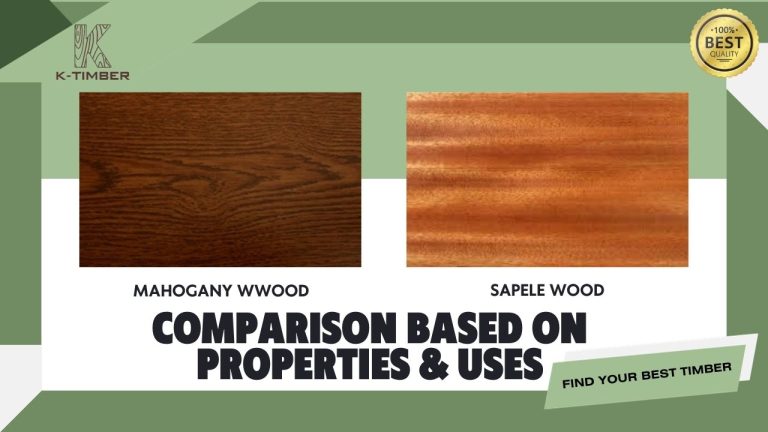
Cherry and mahogany colors have distinct differences. Cherry has a warm, reddish tone, while mahogany offers a rich, darker hue. Texturally, cherry typically has a smooth finish, featuring finer grains.
In contrast, mahogany boasts visible swirls and waves. Visually, cherry adds a cozy feel to spaces, while mahogany brings elegance. Choose cherry for warmth and mahogany for sophistication.
- Tone: Cherry – warm red; Mahogany – deep brown
- Grain Pattern: Cherry – fine; Mahogany – wavy
- Aesthetic: Cherry – cozy; Mahogany – elegant
Choosing Between Cherry and Mahogany Colors
Factors to consider for your specific project. Suitability for different interior styles. Cost considerations associated with each wood type.
Choosing the right color for your project can change everything. Consider the following factors:
- Interior Style: Cherry fits well with traditional styles, while mahogany suits modern and classic decors.
- Cost: Cherry wood is often more affordable than mahogany, which can be pricier due to its rarity.
- Durability: Both types are strong, but mahogany is slightly denser and resists wear better.
Think carefully about your needs and budget. Each wood color has its unique charm and advantages.
Maintenance and Care for Cherry and Mahogany
Cleaning tips for both wood types. Recommended products for preservation. Longterm care to maintain color integrity.
Taking care of cherry and mahogany wood is simple but important for keeping their beauty. For cleaning, use a soft cloth to wipe away dust. Avoid harsh chemicals that can damage the surface.
For preservation, try products like:
- Natural oils
- Furniture polish
- Wax
If you use these regularly, your wood will last longer and look great.
Long-term care is key. Keep both types of wood away from direct sunlight to prevent fading. Ensure proper humidity levels to avoid warping.
Follow these tips to keep your cherry and mahogany stunning for years to come!
Market Trends and Popularity
Current trends in cherry vs mahogany in furniture. Consumer preferences and market demand. Predictions for future trends in wood color selection.
Cherry and mahogany are two popular colors in furniture today. Cherry wood is loved for its warm, rich tones, while mahogany offers a deep, classic appeal. Trends show that consumers prefer warmer colors that brighten their spaces.
It’s like choosing between a cozy blanket and a sleek jacket! As for the future, predictions say that people may lean even more toward natural finishes, making wood color selection an exciting adventure.
| Color | Current Popularity | Future Trends |
|---|---|---|
| Cherry | High | Increased demand for natural finishes |
| Mahogany | Moderate | Classic remains strong, but warm tones are rising |
Conclusion
In conclusion, the choice between cherry and mahogany color hinges on personal preference and the desired ambiance of your space. Cherry offers a warm, inviting hue with rich undertones, while mahogany provides a sophisticated, reddish-brown elegance. Both woods can beautifully enhance your interiors, so consider your style and the atmosphere you wish to create when making your selection.
FAQs
What Are The Key Differences In Hue And Tone Between Cherry And Mahogany Wood Finishes?
Cherry wood finishes typically exhibit a warm, reddish hue that deepens over time, enhancing its rich color and natural beauty. In contrast, mahogany has a darker, more pronounced reddish-brown tone that offers a more somber and luxurious appearance. While cherry tends to have a lighter, more vibrant character, mahogany presents a deeper, more muted elegance. Overall, the choice between the two often depends on the desired aesthetic and the surrounding decor.
How Does The Grain Pattern Of Cherry Wood Compare To That Of Mahogany In Terms Of Aesthetics?
Cherry wood features a fine, smooth grain with a warm reddish hue that deepens beautifully with age, giving it an elegant, classic look. In contrast, mahogany exhibits a straight, coarse grain with a rich, dark reddish-brown color that lends a sense of richness and sophistication. While cherry offers a softer, more understated aesthetic, mahogany presents a more dramatic and bold appearance. Both woods are highly prized for their beauty, but their distinct grain patterns contribute to different design styles and atmospheres.
In Which Applications Are Cherry And Mahogany Colors Typically Favored, And Why?
Cherry and mahogany colors are typically favored in applications such as furniture, cabinetry, and interior design due to their rich, warm tones that convey elegance and sophistication. These colors are often associated with traditional and classic styles, making them popular choices for upscale or formal environments. Additionally, cherry and mahogany woods possess natural durability and beauty, enhancing their appeal in high-quality craftsmanship. Their timeless aesthetic makes them ideal for creating inviting and luxurious spaces.
How Do Environmental Factors And Wood Aging Affect The Color Of Cherry And Mahogany Over Time?
Environmental factors such as light exposure, humidity, and temperature can significantly influence the color changes in cherry and mahogany wood over time. Cherry wood typically darkens due to oxidation and UV exposure, developing a rich reddish hue, while mahogany tends to deepen in color, acquiring a warm, reddish-brown tone. Additionally, aging and exposure to air can enhance the natural luster of both woods, making them more visually appealing. These processes lead to a unique patina that characterizes well-aged cherry and mahogany furniture and fixtures.
What Types Of Stains Or Finishes Can Enhance Or Alter The Natural Color Of Cherry And Mahogany Wood?
Cherry wood can be enhanced with stains like light or medium walnut to deepen its rich color, while mahogany often benefits from darker stains like dark walnut or espresso that accentuate its natural warmth. Transparent finishes, such as polyurethane or varnish, also enhance the inherent glow of both woods without significantly altering their color. For a more dramatic effect, gel stains can provide uniform color while maintaining the wood grain’s visibility. Always test any stain or finish on a small area to ensure the desired effect before applying it to the entire piece.