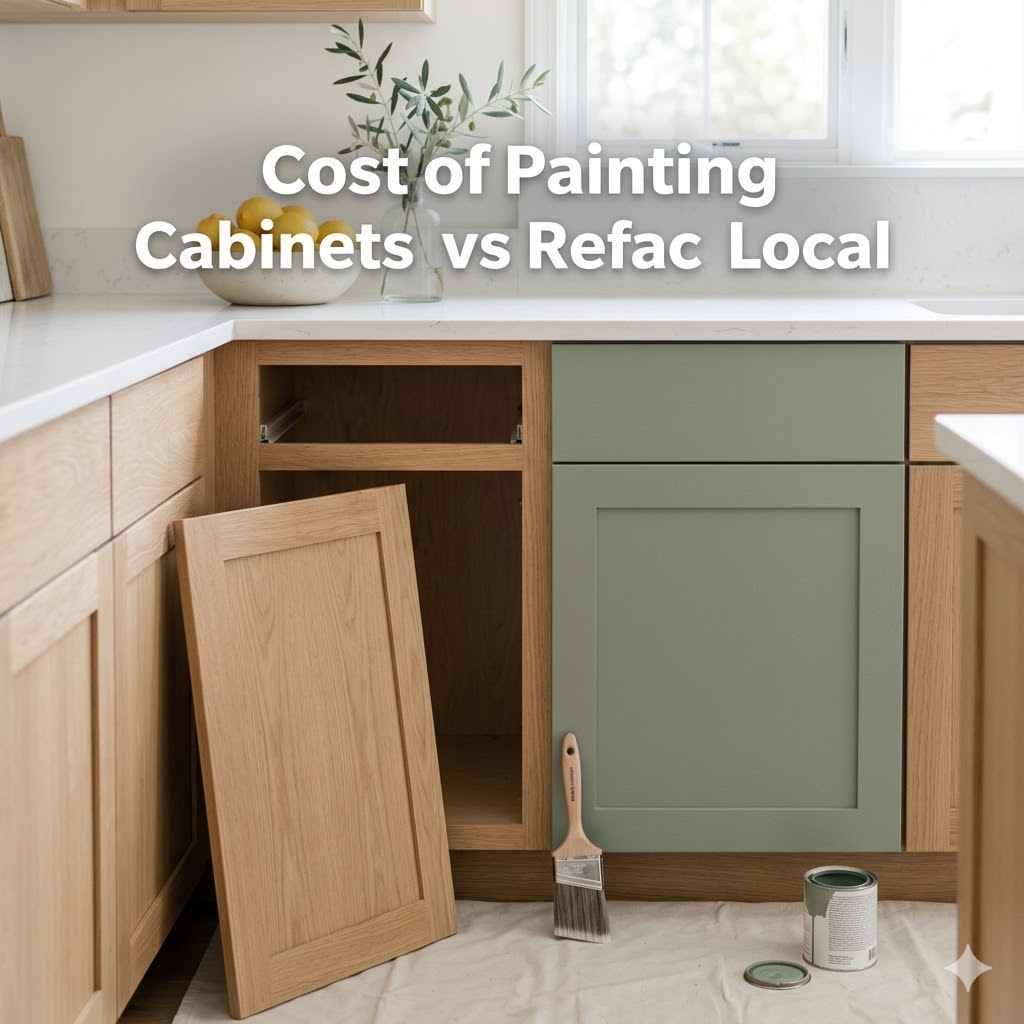
Cost of Painting Cabinets vs Refacing: Local Guide
Deciding whether to paint or reface your kitchen cabinets can feel tricky, especially when you’re just starting. You want your kitchen to look great, but you’re not sure what makes the most sense for your wallet and your home. It’s a common puzzle for many homeowners.
This guide will break it down for you simply. We will cover the Cost of Painting Kitchen Cabinets vs Refacing: Local Guide step by step, making it easy to choose the right path for your kitchen makeover.
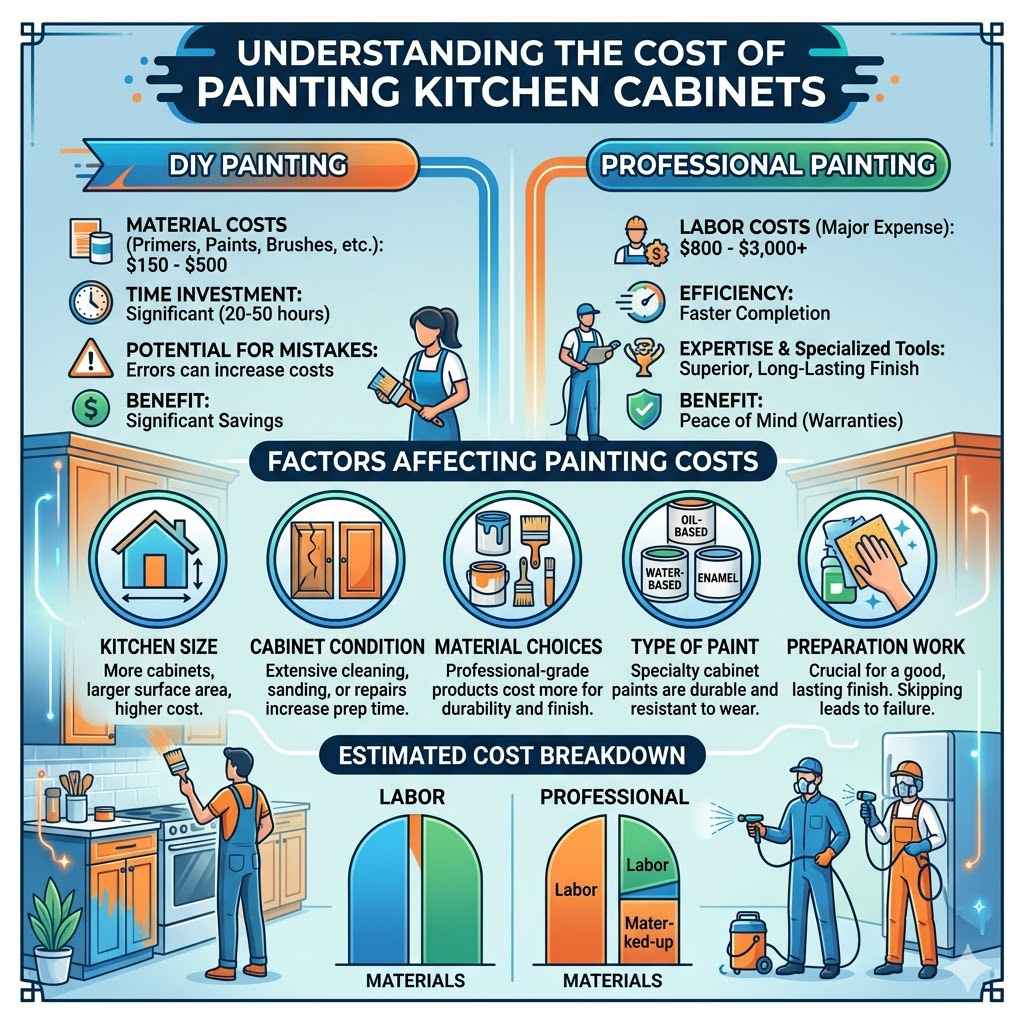
Understanding The Cost Of Painting Kitchen Cabinets
Painting kitchen cabinets is a popular choice for homeowners looking for a fresh look without a complete renovation. It’s often seen as a more budget-friendly option compared to refacing or full
The cost of painting kitchen cabinets can vary quite a bit. It depends on whether you hire a professional painter or decide to tackle it yourself. Factors like the size of your kitchen, the number of cabinets, and the type of paint used all play a role.
High-quality paints and primers, for example, cost more but offer better durability and finish. If you’re hiring someone, labor costs will be a significant part of the total expense. Professional painters bring expertise and specialized tools, which can lead to a superior and longer-lasting result.
Factors Affecting Painting Costs
Several elements influence how much you’ll spend on painting your kitchen cabinets. The size of your kitchen is a primary driver; more cabinets mean more surface area to cover, and thus, higher costs. The condition of your existing cabinets also matters.
If they need extensive cleaning, sanding, or repairs before painting, this adds to the labor time and material costs. For instance, cabinets with deep scratches or peeling veneer might require more prep work.
The materials you choose also impact the price. Professional-grade paints and primers are typically more expensive than their DIY counterparts. However, they often provide better adhesion, coverage, and a smoother finish that stands up better to daily wear and tear.
Specialty finishes, like a matte, satin, or semi-gloss look, might also have different price points. The color choice can sometimes play a minor role, though most standard paint colors fall within similar price ranges.
When getting quotes from painters, be sure to ask what is included. Does the quote cover all the necessary supplies, including primers, paints, and finishes? Does it include the labor for proper preparation, such as degreasing, sanding, and filling any holes or imperfections?
Understanding these details upfront will help you compare bids accurately and avoid unexpected charges.
Labor Costs: If you hire a professional, labor is a major expense. This covers the time spent on preparation, painting, and cleanup. Experienced painters charge more for their skill and efficiency, ensuring a quality finish.
Professional painters typically charge an hourly rate or a flat fee for the entire job. Their rates are influenced by their experience, reputation, and the demand for their services in your area. For a medium-sized kitchen, labor costs can range from several hundred to over a thousand dollars.
This investment often pays off in terms of durability and appearance, as professionals know how to achieve a smooth, factory-like finish that lasts.
Material Costs: This includes primers, paints, sealants, and any necessary supplies like brushes, rollers, and sandpaper.
The cost of materials can add up. A good quality primer is essential for proper adhesion and to prevent bleed-through from the old finish, especially if you’re going from dark to light colors. Premium paints offer better coverage, durability, and a smoother finish.
For a typical kitchen, you might expect to spend between $100 to $300 on materials if you’re doing it yourself. Professionals will factor these material costs into their overall quote, often with a markup.
Preparation Work: Cleaning, sanding, filling holes, and minor repairs are crucial for a good paint job.
This is arguably the most important step for a lasting finish. Cabinets need to be thoroughly cleaned to remove grease and grime. Sanding creates a surface for the paint to adhere to.
Filling any dings or holes ensures a smooth appearance. Skipping or rushing this step can lead to paint peeling or an uneven look later on. The time and effort required for thorough preparation can significantly increase the overall cost, whether you do it yourself or pay a professional for their time.
Type of Paint: Different paint formulations offer varying levels of durability and finish.
Choosing the right paint is key to a cabinet job that holds up. Oil-based paints are known for their durability and smooth finish but can have strong odors and longer drying times. Water-based or latex paints are easier to clean up and have less odor but might require a stronger primer for best results.
Specialty cabinet paints or enamels are often recommended for their toughness and resistance to chipping and wear. The cost per gallon can range from $30 for basic latex to $70 or more for high-end enamels.
DIY vs. Professional Painting Costs
When you decide to paint your kitchen cabinets, you have two main paths: doing it yourself or hiring a professional. Each has its own cost implications and benefits. For DIYers, the upfront cost is lower because you’re only paying for materials and your own time.
However, the time investment can be substantial, often taking several weekends to complete properly. Mistakes can also be costly, potentially requiring you to repaint sections or even start over.
Hiring a professional painter generally means a higher upfront cost. However, you gain the benefit of their expertise, specialized tools, and efficiency. Professionals can often complete the job much faster than a DIYer.
They also have a better understanding of the best products and techniques to ensure a durable and beautiful finish. The warranty or guarantee that some professionals offer can provide peace of mind, knowing that if something goes wrong, they will address it.
For many, the appeal of DIY painting is the significant savings. If you have the time, patience, and a knack for detail, you can achieve great results. However, if your time is limited or you’re not confident in your painting skills, the added expense of a professional can be a worthwhile investment for a flawless finish and less stress.
DIY Painting Cost Estimate
If you’re planning a DIY cabinet painting project, here’s a rough estimate of what you might spend. You’ll need to factor in the cost of primers, paints, brushes, rollers, sandpaper, degreasers, and possibly new hardware if you’re changing that too. For a standard-sized kitchen, you could anticipate spending anywhere from $150 to $500 on materials.
This range depends heavily on the quality of the products you select. Higher-end paints and specialized tools will push the cost towards the higher end of this estimate.
Don’t forget to account for your time. A thorough cabinet painting job can take anywhere from 20 to 50 hours, depending on the complexity and your experience level. While this doesn’t translate to a direct monetary cost, it’s a significant investment of your personal time.
Mistakes can also add to the cost if you need to buy extra supplies to fix errors or repaint sections.
Professional Painting Cost Estimate
Hiring a professional for cabinet painting will naturally be more expensive than a DIY approach. For a medium-sized kitchen, you can expect to pay anywhere from $800 to $3,000 or more. This price typically includes all labor, materials, and preparation work.
The final cost will depend on your location, the complexity of the cabinets (e.g., intricate moldings), and the painter’s experience and reputation. Some companies might charge per door or per linear foot.
When you get quotes from professionals, ensure they are detailed and clearly outline what is included. Ask about their experience with cabinet painting specifically. A professional can offer advice on paint types and finishes that will best suit your needs and lifestyle.
Their work usually comes with a guarantee, providing a level of assurance that the finish will be durable and look great for years to come.
Exploring The Cost Of Refacing Kitchen Cabinets
Cabinet refacing is another popular option for updating your kitchen. Instead of painting the existing cabinet surfaces, refacing involves covering them with new materials. This is a more intensive process than painting, and as such, it generally comes with a higher price tag.
The goal of refacing is to give your cabinets a completely new look and feel, often mimicking the appearance of brand-new cabinetry without replacing the entire cabinet boxes.
This method can be a good compromise between painting and full cabinet
What Is Involved In Refacing
Cabinet refacing is a multi-step process designed to give your kitchen a significant makeover. It starts with preparing the existing cabinet boxes. This usually involves cleaning them thoroughly and then applying a new veneer or laminate to the exposed surfaces.
This veneer or laminate is carefully cut and adhered to match the new style you’re aiming for.
The most visible part of refacing is replacing the cabinet doors and drawer fronts. You get to choose from a wide variety of styles, materials, and finishes. Whether you want a classic shaker style, a sleek modern design, or something in between, new doors and drawer fronts can dramatically alter your kitchen’s appearance.
New hardware, such as handles and knobs, is also typically installed during this process, further enhancing the updated look.
The process usually takes longer than painting, often several days to a week or more, depending on the size of your kitchen and the complexity of the project. A professional refacing company will manage the entire process, from initial consultation and material selection to installation.
New Doors and Drawer Fronts: This is the most impactful part of refacing, providing a fresh visual appeal.
The selection of new doors and drawer fronts is where you can truly personalize your kitchen. You can choose from various wood species like maple, cherry, or oak, each offering a unique grain and color. Alternatively, you might opt for MDF (medium-density fiberboard) with a painted finish or high-quality laminate for a more budget-friendly yet stylish option.
The style of the doors, whether raised panel, flat panel, or shaker, will significantly influence the overall aesthetic of your kitchen.
Veneer or Laminate Application: This covers the exposed sides and faces of the existing cabinet boxes.
To achieve a seamless look, the exterior surfaces of your existing cabinet boxes are covered. This is typically done with a matching veneer or laminate that complements the new doors and drawer fronts. High-quality veneers are thin layers of real wood, while laminates are synthetic materials that can mimic the look of wood or offer other finishes.
Proper application is key to preventing peeling or bubbling over time, and professionals ensure a smooth, durable finish.
Hardware Selection: New handles, knobs, and pulls complete the updated look.
Choosing new hardware is a small detail that can make a big difference. The style of your hardware should complement the new cabinet doors and the overall kitchen design. Options range from minimalist brushed nickel knobs to ornate antique brass pulls.
Many refacing companies offer a selection of hardware, or you can purchase your own to install. This is a chance to add a personal touch that reflects your style.
Professional Installation: Ensuring a seamless and durable finish.
While some DIYers might consider refacing, it’s generally a job best left to professionals. They have the specialized tools and experience to ensure the veneer is applied smoothly, the doors are aligned perfectly, and all components are installed securely. A professional installation guarantees that your refaced cabinets will look great and function properly for years to come.
Cost Comparison Between Painting and Refacing
When looking at the Cost of Painting Kitchen Cabinets vs Refacing: Local Guide, refacing is almost always the more expensive option. Painting offers a significant visual update for a relatively modest investment, especially if you’re comfortable with DIY. Refacing, on the other hand, involves more materials and labor, leading to a higher overall price.
However, it’s important to consider what you get for the price. Painting updates the color and finish of your cabinets. Refacing essentially gives you new-looking cabinet fronts while keeping the existing cabinet boxes.
This can sometimes be more durable and aesthetically pleasing than a painted finish, especially if you’re looking for a specific wood grain or a very high-end look.
The decision often comes down to your budget, the desired outcome, and how long you plan to stay in your home. If you’re looking for a quick refresh on a tight budget, painting is likely the better choice. If you want a more substantial transformation and your budget allows, refacing might be worth the extra investment for a look closer to brand-new cabinets.
Cost Range for Cabinet Refacing
The cost of refacing kitchen cabinets can vary widely depending on several factors. These include the size of your kitchen, the materials you choose for the doors and drawer fronts, and the type of veneer or laminate used for the cabinet boxes. Additionally, the complexity of the cabinet design and the cost of labor in your specific geographic area will play a significant role.
Generally, you can expect to spend anywhere from $1,500 to $7,000 or more for refacing a standard-sized kitchen. For simpler projects with laminate, you might be at the lower end of this range. If you opt for custom solid wood doors and high-end veneers, the cost can easily climb towards the higher end or even exceed it.
It’s crucial to get detailed quotes from several reputable refacing companies to compare pricing and understand what is included in their services.
Factors Influencing Refacing Costs
Several key elements contribute to the overall cost of refacing kitchen cabinets. The primary driver is the material you select for your new doors and drawer fronts. Solid wood doors, such as maple, cherry, or oak, will be more expensive than MDF doors with a painted finish or thermofoil coverings.
The style of the doors also impacts cost, with more intricate designs often being pricier.
The type of veneer or laminate used to cover the existing cabinet boxes is another factor. High-quality wood veneers can be costly, while some laminate options offer a more budget-friendly solution. The number of doors and drawers also directly influences the price, as each component adds to the material and labor costs.
Finally, the labor involved in the meticulous process of preparing the boxes, applying veneers, and installing new doors and hardware contributes significantly to the overall expense.
| Service | Estimated Cost Range (Mid-size Kitchen) | Pros | Cons |
|---|---|---|---|
| Painting Cabinets (DIY) | $150 – $500 (Materials Only) | Most affordable option, significant cost savings. | Time-consuming, requires skill and patience, potential for DIY errors. |
| Painting Cabinets (Professional) | $800 – $3,000 | Professional finish, saves homeowner time, expert results. | More expensive than DIY, outcome depends on painter’s skill. |
| Refacing Cabinets (Professional) | $1,500 – $7,000+ | New cabinet look without full replacement, durable finishes, wide style choices. | Significantly more expensive than painting, requires professional installation. |
This table provides a snapshot of the typical cost ranges for painting and refacing. It highlights that while painting is generally more budget-friendly, refacing offers a more substantial transformation. The specific costs can vary based on local market conditions and the quality of materials and services chosen.
Comparing The Cost Of Painting vs Refacing For Your Kitchen
When you’re trying to decide between painting and refacing your kitchen cabinets, the primary consideration for most homeowners is the Cost of Painting Kitchen Cabinets vs Refacing: Local Guide. It’s a significant factor that can steer your decision-making process. Painting your cabinets offers a more budget-friendly way to refresh their appearance, while refacing provides a more dramatic transformation at a higher price point.
The choice often hinges on what you aim to achieve. If your current cabinets are structurally sound but just need a color update, painting is likely your best bet. It can dramatically change the look of your kitchen for a fraction of the cost of refacing.
However, if your cabinet doors are outdated in style, damaged, or you desire a completely new aesthetic that painting alone cannot achieve, then refacing becomes a more attractive, albeit pricier, option.
Consider your long-term goals for your kitchen and your home. If you plan to sell in a few years, a cost-effective paint job might be sufficient to increase appeal. If you’re investing in your forever home and want a high-end look that will last, refacing might be a better long-term investment, even with its higher initial cost.
When Is Painting The Best Option
Painting your kitchen cabinets is an excellent choice when you’re looking for a significant visual update without a major financial commitment. If your cabinets are in good structural condition, meaning the boxes are solid and the doors aren’t warped or damaged beyond repair, painting can breathe new life into them. This is especially true if you’re simply tired of the current color or finish and want something fresh and modern.
DIY painting can offer substantial savings, making it accessible for those on a tighter budget. The process involves proper cleaning, sanding, priming, and applying multiple coats of high-quality paint. The result can be a stunning transformation that makes your kitchen feel brand new.
Even hiring a professional painter will typically be less expensive than refacing, providing a cost-effective solution for a refreshed kitchen.
Painting is also a great option if you’re looking for a quick turnaround. While it requires preparation and drying time, the overall project duration is usually shorter than refacing. This allows you to enjoy your updated kitchen sooner, which can be a major advantage.
Budget Constraints: Painting is significantly more affordable than refacing.
For homeowners working with a limited budget, painting cabinets is often the most practical choice. The materials needed for painting are relatively inexpensive compared to the cost of new doors, drawer fronts, and veneers required for refacing. Even hiring a professional painter is usually well within the budget for homeowners who find refacing too costly.
This makes painting a popular option for those seeking a kitchen refresh without breaking the bank.
Existing Cabinet Structure: Cabinets in good physical condition are ideal for painting.
If your cabinet boxes are sturdy and the existing doors and drawer fronts are free from significant damage like warping or rot, painting is a viable option. The paint will cover the surface, giving it a new color and finish. If the underlying structure is weak or damaged, painting may not be the best long-term solution, as it won’t fix the structural issues.
Desire for Color Change: A new coat of paint can completely alter the kitchen’s aesthetic.
If the main goal is to update the color scheme of your kitchen, painting is the most direct and effective method. Whether you’re moving from dark wood to white, or from a dated color to a trendy hue, paint offers the versatility to achieve almost any color. This simple change can make your kitchen feel brighter, more spacious, and more contemporary.
DIY Capability: For those who enjoy hands-on projects, DIY painting saves money.
Homeowners who are comfortable with DIY projects and have the necessary time and patience can save a considerable amount by painting their own cabinets. While it requires meticulous preparation and careful application, the result can be highly rewarding. The savings on labor costs alone can be substantial, making the DIY route very attractive for budget-conscious individuals.
When Is Refacing The Better Choice
Cabinet refacing becomes the better choice when you’re aiming for a significant aesthetic upgrade and your budget allows for it. If your cabinet doors and drawer fronts are dated in style, scratched, or otherwise visually unappealing, refacing offers a solution that painting can’t match. It essentially provides you with the look of brand-new cabinets without the full expense of replacing the entire cabinet boxes.
This option is ideal if you’re looking for a specific wood species, a high-gloss finish, or a modern door style that can’t be achieved effectively with paint. Refacing also offers more durability in terms of resistance to wear and tear compared to painted surfaces, especially if you opt for high-quality materials like solid wood doors. It’s a more substantial investment, but it can dramatically increase the value and appeal of your kitchen.
Refacing is also a good compromise if your existing cabinet boxes are structurally sound but the doors and drawer fronts are beyond repair or simply outdated. It addresses the most visible aspects of your cabinetry, giving your kitchen a complete facelift. The process is typically handled by professionals, ensuring a high-quality finish and a long-lasting result.
Outdated Cabinet Styles: Refacing allows for a complete change in door and drawer front design.
If your current cabinet doors have a style that feels out of date, like ornate carvings or dated finishes, refacing is an excellent solution. You can select from a wide array of modern styles, such as sleek Shaker doors, minimalist flat-panel fronts, or even custom designs. This allows you to completely transform the look of your kitchen to align with current design trends or your personal preferences.
Desire for Premium Materials: Refacing offers options like real wood veneers and high-quality laminates.
For those who desire the natural beauty and feel of real wood or the durability of advanced laminate materials, refacing is the way to go. You can choose from various wood species for your doors and drawer fronts, each offering a unique grain pattern and color. This level of material quality and customization is generally not achievable with a paint job alone.
Enhanced Durability and Longevity: New materials can offer better resistance to wear and tear.
New doors and drawer fronts, especially those made from solid wood or high-quality engineered materials, often offer greater durability and resistance to chipping, scratching, and moisture compared to painted surfaces. This makes refacing a good long-term investment for a kitchen that sees a lot of use. The materials are typically designed for the rigors of a busy kitchen environment.
Higher Resale Value Potential: A professionally refaced kitchen can command a higher price.
A kitchen with beautifully refaced cabinets can significantly enhance your home’s resale value. Potential buyers often see updated cabinetry as a major selling point. The sophisticated look and durability offered by refacing can be a more attractive feature than painted cabinets, potentially leading to a quicker sale and a better return on your investment.
Example Scenario: A Budget-Conscious Refresh
Imagine Sarah and Tom, a couple who recently bought a starter home. Their kitchen cabinets are a dark, dated oak. They have a budget of around $1,000 for the kitchen makeover.
They love the layout of their kitchen and the cabinets are structurally sound, just cosmetically behind the times.
After researching the Cost of Painting Kitchen Cabinets vs Refacing: Local Guide, they decided painting was the perfect solution for them. They watched numerous online tutorials and bought good quality primer and semi-gloss white paint. They also invested in new brushed nickel hardware.
The project took them two full weekends, including thorough cleaning, sanding, priming, and three coats of paint.
The result was a bright, modern kitchen that felt completely new. They spent about $400 on materials and hardware. They saved thousands of dollars compared to refacing and achieved a look they absolutely loved.
This scenario shows how painting can be a highly effective and budget-friendly solution for a dramatic kitchen update.
Example Scenario: A High-End Transformation
Consider the family of Maria and David, who are undertaking a major renovation of their long-time family home. They want their kitchen to be the centerpiece, a place where they can entertain guests and create lasting memories. Their existing cabinets are solid, but the style is very traditional and doesn’t fit the modern aesthetic they’re aiming for.
They decided that refacing was the best option to achieve the high-end look they desired. They chose custom, flat-panel doors in a rich, dark walnut wood and a smooth, matte finish. They also opted for sleek, minimalist hardware.
The existing cabinet boxes were expertly covered with a matching walnut veneer.
The total cost for their refacing project was around $5,000. While this was a significant investment, the transformation was stunning. Their kitchen now looks like it belongs in a high-end design magazine, and the quality of the materials and craftsmanship is evident.
This shows how refacing can be the ideal choice when the goal is a luxury upgrade and the budget allows for it.
Choosing The Right Option For Your Kitchen
Deciding between painting and refacing your kitchen cabinets involves weighing various factors, with cost being a significant one. The Cost of Painting Kitchen Cabinets vs Refacing: Local Guide often leads homeowners to consider their budget, desired aesthetic, and the long-term goals for their home. Both options offer ways to refresh your kitchen, but they cater to different needs and financial capacities.
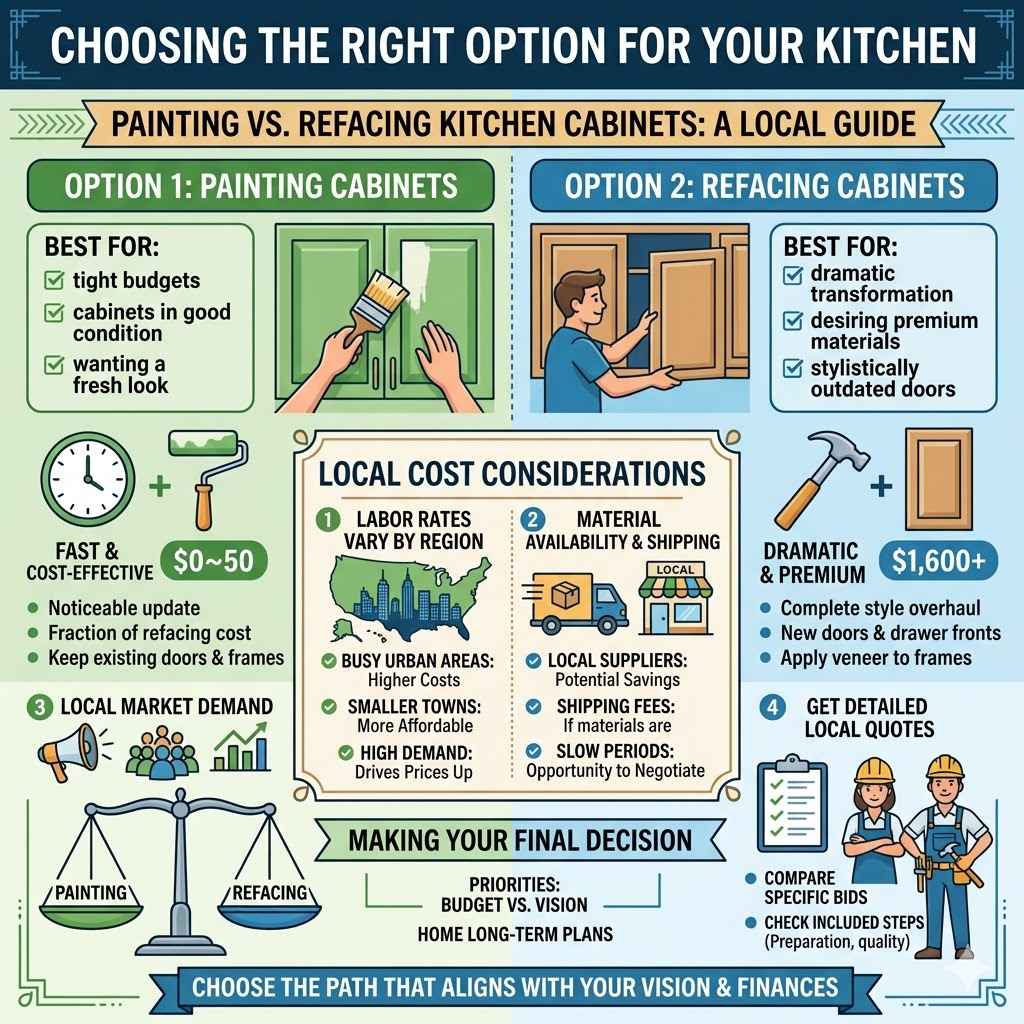
Ultimately, the best choice depends on your personal circumstances. If you’re on a tight budget and your cabinets are in good condition, painting is a fantastic way to achieve a noticeable update. If you’re seeking a more dramatic transformation, desire specific premium materials, or your current cabinet doors are stylistically outdated, refacing might be the more suitable, albeit more expensive, solution.
Taking the time to research local pricing for both services will help you make an informed decision.
Local Considerations For Cost
The cost of both painting and refacing kitchen cabinets can vary quite a bit depending on your location. Labor rates differ significantly from one city or region to another. In major metropolitan areas, you’ll often find higher prices for services due to increased demand and a higher cost of living.
Conversely, in smaller towns or rural areas, labor might be more affordable.
When looking at the Cost of Painting Kitchen Cabinets vs Refacing: Local Guide, it’s essential to get quotes from several local contractors. This will give you a realistic understanding of the prices in your specific area. Don’t just look at the bottom line; consider what each quote includes.
Some companies might have lower prices but exclude important steps like thorough preparation or use lower-quality materials.
Material costs can also be influenced by local availability and shipping fees. Specialized materials for refacing might be more expensive if they need to be shipped from a distance. Getting local estimates will ensure you’re comparing apples to apples and making a decision based on accurate, area-specific pricing.
This localized approach is key to understanding the true financial picture for your kitchen project.
Labor Rates Vary by Region: Busy urban areas usually have higher labor costs.
The cost of hiring professionals for painting or refacing is heavily influenced by the prevailing labor rates in your city or town. Areas with a high cost of living and strong demand for home improvement services will naturally command higher prices. A painter or refacer in New York City will likely charge more than someone in a smaller Midwest town for the exact same job.
It’s important to factor this into your budget.
Material Availability and Shipping: Local suppliers can sometimes offer better pricing.
The availability of materials in your local area can also impact the overall cost. If a specific type of veneer or paint is readily available from local suppliers, you might save on shipping costs and potentially get a better price. Conversely, if specialized materials need to be ordered from out of town, the associated shipping fees will increase the total expense.
Checking with local cabinet shops or remodelers can provide insight into this.
Local Market Demand: High demand can drive up prices for services.
When home renovation is booming in your area, the demand for skilled contractors increases. This higher demand can lead to price increases for services like cabinet painting and refacing. If many people are undertaking kitchen projects simultaneously, contractors may have more leverage to charge higher rates.
Conversely, during slower periods, you might be able to negotiate better prices.
Making Your Final Decision
After exploring the costs and processes involved in both painting and refacing kitchen cabinets, you’re in a much better position to make a decision. The Cost of Painting Kitchen Cabinets vs Refacing: Local Guide has hopefully illuminated the financial landscape and what each option entails.
Consider your priorities. If budget is the primary concern, and your cabinets are in decent shape, painting is likely the way to go. You can achieve a fresh look for a fraction of the cost.
If you’re aiming for a complete style overhaul, desire premium materials, or your current cabinet fronts are worn or dated beyond repair, refacing offers a more substantial, though costlier, transformation.
Get detailed quotes from local professionals for both services. This will give you concrete numbers to work with and help you visualize the investment required for each option in your specific area. Ultimately, choose the path that best aligns with your vision for your kitchen, your budget, and your long-term plans for your home.
Frequently Asked Questions
Question: Is it cheaper to paint or reface kitchen cabinets?
Answer: It is generally much cheaper to paint kitchen cabinets than to reface them. Painting can cost a few hundred dollars for materials if done yourself, or $800-$3,000 for professional services. Refacing typically ranges from $1,500 to $7,000 or more, depending on materials and kitchen size.
Question: Can I reface my own cabinets?
Answer: While some ambitious DIYers attempt cabinet refacing, it is generally recommended to hire professionals. Refacing requires precise measurements, careful application of veneers, and expert installation of new doors and drawer fronts to achieve a seamless, durable finish.
Question: How long does cabinet refacing last compared to painting?
Answer: When done professionally with quality materials, refaced cabinets can last 15-20 years or even longer, similar to new cabinets. Painted cabinets can last 10-15 years, but their lifespan can be shorter if not properly prepared and maintained, or if lower quality paints are used.
Question: Will painting damage my cabinets?
Answer: No, painting itself does not damage cabinets if done correctly. Proper preparation, including thorough cleaning and sanding, is crucial for paint adhesion and to prevent damage. Using the wrong products or skipping prep steps can lead to issues like chipping or peeling.
Question: What is the biggest advantage of refacing cabinets?
Answer: The biggest advantage of refacing cabinets is that it provides a completely new look and feel for your kitchen, similar to new cabinets, but at a lower cost than full replacement. It allows for significant style upgrades and the use of premium materials.
Summary
Deciding between painting and refacing kitchen cabinets comes down to budget, desired outcome, and your current cabinet condition. Painting offers a more affordable refresh, while refacing provides a more dramatic, higher-end transformation. Always get local quotes to understand exact pricing in your area.
Choose the option that best fits your kitchen vision and financial plan.