Cost to Restore Wooden Floors: Full Breakdown
Figuring out the Cost to Restore Wooden Floors: Full Breakdown can feel tricky when you’re just starting. There are so many things that can change the price, and it’s hard to know where to begin. You might wonder about sanding, refinishing, or even just fixing scratches.
This guide breaks it all down simply, step by step. We’ll look at what makes up the cost so you can plan your project with confidence. Get ready to see how easy it can be to get your beautiful wood floors back.
Understanding Wooden Floor Restoration Costs
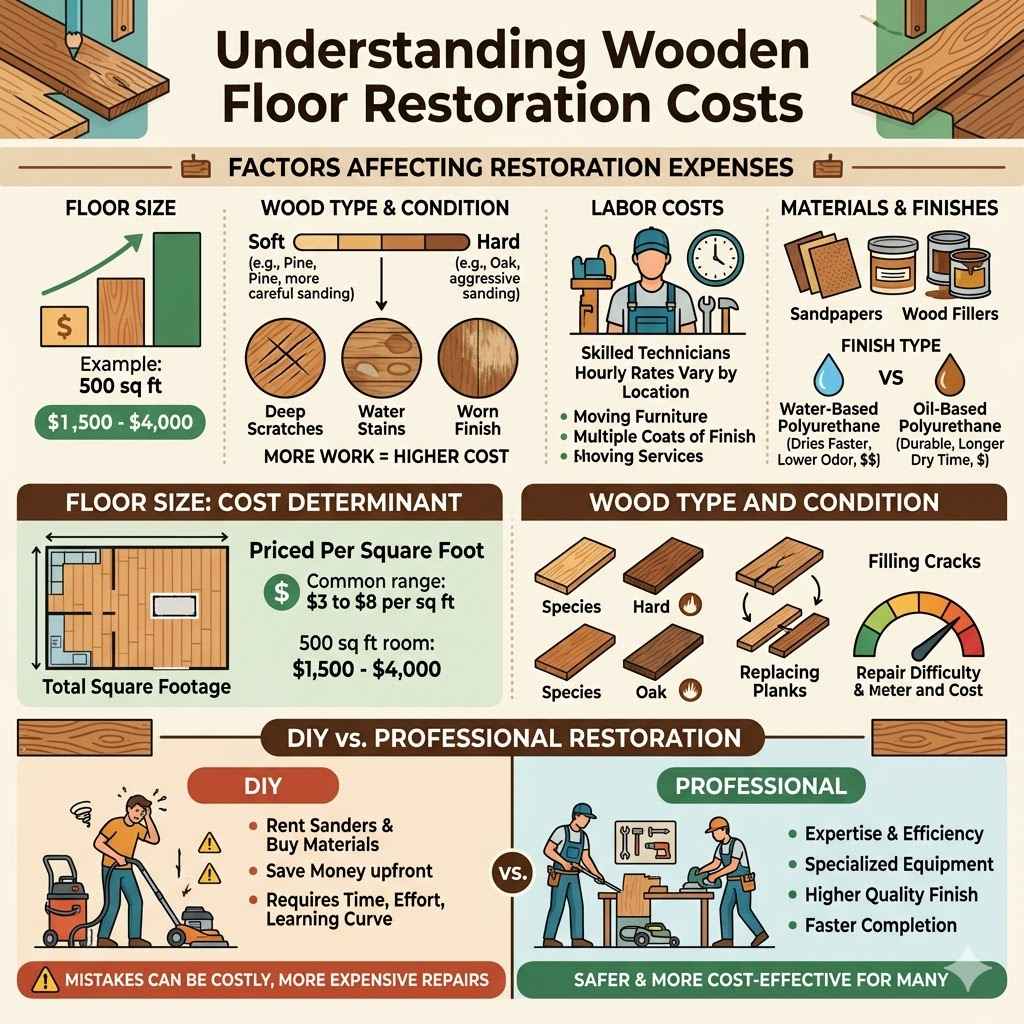
Restoring wooden floors is a popular way to bring old beauty back into a home. However, the Cost to Restore Wooden Floors: Full Breakdown isn’t a one-size-fits-all number. Many factors influence the final price, from the type of wood and its current condition to the size of the area and the services needed.
For someone new to home improvement, this can seem like a puzzle. This section aims to demystify the main elements that contribute to the overall expense.
Factors Affecting Restoration Expenses
Several key elements directly impact how much you’ll spend. The size of your floor is a primary driver; larger areas naturally cost more to work on. The type of wood also plays a role.
Hardwood floors like oak or maple might have different costs associated with them compared to softer woods. The existing condition of your floors is perhaps the most significant factor. Heavily damaged floors with deep scratches, water stains, or worn-out finishes will require more intensive work and thus, a higher price tag.
The labor involved is another major component. Professional floor restoration services charge for their expertise, time, and equipment. DIY projects can save on labor but require purchasing or renting tools and materials, which also adds up.
The type of finish you choose also matters. High-end, durable finishes might cost more upfront but offer better longevity, potentially saving money in the long run.
Floor Size
The total square footage of your wooden floors is a fundamental cost determinant. A 100-square-foot room will naturally cost less to restore than a 1000-square-foot living area. Contractors often price their services per square foot. For example, a common sanding and refinishing service might range from $3 to $8 per square foot, depending on the complexity and location. This means a 500-square-foot room could cost between $1,500 and $4,000 for labor and basic materials alone. Always get precise measurements for accurate quotes.
Wood Type and Condition
Different wood species have varying hardness and grain structures, which can affect the sanding and finishing process. Some woods, like pine, are softer and can be more easily damaged during sanding, requiring a gentler approach. Others, like oak or walnut, are harder and more durable but may require more aggressive sanding techniques.
The condition of the wood is equally critical. Floors with deep gouges, water damage, or extensive wear will need more repair work. This might involve filling cracks, replacing damaged planks, or intensive sanding to remove deep imperfections. Each of these extra steps adds to the labor and material costs.
Labor Costs
Professional floor restoration involves skilled labor. The hourly rates for experienced floor refinishers can vary significantly based on your geographic location and the demand for their services. Some contractors may offer a package deal that includes all labor and materials, while others might break down costs per service. It’s important to understand what is included in the labor price. Does it cover moving furniture? Does it include multiple coats of finish? Clarifying these details can prevent unexpected charges later on.
Materials and Finishes
The type and quality of materials used for restoration can also influence the price. This includes sandpaper grits for sanding, wood fillers for repairs, stains (if you choose to change the color), and the final protective finish. Polyurethane, for instance, is a common and durable finish. Water-based polyurethanes tend to dry faster and have a lower odor but can be more expensive than oil-based ones.
Oil-based polyurethanes are more traditional, durable, and often less costly but have a strong odor and take longer to dry. High-quality finishes will offer better protection and a more appealing look, justifying a higher cost.
DIY vs. Professional Restoration
Deciding whether to tackle floor restoration yourself or hire professionals is a big part of the cost consideration. A DIY approach can seem appealing to save money. You can rent sanders and buy materials.
However, this path requires significant time, physical effort, and a willingness to learn. Mistakes can be costly, potentially damaging your floors and leading to more expensive repairs.
Professional services bring expertise, specialized equipment, and efficiency. They can complete the job faster and often achieve a higher quality finish. While their fees are higher, they reduce the risk of errors and save you the hassle.
For those with limited experience or time, professional restoration is often the safer and ultimately, more cost-effective choice.
Detailed Breakdown of Restoration Services
When discussing the Cost to Restore Wooden Floors: Full Breakdown, it’s essential to look at the individual services that make up the total price. Different restoration needs will incur different costs. Understanding each step helps in budgeting and making informed decisions about what services are necessary for your floors.
Sanding Wooden Floors
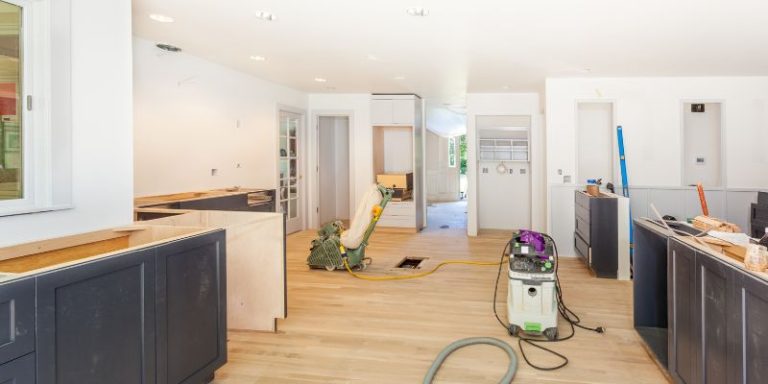
Sanding is often the most labor-intensive and costly part of floor restoration. It involves using abrasive machines to remove the old finish, dirt, and minor imperfections from the wood surface. There are different types of sanding::
Drum Sanding: This is the most aggressive type of sanding, using a large, drum-like machine. It’s effective for removing thick layers of old finish and leveling out uneven surfaces. However, it requires a skilled operator to avoid damaging the wood by creating divots or making the floor too thin.
Orbital Sanding: This uses a machine that sands in an orbital motion. It’s less aggressive than drum sanding and is often used for a final smoothing pass after drum sanding or for lighter refinishing jobs. It’s easier for DIYers to use without causing significant damage.
Edge Sanding: Special machines are used to sand the edges and corners of the room where the drum sander cannot reach. This is a crucial step for a uniform finish.
Detail Sanding: For very tight spaces, stairs, or intricate areas, hand sanding or smaller detail sanders are used.
The cost of sanding is heavily influenced by the condition of the floor. A floor with multiple layers of old varnish, deep scratches, or significant unevenness will require more sanding passes and more aggressive sandpaper grits, increasing the cost. The size of the area is also a factor, with pricing typically per square foot.
Example Scenario: Imagine a 400-square-foot room with old, worn-out polyurethane. A professional might charge $2 to $4 per square foot for basic sanding. This would bring the sanding cost alone to $800 to $1,600.
If the floor has deep pet scratches or uneven boards, the cost could easily climb to $4 to $6 per square foot, making the sanding part $1,600 to $2,400.
Statistics: According to industry surveys, sanding accounts for approximately 40-50% of the total cost of a full floor restoration project due to the labor and equipment involved.
Refinishing Wooden Floors
Refinishing is the process of applying a new protective coating to the sanded wood surface. This not only protects the floor from wear and tear but also enhances its appearance. Refinishing typically involves several steps:
Staining (Optional): If you want to change the color of your wood floors, staining is done after sanding. Stains come in a vast array of colors, from light natural tones to dark espresso shades. The application of stain requires care to ensure an even color distribution, especially on different wood grains which can absorb stain differently.
Sealing (Optional, but Recommended): Some professionals apply a sealer before the top coats. A sealer can help the stain adhere better, prevent blotchiness, and provide an extra layer of protection. It’s particularly useful for woods that tend to stain unevenly, like maple or birch.
Applying Top Coats: This is the final step where a protective finish is applied. The most common types are:
Polyurethane (Oil-Based): Known for its durability and warm amber tone, oil-based polyurethane offers excellent protection against scratches and moisture. It typically requires 2-3 coats, with drying times of 24 hours between coats and a curing period of several days before heavy furniture can be placed. Its strong odor and VOC (volatile organic compound) content are downsides.
Polyurethane (Water-Based): These finishes are clearer, dry much faster (often within a few hours), and have low odor and VOCs. They are also very durable, though some argue they may not offer quite the same depth of color as oil-based finishes. Water-based finishes usually require 3-4 coats for optimal protection.
Hardwax Oils: These finishes penetrate the wood and create a matte, natural look. They are easy to repair and maintain, as you can reapply oil to worn areas without full sanding. However, they are generally less durable than polyurethanes against heavy traffic and spills.
The cost of refinishing depends on the type of finish chosen and the number of coats applied. Water-based finishes and hardwax oils are typically more expensive per gallon than oil-based polyurethanes. Professional application also adds to the cost, as it involves precise technique to achieve a smooth, even finish.
Sample Scenario: For a 400-square-foot room, refinishing with a standard oil-based polyurethane might cost $2 to $4 per square foot for two coats, totaling $800 to $1,600. If a premium water-based finish or hardwax oil is chosen, the price could increase to $3 to $5 per square foot, amounting to $1,200 to $2,000.
Repairing Damaged Floorboards
Beyond sanding and refinishing, your floors might need repairs. This can significantly increase the overall Cost to Restore Wooden Floors: Full Breakdown. Common issues include:
Cracked or Splintered Boards: Small cracks might be filled with wood filler. Larger, more serious cracks or splintered sections often require replacing the damaged plank entirely. This involves carefully removing the old board without damaging the surrounding ones and then fitting and securing a new one.
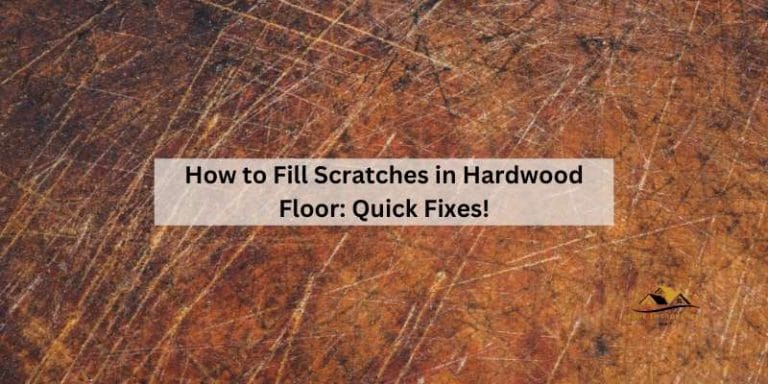
Gouges and Deep Scratches: Minor scratches can often be buffed out during sanding. However, deep gouges that penetrate the wood significantly might require filling with a matching wood filler or epoxy.
Water Damage and Stains: Water stains, especially dark ones, can be difficult to remove. In some cases, they can be bleached out, but this is a delicate process. Severely warped or rotted boards due to water damage will need replacement.
Loose or Squeaky Boards: If boards are loose, they can be re-secured to the subfloor using nails or screws. Squeaks often occur when boards rub against each other or the subfloor, and can sometimes be fixed by injecting wood glue into the gaps or by securing the boards from below.
The cost for repairs varies widely. Replacing a single board might cost $20-$50 for the material and an hour or two of labor. If multiple boards need replacement, or if the damage is extensive, the cost can rise substantially.
Matching the wood type, grain, and age to the existing floor can be challenging and may require sourcing specialized lumber, which can be more expensive.
Example Case Study: A homeowner in a historic house found several floorboards had been damaged by a leaky radiator. The damaged sections were about 10 square feet in total. Replacing these boards, including sourcing matching antique lumber and the labor for careful removal and installation, cost them an additional $800.
This was on top of the $2,500 for sanding and refinishing the entire room.
Statistics: Replacing damaged floorboards can add 10-30% to the overall restoration cost, depending on the extent of the damage and the availability of matching materials.
Odor Removal and Deep Cleaning
Sometimes, older wooden floors carry lingering odors from pets, smoke, or long-term moisture exposure. Deep cleaning and odor removal can be an additional service needed before or during restoration.
Deep Cleaning: This goes beyond regular mopping and can involve specialized solutions to lift embedded dirt and grime from the wood grain. For heavily soiled floors, professional cleaning might involve using a floor scrubber machine with appropriate cleaning agents.
Odor Removal: For persistent odors, several methods can be employed:
Ozone Generators: These machines produce ozone gas, which can neutralize odor molecules. The room needs to be unoccupied during treatment and thoroughly ventilated afterward.
Encapsulation Treatments: Special solutions are applied that lock odor molecules into the wood or finish, preventing them from being released.
Subfloor Deodorizing: In severe cases, odors may have penetrated the subfloor. This might require lifting sections of the flooring to treat the subfloor directly with odor-neutralizing agents.
The cost for deep cleaning and odor removal can range from $100 to $500 or more, depending on the severity of the odor and the methods used. If the subfloor needs treatment, costs can increase significantly.
Estimating the Total Cost to Restore Wooden Floors
To get a clear Cost to Restore Wooden Floors: Full Breakdown, you need to consider all potential expenses. The final price will be a sum of the services performed, the materials used, and the labor involved. Professionals typically provide detailed quotes that outline each of these components.
Typical Pricing Structures
Contractors usually price floor restoration in a few ways:
Per Square Foot Pricing: This is the most common method. A price is given for each service (sanding, refinishing, repairs) based on the total square footage. This provides a straightforward way to estimate costs for larger areas.
Project-Based Pricing: For smaller or highly specialized jobs, a contractor might provide a flat rate for the entire project after assessing the specific needs.
Hourly Rate Plus Materials: Less common for standard restoration, but may be used for extensive repairs or custom work. The client is billed for the time spent by the crew plus the cost of all materials used.
When comparing quotes, it’s crucial to ensure they are for the same scope of work and specify the same quality of materials. For instance, a quote using basic oil-based polyurethane will be lower than one offering a premium water-based finish.
Cost Ranges for Different Floor Conditions
The condition of your wooden floors will dramatically influence the final cost. Here’s a general idea:
Minor Scratches and Faded Finish (Light Restoration): If your floors have light wear, some scuffs, and a dull finish but no deep damage, you might only need a buff and recoat. This process lightly abrades the surface and applies a new coat of finish without full sanding.
Cost: $1.50 – $3.00 per square foot.
For a 500 sq ft area: $750 – $1,500.
Moderate Wear and Tear (Standard Restoration): This involves full sanding to remove the old finish and minor imperfections, followed by staining (optional) and 2-3 coats of a durable finish like polyurethane.
Cost: $3.00 – $6.00 per square foot.
For a 500 sq ft area: $1,500 – $3,000.
Significant Damage (Heavy Restoration): This includes floors with deep scratches, gouges, minor water damage, or uneven boards that require extensive sanding, board replacement, and multiple coats of high-quality finish.
Cost: $6.00 – $10.00+ per square foot.
For a 500 sq ft area: $3,000 – $5,000+.
These ranges are estimates and can fluctuate based on your location and the specific contractor. Always obtain multiple quotes.
Hidden Costs to Watch For
While getting your quote, be aware of potential extra charges:
Moving Furniture: Some contractors include this, while others charge extra, especially for heavy items.
Subfloor Repair: If the subfloor beneath your wood is damaged, it will need repair before the wood can be restored, adding significant cost.
Stair Treads: Sanding and refinishing stairs is much more labor-intensive and typically costs more per step than flat floor areas.
Mold or Pest Infestation: If mold or termites are found, remediation will be necessary, adding substantial expense.
Unusual Wood Types or Patterns: Exotic woods or complex patterns like herringbone can increase labor costs due to the specialized skill required.
It is wise to ask contractors to clearly list all potential extra charges and what triggers them in their quote.
Maximizing Value and Longevity
Understanding the Cost to Restore Wooden Floors: Full Breakdown is only part of the picture. Making smart choices during the restoration process can help you get the best value and ensure your floors look great for years to come.
Choosing the Right Finish
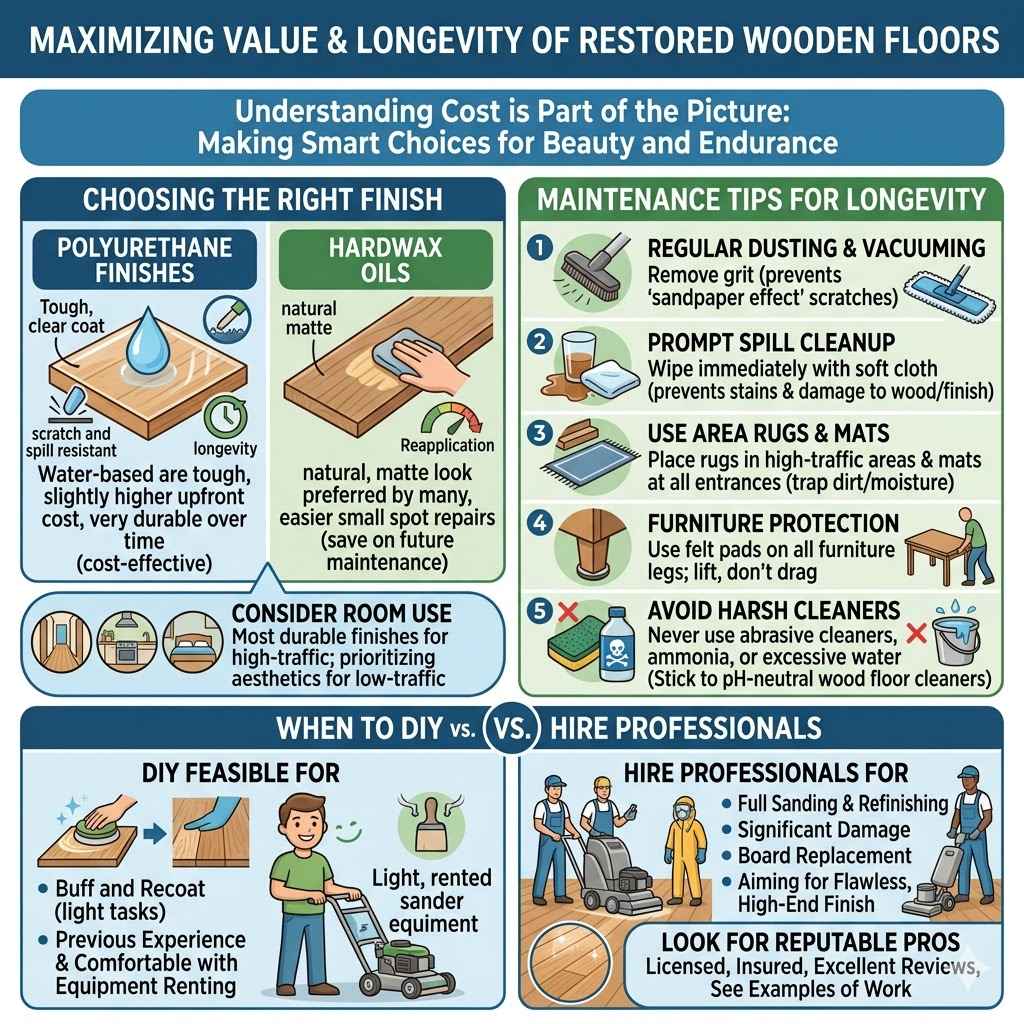
The finish you select has a direct impact on both the appearance and durability of your floors. Polyurethane finishes, especially water-based ones, are popular for their toughness and resistance to scratches and spills. While they might have a slightly higher upfront cost than some older types of finishes, their longevity often makes them more cost-effective over time.
Hardwax oils offer a more natural, matte look that many homeowners prefer. They are easier to repair in small areas, which can save money on future maintenance. However, they generally require more frequent reapplication than polyurethanes to maintain their protection and appearance, especially in high-traffic zones.
Consider the intended use of the room. High-traffic areas like hallways, kitchens, and living rooms benefit from the most durable finishes. Less-used areas, like bedrooms, might be suitable for finishes that prioritize aesthetics over extreme durability.
Maintenance Tips for Longevity
Proper care is key to extending the life of your restored wooden floors and minimizing the need for future costly repairs. Regular cleaning is essential, but the method matters.
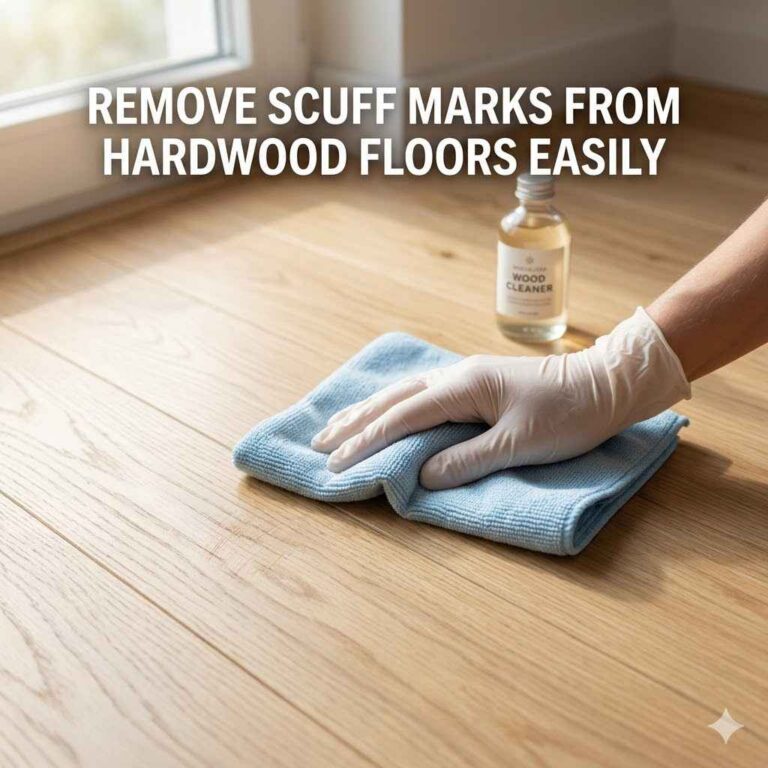
Regular Dusting and Vacuuming: Use a soft-bristle attachment on your vacuum cleaner or a microfiber dust mop to remove grit and dust. These particles can act like sandpaper underfoot, scratching the finish over time.
Prompt Spill Cleanup: Wipe up any spills immediately with a soft, absorbent cloth. Allowing liquids to sit can cause stains and damage to the wood and finish.
Use Area Rugs and Mats: Place rugs in high-traffic areas and doormats at all entrances to trap dirt and moisture before they reach your wood floors.
Furniture Protection: Use felt pads on the legs of all furniture to prevent scratches. Avoid dragging furniture; always lift and move it carefully.
Avoid Harsh Cleaners: Never use abrasive cleaners, ammonia-based products, or excessive amounts of water on your wood floors. Stick to pH-neutral wood floor cleaners recommended by your contractor.
By following these simple maintenance steps, you can significantly prolong the beauty and integrity of your restored floors.
When to DIY vs. Hire Professionals
The decision to DIY or hire professionals depends on your skills, time, and budget. For light tasks like a buff and recoat, or if you have previous experience and are comfortable renting equipment, a DIY approach might be feasible. However, full sanding and refinishing require specialized knowledge and heavy-duty equipment that can be expensive to rent and tricky to operate without experience.
If your floors have significant damage, require board replacement, or if you’re aiming for a flawless, high-end finish, hiring professionals is usually the best course of action. Their expertise ensures the job is done correctly the first time, saving you potential costly mistakes and the frustration of a less-than-perfect outcome.
When getting quotes, look for contractors who are licensed, insured, and have excellent reviews. Ask to see examples of their previous work. A reputable professional will be happy to explain their process and provide a detailed, transparent estimate.
Frequently Asked Questions
Question: What is the average cost to sand and refinish hardwood floors per square foot?
Answer: The average cost to sand and refinish hardwood floors typically ranges from $3 to $6 per square foot. This includes basic sanding to remove the old finish, applying stain if desired, and applying 2-3 coats of a durable finish like polyurethane. Costs can be lower for light buff and recoat services ($1.50-$3 per sq ft) or higher for extensive repairs or premium finishes.
Question: How much does it cost to replace one damaged hardwood floor plank?
Answer: Replacing one damaged hardwood floor plank usually costs between $20 and $50 for the material, plus an hourly labor charge that can range from $50 to $100 per hour. The total can range from $70 to $150 or more per plank, depending on the wood type, availability, and the complexity of the replacement.
Question: Can I refinish my wooden floors myself to save money?
Answer: Yes, you can refinish your wooden floors yourself to save money on labor costs. However, this requires renting sanding equipment, purchasing all necessary materials, and dedicating significant time and physical effort. Be aware that mistakes can be costly and may lead to professional repair needs if not done correctly.
Question: What is a “buff and recoat” and how does it differ from full refinishing?
Answer: A buff and recoat is a lighter maintenance service that involves lightly abrading the existing finish and applying a new coat or two of protective finish. It’s suitable for floors that are generally in good condition with minimal scratches and no deep damage. Full refinishing involves complete sanding down to the bare wood, which removes deeper imperfections and allows for color changes, making it a more intensive and costly process.
Answer: Yes, common hidden costs can include moving furniture, repairing the subfloor if it’s damaged, refinishing stairs (which is more expensive per step), dealing with mold or pest infestations, and costs associated with unusual wood types or intricate patterns. Always ask for a detailed breakdown and clarification on what is and isn’t included.
Wrap Up
Getting a clear Cost to Restore Wooden Floors: Full Breakdown empowers you to plan wisely. We explored sanding, refinishing, repairs, and the factors influencing price. Remember that quality materials and professional labor ensure lasting beauty.
Choose a finish that suits your lifestyle and maintain it well. Your beautiful wooden floors are an investment worth protecting.