Disposing of Water-Based Paint: Simple Steps and Safety Measures
Figuring out How to Dispose of Water-Based Paint After Sprayer can feel tricky when you’re just starting. It’s a common concern for people who like to paint, especially if they use sprayers. You might worry about doing it wrong or harming the environment. Don’t sweat it! This guide breaks down the process into easy steps. We’ll show you exactly how to do it safely and without stress, ensuring you’re doing your part for a cleaner planet. We’ll cover everything, so let’s get started!
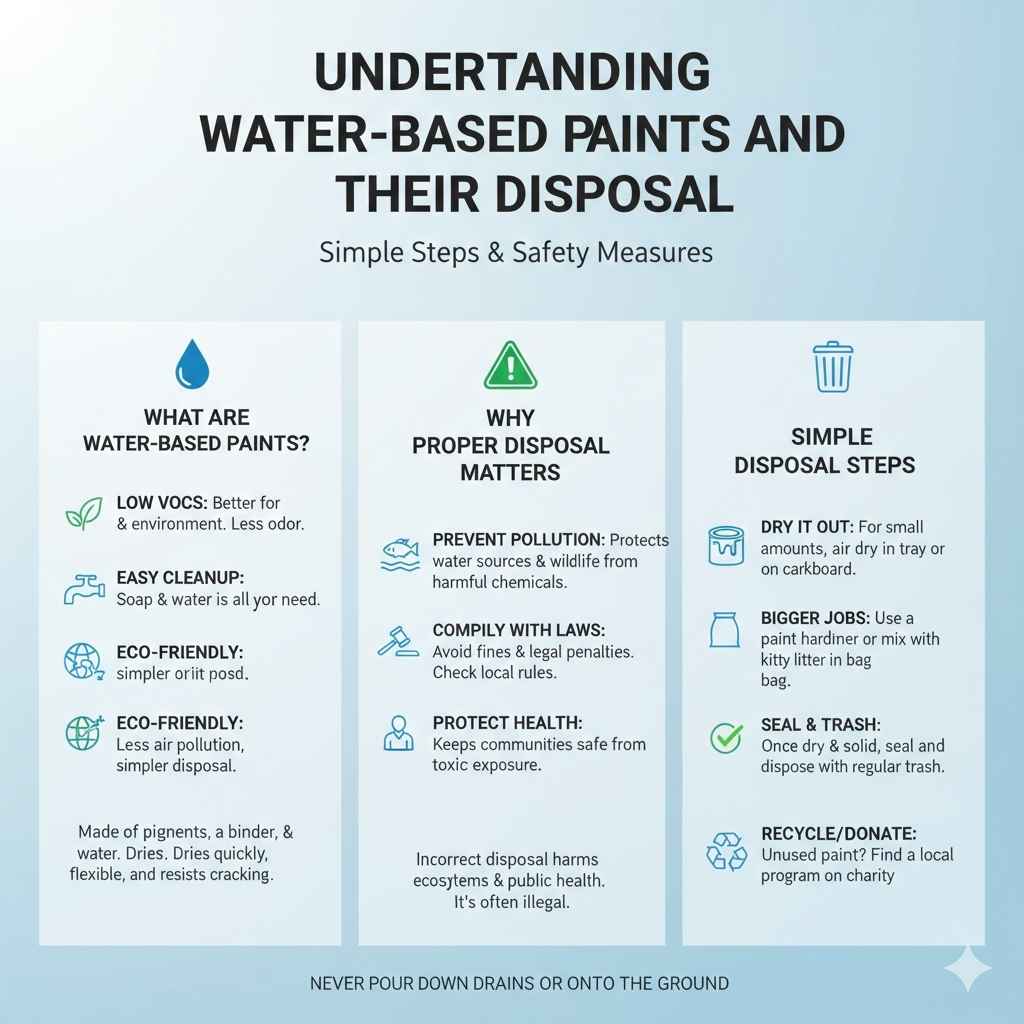
Understanding Water-Based Paints and Their Disposal
Water-based paints, also known as latex or acrylic paints, are popular because they’re easy to clean up with soap and water. They also have fewer harsh chemicals than oil-based paints. However, just because they’re water-based doesn’t mean they’re safe to pour down the drain or toss in the trash without care. This section will explore the key differences between water-based paints and other paint types, and explain why proper disposal is important.
What Makes Water-Based Paints Different?
Water-based paints are made of pigments (the stuff that gives the paint its color), a binder (holds the pigment together), and water. They have a lower level of volatile organic compounds (VOCs) which are the chemicals that evaporate into the air when paint dries. This means they smell less and are generally safer to use indoors. These paints dry quickly, are flexible, and resist cracking. Due to this composition, knowing the proper method to deal with unused paint or the remnants of water-based paint after using a sprayer is essential.
Low VOC Content: A key difference is the lower levels of VOCs, which are better for your health and the environment. Oil-based paints often have a strong smell and release more VOCs.
VOCs, or Volatile Organic Compounds, are chemicals that easily become vapors or gases. They are released from things like paint, cleaning supplies, and even furniture. They can cause health problems like headaches, dizziness, and respiratory issues, particularly in poorly ventilated areas. Water-based paints typically have a lower VOC content, making them a better choice for indoor use and reducing the chances of these health issues. Choosing paints with low VOC levels helps protect your health and the environment.
Easy Cleanup: You can clean up water-based paint with soap and water, making it much simpler to deal with spills and brushes compared to oil-based paints that need solvents.
Cleaning up after painting is easier with water-based paints. Unlike oil-based paints that require strong solvents, water-based paints can be cleaned with plain water and soap. This makes the cleanup process much simpler and less hazardous. The ease of cleaning also means less waste and fewer harmful chemicals used in the process. For instance, using just water can remove wet paint from brushes, rollers, and surfaces, which is something that would be impossible with other types of paint.
Environmental Impact: Water-based paints are generally considered more environmentally friendly due to their lower VOCs and easier disposal methods. However, it’s still important to dispose of them properly.
The environmental impact of water-based paints is notably lower than oil-based alternatives. Because they have lower VOCs, they contribute less to air pollution and are safer to use indoors. The simple disposal procedure, which may include letting the paint dry out and throwing it away with regular trash, also means a smaller amount of hazardous materials gets released into the ecosystem. This aligns with many environmental sustainability efforts and gives water-based paints a major advantage.
The Importance of Proper Disposal
Properly disposing of water-based paint is essential for protecting the environment and public health. Improper disposal can lead to contamination of water sources and soil, posing risks to wildlife and humans. In many areas, it’s illegal to throw paint in the regular trash or pour it down the drain. This means it is very important to get rid of the remaining paint after using it with a sprayer correctly.
Preventing Environmental Contamination: Incorrect disposal can pollute water supplies and harm wildlife. Paint contains chemicals that can be dangerous if they seep into the ground or enter waterways.
When paint is dumped improperly, it can cause major harm to the environment. Hazardous substances within the paint can seep into the soil, pollute groundwater, and contaminate rivers and lakes. This pollution impacts ecosystems by poisoning plants and animals, and it can also contaminate drinking water supplies. This is why proper disposal techniques are essential to maintaining environmental well-being.
Compliance with Regulations: Following local regulations prevents fines and penalties. Many areas have rules about how to get rid of paint, so it’s important to know and follow the rules.
Local and national rules regulate the disposal of paints. These rules are put in place to protect the environment and people’s health. Ignoring these rules could result in penalties, like fines. Knowing and following these regulations is key to responsible waste disposal and avoiding legal troubles. Contacting your local waste management services will provide specific instructions and guidelines for where you live.
Protecting Public Health: Improper disposal can expose people to harmful chemicals. By disposing of paint correctly, you help safeguard the community’s health.
Improper disposal of paint can pose health hazards to people. Exposure to dangerous chemicals in paint can happen when paint enters drinking water supplies or contaminates soil near homes and schools. Correct disposal methods reduce these risks by keeping dangerous substances from coming into contact with people. This protects public health and promotes a safer community environment.
Getting Ready: What You’ll Need and Safety First
Before you get started, gather the correct materials and follow safety guidelines. This part is critical to dispose of water-based paint from your sprayer correctly. Having everything ready and knowing how to be safe will make the entire process easier and more secure. We’ll examine the necessary supplies and vital safety precautions in detail.
Gathering Your Supplies
Having the right tools will make the paint disposal process simple. Make sure you have the following items before starting.
Paint Disposal Containers: You might need empty cans or boxes to hold the solidified paint.
For safe disposal, it’s critical to have strong containers. When the paint dries and hardens, these containers will keep the paint contained. These containers must be able to hold the solidified paint without leaking and strong enough for easy handling. Using sturdy containers reduces the likelihood of spills and makes the disposal process much cleaner and less risky.
Absorbent Material: Things like kitty litter, shredded newspaper, or commercial paint hardeners help solidify the paint.
Absorbent materials are used to soak up the liquid paint, allowing it to solidify faster, making it easier to handle and dispose of safely. These materials help prevent spills and reduce the possibility of paint seeping into the environment. Commercial paint hardeners are made particularly for this purpose and are very effective. Other options, like cat litter, can provide a good absorbent base. Make sure you use enough material to fully absorb the paint.
Personal Protective Equipment (PPE): Gloves, eye protection, and a mask can protect you from paint splatters and fumes.
PPE, or Personal Protective Equipment, is essential to guarantee your safety during the disposal process. Gloves protect your skin from contact with the paint, while eye protection guards your eyes against splatters and fumes. A mask helps you avoid breathing in any dangerous vapors. Wearing the correct PPE guarantees that you can manage the disposal process safely and lowers the chance of negative health effects from paint exposure.
Cleaning Supplies: Soap and water are useful for cleaning up any spills or mess.
Having cleaning supplies nearby is very useful. Even with careful handling, spills and splatters can still happen. Soap and water are efficient for cleaning water-based paint, allowing you to quickly clean up any messes and maintain a clean workspace. Always clean up spills as soon as they happen to stop them from drying and becoming harder to remove. This will help you keep a clean, safe, and organized area throughout the paint disposal process.
Safety Precautions: Your Well-Being Matters
Taking precautions ensures your safety and reduces health risks. Following these safety tips will make sure you are safe when you are getting rid of water-based paint.
Ventilation: Work in a well-ventilated area to reduce your exposure to fumes. If you are doing this inside, open windows or use a fan.
Working in a well-ventilated area is important to minimize your exposure to paint fumes. Ensure that you’re working outdoors, in a garage with the door open, or in a room with open windows. Good ventilation will improve air quality by dispersing fumes, making them less likely to cause irritation or health concerns. Fresh air will keep you comfortable and focused during the disposal process.
Protective Gear: Always wear gloves, eye protection, and a mask to protect your skin, eyes, and lungs. This helps protect you from paint and chemical exposure.
Wear the right safety equipment to protect yourself from paint and chemicals. Gloves protect your hands from direct contact, preventing skin irritation and absorption. Eye protection prevents splatters from entering your eyes, and a mask protects your lungs from breathing in fumes. Wearing the proper gear will ensure your health and safety during the paint disposal process.
Avoid Skin Contact: Try to prevent paint from getting on your skin. If paint does come into contact with your skin, wash it off right away with soap and water.
Avoiding direct skin contact is vital. Even water-based paints can cause irritation in some people. If paint does get on your skin, wash it off quickly with soap and water. Prompt cleanup helps to avoid any skin issues. Keep in mind that PPE, such as gloves, is your best defense against direct contact with paint.
Keep Away from Children and Pets: Keep the disposal area clear of kids and animals to keep them safe from any risks.
It’s important to keep children and pets away from the disposal area to ensure their safety. Paint and the disposal process may involve potentially dangerous materials and fumes. Setting up your workspace somewhere inaccessible to children and pets keeps them from accidental exposure. This prevents any possible health risks, allowing you to dispose of the paint securely and with peace of mind.
The Right Way to Dispose of Water-Based Paint After Sprayer
The disposal process after using a sprayer can be broken down into clear steps. This section explains how to get rid of your water-based paint properly and safely. Following these steps helps protect the environment and complies with local rules.
Step-by-Step Disposal Guide
Here’s how to safely get rid of leftover paint from your sprayer.
Empty the Sprayer: First, release any leftover paint from the sprayer back into its original container or another safe container. Use a funnel if necessary to prevent spills.
The first step is to get rid of any unused paint that is still in the sprayer. This keeps the paint from being wasted and makes the disposal process much easier. Gently pour the paint back into its original container or into a safe, sealed container. A funnel may be helpful to avoid spills and guarantee that all of the paint is collected safely. This step reduces waste and prepares you for the next stages of disposal.
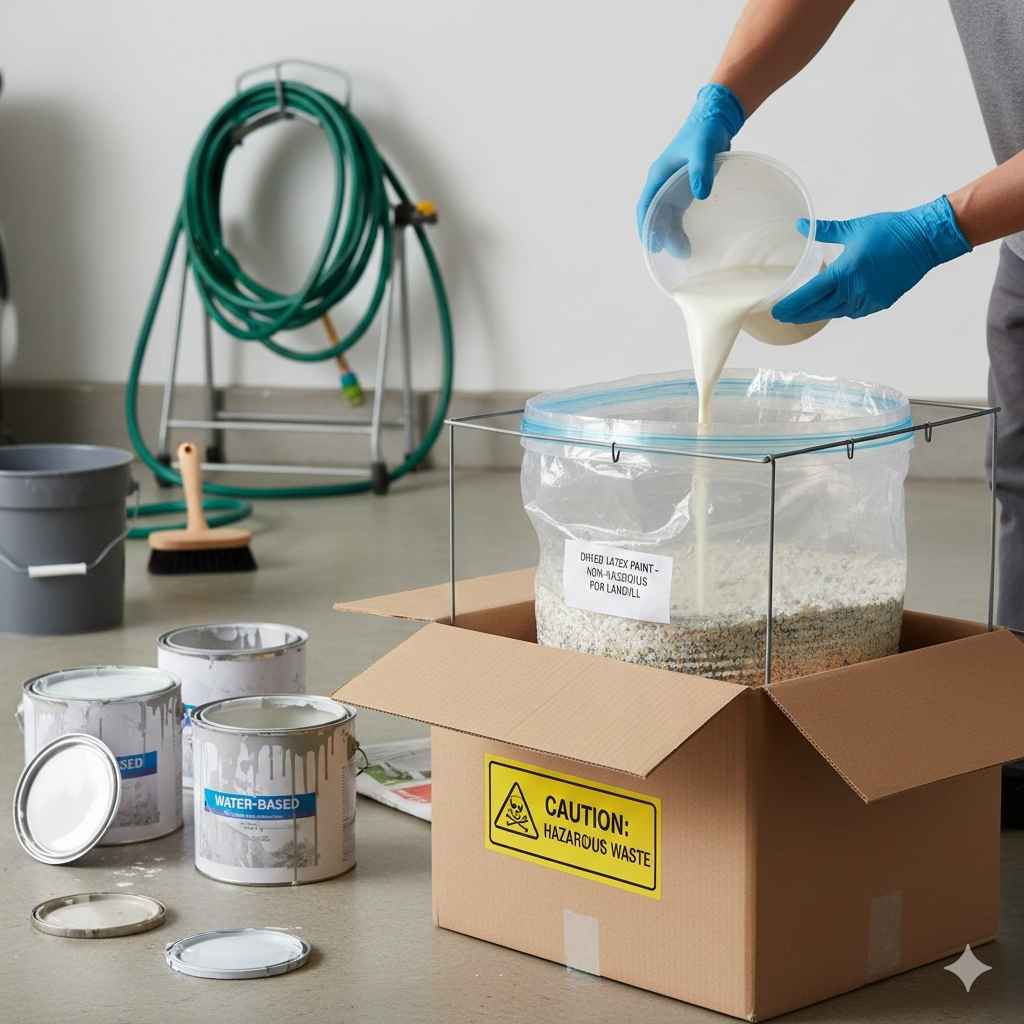
Solidify the Paint: Mix the remaining paint with an absorbent material like kitty litter, shredded newspaper, or a commercial paint hardener. Allow the mixture to dry completely.
Next, you must solidify the remaining paint to make it simpler to handle and dispose of safely. Add an absorbent material such as cat litter, shredded newspaper, or a commercial paint hardener to the leftover paint. Thoroughly mix the material until it is fully absorbed. Allow the mixture to dry completely. This procedure stops the paint from remaining liquid and makes it possible to safely throw it away as solid waste.
Prepare for Disposal: Once the paint is completely solid, place it in a disposal container. This could be the original paint can (with the lid off) or a sturdy cardboard box.
After the paint has completely solidified, the next step is to get it ready for disposal. Place the solidified paint into a proper container to prevent spills and ease handling. This might be the original paint can (with the lid removed) or a solid cardboard box. Make sure the container is large enough to hold all the solid paint and sturdy enough to endure transport without leaking. Properly packaging the paint is essential for guaranteeing it can be disposed of in a safe manner.
Check Local Regulations: Find out the disposal guidelines for paint in your area. This varies depending on where you reside. You might have to take the solidified paint to a hazardous waste collection site or follow special instructions.
It’s important to be aware of your local disposal rules for paint. Rules vary greatly depending on where you reside, so it is necessary to check your local government’s guidelines or waste management services. You might need to bring the solidified paint to a hazardous waste collection center, or they might provide special instructions for disposal. Knowing and following these rules guarantees that you will dispose of the paint in a safe and legal manner, protecting the environment and complying with local regulations.
Cleaning the Sprayer: Thoroughly clean the sprayer components (nozzle, container, etc.) with water. Follow the sprayer manufacturer’s instructions for cleaning. Dispose of the cleaning water properly, following local regulations for paint-related waste.
After the paint has been disposed of, you must clean your sprayer to maintain its quality and ensure it is ready for your next project. Disassemble the sprayer’s parts, such as the nozzle, container, and any other parts that have come into contact with the paint. Using water, clean each part carefully, paying special attention to removing any remaining paint residue. Follow the manufacturer’s directions for cleaning to avoid damaging the sprayer. Get rid of the cleaning water properly, following your local rules for paint-related waste disposal. This step ensures that your sprayer is clean and well-maintained.
Dealing With Spraying Equipment Residue
Cleaning the sprayer and dealing with the residue is an important part of paint disposal. This will help make sure that everything is clean, and the disposal process is complete.
Cleaning the Sprayer: Following the manufacturer’s directions to clean the sprayer.
Following the manufacturer’s directions is key to cleaning your sprayer properly. These directions are made particularly for your sprayer model and will cover everything from disassembly to cleaning and reassembly. Taking this advice guarantees that you will clean all the parts carefully without damaging the equipment. Proper cleaning helps extend the sprayer’s life and makes sure it will perform at its best when you use it again.
Rinsing and Disposal of Cleaning Water: You can’t just pour the used cleaning water down the drain. You need to dispose of the water as hazardous waste.
It is important to not pour used cleaning water down the drain since it contains paint particles and chemicals. You need to get rid of the cleaning water according to hazardous waste rules. This might mean letting the paint solids settle and disposing of the residue after it hardens. Contact your local waste management services for specific instructions on how to handle paint-related wastewater safely.
Handling Nozzle and Container Residue: Use the absorbent material to collect any residue and dry it before disposing of it.
Use the absorbent material, such as cat litter or a commercial paint hardener, to collect and solidify any remaining residue in the nozzle and container. Pour the absorbent material into the container with the residue and blend thoroughly until the mixture hardens. Allow the mixture to dry completely. Place the solidified material in a closed container, following your local disposal rules for hazardous waste. This practice prevents any remaining paint from polluting the environment.
Beyond Basic Disposal: Advanced Tips and Solutions
Some situations need more advanced disposal techniques. We’ll explore these options for getting rid of paint and sprayer leftovers.
Handling Large Quantities of Paint
When you have a lot of paint, you may need a different approach to ensure it is disposed of correctly.
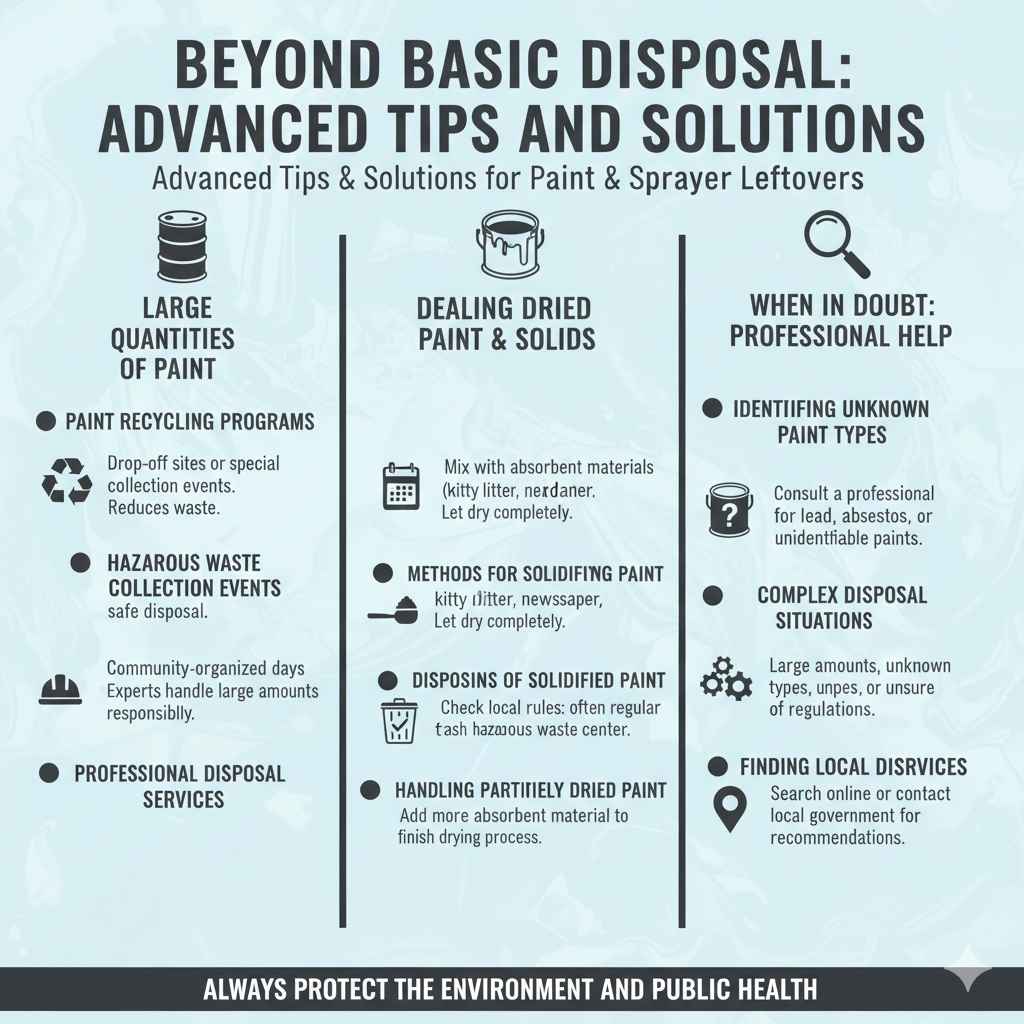
Paint Recycling Programs: Look for local paint recycling programs that accept leftover paint.
If you have a lot of leftover paint, think about local recycling programs. Many communities provide drop-off sites or special collection events for paint recycling. These programs help reduce waste by recycling usable paint or safely getting rid of it. Search your local government’s website or waste management services to discover recycling options in your neighborhood.
Hazardous Waste Collection Events: Many communities organize hazardous waste collection days where you can drop off paint and other dangerous materials.
Participating in hazardous waste collection events is another great way to get rid of huge quantities of paint safely. These events, usually hosted by local governments or environmental organizations, give a safe and controlled setting for dropping off paint and other hazardous household waste. These events are usually organized on specific days and times. Visit your local government’s website to learn more about the schedule and where to bring your leftover paint.
Professional Disposal Services: You may hire a professional disposal service if you have a significant amount of paint.
If you have a large quantity of paint, consider using professional disposal services. These services have the expertise and tools to get rid of hazardous waste properly. These services ensure that your paint is disposed of in accordance with environmental regulations, which will give you peace of mind. Seek out local waste management or environmental service providers that specialize in handling hazardous materials.
Dealing with Dried Paint and Solids
Properly managing dried paint and paint solids is crucial to prevent environmental contamination.
Methods for Solidifying Paint: Using absorbent materials is a good way to dry the remaining paint.
Using absorbent materials like kitty litter, shredded newspaper, or commercial paint hardeners is a reliable method for solidifying paint. Mix the paint with the absorbent material. It will absorb the liquid and convert it to a solid. Be sure to mix everything completely until the paint is entirely absorbed and the mixture has a solid consistency. Let the mixture dry completely, which may take some time depending on the amount and the material utilized. This procedure guarantees that the paint will be in solid form for simple and safe disposal.
Disposing of Solidified Paint: Solidified paint can be disposed of as ordinary trash or in accordance with local hazardous waste regulations.
Once the paint has dried and solidified, you may dispose of it properly. The specific disposal method is based on your local regulations. Some jurisdictions allow solidified paint to be thrown in with ordinary trash, while others may require you to bring it to a hazardous waste collection center. Always check your local waste management services for their specific standards. Follow all instructions to guarantee that the paint is disposed of safely and in accordance with local environmental regulations.
Handling Partially Dried Paint: If the paint is just partially dry, you may add more absorbent material to finish the process.
If the paint is only partially dry, you can use more absorbent material to finish the process. Add more kitty litter, shredded newspaper, or commercial paint hardener to the container, and completely blend the mixture. This will help the remaining liquid paint dry out and solidify. Make sure you mix thoroughly and allow adequate time for the mixture to dry completely. This step will help keep the paint contained and make it easier to dispose of it safely.
When in Doubt: Professional Help
There are times when getting expert assistance is the best option.
Identifying Unknown Paint Types: If you’re unsure about the kind of paint, consult a professional.
If you are not certain about the kind of paint, getting help from a professional is best. Certain paint kinds, like those containing lead or asbestos, need specific disposal methods to safeguard your health and the environment. A professional can help identify the paint type and provide suggestions for safe and suitable disposal. They may have specific training and experience in handling hazardous materials and can give you guidance to make sure you’re following all the necessary steps.
Complex Disposal Situations: For complicated disposal situations, professional services provide solutions.
If you have a complicated disposal situation, consulting professional services is a smart move. When you have a large amount of paint, have unknown paint types, or are unsure of the local regulations, professional disposal services will help. These services have experience handling hazardous materials and can offer safe and compliant solutions. They will ensure that your paint is disposed of correctly, giving you peace of mind and saving you the effort of doing it alone.
Finding Local Disposal Services: Search online or contact your local government for suggestions.
Finding disposal services locally is simple. Start by searching online for “hazardous waste disposal” or “paint disposal” in your area. Many businesses provide specialized services for the safe disposal of paint and other hazardous materials. You may also contact your local government’s waste management department, which may provide recommendations or a list of accredited disposal services in your area. This will help you identify reliable and compliant services, guaranteeing that your paint is disposed of properly.
Frequently Asked Questions
Question: Can I pour water-based paint down the drain?
Answer: No, you should not pour water-based paint down the drain. Even though it’s water-based, it can still harm the environment and clog pipes. You need to dispose of it properly.
Question: What do I do with the empty paint cans?
Answer: Once the paint is completely dry, you can usually recycle the empty paint cans, but check your local rules first. Make sure they are completely empty before putting them in the recycling bin.
Question: Is it safe to store leftover paint?
Answer: Yes, you can store leftover water-based paint in a tightly sealed container in a cool, dry place. Make sure the container is sealed well to prevent drying or contamination.
Question: What’s the best way to clean paint sprayers?
Answer: Always follow the manufacturer’s instructions for cleaning the sprayer. Generally, you’ll disassemble the sprayer, clean each part with water or a recommended solvent, and then reassemble it.
Question: What if I have a lot of paint to get rid of?
Answer: If you have a large amount of paint, consider a local paint recycling program or a hazardous waste collection event. These options can handle larger quantities safely.
Final Thoughts
So, there you have it! Getting rid of water-based paint after using a sprayer doesn’t have to be hard. By understanding the types of paint, gathering the right supplies, and following simple steps, you can dispose of it safely and responsibly. Remember to always prioritize safety by using the right protective gear and working in a well-ventilated area. Also, local regulations are important; they ensure you’re complying with environmental rules. Proper disposal keeps our environment clean and helps protect everyone. Now, you’re ready to take on your next painting project, knowing exactly how to handle the cleanup and disposal with confidence. Keep up the great work and remember to paint responsibly!