Do LED Bulbs Get Hot? A Simple Guide to Understand Bulb Heat
I remember the first time I swapped out my old bulbs for LEDs in my living room. I worried, do LED bulbs get hot like the old ones? My hand hovered near the new bulb, expecting that familiar burn. To my surprise, it was barely warm! That moment sparked my curiosity about LED bulbs, and I’m excited to share what I’ve learned. This article answers do LED bulbs get hot, explains how they work, compares them to other bulbs, and gives easy tips to use them safely. Whether you’re new to LEDs or a lighting pro, you’ll find simple ideas to light up your home.
What Are LED Bulbs?
LED bulbs are special lights. They use tiny parts called diodes to make light.
LED stands for Light Emitting Diode. Unlike old bulbs, LEDs don’t use a hot wire to glow. They turn electricity into light with less heat. This makes them super efficient. I love how they save money on my electric bill!
Do LED Bulbs Get Hot?
Yes, LED bulbs get warm, but not like old bulbs. They stay much cooler.
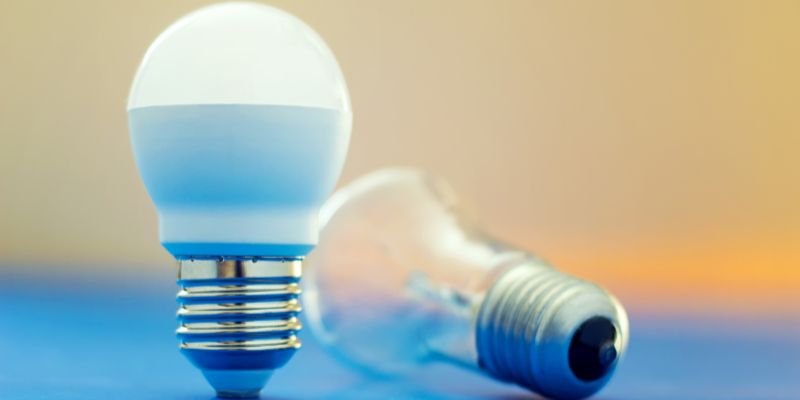
Old bulbs, like incandescents, get super hot—sometimes 500°F! LEDs only reach about 100-185°F, according to the U.S. Department of Energy. They use most energy for light, not heat. That’s why you can touch an LED bulb after it’s been on, but you shouldn’t touch an incandescent. Still, LEDs need good air around them to stay cool.
Why Do LED Bulbs Get Warm?
LEDs make light using a tiny chip called a diode. This chip gets warm when electricity flows.
Some energy turns into heat, not light. A part called a heat sink helps move this heat away. It’s like a fan for the bulb! If the heat sink is good, the bulb stays cooler. Poor designs or no air can make LEDs warmer. I learned this when I put an LED in a tight lamp shade—it got hotter than I expected!
How Hot Do LED Bulbs Get Compared to Others?
LEDs are the coolest bulbs around. Let’s compare them to others.
Here’s a simple table to show how hot different bulbs get:
| Bulb Type | Temperature (°F) | Energy Used for Light |
|---|---|---|
| Incandescent | Up to 500°F | 10% |
| Halogen | Up to 400°F | 20% |
| CFL (Fluorescent) | Around 150-200°F | 30-40% |
| LED | 100-185°F | 80-90% |
Table: Comparing Bulb Heat and Efficiency
Incandescents waste most energy as heat. LEDs use 80-90% for light, so they’re safer and cheaper to run. I switched to LEDs in my kitchen and noticed my counters stayed cooler!
Benefits of Cooler LED Bulbs
Cooler bulbs mean big wins. Here’s why LEDs are awesome:
- Save Money: LEDs use less electricity, cutting your bill.
- Safer to Touch: Less risk of burns, great for homes with kids.
- Last Longer: LEDs can shine for 25,000 hours or more.
I put LEDs in my daughter’s room. No more worrying about hot bulbs near her toys!
Drawbacks of LED Bulbs
LEDs aren’t perfect. Here are some things to watch:
- Can Get Warm in Tight Spaces: No air means more heat buildup.
- Cost More Upfront: LEDs are pricier than old bulbs.
- Need Good Design: Cheap LEDs might overheat if poorly made.
I once bought cheap LEDs online. They flickered and got too warm. Stick with trusted brands like Philips or GE for better quality.
How to Keep LED Bulbs Cool
Keeping LEDs cool is easy. Follow these tips to make them last:
- Use Open Fixtures: Let air flow around the bulb.
- Check Wattage: Match the bulb’s power to your lamp.
- Buy Quality Bulbs: Good heat sinks keep bulbs cooler.
I learned to check lamp labels after a cheap bulb burned out fast in my enclosed porch light.
Here’s a table with tips for safe LED use:
| Tip | Why It Helps |
|---|---|
| Use in open fixtures | Air cools the bulb |
| Avoid high-wattage LEDs | Prevents overheating |
| Choose trusted brands | Better heat sinks, longer life |
Table: Tips to Keep LED Bulbs Cool
Simple Ways to Use LED Bulbs at Home
LEDs are great for many projects. Here are three easy ideas:
- Bedroom Glow: Use soft white LEDs for a cozy feel. I put 800-lumen bulbs in my bedside lamps—perfect for reading!
- Outdoor Safety: Try LEDs in porch lights. They stay cool and last years.
- Kitchen Task Lighting: Bright LEDs under cabinets make cooking easier.
For visuals, imagine a diagram showing air flow around an LED bulb in an open lamp. Another could be a photo of a cozy bedroom with LED lights. A third could show a heat sink’s design. These aren’t included but would help explain.
Common Mistakes to Avoid with LED Bulbs
I’ve made mistakes with LEDs. Here’s what to skip:
- Using in Enclosed Fixtures: Traps heat, shortens bulb life.
- Buying Cheap Brands: They overheat or flicker.
- Ignoring Dimmer Compatibility: Some LEDs don’t work with old dimmers.
Once, I used an LED in an old dimmer switch. It buzzed and flickered! Check for “dimmable” on the box.
Comparing LED Bulbs to Other Options
Not sure if LEDs are right for you? Here’s a quick look:
| Bulb Type | Pros | Cons |
|---|---|---|
| LED | Cool, long-lasting, energy-saving | Higher upfront cost |
| Incandescent | Cheap, warm glow | Very hot, short life, high energy use |
| CFL | Saves energy, affordable | Contains mercury, warmer than LEDs |
Table: LED vs. Other Bulbs
LEDs win for safety and savings. I switched my whole house to LEDs and saved $50 a year on electricity
My Personal LED Tips
After years of using LEDs, I’ve got some tricks. Try these:
- Test Bulbs at Home: Buy one LED to see if you like its light color.
- Mix Light Colors: Use warm LEDs in living rooms, cool ones in offices.
- Check for Sales: Stores like Home Depot often discount LEDs.
I found a great deal on Philips LEDs at a hardware store. My home feels brighter, and my wallet’s happier!
Frequently Asked Questions
Do LED Bulbs Get Hot Enough to Burn You?
LED bulbs get warm but not burning hot. They reach 100-185°F, much cooler than incandescent bulbs at 500°F. You can usually touch them briefly without pain, but don’t hold on long. Always turn off the bulb and let it cool before swapping it. I learned this when changing a bulb too soon—ouch
Can LED Bulbs Start a Fire?
LED bulbs are very safe. They produce little heat, so fire risk is low. However, using them in tight, enclosed fixtures can trap heat and cause issues. Always use LEDs in open lamps and check for damage. I keep my LEDs in airy fixtures to stay safe.
Why Do My LED Bulbs Feel Warm?
LEDs make light with a diode, and some energy turns into heat. A part called a heat sink moves this heat away. If your bulb feels warm, it’s normal, but poor air flow can make it hotter. I noticed this in a small lamp with no ventilation. Use open fixtures to keep them cool.
Are LED Bulbs Safe for Kids’ Rooms?
Yes, LEDs are great for kids’ rooms. They stay cool, reducing burn risks. They also last long, so you replace them less. I use soft white LEDs in my daughter’s room for a cozy glow. Just make sure the lamp allows air flow to keep the bulb cool.
How Do LED Bulbs Compare to CFLs?
LEDs are cooler and more efficient than CFLs. LEDs use 80-90% of energy for light, while CFLs use 30-40%. LEDs also last longer and don’t contain mercury. I switched from CFLs to LEDs in my bathroom—brighter and safer! Choose LEDs for better savings and safety.
Can I Use LED Bulbs in Any Lamp?
Most lamps work with LEDs, but check the label. Enclosed fixtures can trap heat, making bulbs wear out faster. Also, ensure your dimmer is LED-compatible to avoid flickering. I had to replace an old dimmer to make my LEDs work smoothly.
How Long Do LED Bulbs Last?
LED bulbs can last 25,000 hours or more—about 10-20 years with normal use. This is much longer than incandescent bulbs (1,000 hours). I’ve had LEDs in my porch light for five years, still going strong! Buy quality brands for the best lifespan.
Conclusion
LED bulbs do get warm, but they’re much cooler than old bulbs. They save money, last long, and are safer for your home. I love how LEDs brighten my house without heating it up. Try swapping one bulb at home to see the difference. Share your favorite LED tips in the comments or ask me a question. Let’s light up our homes the smart way! For more info, check trusted sites like Energy.gov or Consumer Reports.