Do Oil Lamps Produce Heat: Essential Guide
Yes, oil lamps absolutely produce heat. They are a source of radiant heat, similar to a small fireplace or a candle. The amount of heat generated depends on the type of oil, the size of the wick, and how high the flame is turned up.
Have you ever stood near an oil lamp and felt a gentle warmth? It’s a common observation, and it makes sense! After all, you’re burning fuel to create light. But just how much heat do they give off, and what can you expect? If you’re curious about using oil lamps for ambiance or even a bit of extra warmth, you’ve come to the right place. We’ll break down everything you need to know in a way that’s easy to understand. Get ready to shed some light on this topic!
Understanding How Oil Lamps Generate Heat
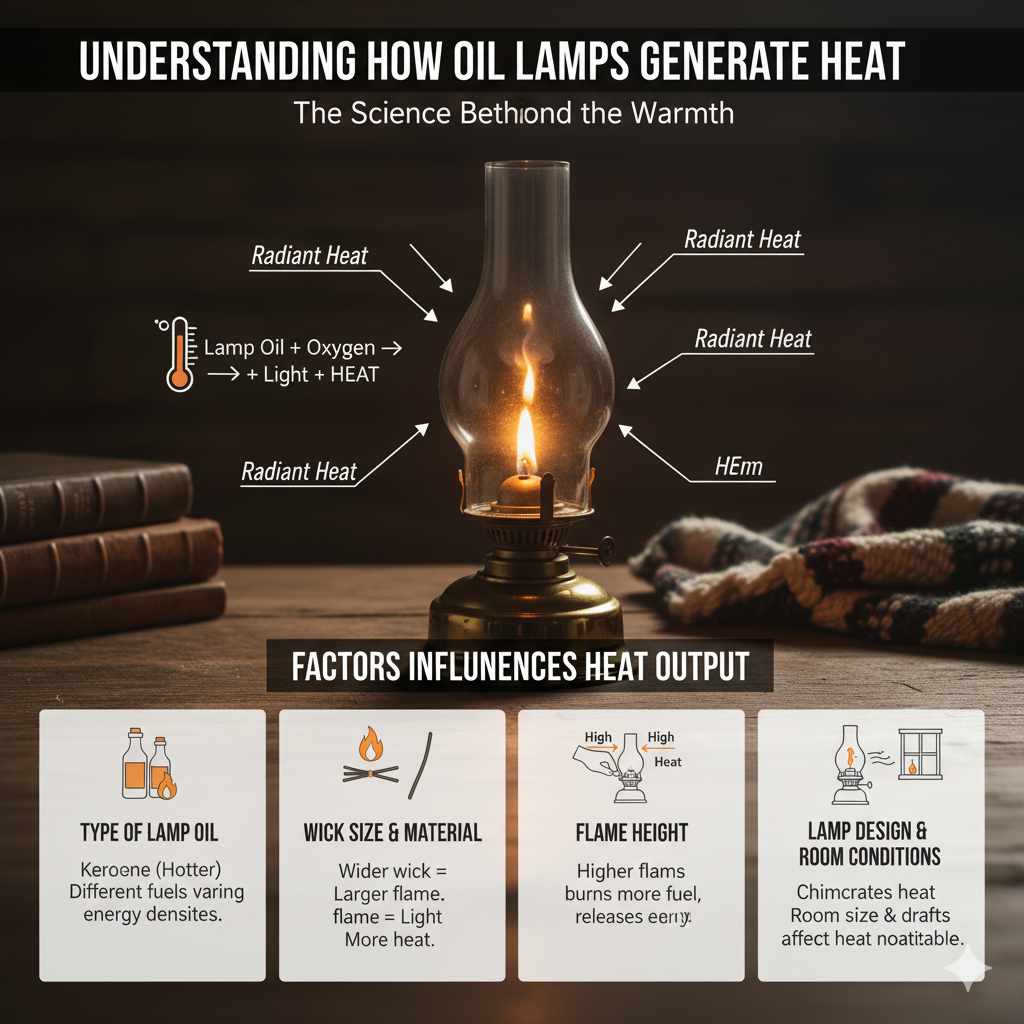
At its core, an oil lamp works by burning a fuel source – lamp oil – to create a flame. This burning process is a chemical reaction, and like most combustion reactions, it releases energy. This energy comes off primarily as light and heat. Think of it like a tiny, controlled fire.
The Science Behind the Warmth
When lamp oil is vaporized by the heat of the wick, it mixes with oxygen in the air. This mixture then ignites, creating the flame. The energy released during this combustion heats the surrounding air and objects. This is known as radiant heat – energy that travels outward from the flame in all directions. The hotter the flame and the larger the surface area of the flame (determined by wick size and how high it’s turned), the more heat will be produced.
Factors Influencing Heat Output
Several factors play a role in how much heat an oil lamp produces:
Type of Lamp Oil: Different oils have different burning points and energy densities. Kerosene, for example, burns hotter than some of the cleaner-burning paraffin or specially formulated lamp oils.
Wick Size and Material: A wider wick allows for more oil to be drawn up and vaporized, leading to a larger flame and thus more heat. The material of the wick also affects how efficiently it draws oil.
Flame Height: The higher you turn the wick (resulting in a larger flame), the more fuel is being burned per unit of time, and consequently, more heat is generated. However, a very high flame can also produce more soot and smoke.
Lamp Design: The construction of the oil lamp itself can influence heat distribution. Some lamps are designed with heat dissipation in mind, while others might concentrate it. For instance, glass chimneys can help concentrate the heat upwards.
Ambient Room Conditions: The existing temperature and air circulation in the room will affect how much the heat from the lamp is noticeable. In a cold, drafty room, the heat might dissipate quickly, while in a small, enclosed space, it could feel more pronounced.
Comparing Oil Lamps to Other Heat Sources
It’s helpful to put the heat output of an oil lamp into perspective. They are not designed as primary heating devices, but they do offer a supplemental source of warmth.
Oil Lamps vs. Candles
Both oil lamps and candles produce heat through combustion. However, oil lamps generally produce more heat than candles. This is primarily due to:
Fuel Source: Lamp oil, especially kerosene, has a higher energy content than the wax used in most candles.
Flame Size: Oil lamps typically have larger, more sustained flames than candles, allowing for more heat to be released.
Wicking System: The wick system in an oil lamp is designed to draw a consistent supply of fuel, maintaining a steadier and often larger flame than a candle’s wick.
A typical beeswax candle might produce around 50-70 BTUs (British Thermal Units) per hour. A small oil lamp, depending on its size and fuel, could produce anywhere from 100 to over 300 BTUs per hour. For reference, a small space heater can produce 1,500 BTUs or more.
Oil Lamps vs. Electric Heaters
Electric heaters are significantly more powerful and efficient at generating heat than oil lamps. They are designed specifically for heating spaces.
| Feature | Oil Lamp | Electric Heater |
| :————— | :—————————————— | :——————————————- |
| Primary Purpose | Light and ambiance, supplemental heat | Space heating |
| Heat Output | Low (approx. 100-300 BTUs/hour) | High (approx. 1,500-5,000+ BTUs/hour) |
| Fuel Source | Lamp oil (paraffin, kerosene, etc.) | Electricity |
| Safety | Open flame, requires ventilation, fire risk | Can get very hot, electrical hazards, tip-over risk |
| Portability | Generally portable | Varies, some are very portable |
| Cost to Run | Relatively low, depends on oil price | Varies with electricity rates |
Oil Lamps vs. Wood-Burning Stoves
Wood-burning stoves are powerful heat sources designed for significant heating. They produce a much larger amount of heat than oil lamps.
| Feature | Oil Lamp | Wood-Burning Stove |
| :————— | :—————————————— | :—————————————— |
| Primary Purpose | Light and ambiance, supplemental heat | Primary or supplemental space heating |
| Heat Output | Low (approx. 100-300 BTUs/hour) | Very High (often 10,000-40,000+ BTUs/hour) |
| Fuel Source | Lamp oil | Wood |
| Safety | Open flame, ventilation needed, fire risk | High temperatures, embers, smoke, chimney needed |
| Installation | Minimal | Requires professional installation, chimney |
| Maintenance | Wick trimming, cleaning | Ash removal, chimney sweeping |
Practical Applications of Oil Lamp Heat
While not a substitute for a furnace, the heat from an oil lamp can be useful in specific situations.
Ambiance and Comfort
The gentle warmth radiating from an oil lamp contributes to its cozy atmosphere. It’s a subtle heat that enhances the mood, making a room feel more inviting. This is especially appreciated during cooler evenings when you’re relaxing.
Supplemental Heating in Small Spaces
In a very small, well-ventilated room, an oil lamp can provide a slight boost in temperature. Think of a small cabin, a tent (with extreme caution and ventilation), or a reading nook. It won’t drastically change the room’s temperature but can make it feel a bit more comfortable.
Emergency Situations (with caveats)
In a power outage, an oil lamp provides both light and a small amount of heat. However, it’s crucial to remember that oil lamps require ventilation to prevent dangerous carbon monoxide buildup. They should never be used in a completely sealed environment. For emergency heating, more robust solutions are generally recommended, but in a pinch, they offer a basic level of warmth alongside light.
Safety Considerations When Using Oil Lamps
Because oil lamps involve an open flame and combustion, safety is paramount. Understanding these risks and taking precautions will ensure you can enjoy your lamp without incident.
Ventilation is Key
This is the most critical safety point. Burning any fuel, including lamp oil, consumes oxygen and produces byproducts, most notably carbon monoxide (CO). Carbon monoxide is a colorless, odorless gas that can be deadly.
Never use an oil lamp in a small, unventilated space. Always ensure there is fresh air circulating.
Open a window slightly, even on a cold day, if you are using an oil lamp for an extended period.
Consider a carbon monoxide detector in any room where you regularly use oil lamps or other combustion devices. According to the U.S. Consumer Product Safety Commission (CPSC), CO poisoning is a serious risk.
Fire Safety
Place the lamp on a stable, heat-resistant surface. Ensure it’s not near curtains, paper, bedding, or anything else that could easily catch fire.
Keep children and pets away from the lamp. The glass can get hot, and the flame is an obvious hazard.
Never leave a burning oil lamp unattended. Always extinguish it before leaving the room or going to sleep.
Have a fire extinguisher or fire blanket nearby.
Store lamp oil safely. Keep it in its original container, away from heat sources and out of reach of children.
Choosing the Right Oil
Not all oils are created equal for use in oil lamps.
Use only approved lamp oils. These are specifically formulated for safe burning in lamps. Common types include:
Paraffin Oil: Often the cleanest burning and least smoky option. It’s typically colorless and odorless.
Kerosene: A traditional fuel for oil lamps. It burns hotter and brighter but can produce more odor and soot if not properly wicked or if it’s impure. Always use refined kerosene specifically for lamps.
Specialty Oils: Many manufacturers offer blends designed for specific lamp types or for reduced odor.
Never use cooking oils (like olive oil or vegetable oil), gasoline, or alcohol. These can burn erratically, produce excessive smoke, create toxic fumes, or pose a serious fire hazard.
Wick Maintenance
A properly trimmed and maintained wick is essential for efficient burning and minimizing soot and smoke.
Trim the wick regularly. Before lighting, trim the wick to about 1/4 inch, ensuring it’s flat across the top.
* Replace the wick when it becomes heavily carbonized or frayed.
How to Maximize and Control Heat from an Oil Lamp
If you want to get the most out of the heat an oil lamp provides, or if you need to manage it, here are some tips:
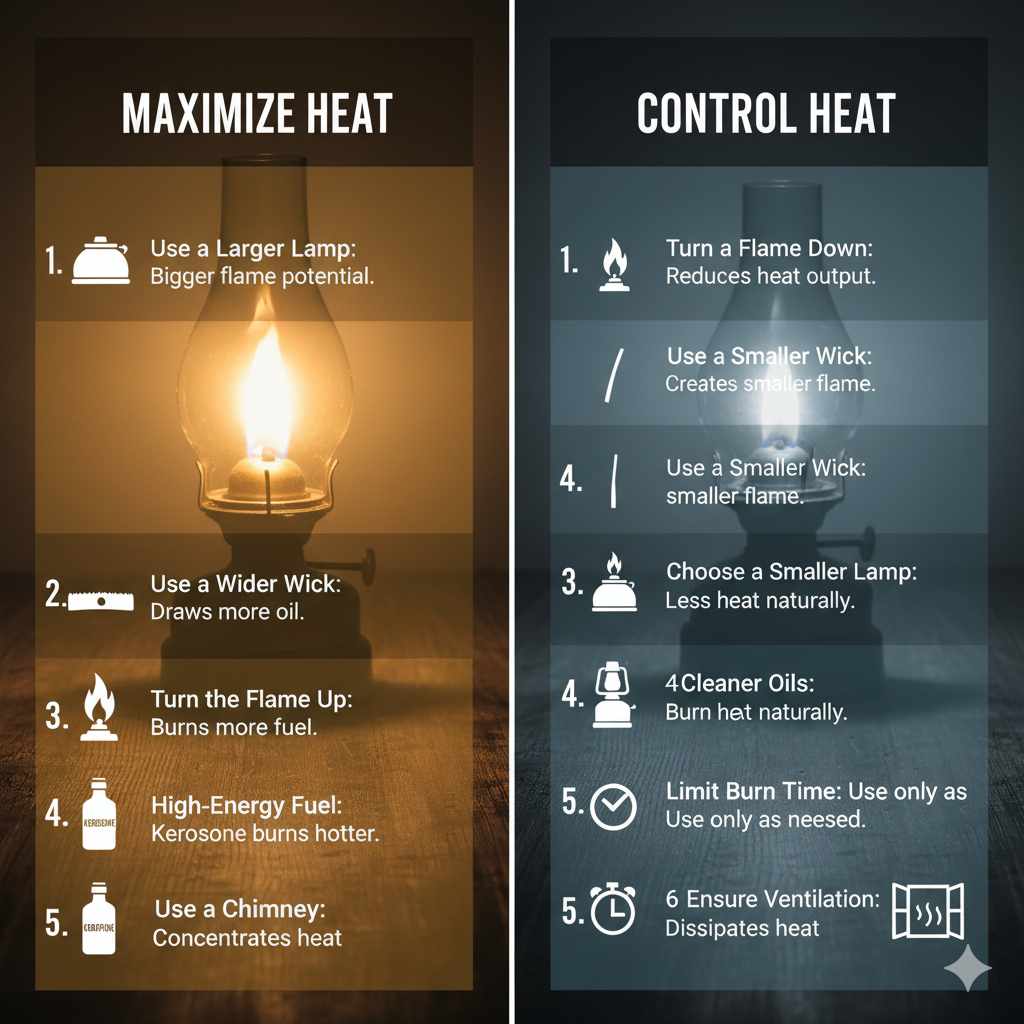
To Maximize Heat:
1. Choose a Larger Lamp: Lamps with wider reservoirs can often accommodate larger wicks and fuel capacity, leading to a bigger flame.
2. Use a Wider Wick: If your lamp allows, a slightly wider wick (ensure it fits snugly in the burner) will draw more oil and create a larger flame.
3. Turn the Flame Up: Carefully adjust the wick to achieve the largest possible flame without excessive smoking or soot. A bright, steady flame is ideal.
4. Use a Fuel with Higher Energy Content: Kerosene will generally produce more heat than pure paraffin oil, though it comes with more odor.
5. Use a Chimney: The glass chimney not only protects the flame and draws air efficiently but also helps to concentrate the heat upwards and outwards.
To Control Heat:
1. Turn the Flame Down: Lower the wick to reduce the flame size. This is the most direct way to decrease heat output.
2. Use a Smaller Wick: If your lamp allows for wick adjustment, a narrower wick will produce a smaller flame and less heat.
3. Choose a Smaller Lamp: A smaller lamp with a smaller wick will naturally produce less heat.
4. Use Cleaner Burning Oils: Paraffin oils tend to burn a bit cooler and cleaner than kerosene.
5. Limit Burn Time: Simply don’t leave the lamp burning longer than necessary.
6. Ensure Good Ventilation: While crucial for safety, good air circulation will also help dissipate the heat, making it less noticeable.
Frequently Asked Questions About Oil Lamp Heat
Here are some common questions homeowners have about oil lamps and the heat they produce.
Q1: Can an oil lamp heat a room?
An oil lamp can provide a small amount of supplemental heat, enough to make a very small, well-ventilated space feel slightly warmer or more comfortable. It is not designed to be a primary heating source for a room or a house.
Q2: Is the heat from an oil lamp dangerous?
The heat itself is generally not dangerous if managed properly, similar to a candle. The primary danger associated with oil lamps is fire risk from the open flame and the risk of carbon monoxide poisoning if used in an unventilated space. Always prioritize safety precautions.
Q3: How much heat does a typical oil lamp produce?
A typical oil lamp might produce around 100 to 300 BTUs (British Thermal Units) per hour. This is significantly less than most electric heaters or furnaces, which can produce 1,500 BTUs or more.
Q4: What kind of oil produces the most heat?
Generally, kerosene produces more heat than cleaner-burning paraffin oils due to its higher energy content. However, kerosene also tends to produce more odor and soot.
Q5: Can I use an oil lamp for emergency heating?
Yes, in an emergency, an oil lamp can provide a small amount of heat along with light. However, it is critical to ensure adequate ventilation to prevent carbon monoxide buildup. For prolonged or significant heating needs during an outage, other methods are usually more effective and safer if available.
Q6: Does the glass chimney on an oil lamp affect the heat?
Yes, the glass chimney helps to draw air up through the burner, creating a more efficient flame. This process can concentrate the heat and direct it upwards and outwards, potentially making the warmth more noticeable than in an open-flame lamp without a chimney.
Q7: How can I reduce the heat from an oil lamp if it’s too much?
To reduce heat, lower the wick to make the flame smaller, use a smaller wick if possible, choose a smaller lamp, or ensure good air circulation in the room to dissipate the heat.
Conclusion
So, to circle back to our main question: Do oil lamps produce heat? Absolutely! They are a charming and functional source of light that also offers a gentle, radiant warmth. While they won’t replace your furnace, understanding how they work, the factors influencing their heat output, and most importantly, how to use them safely, allows you to enjoy their unique benefits.
Whether you’re seeking a cozy ambiance on a cool evening, a bit of supplemental warmth in a small space, or a reliable light source during a power outage, an oil lamp can be a wonderful addition. Remember to always prioritize ventilation, keep flammable materials away, and use only approved lamp oils. With these simple guidelines, you can confidently use your oil lamp to create a warm, inviting atmosphere and enjoy its practical benefits. Happy lighting!