Do You Need To Vent A Toilet? A Simple Guide To Toilet Venting
My first plumbing project was a disaster! I tried fixing a gurgling toilet in my old apartment, only to learn it needed a vent. That messy lesson taught me why venting is key for a happy bathroom. In this guide, I’ll explain why toilets need vents, how to spot venting issues, and simple steps to fix or install one. Whether you’re a beginner or a DIY pro, I’ve got you covered with easy tips and examples to keep your toilet working smoothly.
Why Do Toilets Need Vents?
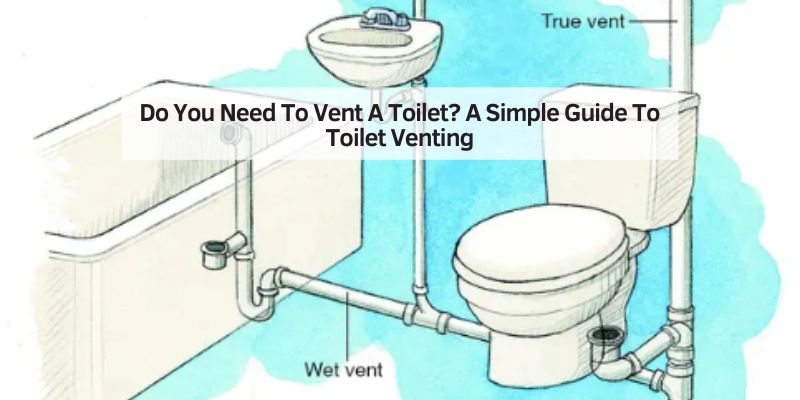
A toilet vent is a pipe that lets air into your plumbing system. It keeps things flowing right. Without it, flushing creates a vacuum, sucking water from the trap and letting sewer smells sneak into your bathroom. Vents balance air pressure, stop clogs, and keep your home odor-free. Think of it like a straw in a juice box—air needs to flow for liquid to move!
How Vents Work
Vents connect to your toilet’s drainpipe and run up through the roof. They let fresh air in and push out stinky gases. Most homes have a main vent stack, and the toilet ties into it. If the vent clogs or is missing, you’ll hear gurgles or notice slow flushing. I once found a bird’s nest blocking my vent—yep, nature can mess with plumbing too!
Why It Matters
A good vent prevents:
- Gurgling noises: Air gets trapped without a vent.
- Slow drains: Waste moves sluggishly.
- Bad smells: Sewer gases creep into your home.
Do You Need To Vent A Toilet?
Yes, every toilet needs a vent! Plumbing codes, like the International Plumbing Code (IPC) and Uniform Plumbing Code (UPC), say so. Without a vent, your toilet won’t flush properly, and you’ll risk sewer gas leaks. Even in older homes, a vent is a must to meet safety standards. I learned this the hard way when my unvented basement toilet kept clogging—gross!
Signs Your Toilet Needs a Vent
Here’s how to tell if your vent is missing or broken:
- Gurgling sounds when flushing.
- Slow drainage in the toilet or nearby sinks.
- Sewer smells in the bathroom.
- Bubbles in the toilet bowl after flushing.
If you notice these, check your vent or call a plumber. My neighbor ignored a gurgling toilet, and it led to a costly pipe repair!
How to Vent a Toilet: Easy Steps
Venting a toilet sounds tricky, but it’s doable with the right plan. Here’s a simple guide for beginners. Always check local codes before starting, as rules vary.
Step-by-Step Venting Guide
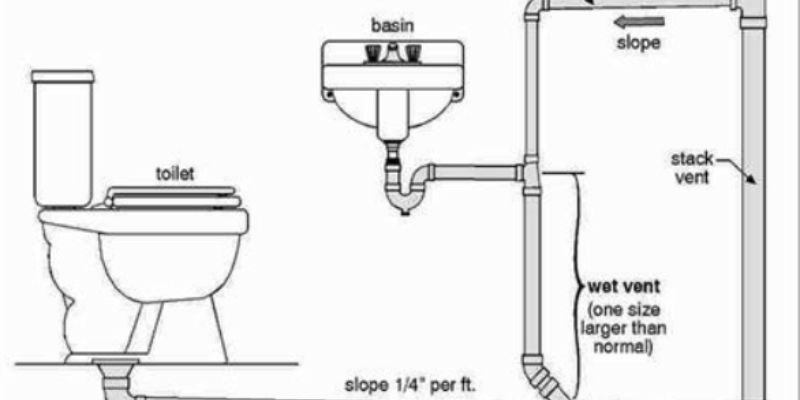
- Find the drainpipe: Locate the pipe under your toilet. It’s usually 3 inches wide.
- Pick a vent size: IPC says use a 1.5-inch vent for a 3-inch drain. UPC may require a 2-inch vent.
- Connect a wye fitting: Attach a Y-shaped fitting to the drainpipe. This lets the vent pipe branch off.
- Run the vent pipe: Extend the vent up through a wall to the roof. Keep it vertical for best airflow.
- Tie into the main stack: If your home has a vent stack, connect the toilet vent to it in the attic.
- Check the slope: Slope drainpipes slightly (1/8-inch per foot) to help water flow.
- Get it inspected: Have a local inspector approve your work to meet codes.
Tools and Materials
You’ll need:
- PVC pipes (1.5 or 2 inches, depending on code).
- Wye fitting (3x3x1.5 or 3x3x2 inches).
- Pipe cutter for clean cuts.
- PVC glue to secure joints.
- Tape measure for accurate sizing.
I got my supplies at a local hardware store for about $50. Shop around to save!
Visual Ideas
- Diagram 1: A simple sketch of a toilet drainpipe connecting to a wye fitting and vent stack.
- Diagram 2: A side view showing the vent pipe running vertically through the roof.
- Diagram 3: A comparison of IPC vs. UPC vent sizes.
Benefits and Drawbacks of Toilet Venting
Venting keeps your toilet working smoothly, but it’s not perfect. Here’s a quick look.
| Aspect | Benefits | Drawbacks |
|---|---|---|
| Function | Prevents clogs, balances pressure | Needs roof access for installation |
| Cost | Affordable ($50-$200 for DIY) | Pro installation can cost $500+ |
| Maintenance | Rarely needs upkeep | Can clog from debris or ice |
Alternatives to Traditional Vents
If running a vent pipe is tough, try an air admittance valve (AAV). It’s a small device that lets air in without a roof vent. AAVs are great for basement bathrooms but check if your local code allows them. I used one in a tight space, and it worked like a charm!
Common Mistakes to Avoid
Don’t make these rookie errors:
- Wrong vent size: Too small, and it won’t work. Check IPC or UPC rules.
- Bad pipe slope: Flat pipes cause clogs. Aim for a slight downward tilt.
- Skipping inspection: Unapproved work can lead to fines. I skipped this once and paid $100 to fix it!
My Top Tips
- Start small: Practice on a sink vent before tackling a toilet.
- Check the roof: Clear debris from vent openings yearly.
- Ask a pro: If you’re unsure, a plumber can save you headaches.
Comparing Vent Options
Here’s a table to help you choose the right vent setup.
| Option | Cost | Ease of Install | Best For |
|---|---|---|---|
| Traditional Vent | $50-$200 | Medium | New homes |
| Air Admittance Valve | $20-$50 | Easy | Tight spaces |
| Shared Vent Stack | $100-$300 | Hard | Multiple fixtures |
Caption: Compare vent options based on cost, ease, and best use cases.
Cost-Saving Ideas
- Buy used tools: Check thrift stores for pipe cutters or tape measures.
- DIY where safe: Simple vent installs can save $300+ over hiring a pro.
- Shop sales: Hardware stores often discount PVC pipes in spring.
Frequently Asked Questions
Why Does My Toilet Gurgle When I Flush?
A gurgling toilet means air is trapped in the drain. This happens if the vent is clogged or missing. Check the roof for debris or call a plumber to inspect the vent stack.
Can I Vent My Toilet Without a Roof Pipe?
Yes, an air admittance valve (AAV) can work in some cases. It lets air in without a roof vent. Check local codes, as not all areas allow AAVs.
What Size Vent Pipe Do I Need?
It depends on your plumbing code. IPC requires a 1.5-inch vent for a 3-inch drain. UPC may need a 2-inch vent. Ask a local plumber for advice.
How Far Can the Vent Be From the Toilet?
The vent should be within 6 feet of the toilet trap (UPC rule). Longer distances cause gurgling or slow flushing. Measure from the toilet flange to the vent opening.
Do All Toilets Need Their Own Vent?
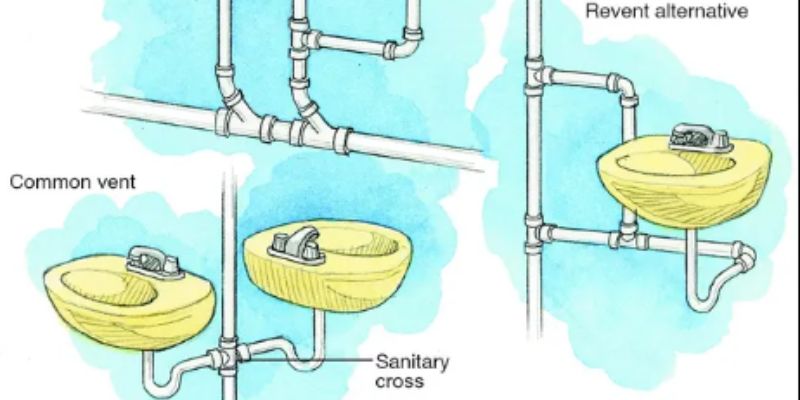
Not always! A toilet can share a vent stack with other fixtures, like a sink or shower, if it’s within 6 feet and meets code requirements.
Can I Install a Vent Myself?
Yes, if you follow local codes and use the right tools. Start with a simple setup, like a wye fitting, and get it inspected. Hire a pro if you’re unsure.
What Happens If I Don’t Vent My Toilet?
Without a vent, you’ll get slow flushing, gurgling, and sewer smells. It can also suck water from the trap, letting gases into your home. Always vent your toilet!
Conclusion
Toilet venting is a must for a smooth, smell-free bathroom. It balances air pressure, prevents clogs, and keeps sewer gases out. Whether you use a traditional vent or an AAV, follow local codes and check your work. Try a small venting project to build confidence—it’s easier than it looks! Share your plumbing wins or ask questions in the comments. Let’s keep those toilets flushing right!