Does Lamp Oil Go Bad? Essential Shelf Life
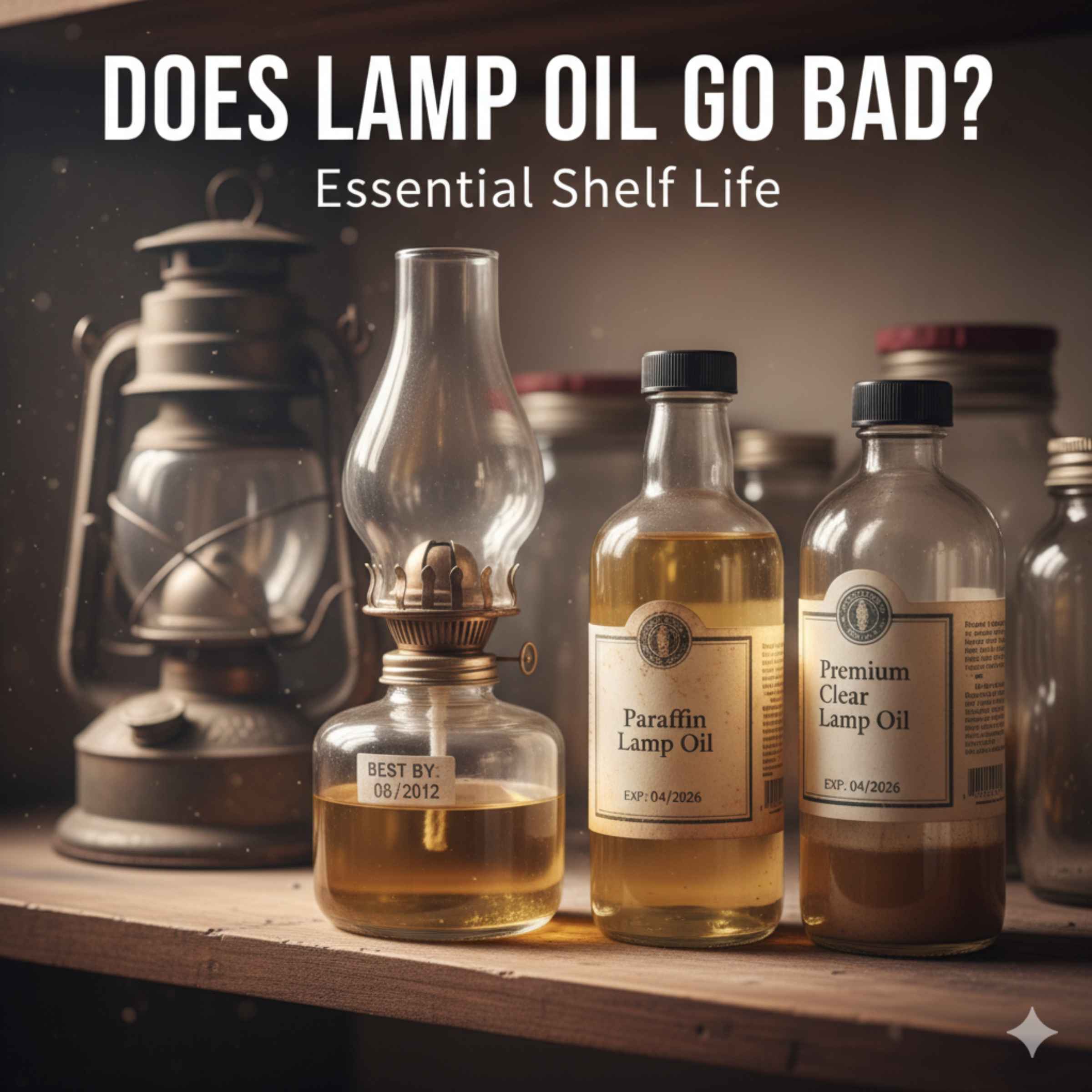
Yes, lamp oil absolutely can go bad, though its shelf life is surprisingly long if stored correctly. Typically, quality, sealed paraffin lamp oil lasts between 2 to 5 years. The key factors affecting its lifespan are exposure to heat, light, and air, which cause oxidation and sludge formation, leading to poor burning and clogs.
Welcome! If you’ve got a can of lamp oil tucked away in the garage for emergencies or those cozy evening lighting projects, you’ve probably wondered: “Is this still good?” It’s frustrating to pull out the fuel, pour it in your beautiful oil lamp, and find it sputters or won’t light at all. That’s often the culprit—stale fuel. As a guide who loves helping you make things last longer around the house, I want to clear up the confusion. Lamp oil isn’t like water; it changes over time. But don’t worry! With a few simple storage tips, you can keep your supply fresh for years. We’ll look at exactly how long it lasts, how to tell if it’s spoiled, and the best ways to store it so you’re ready whenever the power goes out or you want to set a mood.
Does Lamp Oil Go Bad? Understanding Fuel Degradation
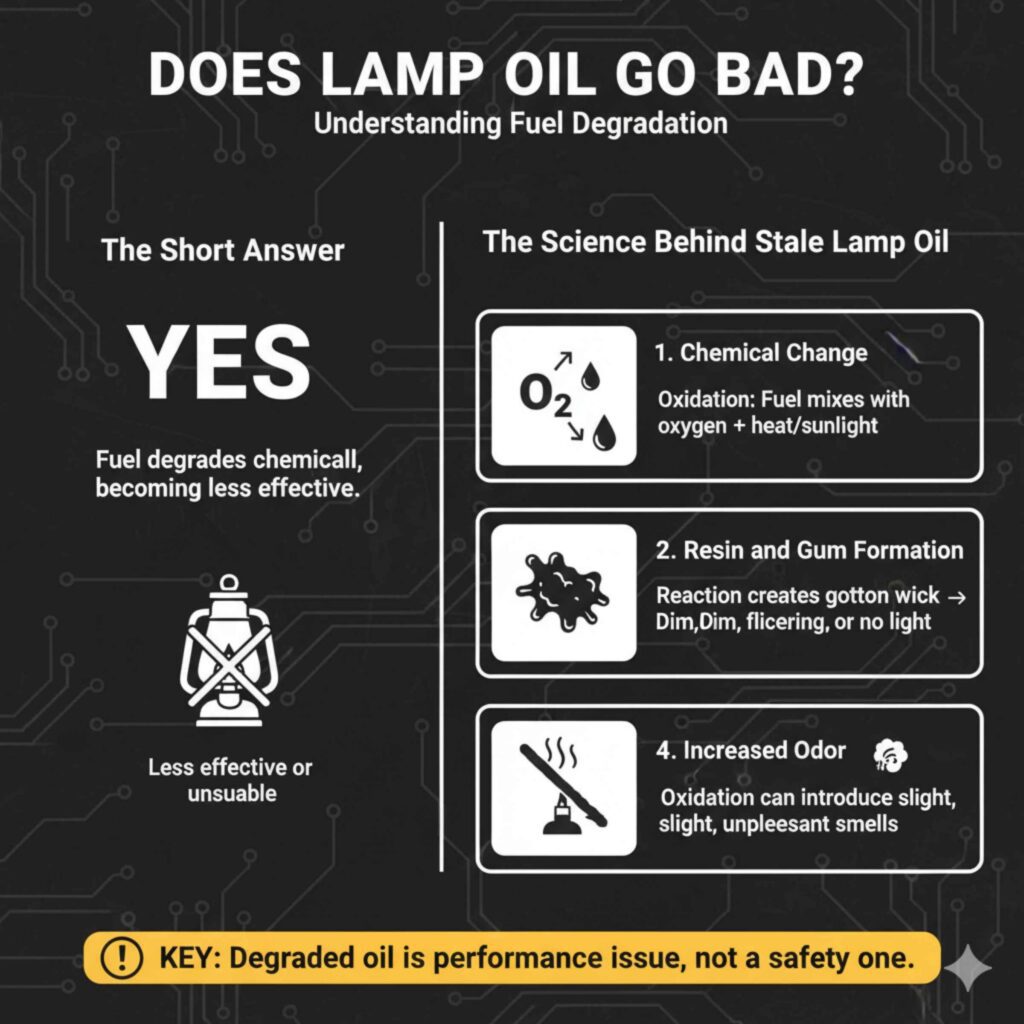
The short answer is yes, lamp oil goes bad. However, the term “go bad” means something specific for fuel. It doesn’t spoil in the way milk does; instead, it degrades chemically, making it less effective or unusable for your lamps.
When we talk about lamp oil, we are usually referring to highly refined kerosene or paraffin-based oils. These oils are designed to burn cleanly with minimal smoke and odor. But like many organic products, they react with the environment.
The Science Behind Stale Lamp Oil
The primary enemy of lamp oil is a process called oxidation. Oxidation occurs when the fuel mixes with oxygen in the air, especially when heat and sunlight are involved.
1. Chemical Change: Oxygen slowly reacts with the hydrocarbon molecules in the oil.
2. Resin and Gum Formation: This reaction creates gummy residues, tars, and sludge. Think of it like the bottom of an old gas can—that sticky stuff is what forms inside your lamp oil, too.
3. Clogging Wicks: When you pour this degraded oil into a lamp, the sticky residue clogs the cotton wick. A clogged wick can’t draw the fuel up evenly, resulting in dim light, flickering, or a complete failure to light.
4. Increased Odor: While high-quality, odorless lamp oil is purified heavily, oxidation can sometimes introduce slight, unpleasant smells, although poor burning is the bigger sign of spoilage.
Essential Shelf Life: How Long Does Lamp Oil Last?
The lifespan of lamp oil depends heavily on its base components and, most importantly, how you store it.
Unopened, Sealed Containers
If you buy a can of quality, commercially produced lamp oil and leave it sealed in its original container, you can expect a decent lifespan.
High-Quality Paraffin/Kerosene: Properly stored, these can easily last 3 to 5 years. Some manufacturers claim even longer if kept perfectly sealed and cool.
Natural or Citronella Oils: Oils that contain more natural additives (like citronella for mosquito repellent lamps) often have a shorter shelf life, sometimes closer to 1 to 2 years, because these natural additives degrade faster.
Opened Containers
Once you break the seal, you introduce oxygen and potential contaminants.
Opened, Tightly Sealed: If you seal the lid very tightly immediately after use, you might get 1 to 3 years, but it’s best to use it up within 18 months.
Opened, Loosely Sealed or Stored Poorly: If the cap is left off or loosely fitting, the oil can start degrading in as little as 6 months, especially in a humid environment.
Comparison Table: Factors Affecting Shelf Life
Here is a quick look at what influences how long your oil remains useful:
| Storage Condition | Expected Shelf Life (Approx.) | Primary Risk |
|---|---|---|
| Sealed, Cool, Dark Place | 3 – 5 Years | Minimal; slow oxidation |
| Opened, Tightly Sealed, Moderate Temp | 1 – 3 Years | Moderate air exposure |
| Stored in High Heat (Garage/Shed in Summer) | 1 – 2 Years (even if sealed) | Accelerated oxidation |
| Exposed to Sunlight | Under 1 Year | UV light speeds up chemical breakdown |
How to Tell If Your Lamp Oil Has Gone Bad (The Visual & Smell Test)
Don’t just pour it in and hope for the best! Learning to spot bad lamp oil before you ruin a good wick saves you time and frustration. Here are the key indicators that your fuel needs replacing.
1. Color Change
Fresh, high-quality lamp oil should be crystal clear, almost water-like in appearance.
Warning Sign: If the oil looks cloudy, murky, or has developed a yellowish or brownish tint, oxidation is occurring.
2. Visible Sediment or Sludge
This is the clearest sign that the oil has turned into varnish-like material.
Warning Sign: Shake the can. If you see dark specks swirling around or if the bottom of the container looks dirty or thick, the oil is contaminated with polymerized residues. Do not use this fuel.
3. Odor Test
While odorless lamp oil is designed to produce minimal smell when burning, fresh, unused fuel should smell very neutral or faintly like mild kerosene when you open the can.
Warning Sign: If the oil has a strong, sour, rancid, or distinctly unpleasant chemical odor even before you light it, the chemical breakdown is advanced.
4. Performance Test (The Last Resort)
If the oil looks okay but you are still suspicious, you can try a quick performance test in a lamp you don’t mind cleaning:
Soak a new wick completely.
Allow it to sit for 15 minutes.
Light it.
Result: If it lights brightly and burns cleanly for several minutes, it’s probably fine. If it smokes heavily, smells foul when burning, or won’t stay lit, dispose of the oil safely.
Best Practices: Storing Lamp Oil for Maximum Longevity
As your trusted DIY guide, I always stress that proper storage is the secret weapon against waste. Keeping lamp oil fresh is incredibly easy if you follow these simple rules, similar to how we protect finishes or sealants in the workshop.
The Golden Rules of Lamp Oil Storage
Remember the enemies: Heat, Light, and Air. Your storage plan must fight these three things.
1. Keep It Cool
Temperature fluctuations speed up chemical reactions. Storing oil near a furnace, water heater, or in an uninsulated shed that bakes in the summer sun is a recipe for quick spoilage.
Ideal Location: A basement, an interior closet, or a climate-controlled storage room. The temperature should be stable, ideally between 50°F and 75°F (10°C and 24°C).
2. Keep It Dark
UV rays from sunlight break down the chemical structure of the fuel quickly.
Ideal Location: Always store lamp oil in its original, opaque metal or plastic container. If you transfer it, use dark, non-transparent containers. Never store it near a sunny window.
3. Keep It Sealed
Air is necessary for oxidation. Every time you open the can, you introduce fresh oxygen.
Action Step: Always ensure the cap or lid is screwed on tightly after every single use. If the original seal is compromised, consider transferring the oil to a sturdy container with an airtight, screw-on lid that has a good rubber gasket seal.
Should You Store Lamp Oil Near Gasoline or Propane?
This is a critical safety point, and it moves beyond shelf life into immediate danger.
Never Store Together: Lamp oil (even paraffin) is a combustible liquid. It should never be stored near highly flammable items like gasoline, paint thinners, propane tanks, or other volatile fuels. Flammable vapors can travel.
Ventilation Matters: While lamp oil gives off minimal vapor compared to gasoline, storing it in a well-ventilated area, away from ignition sources, is paramount. Never store it near a pilot light or any heat source that could ignite fumes. For more on general fuel storage safety, resources from organizations like the National Fire Protection Association (NFPA) offer excellent guidelines.
Different Types of Lamp Oil and Their Shelf Lives
Not all lamp oils are created equal. The base material significantly impacts how long it will last and how it should be stored.
1. Paraffin Lamp Oil (The Most Common)
This is the standard, highly refined fuel often labeled “odorless.” It is derived from petroleum but highly processed to remove impurities.
Pros: Burns very clean, long shelf life when stored properly.
Cons: Requires the highest quality refinement to truly be odorless.
Shelf Life: Excellent (3–5 years sealed).
2. Kerosene
Traditional kerosene is less refined than modern lamp oil. While it works in many wick lamps, it produces more soot and a noticeable odor.
Pros: Often cheaper, very long shelf life if stored correctly because it is robust.
Cons: Stronger smell, more soot production, requiring more frequent wick trimming.
Shelf Life: Very Good (3+ years sealed).
3. Citronella/Torch Fuel
These fuels are designed for outdoor use and usually contain additives (like citronella oil) for insect repellent properties.
Pros: Great for patios and outdoor lighting.
Cons: The natural additives degrade much faster than pure petroleum products.
Shelf Life: Moderate (1–2 years). Use these first!
4. Alcohol Fuels (Not True Lamp Oil)
Fuels like isopropyl alcohol or methanol are sometimes used in specialized lamps (like tabletop fireplace burners). These are fundamentally different.
Shelf Life: Alcohol itself is very stable, but evaporation can be an issue if the container isn’t sealed perfectly.
What to Do When Lamp Oil Has Expired or Gone Bad
If you’ve determined your fuel is sludgy, discolored, or just won’t burn right, you need to dispose of it responsibly. Never pour it down the sink, into the yard, or mix it with regular trash.
Safe Disposal Steps
Disposing of flammable liquids requires common sense and adherence to local regulations.
- Check Local Regulations: The absolute first step is contacting your local sanitation department or looking up your county’s household hazardous waste (HHW) collection program. They will have specific days or drop-off centers for materials like old fuels.
- Never Mix: Do not mix the bad lamp oil with any other liquids, especially paint thinners or motor oil. Keep it separate.
- Use Up Small Amounts (If Possible): If the oil is only slightly degraded (cloudy but not sludgy), you might be able to use it in an outdoor torch where perfect performance isn’t critical, burning it off slowly.
- Absorb and Seal (For Very Small Amounts): If you only have a tiny amount left, you can absorb it with an inert material like cat litter or sawdust. Once fully absorbed, seal the mixture in a heavy-duty plastic bag and dispose of it with your regular trash, only if your local guidelines permit this for small amounts of saturated materials. Always confirm this first!
- Use It as a Fire Starter (Outdoor Use Only): Some folks carefully use old kerosene or lamp oil to help start charcoal grills or outdoor fires, but this must be done safely away from the main flame area and only if you are absolutely sure it’s not highly contaminated.
Beginner Tips for Oil Lamp Maintenance (Beyond the Fuel)
The fuel is only half the battle. To ensure a great experience every time, you need to pair good oil with a well-maintained lamp. Think of it like using premium lumber with the right finishing technique—it makes all the difference!
Wick Management is Key
A wick is the heart of your oil lamp. It pulls the fuel up via capillary action.
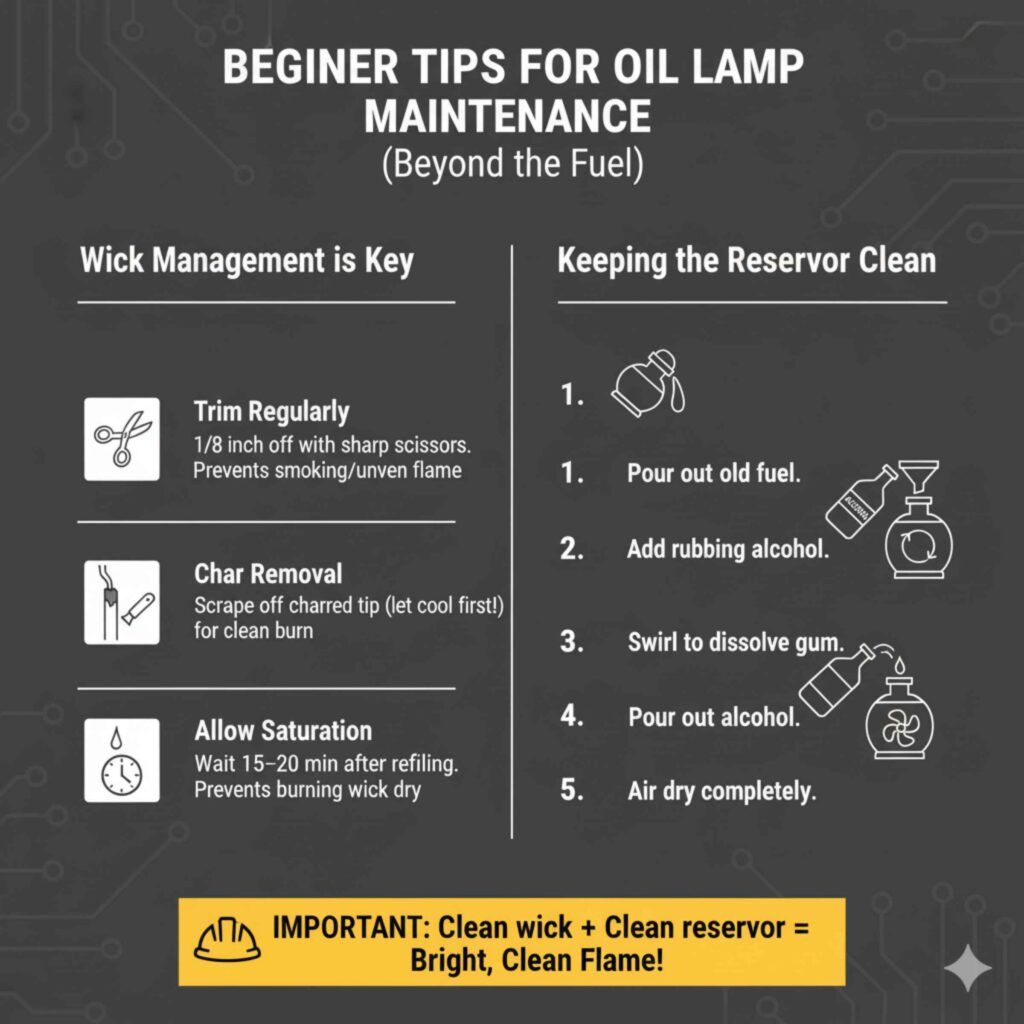
Trim Regularly: A good rule of thumb is to trim about 1/8 inch off the wick every time you refill the lamp, or whenever the flame starts smoking or looks uneven. Use sharp scissors—a clean cut is better than a ragged tear.
Char Removal: If the flame develops a hard, black crust (char), extinguish the lamp, let it cool, and gently scrape off the charred tip with a specialized wick trimmer or sandpaper, before trimming it down.
* Allow Saturation: After adding fresh fuel, always wait at least 15 to 20 minutes for the wick to fully saturate before lighting. This prevents burning the wick dry initially.
Keeping the Reservoir Clean
If you’ve been using bad oil, you need to clean the inside of the lamp reservoir before adding fresh fuel.
1. Pour out the old, suspicious fuel.
2. Use a small funnel to pour a small amount of fresh, clean rubbing alcohol into the reservoir.
3. Swirl the alcohol around to dissolve any gummy residue stuck to the glass or metal sides.
4. Pour the alcohol out (dispose of safely, see disposal steps above).
5. Allow the reservoir to air dry completely before refilling with fresh, high-quality lamp oil.
Frequently Asked Questions (FAQ) About Lamp Oil Shelf Life
Here are the quick answers to common worries new lamp owners have about their fuel supply.
Q1: Can I use old gasoline or diesel in my lamp instead of lamp oil?
No, absolutely not. Gasoline and diesel are far more volatile and have different burning characteristics than refined lamp oil. Using them can cause explosions, heavy soot, or fire hazards in a lamp not designed for them. Stick to fuels specifically labeled for wick lamps.
Q2: If my lamp oil smells fine, can I assume it’s still good?
Smell is a good indicator, but not the only one. Oil can smell okay but still have oxidized enough to clog a wick. Always check the color and clarity as well. If it’s been stored for over four years, performance testing is wise, even if it smells normal.
Q3: How do I properly seal a half-used can of lamp oil?
Ensure the original metal or plastic cap is screwed on as tightly as possible. If the seal feels loose or cracked, you can place the entire can inside a heavy-duty, zip-top freezer bag before putting it in storage. This creates a secondary barrier against air exchange.
Q4: Does the container material matter for storage?
Yes. Metal cans are excellent because they block light entirely. If you buy fuel in clear plastic jugs, it’s best to immediately transfer it to a dark, airtight container or store the plastic jug inside a dark box to protect it from UV light degradation.
Q5: Can I refill an old lamp with new fuel if it used to have bad fuel in it?
If the lamp smoked or sputtered previously, yes, you must clean the reservoir and replace the wick entirely before using new, good fuel. New fuel will just pick up the old sludge left behind, ruining the new wick immediately.
Q6: What is the safest way to purchase lamp oil to ensure the longest shelf life?
Buy from reputable stores that move inventory quickly, meaning the oil hasn’t been sitting on their shelf for years. Look for recently dated packaging, if available, and ensure the container is dent-free and tightly sealed when you buy it.
Conclusion: Confidence in Your Emergency Lighting Supply
We’ve covered the key takeaways: lamp oil doesn’t last forever, but with the right care, it easily lasts for years. For most homeowners, quality paraffin lamp oil stored in its original, sealed container in a cool, dark basement or closet will remain perfectly good for three to five years.
Don’t let uncertainty stop you from keeping this useful supply on hand. By understanding the enemies—heat, light, and air—and taking simple preventative steps like tight sealing and cool storage, you are ensuring that when you need that reliable, cozy light, your lamp oil will perform beautifully, just as it should. A little attention to storage now saves you