Does Sherwin-Williams Cashmere Paint Need Primer
Picking out paint can sometimes feel a bit tricky, especially when you’re new to painting. You’ve got your eye on Sherwin-Williams Cashmere, and a common question pops up: Does Sherwin-Williams Cashmere Paint Need Primer? It’s a question that can leave you scratching your head, unsure of the next step. Don’t worry, we’ve got you covered.
We’ll break it down simply and show you exactly what you need to do. Let’s get your painting project ready to go!
Understanding Sherwin-Williams Cashmere Paint
Sherwin-Williams Cashmere is a popular choice for many homeowners and DIY painters. It’s known for its smooth finish and good coverage, making it appealing for various projects. When you’re planning to paint a room, one of the first things to consider is whether you need to use a primer before applying your topcoat of paint. This decision can save you time and ensure you get the best possible result.
What Is Primer And Why Is It Used
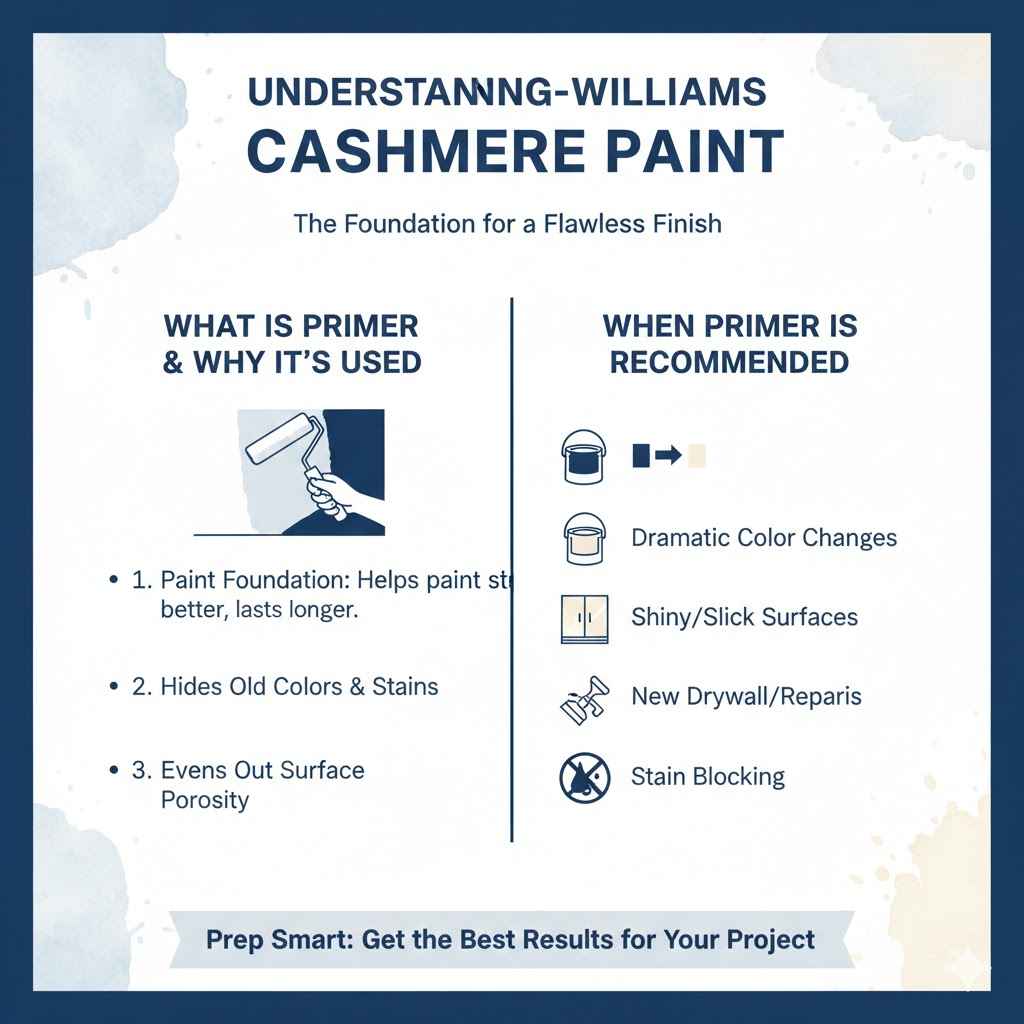
Primer is a special coating that painters put on walls before they paint. It acts like a foundation for your paint. Its main job is to help the paint stick better to the surface. This means your paint job will last longer and look smoother. Primer also helps hide old colors or stains on the wall. It can even out the surface so that when you put your new paint on, it looks more even. Think of it like getting your skin ready before putting on makeup. Primer prepares the surface for the paint.
When Is Primer Generally Recommended
There are certain situations where using primer is almost always a good idea. If you are painting over a dark color with a lighter one, primer helps block out the old color. This means you won’t need as many coats of your new paint. If the surface you are painting is shiny or slick, like old enamel paint or a glossy finish, primer helps your new paint grip on better. It’s also important to use primer on new drywall or repaired areas. These surfaces are usually very porous and will soak up paint unevenly without primer. Any time you have stains that might show through your new paint, like water marks or grease, primer is essential.
Does Sherwin-Williams Cashmere Paint Need Primer
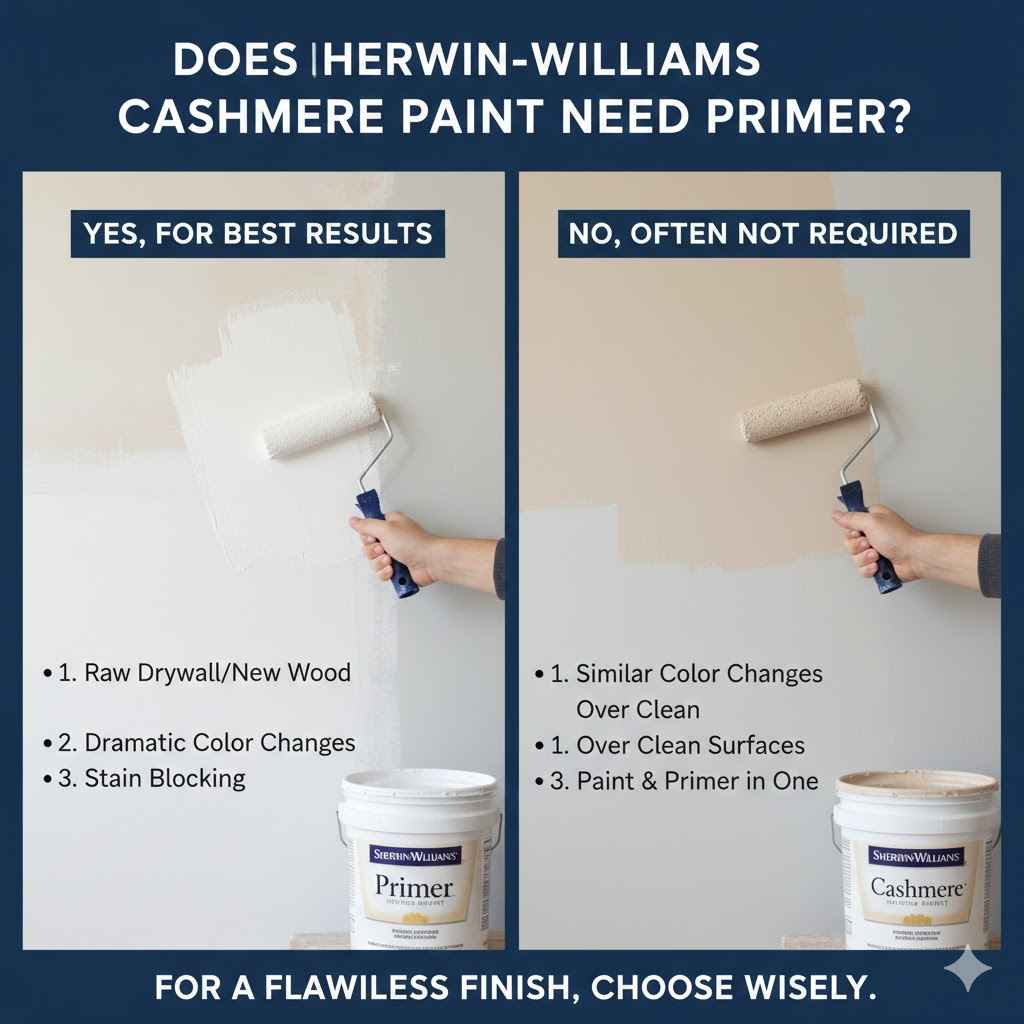
Now, let’s get to the main question: Does Sherwin-Williams Cashmere paint need primer? The answer is usually yes, but it depends on a few things about your current wall. Cashmere paint itself is a quality paint, but it’s the surface you’re painting that determines if primer is a must.
Painting Over A Similar Color
If you are painting a wall that is already a similar color to your new Cashmere paint, and the surface is in good condition, you might be able to skip primer. For example, if you are painting over a light beige with a new light beige Cashmere, you might get away with one or two coats of Cashmere. However, even in this case, a light coat of primer can ensure a more uniform finish and better adhesion, especially if the old paint has a sheen.
Painting Over A Dark Color
If your current wall color is significantly darker than the Cashmere paint you plan to use, primer is highly recommended. Trying to cover a deep red or a dark blue with a light shade of Cashmere will likely require multiple coats of paint without primer. A good quality primer will block the dark color, allowing your Cashmere paint to go on smoothly and evenly with fewer coats. This saves you paint and a lot of time and effort.
Painting Over Stained Or Damaged Surfaces
If your walls have any stains, such as water marks, crayon marks, or grease spots, you will definitely need a stain-blocking primer. Cashmere paint, like most paints, will not cover these stains on its own. The primer will seal the stains, preventing them from bleeding through your new paint job. Similarly, if you have patched holes or repaired damaged areas, these spots might have a different texture or porosity. A primer will help to even out the surface so the Cashmere paint looks consistent everywhere.
Painting Over Glossy Or Slick Surfaces
Sherwin-Williams Cashmere paint is a latex-based paint. Latex paints do not adhere well to very glossy or slick surfaces. If your walls have a high-sheen paint that you are painting over, you will need a primer designed for slick surfaces. This type of primer creates a surface that the Cashmere paint can grip onto. Without it, the paint might peel or chip off over time.
Painting Over New Drywall Or Plaster
New drywall and unpainted plaster are very absorbent. They will soak up paint like a sponge. If you apply Cashmere paint directly to these surfaces, you will end up using a lot more paint, and the finish might look uneven or splotchy. A primer, especially a drywall primer, will seal these surfaces. This makes them ready for paint and ensures your Cashmere paint looks its best.
The Benefits Of Priming With Sherwin-Williams Cashmere
Even when it might seem optional, using a primer with your Sherwin-Williams Cashmere paint offers several advantages.
Better Adhesion Primer helps the Cashmere paint stick to the wall more securely. This means your paint job will be more durable and less likely to peel or scratch.
Improved Color Uniformity Primer creates a neutral base. This ensures that the true color of your Cashmere paint shows through without being affected by the old color or any imperfections on the wall.
Reduced Paint Coats By blocking old colors and stains, primer means you’ll need fewer coats of your expensive Cashmere paint. This saves you money and makes the job go faster.
Smoother Finish Primer fills in small imperfections and creates an even surface. This allows the Cashmere paint to apply smoothly, resulting in a professional-looking finish.
Hides Imperfections Primer can cover up minor wall damage and blemishes, making the wall look newer and cleaner before you even apply the main paint color.
When You Might Skip Primer (Use Caution)
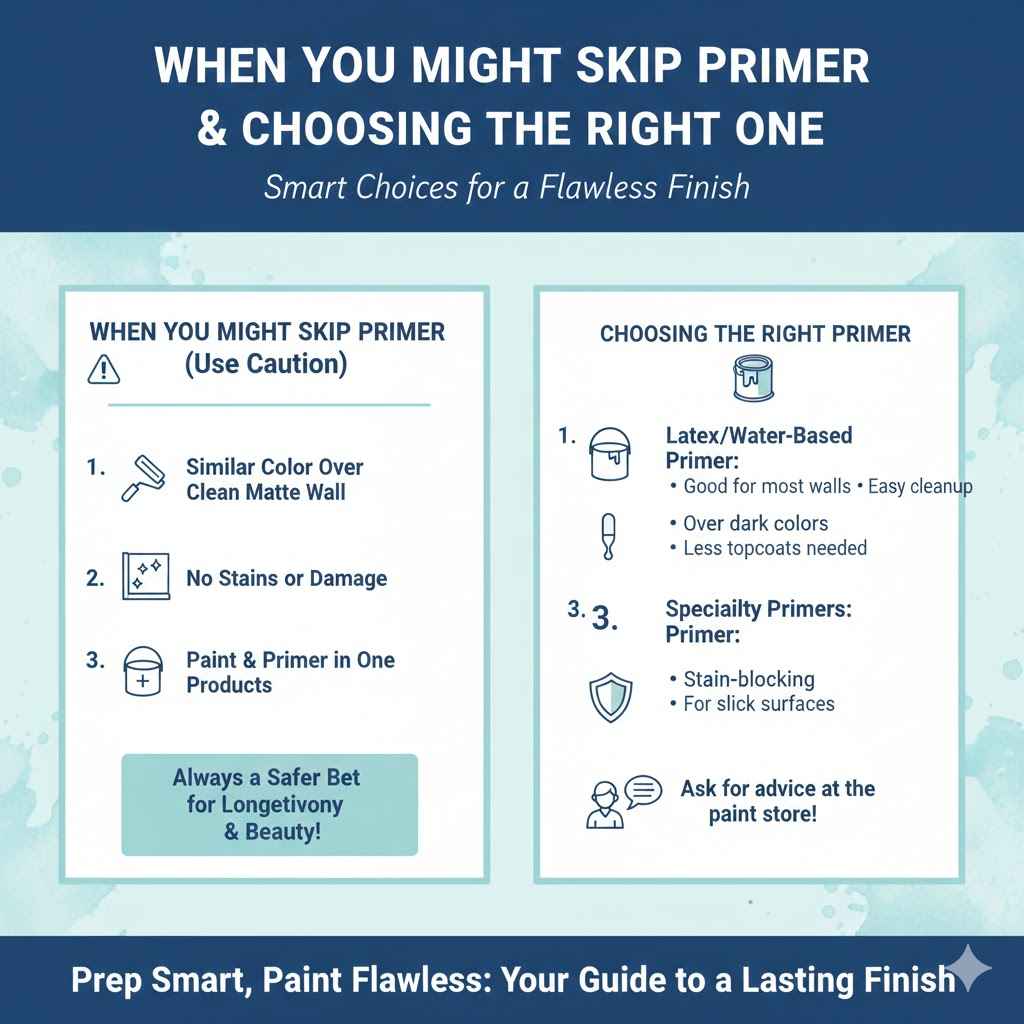
There are rare occasions when you might consider skipping primer. These are usually when you are painting a similar color over a well-maintained, matte-finish wall that has no stains or damage. For example, if you are painting a light eggshell Cashmere over an existing light eggshell paint of a very similar hue. Even in these cases, using a good quality primer is often the safer bet for a long-lasting, beautiful finish. It’s like an insurance policy for your paint job.
Choosing The Right Primer
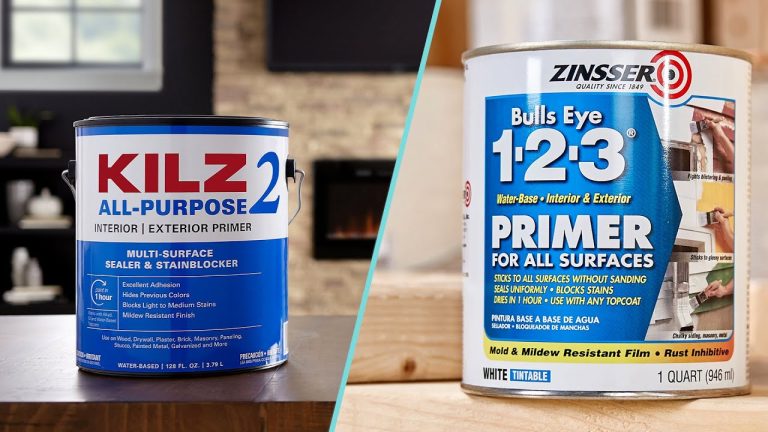
If you decide to use a primer, it’s important to choose the right kind. For most situations where you need a primer before painting with Sherwin-Williams Cashmere, a good quality latex or water-based primer will work well. If you are painting over dark colors, a tinted primer can be helpful. Some primers are specifically designed to block stains, while others are made for slick surfaces. Sherwin-Williams offers a range of primers that are compatible with their Cashmere paint line. Asking for advice at the paint store can help you select the best one for your specific project.
Frequently Asked Questions
Question: Can I use any primer with Sherwin-Williams Cashmere paint?
Answer: Generally, yes. However, it’s best to use a quality latex or water-based primer. Always check the primer can for compatibility with latex topcoats.
If you have specific surface issues like heavy stains or gloss, choose a specialized primer.
Question: How many coats of Sherwin-Williams Cashmere do I need if I don’t prime?
Answer: This depends heavily on what you are painting over. If it’s a similar color on a clean, matte surface, maybe two coats. If you are covering dark colors or stains, it could take three or more coats, leading to an uneven finish and wasted paint.
Question: What if my walls are already painted with an oil-based paint?
Answer: If your walls have oil-based paint and you want to paint over it with latex Cashmere, you absolutely need a good bonding primer. This special primer allows the latex paint to adhere to the oil-based surface without issues.
Question: Does Sherwin-Williams Cashmere primer exist?
Answer: Sherwin-Williams offers many primer products that are designed to work well with their paint lines, including Cashmere. While they might not label a specific “Cashmere Primer,” their general-purpose and specialty primers are formulated for optimal performance with Cashmere paint.
Question: Is it worth it to prime if I’m just doing a touch-up?
Answer: For very small touch-ups on a perfectly matched wall, you might skip primer. However, if you are touching up a patched area or a spot where the old paint is damaged, priming that specific spot before painting will ensure the touch-up blends in smoothly and doesn’t look obvious.
Final Thoughts
When painting with Sherwin-Williams Cashmere, asking whether you need primer is smart. For the best results, especially when covering dark colors, stains, or glossy surfaces, using a primer is highly recommended. It helps your Cashmere paint stick well, look its truest color, and last longer. It can also mean fewer paint coats, saving you effort and money. For most situations, a good quality latex primer is your best bet. This simple step ensures a smooth, beautiful finish that you’ll love.