Does Urine Get Old? A Simple Guide To Urine Storage And Spoilage
I’ll never forget the time I left a urine sample on my counter overnight by mistake. The next morning, it looked cloudy and smelled weird. I wondered, “Does urine get old?” That moment sparked my curiosity about what happens to urine over time. In this article, I’ll explain if urine ages, how it changes, and what it means for tests or uses. Whether you’re a curious kid, a science buff, or just want practical tips, I’ve got you covered with easy examples, fun facts, and clear answers. Let’s dive in!
What Does It Mean For Urine To “Get Old”?
Urine is mostly water, but it also contains waste like urea, salts, and bacteria from your body. When we ask, “Does urine get old?” we’re really asking if it changes over time. The answer is yes! Urine can spoil, just like milk. Bacteria grow, chemicals break down, and it can smell bad or look different.
Why does this matter? Fresh urine is needed for accurate medical tests. Old urine might give wrong results. For example, doctors use urine to check for infections or pregnancy. If it’s old, the test might not work right. Plus, old urine can be unsafe for uses like gardening or myths about drinking it!
How Urine Changes Over Time
Urine doesn’t stay the same forever. Here’s what happens when it sits:
Chemical Changes
- Urea Breaks Down: Urea turns into ammonia, making urine smell strong. This starts within hours.
- pH Shifts: Fresh urine is slightly acidic. Over time, it becomes more alkaline, which helps bacteria grow.
- Color Changes: Urine might turn cloudy or dark due to bacteria or chemical reactions.
Bacterial Growth
- Bacteria in urine multiply fast, especially in warm places. This can cause a bad smell or infections if used.
- For example, leaving urine in a warm bathroom for a day can make it smell like ammonia!
Table 1: How Urine Changes Over Time
| Time | Changes | Impact |
|---|---|---|
| 0-2 hours | Minimal change, still fresh | Safe for tests or uses |
| 2-24 hours | Urea breaks down, slight smell | May affect test accuracy |
| Over 24 hours | Cloudy, strong smell, bacterial growth | Unsafe for tests or uses |
Caption: This table shows how urine changes over time and why freshness matters.
Why Fresh Urine Matters
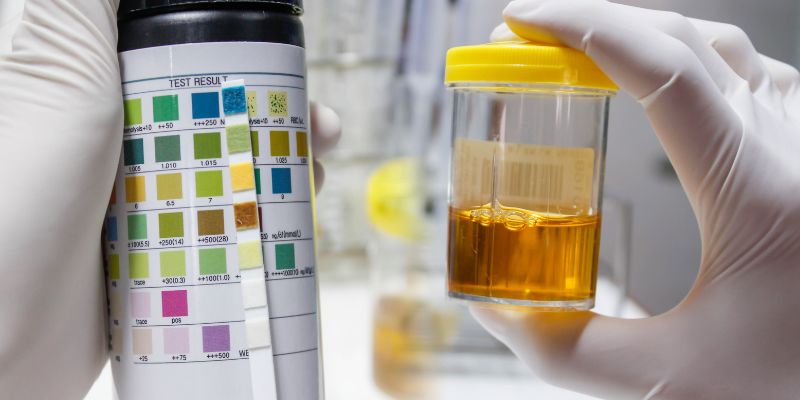
Fresh urine is key for many reasons. Let’s look at some common uses and why old urine is a problem.
Medical Testing
Doctors need fresh urine for tests like:
- Pregnancy Tests: Old urine might give false results.
- Drug Tests: Chemicals can break down, hiding drugs.
- Infection Tests: Bacteria growth can mess up results.
Once, I rushed a sample to the lab because I learned old urine could ruin the test. It was a close call!
Other Uses
Some people use urine for gardening or old remedies. Fresh urine is safer because:
- It has fewer bacteria.
- It’s less likely to smell bad or harm plants.
Table 2: Fresh Vs. Old Urine For Common Uses
| Use | Fresh Urine | Old Urine |
|---|---|---|
| Medical Testing | Accurate results | May give false results |
| Gardening | Safe, nutrient-rich | Risk of bacteria, bad smell |
| Home Remedies | Safer, less odor | Unsafe, strong smell |
Caption: This table compares fresh and old urine for different purposes.
How To Store Urine Properly
If you need to store urine, do it right to keep it fresh. Here are some easy tips:
- Keep It Cold: Store urine in a fridge at 35-40°F to slow bacterial growth.
- Use A Clean Container: A sterile cup or bottle prevents extra bacteria.
- Seal It Tight: A lid stops air from speeding up spoilage.
- Don’t Wait: Use or test urine within 2 hours for best results.
I learned this the hard way when I left a sample out too long. It was a stinky mistake! If you can’t use it right away, refrigerate it and label the container with the time you collected it.
Visual Idea
A simple diagram showing a urine sample in a cup changing from clear to cloudy over 24 hours could help show spoilage.
Common Mistakes To Avoid
It’s easy to mess up with urine storage. Here are mistakes to watch out for:
- Leaving It Out: Don’t let urine sit at room temperature. It spoils fast!
- Using Dirty Containers: Non-sterile cups add bacteria.
- Waiting Too Long: Don’t store urine for more than a day, even in the fridge.
I once used an old jar for a sample, and the results were off. Always use a clean, sterile container!
Tips For Keeping Urine Fresh
Here are some simple tips to keep urine usable:
- Collect It Right: Use a clean catch method (start peeing, then collect mid-stream).
- Store It Cold: Pop it in the fridge right away.
- Label It: Write the time and date to track freshness.
- Use It Fast: Get it to the lab or use it within 2 hours.
These tips are a piece of cake and save you from bad results!
Visual Idea
A step-by-step chart showing how to collect and store urine properly would be super helpful.
Myths About Urine Aging
There are some wild myths about urine! Let’s clear them up:
-
Myth: Old urine is good for your skin.
- Truth: Old urine has bacteria and ammonia, which can irritate skin. Fresh urine is safer for any remedy, but talk to a doctor first! WebMD
-
Myth: Urine never goes bad.
- Truth: Urine spoils within hours due to bacterial growth and chemical changes.
-
Myth: Drinking old urine is healthy.
- Truth: Old urine can have harmful bacteria. This practice isn’t safe! Healthline
I tried researching these myths for a science project. It was eye-opening to learn the truth!
Benefits And Drawbacks Of Storing Urine
Storing urine can be useful, but it has pros and cons.
Benefits
- Convenience: You can collect it now and test it later.
- Gardening: Fresh urine can fertilize plants if used quickly.
Drawbacks
- Spoilage: It gets old fast, affecting tests or uses.
- Storage Hassle: You need a fridge and sterile containers.
- Health Risks: Old urine can grow harmful bacteria.
Table 3: Pros And Cons Of Storing Urine
| Aspect | Pros | Cons |
|---|---|---|
| Convenience | Test or use later | Needs proper storage |
| Gardening | Adds nutrients to soil | Old urine smells, may harm plants |
| Health Safety | Safe if fresh and stored right | Risk of bacteria if old |
Caption: This table weighs the benefits and drawbacks of storing urine.
Personal Insights From My Experience
As a science enthusiast, I’ve learned a lot about urine from experiments and research. Once, I tested how urine changes for a school project. I left samples out for a day and was shocked at the smell! It taught me that cold storage is key. If you’re curious, try a safe experiment with sterile containers and a fridge. Always follow safety rules and check with an adult or expert first!
Visual Idea
A timeline graphic showing urine’s chemical changes over 48 hours could make this fun and clear.
Frequently Asked Questions
What Happens When Urine Gets Old?
Urine starts to break down as urea turns into ammonia, causing a strong smell. Bacteria grow, making it cloudy and unsafe for tests or uses within hours.
How Long Can Urine Stay Fresh?
Fresh urine lasts about 2 hours at room temperature. In a fridge at 35-40°F, it can stay usable for up to 24 hours in a sterile container.
Can Old Urine Affect Medical Tests?
Yes, old urine can give false results. Bacteria and chemical changes can mess up pregnancy, drug, or infection tests. Always use fresh urine!
Is Old Urine Safe For Gardening?
Old urine can harm plants due to bacteria and ammonia. Fresh urine, diluted with water, is safer and better for plants.
How Do I Store Urine Properly?
Use a clean, sterile container, seal it tight, and refrigerate it at 35-40°F. Use it within 2 hours or store it for up to 24 hours.
Can I Freeze Urine To Keep It Fresh?
Freezing can preserve urine for months, but it’s not ideal for most tests. Thawing can affect results. Check with a lab first!
Why Does Old Urine Smell Bad?
Urea breaks down into ammonia, which smells strong. Bacteria also grow, adding to the bad odor. This starts within a few hours.
Conclusion
Urine does get old, and fast! It changes color, smell, and safety within hours due to bacteria and chemical breakdowns. Whether for tests, gardening, or curiosity, fresh urine is best. Use clean containers, keep it cold, and act quickly. Try a safe experiment or share your thoughts in the comments! For more info, check out trusted sites like Mayo Clinic. Have fun exploring!