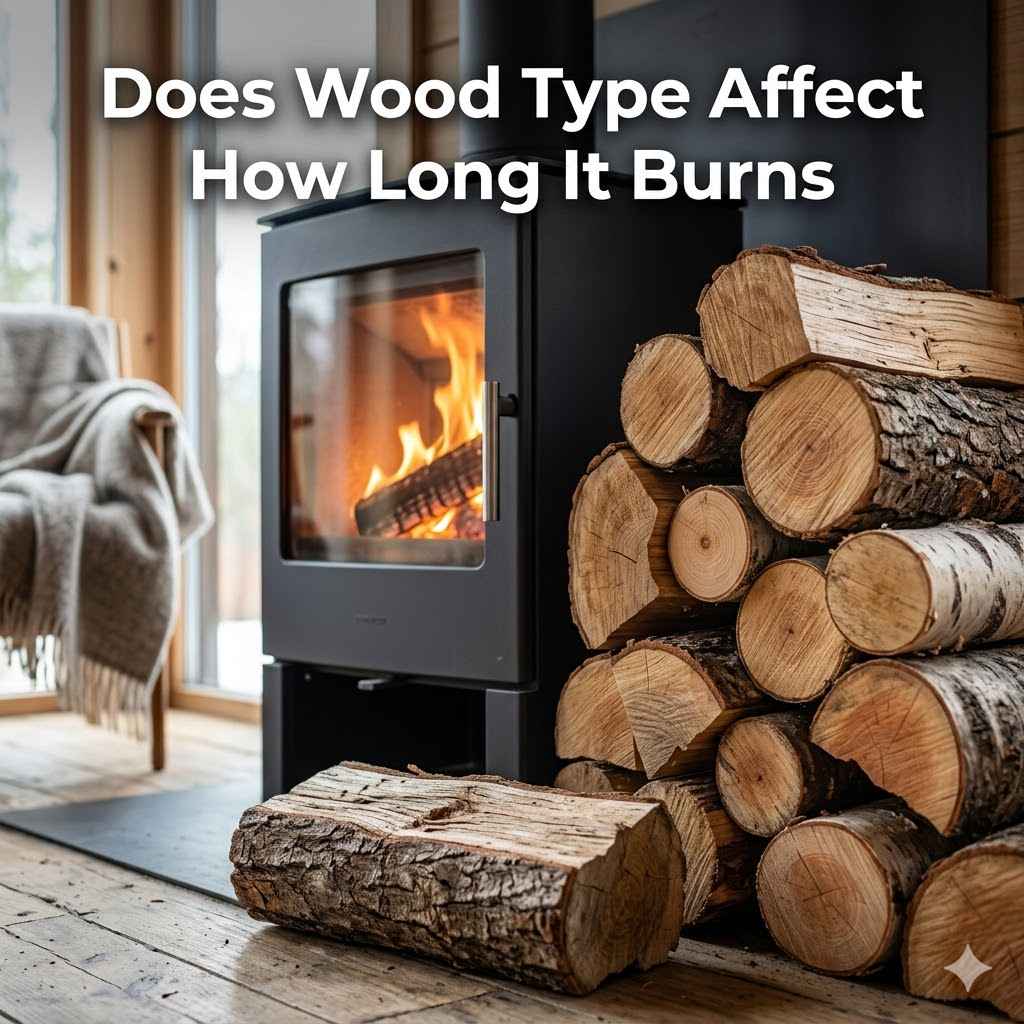
Does Wood Type Affect How Long It Burns
Many people wonder about the fires they build. A common question is Does Wood Type Affect How Long It Burns? This might seem tricky at first, especially if you are new to building fires.
Do some woods just burn out faster than others? We will break it down in a simple way. You will learn which woods are best for a long, warm fire.
Let’s explore how different woods behave when they burn.
Choosing Wood For A Long Burning Fire
Selecting the right kind of wood for your fire is a key step in ensuring it burns for a long time and provides consistent heat. Not all wood is created equal when it comes to its burning properties. Factors like density, moisture content, and the natural oils within the wood play a significant role in how quickly or slowly it combusts.
Understanding these differences can transform a sputtering fire into a steady, enduring flame. This section looks at the fundamental reasons why wood types vary in burn time. We will cover what makes a wood burn longer and why.
Density and Burn Time Explained
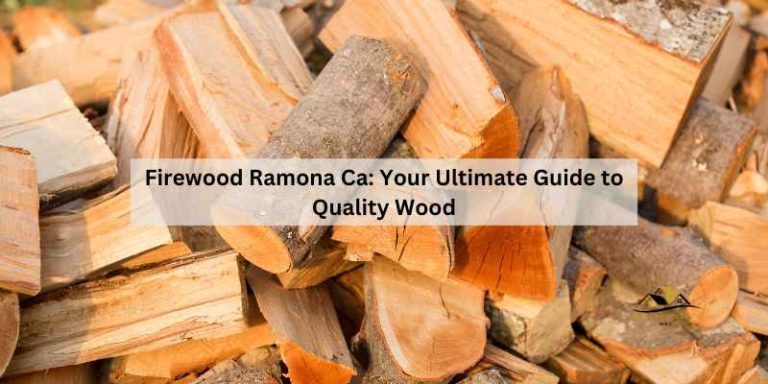
Wood density is a major factor in how long it burns. Denser woods have more tightly packed fibers and are heavier for their size. This means there’s more wood material to burn.
Hardwoods, which are generally denser than softwoods, tend to burn longer and hotter. Think of oak or maple. These woods pack a lot of energy into a small space.
When you burn dense hardwood, it releases its stored energy more slowly. This creates a longer-lasting ember bed. It also produces more coals.
These coals then continue to radiate heat for an extended period. Softwoods, like pine or fir, are less dense. They have larger air pockets between their wood fibers.
This allows them to ignite quickly and burn fast. They are great for getting a fire started.
For example, a log of oak might burn for three to four hours. A log of pine of the same size might only burn for one to two hours. This difference is due to oak’s high density.
Pine’s lower density means it burns up more rapidly. The energy is released faster.
- Hardwoods are denser. They have more wood material packed into each piece. This means they have more stored energy to release as they burn.
- Dense wood burns slower. The tightly packed fibers resist quick combustion. This leads to a longer, more sustained burn time.
- Softwoods are less dense. They have more air pockets within their structure. This allows them to ignite and burn more quickly, providing a fast burst of heat.
Moisture Content’s Big Impact
The moisture content of wood is incredibly important. Dry wood burns much better than wet wood. Wet wood has water trapped inside.
When you try to burn it, the fire first has to boil off that water. This uses up a lot of the fire’s heat. It also makes the wood smolder rather than burn cleanly.
This results in less heat and a much shorter burn time.
Seasoned wood is wood that has been dried for a long time. Typically, this is for at least six months to a year. Proper seasoning reduces the moisture content to around 15-20%.
This is ideal for burning. Unseasoned or “green” wood can have a moisture content of 50% or higher. Burning green wood is very inefficient.
It produces more smoke and less heat.
Consider two identical logs. One is perfectly seasoned, with low moisture. The other is fresh-cut, or green, with high moisture.
The seasoned log will ignite easily. It will burn brightly and produce significant heat for a long time. The green log will struggle to catch fire.
It will likely produce a lot of steam and smoke. It will burn inconsistently and much less effectively. You will also get far fewer BTUs (British Thermal Units) from the green wood.
- Properly seasoned wood is dry. Its moisture content is low, usually below 20%. This allows the wood to burn efficiently.
- Green or unseasoned wood is wet. It contains a lot of moisture. The fire must first evaporate this water, wasting energy and reducing heat output.
- Using dry wood results in a hotter fire. It also produces more sustained heat. This is because all the fire’s energy goes into burning the wood itself, not drying it out.
Wood Types That Burn Longer
Some wood types are naturally better for long burns. These are usually the dense hardwoods. They are often referred to as “roundwood” or “heavy woods” because of their weight.
They require more effort to split and process. However, their burning characteristics make them highly desirable for fireplaces and wood stoves.
Oak is a prime example. Red oak and white oak are excellent choices. They have high density and burn slowly and steadily.
Maple, especially sugar maple, is another fantastic hardwood for long burns. It is dense and produces good heat. Ash is also a good option, known for burning cleanly and producing steady heat.
Birch, while a bit less dense than oak or maple, still burns well and provides good heat for a reasonable time.
Fruitwoods like apple and cherry also burn for a good duration. They are often prized for the pleasant aroma they produce when burning. These woods are denser than many softwoods.
They offer a good balance of burn time and heat output. Choosing these woods means you can enjoy your fire for many hours.
These woods are fantastic for overnight burns or for keeping a room warm throughout a cold day. You will spend less time tending to the fire. This is a big advantage.
The initial effort of acquiring and seasoning these woods pays off in extended warmth and fewer trips to the woodpile.
| Wood Type | Density (Relative) | Typical Burn Time (Hours per log) | Heat Output (Relative) |
|---|---|---|---|
| Oak | High | 3-4 | High |
| Maple | High | 3-3.5 | High |
| Ash | Medium-High | 2.5-3 | Medium-High |
| Birch | Medium | 2-2.5 | Medium |
| Pine | Low | 1-1.5 | Low |
| Fir | Low | 1-1.5 | Low |
Wood Types That Burn Quickly
While some woods are chosen for their long, slow burn, others are appreciated for their ability to ignite quickly and produce heat rapidly. These types of wood are often softwoods. They are less dense and have a higher resin content.
This makes them ideal for starting a fire or for quick heating needs. Understanding their characteristics helps in managing your fuel supply and fire intensity.
Softwoods and Rapid Combustion
Softwoods, such as pine, fir, spruce, and cedar, are characterized by their lower density and higher resin content. These properties contribute to their rapid combustion. The cellular structure of softwood is less compact than that of hardwood.
This means there’s more space between the fibers, allowing oxygen to reach the fuel more easily. The resin acts like a natural accelerant. It ignites quickly and burns with a bright, lively flame.
When you are trying to get a fire going, softwoods are your best friend. They catch fire easily from a match or lighter. They quickly build up a bed of coals.
This makes it easier to ignite larger, denser pieces of wood. However, because they burn so fast, you will need to add more logs more frequently to maintain a consistent fire.
A common scenario is needing to warm up a room quickly. Softwood is perfect for this. You can get a roaring fire going in minutes.
This provides instant heat. However, if you are looking for a fire that will burn all night, softwood is generally not the best choice. You will wake up to cold ashes.
- Softwoods burn fast because they are less dense. Their structure allows oxygen to get in easily.
- The natural resins in softwoods are flammable. They help the wood ignite quickly and burn with a strong flame.
- Softwoods are excellent for starting fires. They create a hot ember bed that can ignite slower-burning hardwoods.
The Role of Resin and Sap
Resin and sap are natural substances found in trees. In softwoods, these substances are quite prevalent. They are essentially volatile organic compounds that are highly flammable.
When heated, these compounds vaporize and ignite. This contributes significantly to the quick and intense burning of softwood.
Think of pine sap. It’s sticky and flammable. When a pine log is heated, the sap melts and then burns, adding to the overall heat and flame.
This is why pine knots, which are concentrated areas of resin, burn exceptionally hot and bright. This property makes softwoods excellent kindling. They can get a fire going quickly.
However, this high resin content also means softwoods produce more creosote. Creosote is a black, tar-like substance that can build up in chimneys. Excessive creosote can be a fire hazard.
This is why regular chimney cleaning is essential, especially if you burn a lot of softwood. The rapid burn also means you get less sustained heat.
- Resins are flammable compounds. They vaporize and burn easily. This speeds up combustion in softwoods.
- The sticky nature of sap helps it ignite. It contributes to the bright, energetic flames of burning softwoods.
- High resin content can lead to creosote buildup. This is a byproduct of burning wood, particularly softwoods, and requires careful chimney maintenance.
Common Quick-Burning Woods
Pine is perhaps the most common quick-burning wood. It’s widely available and easy to split. Pine ignites easily and burns hot and fast.
It’s perfect for getting a fire started. Fir and spruce are similar to pine in their burning characteristics. They are also softwoods and will burn through relatively quickly.
Cedar is another softwood that burns quickly. It’s known for its pleasant aroma and is often used for campfires or for getting a quick burst of heat. While it burns fast, it does produce a good amount of heat while it’s burning.
However, it will not provide the long, steady burn of a hardwood.
Poplar and aspen are classified as hardwoods, but they are on the softer side of the hardwood spectrum. They are less dense than oak or maple. They tend to burn more quickly than typical dense hardwoods.
They are often used as a secondary wood. They can help to get a fire going before adding slower-burning logs.
These woods are valuable for their ability to produce immediate heat. They are also generally easier to split and handle than very dense hardwoods. This makes them a convenient choice for many fire-starting needs.
- Pine: Widely available, easy to split, ignites quickly, burns hot but fast. Excellent for kindling and starting fires.
- Fir: Similar to pine, burns fast and bright. Good for quick heating needs.
- Spruce: Also a fast-burning softwood. Provides good initial heat.
- Cedar: Burns quickly but with a pleasant scent. Useful for campfires and quick heat bursts.
- Poplar and Aspen: Lighter hardwoods that burn faster than dense varieties. Good for bridging the gap between kindling and dense firewood.
Factors Affecting Burn Time Beyond Wood Type
While the type of wood is a major player, several other factors significantly influence how long a fire burns. These elements can either extend or shorten your fire’s lifespan. Paying attention to these details ensures you get the most out of your fuel and enjoy a consistent, warm fire.
We’ll look at how these conditions change the burning process.
Log Size and Shape
The size and shape of your logs have a direct impact on burn time. Larger, thicker logs have more mass. This means they take longer to burn completely.
They expose less surface area to the flames at any given moment compared to smaller pieces. This slower rate of combustion allows them to last longer.
Conversely, smaller pieces of wood and kindling burn very quickly. They have a large surface area relative to their volume. This allows oxygen to easily access all parts of the wood, leading to rapid burning.
If you want a fire to last, you want larger, denser logs. For a quick, hot fire, smaller pieces are better.
Think about building a campfire. You start with tiny twigs and small branches (kindling). Once those catch, you add slightly larger pieces.
Finally, you add the larger logs. This graduated approach is key to building a sustained fire. If you put a huge log on a fire that’s just starting, it won’t burn well.
It needs smaller fuel to get hot enough to ignite the big log.
- Larger logs have more mass. They require more time and heat to burn down completely.
- Smaller pieces have a greater surface area to volume ratio. This allows them to burn much faster.
- Consistent log size is important for steady burning. A mix of sizes can create uneven burns.
Airflow and Fire Management
Airflow, also known as oxygen supply, is crucial for any fire. Too little air, and the fire will smolder and die out. Too much air, and the fire will burn very hot and fast, consuming the fuel quickly.
Proper airflow management is key to controlling burn time.
Fireplaces and wood stoves have adjustable vents or dampers. These control the amount of air entering the fire. Opening these fully allows for a very hot, fast fire.
Closing them down restricts airflow, leading to a slower, cooler burn and longer-lasting embers.
For a long, sustained burn, you want to restrict airflow slightly. This provides enough oxygen to keep the wood burning but not so much that it burns through too quickly. The goal is a steady, controlled combustion.
This also helps to maximize the heat extracted from the wood.
A common mistake beginners make is leaving the air vents wide open all night. This will burn through your entire wood supply very quickly. Learning to adjust the vents based on the type of wood and desired burn time is a valuable skill.
- Adequate airflow is necessary for combustion. Without oxygen, the fire cannot burn.
- Too much airflow causes the fire to burn rapidly. It consumes fuel very quickly.
- Restricting airflow leads to a slower, cooler burn. This is ideal for achieving longer burn times and maximizing ember life.
Environmental Factors
External environmental factors can also influence how long your fire burns. These include ambient temperature and humidity. A fire will burn differently depending on the conditions around it.
In very cold weather, a fire might need more oxygen to maintain its heat. This can cause it to burn slightly faster. The surrounding cold air can also help to draw air into the fire.
This can increase its intensity.
High humidity can affect burn time. Damp air contains more water vapor. This can slightly cool the fire and reduce its efficiency.
It might also make ignition more difficult. Dry air generally promotes better burning conditions.
Wind is another factor. Strong winds can fan the flames, causing the fire to burn hotter and faster. It can also blow embers away, potentially reducing the amount of wood that burns efficiently.
Sheltering your fire from strong winds can help to prolong its burn time.
For example, a fire built on a damp, humid day might not burn as intensely or for as long as the same fire built on a clear, dry day. Similarly, a fire exposed to a strong gusting wind will likely burn through its fuel much faster than one protected by a windbreak.
Putting It All Together What Does Wood Type Affect How Long It Burns?
So, Does Wood Type Affect How Long It Burns? Absolutely, yes. The type of wood you choose is one of the most important factors.
Dense hardwoods like oak, maple, and ash burn slowly and steadily for many hours. They are excellent for long-lasting warmth. Softwoods like pine, fir, and cedar burn much faster.
They are great for quick heat and starting fires, but they won’t last as long.
Remember, even with the best wood, other things matter. The size of the logs, how much air your fire gets, and even the weather can change how long your fire burns. By understanding wood density, moisture content, and how to manage your fire, you can enjoy a warm, long-lasting fire.
This knowledge helps you make the most of your firewood.
Real-World Examples
Many people rely on wood for heat. For instance, homeowners in rural areas often use wood stoves as their primary heat source. They quickly learn the difference between burning a load of oak versus a load of pine.
A load of seasoned oak might keep their home warm for 10-12 hours. A load of pine might only last 4-6 hours, requiring more frequent loading and tending. This direct experience highlights the significant impact of wood type on burn time.
Campers also experience this daily. When preparing for an overnight stay, they select specific types of wood. Denser hardwoods are sought after for creating a campfire that will last through the night.
They might use pine or cedar for initial warmth and cooking. This practical application of knowledge ensures a comfortable and warm camping experience.
Consider a small cabin owner preparing for winter. They might purchase a mix of firewood. They would buy denser hardwoods for primary heating.
They might also buy some faster-burning softwoods for getting fires started quickly on particularly cold mornings. This strategy balances long burn times with the need for immediate heat.
Sample Fire Scenarios
Scenario 1: An Evening by the Fi
Scenario 2: Quick Warm-Up on a Cold Morning. You need to heat your home quickly before heading out. You would use pine or fir kindling and small pieces to get a hot fire going rapidly.
Once the fire is established and the chimney is warm, you can add a couple of slightly larger, seasoned logs. This allows for a fast initial heat burst followed by a more sustained, but still relatively quick, burn.
Statistics on Firewood Usage
According to the U.S. Energy Information Administration (EIA), residential wood fuel accounted for approximately 2% of total U.S. energy consumption in 2022.
Within this, space heating from wood is a significant portion, especially in colder climates. For instance, in New England, the percentage of households using wood for heating can be much higher, sometimes exceeding 20% in certain regions. This indicates a widespread reliance on firewood for warmth, making efficient burning practices valuable.
The effectiveness of firewood is often measured in BTUs per cord. A cord is a unit of wood equal to 128 cubic feet. Denser hardwoods like oak typically yield between 20-25 million BTUs per cord.
Softer woods like pine might only yield 10-15 million BTUs per cord. This disparity underscores why choosing the right wood type is critical for maximizing heat output and burn duration from a given volume of fuel.
Frequently Asked Questions
Question: Which wood burns the longest
Answer: Dense hardwoods like oak, maple, and ash burn the longest. They are heavy and packed tightly, releasing heat slowly over many hours.
Question: What is the fastest burning wood
Answer: Softwoods such as pine, fir, and cedar burn the fastest. They ignite easily and produce quick heat but don’t last very long.
Question: Does dry wood burn longer than wet wood
Answer: Yes, dry wood burns significantly longer and hotter. Wet wood wastes energy boiling off moisture, reducing burn time and heat output.
Question: How does log size affect burn time
Answer: Larger logs burn longer because they have more mass. Smaller pieces burn faster due to their higher surface area relative to their volume.
Question: Can I mix different types of wood for burning
Answer: Yes, mixing woods is common. You can use fast-burning softwoods to start a fire and then add slow-burning hardwoods to keep it going.
Conclusion
The type of wood you burn makes a big difference in how long your fire lasts. Dense hardwoods provide long, steady warmth. Softwoods offer quick heat but burn out fast.
Always use dry, seasoned wood for the best results. Manage airflow carefully for optimal burn times.