Downrods For Ceiling Fans: Essential Guide
Ceiling fan downrods are crucial for proper air circulation and fan performance. Choosing the right length ensures your fan is at an optimal height for safety and efficiency, typically 8-9 feet from the floor, making a noticeable difference in comfort and energy savings.
Ever feel like your ceiling fan isn’t quite doing its job? Maybe the breeze is too weak, or perhaps you’re worried it’s too close to someone’s head. The culprit might be something simple yet often overlooked: the ceiling fan downrod. This is the metal pipe that connects your fan to the ceiling mount. Getting the right length is key to both safety and getting the most out of your fan’s cooling power. Don’t worry if this sounds a bit technical; I’m here to break it down. We’ll walk through exactly how to choose the perfect downrod for your space, ensuring your fan works beautifully and safely. Let’s get your home feeling just right!
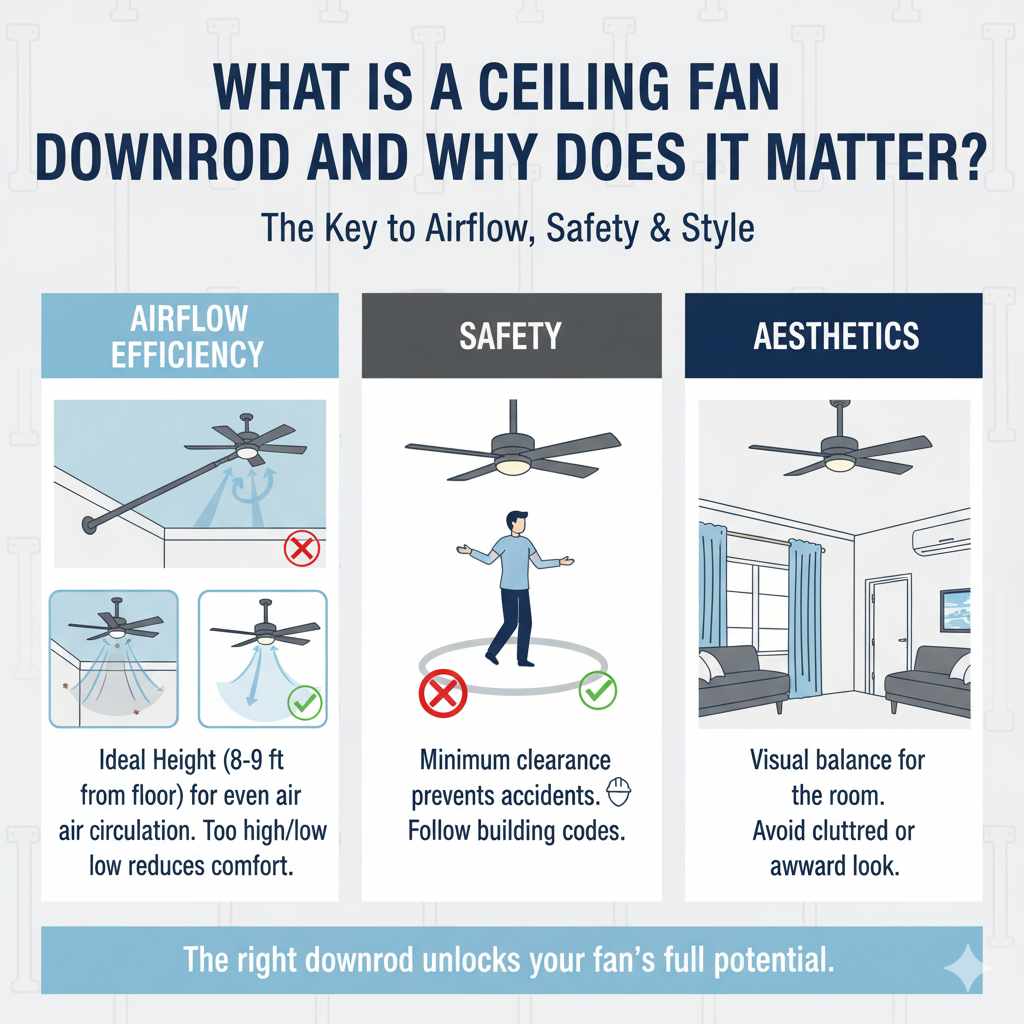
What is a Ceiling Fan Downrod and Why Does It Matter?
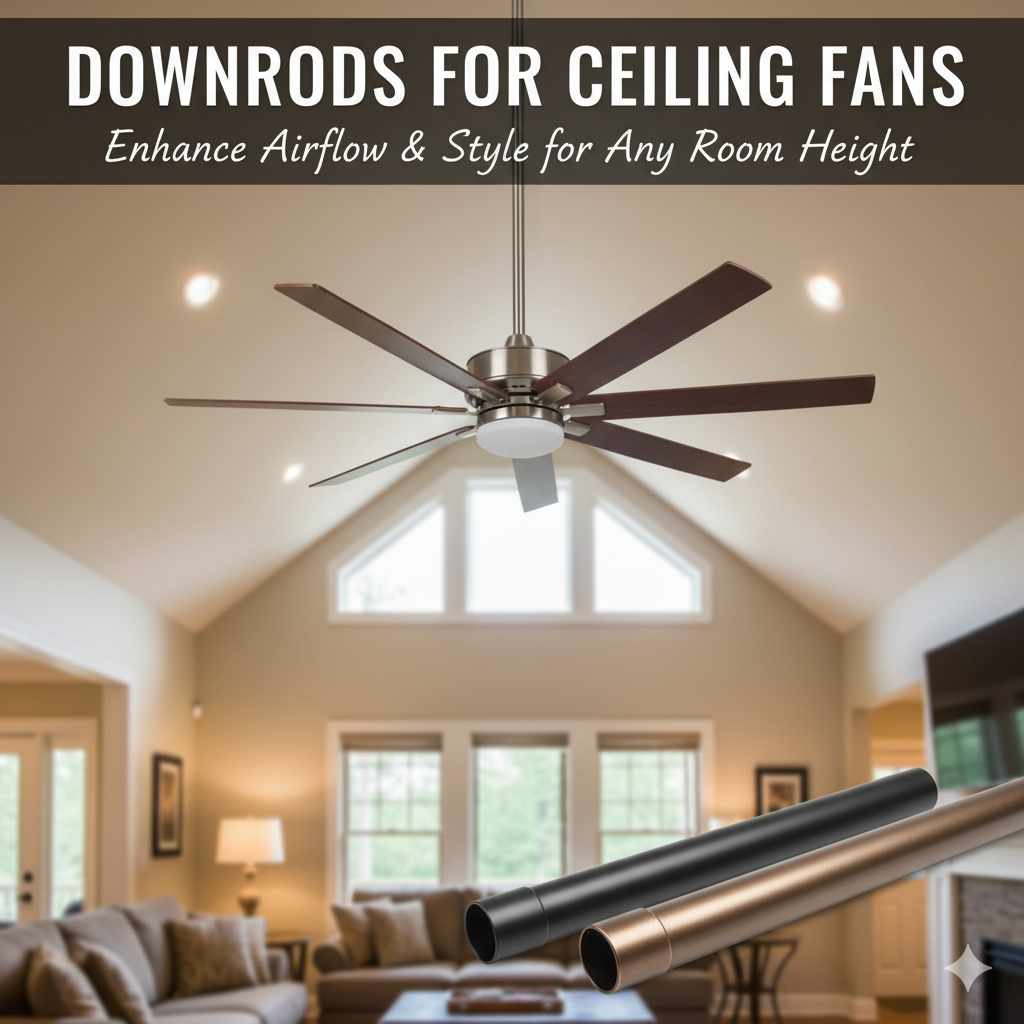
A ceiling fan downrod, sometimes called a downrod extension or downrod pipe, is essentially a metal rod that hangs the ceiling fan motor from the ceiling canopy. It’s the piece that dictates how low your fan hangs. While many fans come with a standard short downrod, this might not be ideal for every room.
The height of your ceiling fan is incredibly important for a few key reasons:
- Airflow Efficiency: A fan that’s too high won’t effectively move air down into the living space. Conversely, a fan that’s too low can create an uncomfortable, choppy breeze or even pose a safety hazard. The ideal height allows the fan blades to circulate air throughout the entire room evenly.
- Safety: This is paramount. Building codes and safety standards recommend a minimum clearance between the fan blades and the floor. This prevents accidental bumps and injuries, especially in rooms with higher foot traffic or where children might be present.
- Aesthetics: The visual balance of a room can be significantly impacted by the ceiling fan’s placement. A downrod that’s too long can make a room feel cluttered, while one that’s too short might make the fan seem awkwardly placed.
Think of the downrod as the key to unlocking your ceiling fan’s full potential. Without the right one, you might be sacrificing comfort, safety, and even energy efficiency. Fortunately, choosing the correct downrod is a straightforward process once you know what to look for.
Understanding Ceiling Height and Downrod Length
The most critical factor in selecting a downrod is your room’s ceiling height. Different heights require different downrod lengths to achieve the optimal fan placement. Here’s a general guideline, but always double-check manufacturer recommendations and local building codes.
Standard Ceilings (8-9 Feet)
For most homes with standard 8-foot ceilings, the fan typically comes with a short downrod (often 3-6 inches). This is usually sufficient to place the fan blades at the recommended 8-9 feet from the floor. If your ceiling is closer to 9 feet, you might still use the standard downrod or opt for one slightly longer, like 10-12 inches, to achieve that ideal 8-9 foot blade height.
High Ceilings (10 Feet and Above)
Rooms with higher ceilings (10 feet, 12 feet, or even vaulted ceilings) absolutely require longer downrods. The higher the ceiling, the longer the downrod needs to be to bring the fan down to the optimal height for effective air circulation.
Here’s a common table that helps illustrate the relationship between ceiling height and downrod length. Remember, these are general recommendations. Always aim for the fan blades to be between 8 and 9 feet from the floor.
| Ceiling Height | Recommended Downrod Length | Typical Fan Blade Height from Floor |
|---|---|---|
| 8 feet | 3-6 inches (often included with fan) | 7-8 feet |
| 9 feet | 6-12 inches | 8-9 feet |
| 10 feet | 12-18 inches | 8-9 feet |
| 11 feet | 18-24 inches | 8-9 feet |
| 12 feet | 24-36 inches | 8-9 feet |
| 13-15 feet | 36-48 inches | 8-9 feet |
| 16-20 feet | 48-72 inches | 8-9 feet |
| 20+ feet | 72+ inches (often custom or very long) | 8-9 feet |
Important Note: For very high ceilings, especially in grand rooms or commercial spaces, you might need extra-long downrods. Some manufacturers offer custom lengths, or you might need to consult with a professional. You can find more detailed information on ceiling fan installation and safety guidelines from organizations like the U.S. Consumer Product Safety Commission (CPSC).
How to Measure for Your Downrod
Measuring correctly is the key to avoiding guesswork. Here’s how to do it:
- Measure Your Ceiling Height: Use a tape measure to get an accurate measurement from the floor to the ceiling. If you have vaulted ceilings, measure at the highest point where you intend to mount the fan.
- Determine Desired Blade Height: The ideal height for ceiling fan blades is between 8 and 9 feet from the floor. This ensures optimal airflow and safety. For very high ceilings, this target height remains the same.
-
Calculate Required Downrod Length:
- Subtract the desired blade height (e.g., 8.5 feet) from your total ceiling height.
- Convert the result to inches. For example, if your ceiling is 12 feet high and you want blades at 8.5 feet, that’s a difference of 3.5 feet. Multiply by 12 inches/foot: 3.5 feet * 12 inches/foot = 42 inches.
- Consider the height of your fan motor housing. Some fan motors are deeper than others. You’ll need to account for the distance from the top of the motor (where the downrod attaches) to the bottom of the blades. Often, this is around 10-15 inches for a typical fan. Subtract this from your calculated downrod length. So, in our example: 42 inches (calculated difference) – 12 inches (motor/blade depth) = 30 inches. This suggests you’d need a downrod around 30 inches long.
Pro Tip: If you’re unsure about the fan motor’s depth, it’s often safer to go with a slightly longer downrod. You can always test the airflow and adjust if needed, but a downrod that’s too short is harder to fix.
Types of Downrods and Mounting Options
Most ceiling fan downrods are fairly standard, but there are a few things to be aware of regarding compatibility and mounting.
Standard Downrods
These are the most common. They are typically made of steel or aluminum and come in various lengths. They usually have threading on one end to screw into the fan’s motor housing and a hole on the other end for a clevis pin and clip to secure them to the mounting bracket.
Downrod Compatibility
Crucially, downrods are NOT universal. You need a downrod that is compatible with your specific ceiling fan model and brand. The threading size where it attaches to the motor and the diameter of the rod itself can vary. Always check your fan’s manual or the manufacturer’s website to determine the correct downrod specifications.
What to look for:
- Diameter: Most downrods are 3/4 inch in diameter, but some fans use smaller or larger diameters.
- Threading: The screw thread that connects to the fan motor must match.
- Canopy and Mounting Bracket: The downrod needs to fit through your fan’s canopy (the decorative cover that hides the wiring and mounting bracket) and attach securely to the mounting bracket.
Flush Mount vs. Downrod Mount
Some ceiling fans are designed for “flush mounting,” meaning they attach directly to the ceiling without a downrod. These are best for rooms with very low ceilings (below 8 feet). However, most standard ceiling fans are designed to be used with a downrod, even if it’s a short one.
If your fan supports both flush mount and downrod mount, you’ll have options. For optimal airflow in rooms with ceilings 8 feet or higher, a downrod mount is almost always preferred.
Specialty Downrods
While less common for DIYers, some specialized applications might require:
- Angled Mount Downrods: For rooms with sloped or vaulted ceilings, you might need a downrod that can accommodate an angled mount. Many standard canopies and mounting brackets are designed to swivel up to a certain degree (e.g., 20-45 degrees). For steeper slopes, you might need a specialized adapter or a downrod designed for angled ceilings. Check your fan’s specifications for its maximum allowable slope.
- Extra-Long or Custom Downrods: For very high ceilings (20+ feet), standard long downrods might not be sufficient. You may need to purchase longer downrods or even have them custom-made.
Choosing the Right Downrod Material and Finish
Downrods are typically made from metal, most commonly steel or aluminum. The material choice is usually dictated by the fan manufacturer for structural integrity and weight support. For the homeowner, the more important consideration is the finish.
Matching Your Fan and Decor
The finish of your downrod should ideally match the finish of your ceiling fan motor and blades. This creates a cohesive and polished look. Common finishes include:
- Brushed Nickel
- Polished Nickel
- Chrome
- Matte Black
- White
- Bronze (various shades)
- Brushed Aluminum
If you can’t find an exact match, choose a finish that complements your fan. For example, a brushed nickel downrod can work well with a silver or stainless steel fan. A matte black downrod is versatile and looks great with black, dark bronze, or even some brushed nickel fans.
Paintable Downrods
Some downrods come with a primer finish and can be painted to match your ceiling or fan. This is a great option if you have a specific color scheme in mind or if you can’t find a pre-finished downrod that matches.
Safety First: Downrod Installation and Clearance
Safety is paramount when installing or modifying a ceiling fan. Always prioritize these guidelines:
Minimum Blade Clearance
As mentioned, the general rule is to keep the fan blades at least 7 feet from the floor. However, 8-9 feet is considered optimal for airflow. For very high ceilings, this 8-9 foot range is still the target for the blades themselves, achieved with a long downrod.
Why this clearance is vital:
- Preventing Injuries: This is the most important reason. Anyone walking under the fan should not be able to touch the blades.
- Airflow Dynamics: Blades need space to “grab” and move air effectively. If they are too close to the floor or furniture, the airflow gets disrupted and becomes less efficient.
Structural Support
Ceiling fans are heavier than most light fixtures and require secure mounting. The electrical box in the ceiling must be rated for ceiling fan support. If it’s not, you’ll need to replace it with a fan-rated box. You can often find these at hardware stores. For proper installation of a fan-rated box, especially in areas without a joist directly above, you might need to install a ceiling fan brace. These braces expand between ceiling joists to provide a sturdy mounting point.
Wiring Safety
Always turn off the power to the circuit at your breaker box before working on any electrical components. If you’re unsure about electrical wiring, it’s best to consult a qualified electrician.
Downrod Security
Ensure the downrod is securely fastened to both the fan motor and the mounting bracket. Use the provided clevis pin, clip, and any set screws. Double-check that all connections are tight and that the downrod doesn’t wobble excessively.
Can I Use a Generic Downrod?
Generally, no, you should not use a generic or universal downrod unless it is specifically stated by the fan manufacturer that it is compatible.
Here’s why:
- Incompatibility Issues: As discussed, threading sizes, rod diameters, and how the downrod connects to the canopy and mounting bracket can vary significantly between brands and even models within the same brand. A generic downrod might not screw into the motor properly, or it might be too loose in the mounting bracket, leading to instability and safety hazards.
- Weight and Balance: Ceiling fans are precisely balanced. Using a downrod of the wrong diameter or length could affect the fan’s balance, causing wobbling and premature wear on the motor.
- Voiding Warranty: Using non-approved parts can often void the manufacturer’s warranty on your ceiling fan.
What to do instead:
- Consult Your Fan Manual: The first place to look is your ceiling fan’s instruction manual. It will specify the type of downrod required and often list compatible part numbers.
- Contact the Manufacturer: If you can’t find the information in the manual, visit the fan manufacturer’s website or contact their customer support. They can tell you exactly which downrods will work with your model.
- Purchase from Reputable Retailers: Buy replacement downrods from authorized dealers or reputable home improvement stores that carry the brand of your fan.
While it might seem like an extra step, ensuring you have the correct, manufacturer-approved downrod is crucial for the safety, performance, and longevity of your ceiling fan.
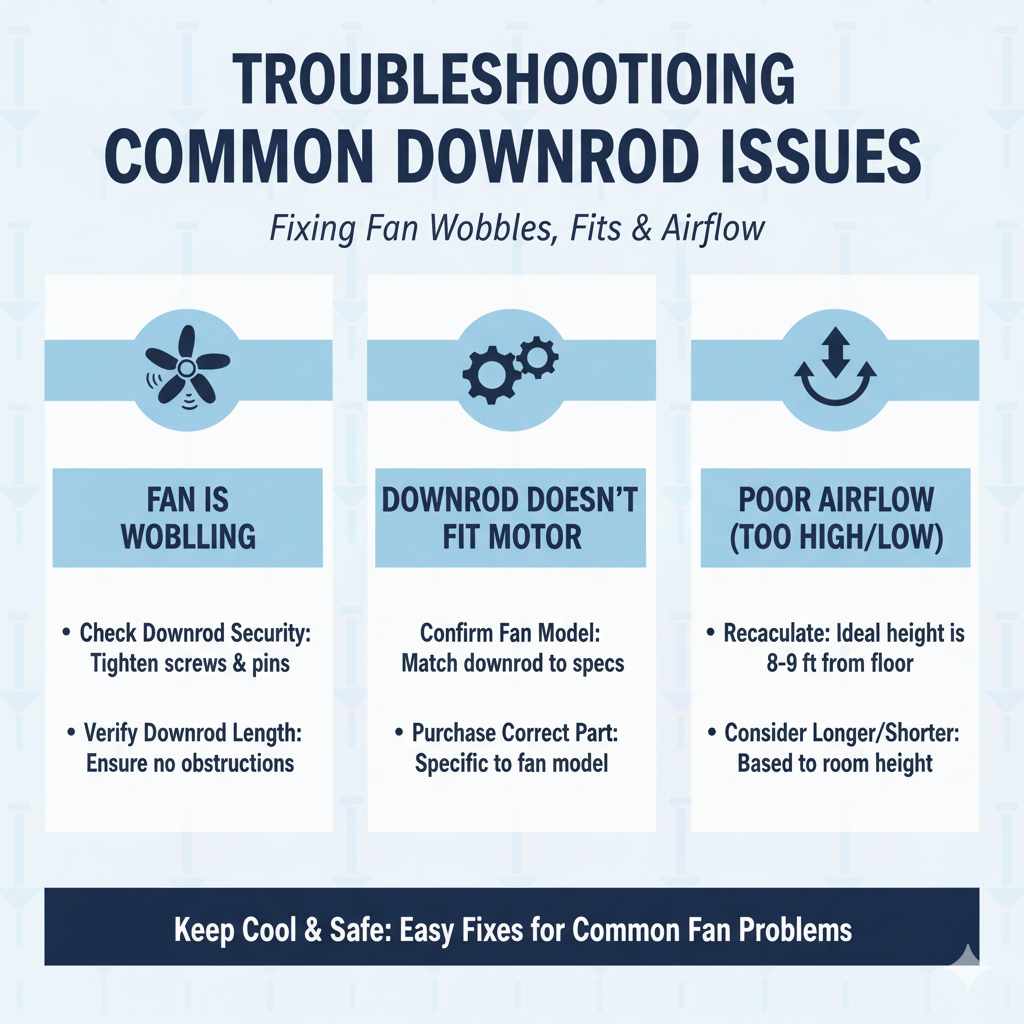
Troubleshooting Common Downrod Issues
Even with careful selection, you might encounter a few hiccups. Here’s how to address them:
My Fan is Wobbling
A wobbly fan is often caused by an unbalanced blade assembly, but an improperly installed or loose downrod can also be a culprit.
- Check Downrod Security: Ensure the downrod is tightly secured to the motor and the mounting bracket. Tighten any set screws and make sure the clevis pin and clip are in place.
- Verify Downrod Length: While less common, if you’ve recently installed a new downrod, ensure it’s the correct length and that the fan isn’t hitting any obstructions that could cause it to tilt and wobble.
- Check for Bent Parts: Inspect the downrod and mounting bracket for any signs of bending or damage.
The Downrod Doesn’t Fit the Motor
This is almost always an incompatibility issue.
- Confirm Fan Model: Double-check the exact model number of your ceiling fan.
- Verify Downrod Specifications: Compare the specifications of the downrod you have with the requirements listed by the fan manufacturer. Pay close attention to diameter and threading.
- Purchase Correct Part: You will likely need to purchase a downrod specifically designed for your fan model.
My Fan is Too High/Low for Good Airflow
This is the most common reason for changing a downrod.
- Recalculate: Re-measure your ceiling height and desired blade height (8-9 feet from the floor). Use the calculation method described earlier to determine the correct downrod length.
- Measure Fan Motor Depth: If you’re unsure, measure the distance from where the downrod attaches to the motor housing to the bottom of the fan blades.
- Consider a Longer/Shorter Downrod: Purchase a downrod that matches the calculated length.
The Canopy Doesn’t Cover the Mount
The canopy is the decorative piece that hides the electrical connections and mounting hardware.
- Check Downrod Diameter: Ensure the downrod diameter is compatible with the hole in the canopy. If the downrod is too thick, it won’t pass through. If it’s too thin, there might be a gap.
- Verify Canopy Type: Some fans come with different canopy options. Check if yours came with multiple or if a different one is available.
- Angled Ceiling Issues: If you have a sloped ceiling, the standard canopy might not sit flush. You might need a special angled ceiling adapter or a downrod designed for sloped ceilings.
FAQ: Your Ceiling Fan Downrod Questions Answered
Q1: How long should my ceiling fan downrod be?
A1: For optimal airflow and safety, ceiling fan blades should be 8-9 feet from the floor. Measure your ceiling height, subtract 8.5 feet (or your desired blade height), and account for the fan motor’s depth to determine the necessary downrod length. For standard 8-foot ceilings, the included short downrod is often sufficient.
Q2: Can I use any downrod with my ceiling fan?
A2: No, you generally cannot use any downrod. Downrods must be compatible with your specific ceiling fan model in terms of threading, diameter, and mounting style. Always check your fan’s manual or contact the manufacturer to find the correct downrod.
Q3: What happens if my downrod is too short?
A3: If your downrod is too short, the fan will hang too high. This means the air won’t circulate effectively down into the room, making the fan less efficient. It might also look visually unbalanced in rooms with higher ceilings.
Q4: What happens if my downrod is too long?
A4: If your downrod is too long, the fan blades will hang too low. This is a safety hazard, as people could bump into the blades. It can also disrupt airflow if the blades are too close to furniture or other obstructions, and it might make the room feel cramped.
Q5: Do I need a special downrod for a sloped or vaulted ceiling?
A5: For mild slopes (typically up to 20-45 degrees), many ceiling fans come with mounting brackets that allow for angled installation using a standard downrod. For steeper slopes, you might need a specialized angled ceiling mount adapter or a downrod specifically designed for sloped ceilings. Always check your fan’s specifications for its maximum allowable slope.
Q6: How do I measure the fan motor depth for downrod calculation?
A6: Measure the distance from the point where the downrod screws into the fan motor housing down to the bottom of the lowest fan blade. This measurement helps you accurately subtract the fan’s inherent height from the total ceiling-to-floor measurement to find the required downrod length.
Q7: Where can I buy ceiling fan downrods?
A7: You can purchase ceiling fan downrods from major home improvement stores (like Home Depot, Lowe’s), online retailers (like Amazon, Wayfair), and directly from ceiling fan manufacturers or their authorized dealers. Ensure you are buying a downrod specifically designed for your fan model.
Conclusion
Choosing the right downrod for your ceiling fan might seem like a small detail, but it has a significant impact on your fan’s performance, safety, and the overall comfort of your home. By understanding your ceiling height, measuring accurately, and ensuring compatibility with your fan model, you can confidently select the perfect downrod. Remember, the goal is to position those blades between 8 and 9 feet from the floor for optimal air circulation and peace of mind. Don’t hesitate to consult your fan’s manual or the manufacturer if you’re ever in doubt. With the correct downrod, your ceiling fan will be working its best, keeping you cool and comfortable year-round. Happy installing!