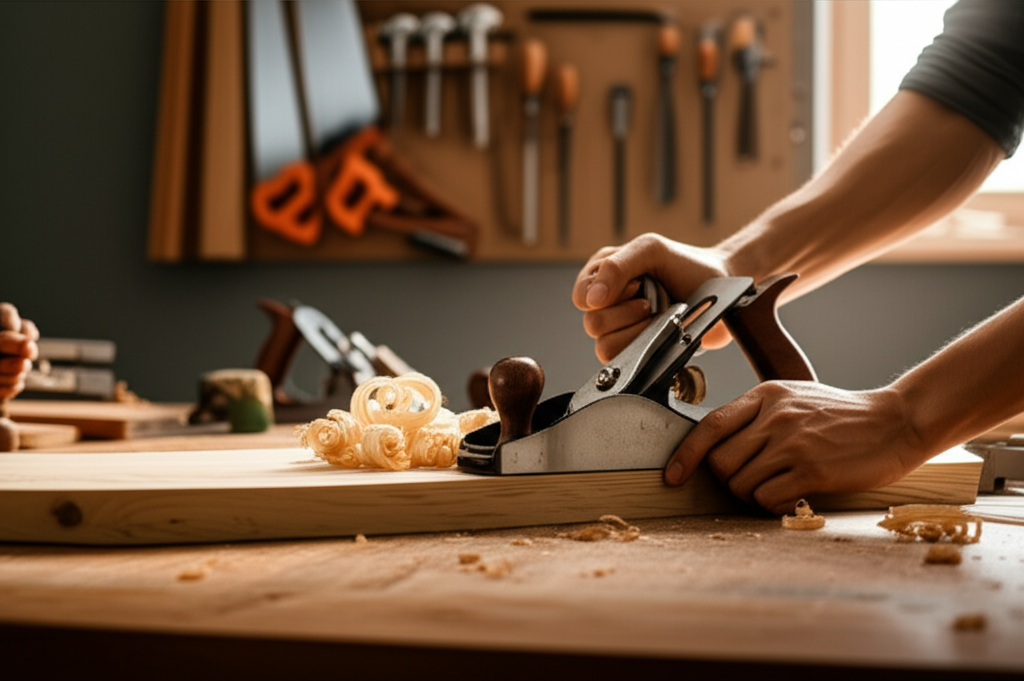
Enameled Wood vs Plastic Toilet Seat: Best Choice
For a durable, classic look and feel, enameled wood toilet seats are generally the superior choice over plastic. They offer better comfort, a more substantial feel, and a premium aesthetic that plastic can’t match, though they might come at a slightly higher initial cost.
Choosing a new toilet seat might seem like a simple task, but it can quickly become a source of frustration. You’re faced with a bewildering array of options, and the materials alone – like enameled wood and plastic – can leave you scratching your head. Which one will last longer? Which one feels better? And most importantly, which one is the right choice for your bathroom? Don’t worry, I’m here to guide you through this common dilemma with clear, straightforward advice. We’ll break down the differences, look at the pros and cons, and help you make a decision you’ll be happy with for years to come.
Enameled Wood vs Plastic Toilet Seat: What’s the Difference?
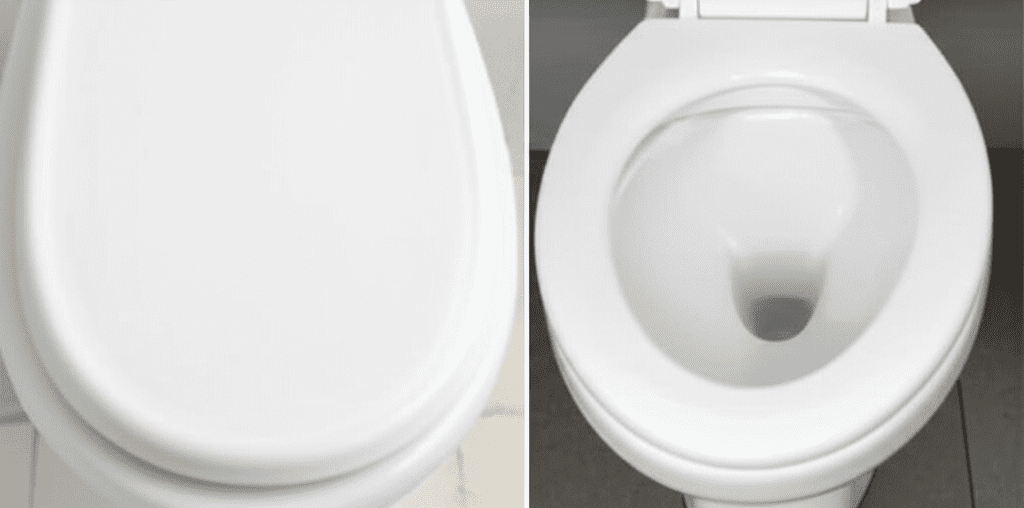
When we talk about toilet seats, the materials used are key to their performance, feel, and longevity. The two most common contenders you’ll find are enameled wood and plastic (often referred to as thermoplastic or thermoset plastic). Understanding their fundamental differences is the first step to making an informed choice.
Enameled wood toilet seats are, as the name suggests, constructed from wood, typically compressed wood or MDF (Medium-Density Fibreboard). This wood core is then coated with multiple layers of enamel, which is essentially a hard, glassy finish. This enamel coating provides protection, a smooth surface, and the desired aesthetic. Think of it like a painted piece of furniture, but with a much more durable and water-resistant finish.
Plastic toilet seats, on the other hand, are molded entirely from plastic. The type of plastic can vary, but common materials include polypropylene, polyethylene, or even more robust thermosetting plastics like duroplast. These are often manufactured through injection molding, where molten plastic is forced into a mold to create the seat’s shape. This process allows for intricate designs and a lightweight product.
Pros and Cons: A Detailed Comparison
To really get a handle on which material is best for you, let’s dive into the specific advantages and disadvantages of each. This will help you weigh the factors that matter most in your bathroom.
Enameled Wood Toilet Seats
Enameled wood seats offer a traditional and comfortable experience. They feel solid and substantial, much like a piece of fine furniture.
Pros:
- Comfort: Wood naturally has a warmer feel than plastic, making it more comfortable to sit on, especially in cooler climates or during colder months.
- Durability: When well-maintained, a good quality enameled wood seat can be very durable. The enamel coating protects the wood from moisture and wear.
- Aesthetics: They often have a more premium and classic look. The smooth, glossy finish of the enamel can complement various bathroom decors beautifully.
- Weight: They tend to be heavier, which can contribute to a feeling of stability and quality.
- Less Prone to Scratching (Initially): The enamel layer can be quite hard and resistant to minor scratches when new, though deep scratches can expose the wood.
Cons:
- Susceptible to Cracking/Chipping: If dropped or subjected to hard impacts, the enamel coating can chip or crack, exposing the wood underneath. This can lead to moisture absorption and potential damage.
- Moisture Damage: If the enamel is compromised (e.g., by deep scratches or chips), moisture can seep into the wood core, leading to swelling, warping, or rot.
- Staining: While the enamel is generally stain-resistant, severe stains from certain chemicals or harsh cleaners might be difficult to remove completely if they penetrate any micro-fissures.
- Weight: While a pro for some, the heavier weight can make installation slightly more challenging for absolute beginners.
- Cost: Often, enameled wood seats can be more expensive than basic plastic models.
Plastic Toilet Seats
Plastic seats are a popular choice due to their affordability and ease of maintenance. They come in a vast array of styles and colors.
Pros:
- Affordability: Generally, plastic toilet seats are the most budget-friendly option available.
- Lightweight: Their low weight makes them easy to handle and install.
- Water Resistance: Plastic is inherently water-resistant, making it ideal for a bathroom environment. It won’t absorb moisture or rot.
- Easy to Clean: Most plastic seats are very easy to wipe down and sanitize.
- Variety: They are available in an enormous range of colors, patterns, and styles, including soft-close hinges and novelty designs.
- Resistant to Cracking (Under Normal Use): While they can crack under extreme force, they are less prone to the kind of chipping and cracking associated with enamel finishes.
Cons:
- Comfort: Plastic can feel cold to the touch, especially in cooler weather. It also lacks the inherent warmth of wood.
- Durability (Long-Term): While they don’t rot, cheaper plastic seats can become brittle over time, especially with exposure to UV light or harsh cleaning chemicals, leading to cracks or breaks.
- Aesthetics: They often have a less premium feel and appearance compared to enameled wood. The finish can sometimes look or feel “cheap.”
- Scratching: Plastic can be prone to scratching, and these scratches can be difficult to remove, potentially harboring bacteria.
- Environmental Impact: As petroleum-based products, plastic seats have a larger environmental footprint compared to wood.
Key Factors to Consider for Your Choice
When you’re standing in the aisle or browsing online, what are the most important things to think about? It’s not just about the material, but how that material fits into your life and your bathroom.
1. Comfort and Feel
This is often a deciding factor for many people. Do you prefer a seat that feels warm and solid, or are you okay with a lighter, potentially colder plastic feel?
- Enameled Wood: Offers a warmer touch and a more substantial feel. It’s generally more comfortable for longer sitting periods.
- Plastic: Can feel cold and less substantial. Some people find the smooth, hard surface less inviting.
2. Durability and Longevity
How long do you expect your toilet seat to last? Are you looking for a long-term investment or a budget-friendly replacement?
- Enameled Wood: Can last many years if treated well and the enamel remains intact. However, a significant chip or crack can drastically reduce its lifespan.
- Plastic: Basic plastic seats might need replacement sooner due to becoming brittle or scratched. Higher-quality thermoset plastics can be very durable but are also more expensive.
3. Aesthetics and Bathroom Style
The toilet seat is a visible part of your bathroom. Does it need to match a certain look?
- Enameled Wood: Provides a classic, elegant look that suits traditional or more upscale bathrooms. The glossy finish adds a touch of sophistication.
- Plastic: Comes in endless colors and styles, making it versatile. However, it can sometimes detract from a high-end bathroom’s aesthetic.
4. Ease of Cleaning and Maintenance
Bathrooms require regular cleaning, so how easy is it to keep the seat hygienic?
- Enameled Wood: Generally easy to wipe down. However, avoid abrasive cleaners or scrubbing pads that can damage the enamel. Cleaning deep scratches requires care.
- Plastic: Very easy to clean with most household cleaners. Scratches can be a concern for harboring bacteria, but the material itself is resilient to cleaning agents.
5. Budget
What’s your price range? This is often a primary driver for many purchasing decisions.
- Enameled Wood: Typically falls in the mid-to-high price range.
- Plastic: Generally the most affordable, with a wide spectrum from very cheap to moderately priced for higher-end versions.
Installation: A Beginner’s Guide
Regardless of the material, installing a toilet seat is a straightforward DIY task that most people can handle with basic tools. Here’s a general overview:
Tools You’ll Likely Need:
- Adjustable wrench or pliers
- Screwdriver (usually Phillips head)
- Measuring tape (optional, for checking seat size before purchase)
- Cleaning supplies (gloves, disinfectant wipes, paper towels)
Steps for Installation:
- Remove the Old Seat: Locate the bolts that secure the old seat to the toilet bowl. These are usually found under plastic caps at the back of the seat. Open the caps and use your wrench or pliers to loosen the nuts on the underside of the bowl. Once loose, lift the old seat off.
- Clean the Area: Thoroughly clean the toilet bowl rim and the mounting holes where the old seat was attached. This is a good opportunity for a deep clean!
- Prepare the New Seat: Unpack your new enameled wood or plastic toilet seat. Identify the mounting hardware (bolts, washers, nuts). Many new seats come with plastic bolts that don’t require tools to tighten, while others use metal bolts.
- Position the New Seat: Place the new seat onto the toilet bowl, aligning the mounting posts with the holes in the bowl.
- Install the Hardware: From underneath the bowl, thread the bolts through the holes. Add any washers and then screw on the nuts.
- Tighten the Seat: Hand-tighten the nuts first. Then, use your wrench or pliers to tighten them further. Be careful not to overtighten, as this can crack the porcelain of the toilet bowl or strip the threads of plastic bolts. The seat should be snug and not wobble.
- Adjust and Secure: Ensure the seat is centered on the bowl. If it’s adjustable, make any necessary adjustments and then fully tighten the nuts. If your seat has special quick-release or soft-close features, follow the specific instructions provided with the seat. For many modern seats, you can simply push the bolts into place without needing to reach underneath.
Enameled Wood vs. Plastic Toilet Seat: At a Glance
To help you quickly compare, here’s a table summarizing the key differences:
| Feature | Enameled Wood Toilet Seat | Plastic Toilet Seat |
|---|---|---|
| Material Core | Compressed wood or MDF | Thermoplastic or thermoset plastic |
| Finish | Multi-layer enamel coating | Molded plastic |
| Comfort | Warmer, more substantial feel | Can feel colder, lighter |
| Durability | Good if enamel intact; vulnerable to chipping/cracking | Resistant to moisture; can become brittle/scratched over time |
| Aesthetics | Classic, premium look | Versatile, can look basic |
| Weight | Heavier | Lighter |
| Water Resistance | Good if enamel is intact; poor if compromised | Excellent |
| Cleaning Ease | Easy, but avoid abrasives | Very easy, can use most cleaners |
| Price Range | Mid to High | Low to Mid |
| Best For | Those prioritizing comfort, aesthetics, and a classic feel. | Budget-conscious buyers, those prioritizing ease of cleaning and variety. |
When to Choose Enameled Wood
You might lean towards an enameled wood seat if you’re looking to:
- Upgrade the look and feel of your bathroom with a more sophisticated option.
- Prioritize a warmer, more comfortable seating experience.
- Appreciate the substantial weight and perceived quality of a well-made product.
- Have a bathroom where aesthetics are a primary concern, and you want something that feels more like furniture.
- Are willing to invest a bit more upfront for a potentially longer-lasting and more pleasant experience, provided you are careful with it.
A good example of quality woodworking is seen in the craftsmanship of traditional furniture, and while a toilet seat is a functional item, the principles of good material selection and finishing apply. For instance, understanding how wood behaves with moisture is crucial, which is why proper sealing and finishing are paramount in woodworking projects, as detailed by resources like the U.S. Forest Products Laboratory on wood properties.
When to Choose Plastic
A plastic toilet seat is likely the better choice if:
- Your budget is a primary concern, and you need an affordable solution.
- You want the absolute easiest material to clean and maintain, with no worries about damaging a finish.
- You need a lightweight seat that is very simple to install and handle.
- You are looking for a specific color or novelty design that is more readily available in plastic.
- You anticipate heavy use or potential rough handling where a less expensive, easily replaceable option is preferred.
For understanding the properties of plastics and their common uses, educational resources from institutions like MIT OpenCourseware on materials science can offer deeper insights into why certain plastics are chosen for specific applications.
Frequently Asked Questions (FAQ)
Here are some common questions beginners have about choosing between enameled wood and plastic toilet seats.
Q1: Which type of toilet seat is more hygienic?
Both materials can be hygienic if cleaned regularly. Plastic is generally easier to sanitize without risking damage to the finish. However, deep scratches in either material can harbor bacteria. Enameled wood, when its finish is intact, provides a smooth, non-porous surface that is easy to wipe clean.
Q2: Can enameled wood seats be repaired if they chip?
Minor chips can sometimes be touched up with specialized enamel repair kits or even high-quality paint, but it’s difficult to achieve a perfectly seamless and durable repair that matches the original factory finish. Significant damage usually means the seat needs replacement.
Q3: Are plastic toilet seats really that bad?
Not at all! Modern plastic seats, especially those made from thermoset plastics like duroplast, can be very durable, comfortable, and attractive. The “bad” reputation often comes from very cheap, thin plastic seats that might feel flimsy or break easily. Higher-quality plastic options are excellent.
Q4: Which type is better for a humid bathroom environment?
Plastic is inherently more resistant to moisture and humidity. While enameled wood is sealed, if that seal is compromised, the wood core can be susceptible to water damage. For extremely humid or damp environments, plastic might offer more peace of mind.
Q5: Do enameled wood seats feel significantly warmer?
Yes, wood is a natural insulator and feels warmer to the touch than plastic. This can make a noticeable difference, especially in bathrooms that aren’t constantly heated.
Q6: Is one type easier to install than the other?
Both are generally easy to install. Plastic seats are lighter, which can make them slightly easier to maneuver. However, many modern seats, regardless of material, come with quick-release mechanisms or tool-free installation features that simplify the process greatly.
Conclusion
Making the choice between an enameled wood and a plastic toilet seat boils down to your priorities. If you’re seeking that classic, comfortable feel, a touch of elegance, and don’t mind a slightly higher price point or being a bit more careful with cleaning, an enameled wood seat is likely your best bet. It offers a substantial feel and a premium look that plastic often can’t replicate.
On the other hand, if your budget is tighter, you value extreme ease of cleaning above all else, or you need a lightweight, highly water-resistant option, a good quality plastic seat will serve you very well. They are practical, versatile, and come in a huge variety of styles to suit any bathroom.
Ultimately, both can be excellent choices. Consider what matters most to you – comfort, cost, durability, or aesthetics – and you’ll be able to confidently select the perfect toilet seat for your home. Happy building, and more importantly, happy sitting!