Engineered Hardwood vs LVP: Proven Choice
Quick Summary: For a beautiful, natural wood look with durability, engineered hardwood is often the proven choice. However, if you prioritize ultimate water resistance and budget-friendliness, Luxury Vinyl Plank (LVP) is a fantastic, modern alternative. Both offer great value, but your specific needs will guide the best flooring for your project.
Choosing the right flooring for your home can feel like a big decision, especially when you’re just starting out with your DIY projects. You want something that looks great, lasts a long time, and doesn’t break the bank. Two popular options you’ll likely encounter are engineered hardwood and Luxury Vinyl Plank (LVP). They both aim to give you that desirable wood-like appearance, but they get there in very different ways. It’s easy to get a bit overwhelmed by all the technical terms and marketing claims.
Don’t worry, though! We’re going to break down engineered hardwood versus LVP in a way that’s easy to understand, so you can feel confident making the best choice for your space. We’ll look at what they are, how they’re made, and where each one shines brightest. Let’s get started and find the perfect fit for your next project!
What Exactly Are Engineered Hardwood and LVP?
Let’s start by understanding what we’re actually comparing. It’s like knowing your tools before you pick them up – the better you understand them, the better your results will be!
Engineered Hardwood: The Best of Both Worlds
Think of engineered hardwood as a clever sandwich of wood layers. At the very top, you have a beautiful veneer of real hardwood – the part you see and feel, like oak, maple, or walnut. This top layer is what gives it that authentic, natural wood grain and warmth. Beneath this precious top layer are several layers of plywood or high-density fiberboard (HDF) stacked crosswise. This cross-grain construction is the secret sauce.
It makes the flooring much more stable and less prone to expanding or contracting with changes in humidity and temperature compared to solid hardwood. This stability means it’s a great option for basements, kitchens, and even areas where solid wood might normally struggle.
Luxury Vinyl Plank (LVP): The Modern Marvel
Luxury Vinyl Plank, or LVP, is a man-made material designed to mimic the look and feel of wood (or sometimes stone or tile). It’s typically made up of several layers, starting with a backing layer for stability, followed by a core layer (often made of PVC or composite), a printed design layer that gives it its visual appeal, and finally, a clear protective wear layer on top.
This wear layer is crucial as it shields the plank from scratches, scuffs, and stains. The “luxury” in LVP comes from its realistic printing and often embossed textures, which can make it surprisingly convincing as real wood. It’s known for being incredibly durable and water-resistant, making it a popular choice for busy households.
How Are They Made? A Look Under the Surface
Understanding the manufacturing process helps explain their differences in performance and appearance. It’s all about the construction!
Engineered Hardwood Construction
The magic of engineered hardwood lies in its layered structure. Here’s a typical breakdown:
- Top Layer (Veneer): This is the real hardwood, usually between 0.5mm and 6mm thick. The thicker the veneer, the more times it can potentially be sanded and refinished over its lifetime.
- Middle Core Layers: These are typically made from cross-laminated plywood or HDF. They provide strength and stability. The way these layers are arranged, with the grain running in different directions, prevents the plank from bowing or warping.
- Bottom Layer (Backer): This is the base layer that provides additional stability and often helps with moisture resistance.
This construction makes engineered hardwood more dimensionally stable than solid wood. According to the Forest Products Laboratory (FPL), a part of the U.S. Forest Service, wood’s tendency to swell and shrink is a significant factor in its performance in different environments. Engineered hardwood’s layered design actively combats this natural tendency.
Luxury Vinyl Plank (LVP) Construction
LVP also features a layered design, but with different materials:
- Wear Layer: A transparent, protective top coating. The thickness of this layer (measured in mils – 1 mil = 0.001 inch) is a key indicator of durability. Higher mil counts (e.g., 20 mil) are best for high-traffic areas.
- Print Layer: This is a high-resolution photograph of wood (or stone/tile) that gives LVP its realistic look.
- Core Layer: This is the backbone of the plank. Most LVP uses a solid vinyl core (often called SPC – Stone Plastic Composite, or WPC – Wood Plastic Composite) which provides rigidity and water resistance.
- Underlayment (Optional): Some LVP comes with a pre-attached underlayment for added cushioning and sound dampening.
The core materials in LVP, especially SPC, are highly engineered to be waterproof, making it a standout feature.
Engineered Hardwood vs LVP: A Side-by-Side Comparison
Now that we know what they are, let’s put them head-to-head on key factors that matter to DIYers. This table should help you visualize the differences:
| Feature | Engineered Hardwood | Luxury Vinyl Plank (LVP) |
|---|---|---|
| Material Composition | Real wood veneer over plywood/HDF core. | Vinyl layers with a printed design and protective wear layer. |
| Appearance | Authentic, natural wood grain and feel. Each plank is unique. | Realistic printed wood patterns. Can be very convincing, but patterns may repeat. |
| Durability & Wear | Good. Wear layer thickness determines scratch resistance. Can be sanded/refinished (depending on veneer thickness). | Excellent. Highly resistant to scratches, dents, and stains due to the wear layer. Generally not refinishable. |
| Water Resistance | Moderate. Can be affected by prolonged moisture or standing water. | Excellent. Most LVP is 100% waterproof. |
| Installation | Can be glued down, nailed down, or floated. Requires more precision. | Most commonly click-lock (floating). Very beginner-friendly. Can also be glued down. |
| Cost (Material) | Mid to High. Varies greatly with wood species and veneer thickness. | Low to Mid. Generally more affordable than engineered hardwood. |
| Comfort & Sound | Warmer and quieter underfoot than laminate or tile. | Can be softer and quieter, especially with an attached underlayment. |
| Maintenance | Requires careful cleaning to avoid moisture damage. Regular sweeping and damp mopping. | Easy to clean. Sweep, vacuum, or damp mop. Highly stain-resistant. |
| Resale Value | Generally adds more perceived value to a home due to being real wood. | Good value, but may not add as much perceived value as real wood. |
Pros and Cons: Weighing Your Options
Every flooring material has its strengths and weaknesses. Let’s break them down so you can see which fits your project best.
Engineered Hardwood: The Good and the Not-So-Good
Pros:
- Authentic Beauty: It’s real wood, so you get that genuine warmth, unique grain patterns, and natural variations that many people love.
- Increased Stability: Its layered construction makes it more stable than solid hardwood, performing better in fluctuating humidity.
- Refinishing Potential: Depending on the veneer thickness, it can often be sanded and refinished once or twice to refresh its look or repair damage, extending its lifespan.
- Adds Home Value: Real wood flooring is a significant selling point and can increase your home’s resale value.
- Variety of Species: Available in a wide range of wood species, stains, and finishes to match any décor.
Cons:
- Moisture Sensitivity: While more stable than solid wood, it’s still wood. Prolonged exposure to water or high humidity can cause damage, swelling, or warping.
- Scratch Vulnerability: The real wood veneer can be scratched or dented, especially in high-traffic areas or if pets have sharp claws.
- Cost: Generally more expensive than LVP, both in terms of material and sometimes installation.
- DIY Installation Can Be Tricky: While float or glue-down methods are common, achieving a perfect finish requires careful attention to detail.
Luxury Vinyl Plank (LVP): The Good and the Not-So-Good
Pros:
- Waterproof: This is LVP’s superpower! It’s ideal for kitchens, bathrooms, laundry rooms, and basements where moisture is a concern.
- Extreme Durability: The tough wear layer makes it highly resistant to scratches, scuffs, stains, and even pet claws.
- Easy Installation: Most LVP features a click-lock system, making it very DIY-friendly. You can often install it directly over existing flooring.
- Affordability: Typically a more budget-friendly option than engineered hardwood, offering great value for its performance.
- Low Maintenance: Easy to clean and requires no special treatments.
- Realistic Looks: Modern printing technology creates highly realistic wood visuals that can fool the eye.
Cons:
- Not Refinishable: Once the wear layer is damaged or the print is worn, the plank usually needs to be replaced.
- Can Look “Too Perfect”: While realistic, some people find the repeating patterns or uniform look less appealing than the natural variation of real wood.
- Potential for Fading: Prolonged exposure to direct sunlight can sometimes cause the print layer to fade over time.
- Less Resale Value: While a desirable feature, it may not add as much perceived value to a home as real hardwood flooring.
- Environmental Concerns: Vinyl production and disposal can have environmental impacts, though many manufacturers are working on more sustainable options. The vinyl industry acknowledges these challenges and is investing in recycling and production improvements.
Where Does Each Flooring Shine? Proven Use Cases
Knowing where each type of flooring performs best can really help you make your decision. Think about the specific room you’re working on!
Engineered Hardwood is a Proven Choice For:
- Living Rooms and Dining Rooms: These are typically lower-traffic areas where the natural beauty of real wood can be showcased.
- Bedrooms: For a warm, inviting feel underfoot.
- Home Offices: Where a sophisticated and natural aesthetic is desired.
- Areas with Stable Humidity: Rooms that aren’t prone to frequent moisture spikes.
- Renovations Aiming to Maximize Home Value: When upgrading for resale, real wood is a strong contender.
Luxury Vinyl Plank (LVP) is a Proven Choice For:
- Kitchens: Its waterproof nature makes it perfect for areas prone to spills and splashes.
- Bathrooms: The ultimate defense against moisture and humidity.
- Laundry Rooms: Handles spills and dampness with ease.
- Basements: Where humidity and potential water seepage can be an issue.
- High-Traffic Areas: Hallways, entryways, and playrooms benefit from its superior scratch and stain resistance.
- Rental Properties or Flip Homes: Offers excellent durability and affordability.
- DIYer’s First Flooring Project: Its easy click-lock installation makes it very approachable for beginners.
Installation: Which is Easier for a Beginner?
As a woodworking guide, I know how important ease of installation is for beginners. Getting it wrong can be frustrating, but getting it right is incredibly rewarding!
Installing Engineered Hardwood
Engineered hardwood can be installed using a few methods:
- Floating: The planks are connected to each other but not to the subfloor. This is often the easiest DIY method, but it requires an underlayment and careful edge locking.
- Glue-Down: The planks are adhered directly to the subfloor using a special adhesive. This provides a very solid feel but can be messy and requires precise adhesive application.
- Nail-Down/Staple-Down: This method involves fastening the planks to a wooden subfloor using nails or staples. It’s more common for thicker engineered hardwood and requires a specialized flooring nailer.
While floating engineered hardwood is manageable for a beginner with patience, it demands a very flat subfloor and careful attention to expansion gaps around the perimeter. It’s a good step up from LVP in terms of installation complexity.
Installing Luxury Vinyl Plank (LVP)
LVP, particularly the click-lock variety, is renowned for its user-friendly installation. Most LVP planks feature an integrated locking system that allows you to simply click them together at an angle, and then tap them into place. This “floating” installation method means you don’t need to glue or nail the planks to the subfloor.
- Preparation is Key: Ensure your subfloor is clean, dry, and level. Minor imperfections can sometimes show through LVP, especially if it has a thinner core or no attached underlayment.
- Cutting: LVP is generally easy to cut with a utility knife, a jigsaw, or a specialized vinyl cutter.
- Expansion Gaps: Like engineered hardwood, LVP needs expansion gaps around the perimeter of the room to allow for natural expansion and contraction.
For most beginners, LVP’s click-lock system is significantly easier to master than the methods required for engineered hardwood. It’s forgiving and allows for mistakes to be corrected more easily.
Maintenance and Care: Keeping It Beautiful
Once your new floor is down, you’ll want to keep it looking great with minimal fuss.
Caring for Engineered Hardwood
Treat engineered hardwood with the respect real wood deserves:
- Sweep or Vacuum Regularly: Use a soft brush attachment on your vacuum to pick up dust and grit that can scratch the surface.
- Damp Mop Only: Never use excessive water. A well-wrung-out mop is your best friend. Avoid steam mops, as the heat and moisture can damage the wood layers.
- Use Felt Pads: Put felt protectors on the legs of all furniture to prevent scratches when moving items.
- Clean Spills Immediately: Wipe up any liquid spills as soon as they happen.
- Avoid Harsh Chemicals: Stick to pH-neutral floor cleaners specifically designed for hardwood.
Caring for Luxury Vinyl Plank (LVP)
LVP is celebrated for its low-maintenance nature:
- Sweep or Vacuum: Same as hardwood, regular cleaning prevents grit from scratching.
- Damp Mop: LVP is waterproof, so a damp mop is perfectly fine. You can use a mild detergent or a vinyl floor cleaner.
- No Waxing Needed: LVP doesn’t require waxing or polishing. The wear layer is designed to last.
- Resistant to Most Stains: Most common household spills can be wiped away without leaving a mark.
In terms of day-to-day care, LVP is undoubtedly the winner for ease.
Cost Considerations: Budgeting for Your Project
Let’s talk about the numbers. While prices can vary wildly based on quality, brand, and location, here’s a general idea:
Engineered Hardwood Pricing
Engineered hardwood typically ranges from $3 to $12 per square foot for materials. The price is heavily influenced by:
- Wood Species: Exotic hardwoods like Teak or Brazilian Cherry will be more expensive than domestic Oak or Maple.
- Veneer Thickness: Thicker veneers (3mm+) cost more but offer more refinishing potential.
- Finish Quality: Higher-end finishes and UV coatings can increase the price.
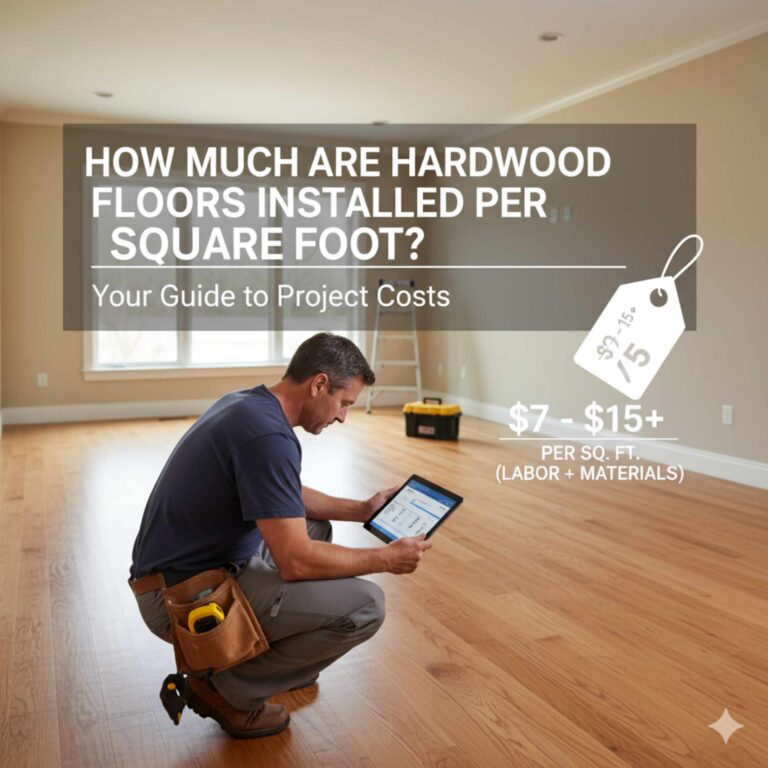
Installation costs can add another $2 to $6 per square foot, depending on the method and labor rates.
Luxury Vinyl Plank (LVP) Pricing
LVP is generally more budget-friendly, ranging from $1 to $5 per square foot for materials. Factors affecting LVP cost include:
- Wear Layer Thickness: Thicker wear layers (e.g., 20 mil) are more durable and cost more.
- Core Type: SPC (Stone Plastic Composite) cores are often more expensive than WPC (Wood Plastic Composite) or standard vinyl cores, but offer superior rigidity and water resistance.
- Brand and Features: Higher-end brands with advanced printing or attached underlayment will cost more.
DIY installation of LVP can often be done for free, making the total project cost significantly lower than engineered hardwood, especially if you hire professionals for the hardwood.
Frequently Asked Questions (FAQ)
Here are some common questions beginners have about choosing between engineered hardwood and LVP.
Q1: Can I install engineered hardwood in a bathroom?
While engineered hardwood is more stable than solid wood, it’s generally not recommended for bathrooms or other areas with high moisture and humidity. Prolonged exposure to water can cause the wood layers to swell or warp. If you love the look of wood in a bathroom, LVP is a much safer and more durable choice.
Q2: Is LVP really waterproof?
Yes, most LVP products are considered 100% waterproof. This means that spills and even standing water won’t damage the plank itself. However, it’s always best to clean up spills promptly to prevent them from seeping into the seams between planks, which could potentially damage the subfloor over time.
Q3: How many times can I refinish engineered hardwood?
This depends entirely on the thickness of the top real wood veneer. A veneer of 0.5mm to 1mm might only be refinished once, if at all. Thicker veneers, like 2mm to 6mm, can typically be sanded and refinished multiple times over the floor’s lifespan, similar to solid hardwood.
Q4: Will LVP scratch easily?
LVP is designed to be very scratch-resistant, especially products with a thicker wear layer (20 mil or higher). While it’s not impossible to scratch, it’s far more resistant to everyday wear and tear, pet claws, and minor accidents than most real wood products. It’s a great option for homes with pets and children.
Q5: Which flooring is better for resale value?
Generally, real wood flooring, including engineered hardwood, is perceived to add more value to a home than LVP. Buyers often associate real wood with higher quality and luxury. However, LVP is a very popular and practical choice that is attractive to many buyers, especially in specific areas like kitchens and bathrooms where its durability is a major plus.
Q6: Can I install LVP over my existing vinyl flooring?
In most cases, yes! As long as your existing vinyl flooring is in good condition, well-adhered to the subfloor, and free of significant damage or lifting, you can often install LVP directly over it. This saves time and effort on subfloor preparation. Always check the LVP manufacturer’s installation guidelines for specific recommendations.
Q7: Which is better for a basement: engineered hardwood or LVP?
For basements, LVP is almost always the better choice. Basements are prone to higher humidity levels and can be susceptible to water damage or seepage. Engineered hardwood, while more stable than solid wood, can still be negatively impacted by these conditions. LVP’s waterproof nature makes it the ideal flooring solution for basements.
Conclusion: Making Your Proven Choice
So, there you have it! Both engineered hardwood and LVP are fantastic flooring options, each with its own set of advantages that make it a “proven choice” for different needs. If you’re dreaming of that authentic, warm, and natural wood aesthetic for your main living areas, and you’re willing to invest a bit more for the timeless beauty and potential for refinishing, engineered hardwood is a superb option that truly elevates a home. Its stability makes it a more versatile choice than solid wood, opening up more possibilities for your living spaces.
On the other hand, if your priority is ultimate durability, complete waterproof protection, easy DIY installation, and a more budget-friendly price tag, then LVP is an incredibly compelling and modern solution. It’s a workhorse that can handle the demands of busy households, spills, and even damp environments with remarkable resilience. Its realistic designs mean you don’t have to sacrifice style for practicality.
As you plan your next project, consider the specific room, your lifestyle, your budget, and your comfort level with installation. By understanding the unique strengths of engineered hardwood and LVP, you can confidently select the flooring that will not only look great but also serve you well for years to come. Happy building, and enjoy your beautiful new floor!