Eucalyptus vs Teak Outdoor Furniture: Best Choice
For beautiful, durable outdoor furniture, both eucalyptus and teak are excellent choices. Teak offers unparalleled longevity and weather resistance, making it a premium, low-maintenance option. Eucalyptus provides a more budget-friendly, yet still robust and attractive, alternative that requires a bit more upkeep. Your best choice depends on your budget and desired maintenance level.
Choosing the right wood for your outdoor furniture can feel like a big decision, especially when you want something that looks great, lasts a long time, and doesn’t break the bank. You might be wondering about the differences between popular choices like eucalyptus and teak. It’s a common question for anyone starting their outdoor living space project, and frankly, it can be a bit confusing with all the options out there. But don’t worry, I’m here to help you sort it all out! We’ll break down exactly what makes each wood special, so you can feel confident in your choice. Let’s dive in and find the perfect wood for your patio!
Eucalyptus vs Teak Outdoor Furniture: Unpacking the Differences
When you’re looking to furnish your patio, deck, or garden, the natural beauty and durability of wood are often top of mind. Two of the most popular hardwoods for outdoor furniture are eucalyptus and teak. Both offer a warm, inviting aesthetic and can stand up to the elements, but they have distinct characteristics that make them suitable for different needs and budgets. Understanding these differences is key to making a smart investment for your outdoor space. Let’s explore what makes each of these woods a great choice, and how they stack up against each other.
What is Teak Wood?
Teak (Tectona grandis) is a tropical hardwood renowned for its exceptional durability, stability, and natural resistance to water, rot, and insects. Harvested primarily from Southeast Asia, teak has been used for centuries in shipbuilding, outdoor furniture, and decorative items due to its inherent qualities. Its natural oils make it highly resistant to decay and insect infestation, meaning it can withstand harsh weather conditions with minimal maintenance. Over time, teak will develop a beautiful silvery-gray patina if left untreated, which many people find very appealing. However, its density and natural oils also contribute to a higher cost compared to many other wood species.
What is Eucalyptus Wood?
Eucalyptus is a fast-growing hardwood native to Australia, with many species now cultivated worldwide. For outdoor furniture, specific species like Eucalyptus Grandis (Rose Gum) and Eucalyptus Sideroxylon (Mugga Ironbark) are commonly used. Eucalyptus is known for its attractive grain patterns, often featuring reddish-brown hues, and its good durability. While not as inherently resistant to rot and insects as teak, eucalyptus is still a strong contender for outdoor use, especially when properly treated and maintained. It offers a more accessible price point, making it a popular choice for those seeking a balance of quality and affordability.
Key Comparison: Eucalyptus vs Teak Outdoor Furniture
To help you make the best decision for your outdoor oasis, let’s compare eucalyptus and teak across several important factors. This side-by-side look will highlight their strengths and weaknesses, making it easier to see which one aligns with your priorities.
Durability and Longevity
Teak is the undisputed champion when it comes to durability and longevity. Its high natural oil content acts as a protective barrier against moisture, rot, and insect damage. This means teak furniture can last for decades, even in challenging climates, with very little maintenance. It’s a material that truly stands the test of time. While eucalyptus is also a durable hardwood, it doesn’t possess the same level of natural resistance as teak. It is susceptible to moisture absorption, which can lead to rot and decay over time if not properly sealed and maintained. However, with regular care, eucalyptus furniture can still provide many years of enjoyment.
Weather Resistance
Teak’s natural oils are its superpower when it comes to weather resistance. It can handle direct sunlight, rain, snow, and humidity without significant warping, cracking, or decay. This makes it ideal for virtually any climate. Eucalyptus, while resilient, requires more attention. It can withstand moderate weather conditions, but prolonged exposure to harsh sun and heavy rain without proper sealing can cause it to degrade faster than teak. You’ll need to reapply protective finishes more frequently to keep eucalyptus in top condition.
Maintenance Requirements
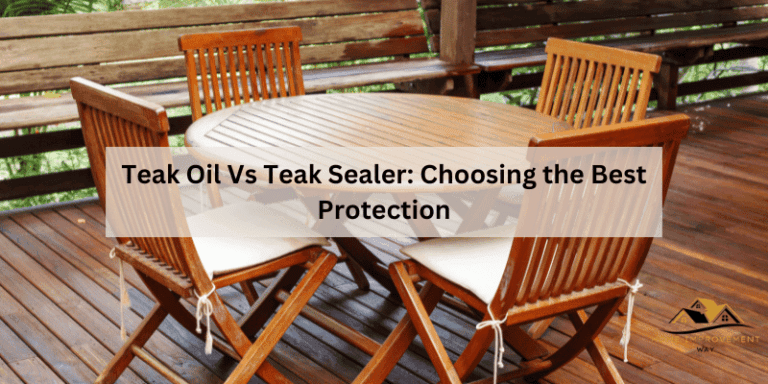
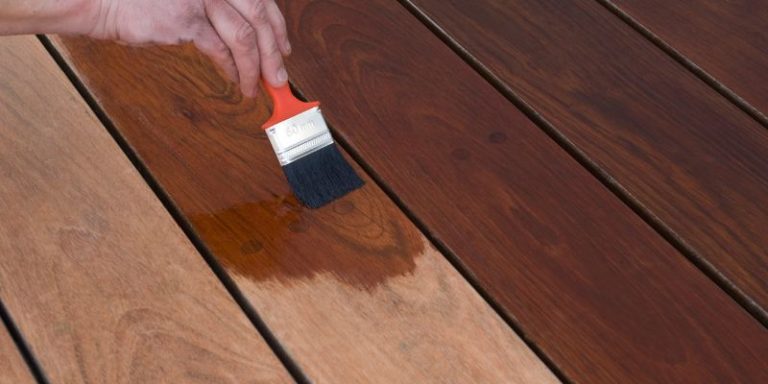
This is where the biggest difference lies. Teak furniture is famously low-maintenance. If you prefer the natural silver-gray patina, you can simply clean it occasionally with soap and water. If you want to maintain its original golden-brown color, you’ll need to apply a teak oil or sealant once or twice a year. Eucalyptus, on the other hand, requires more diligent care. To prevent weathering, cracking, and potential rot, it’s recommended to clean it regularly and apply a good quality sealant or oil at least annually, and sometimes more often depending on your climate. This might involve sanding lightly before reapplication.
Cost and Value
Teak is a premium material, and its price reflects that. Teak outdoor furniture is a significant investment, but its exceptional longevity and minimal maintenance can make it a cost-effective choice in the long run. You’re paying for unparalleled quality and durability. Eucalyptus offers a much more budget-friendly entry point. You can typically find eucalyptus furniture at a fraction of the cost of teak. While it may not last quite as long without diligent care, it provides excellent value for its price, especially for those who are happy to perform regular maintenance.
Aesthetic Appeal
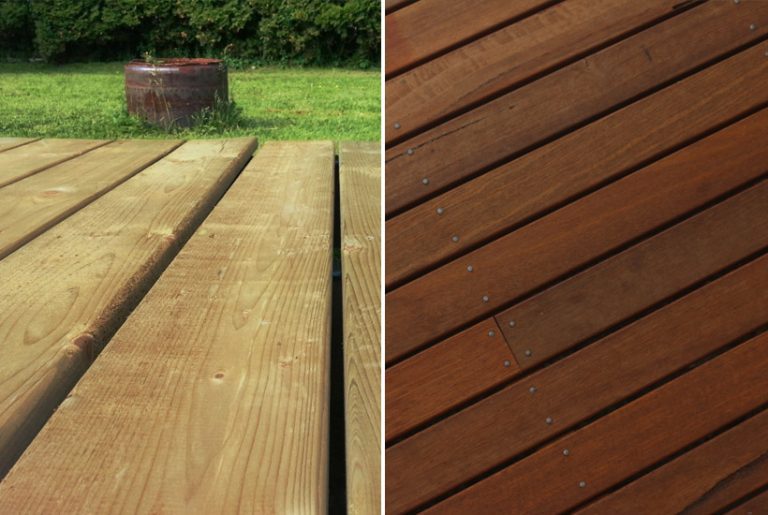
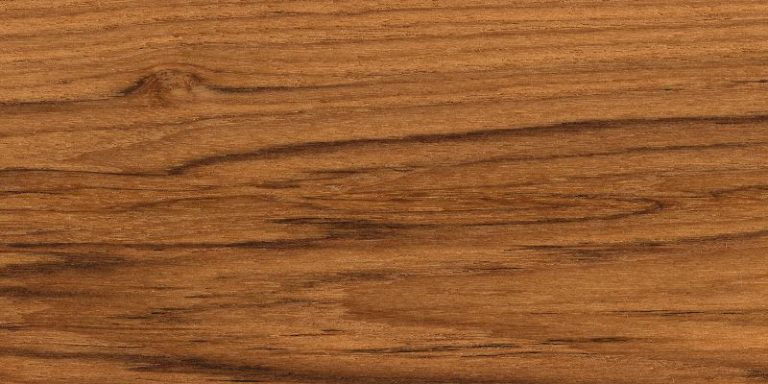
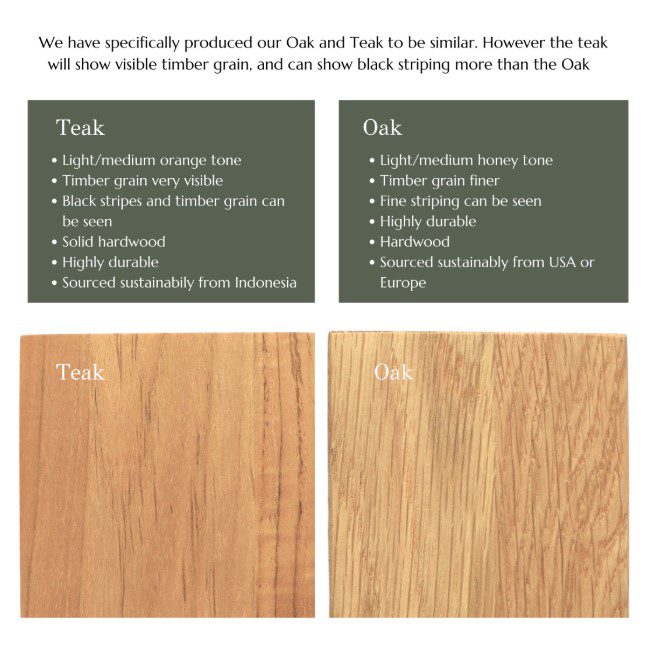
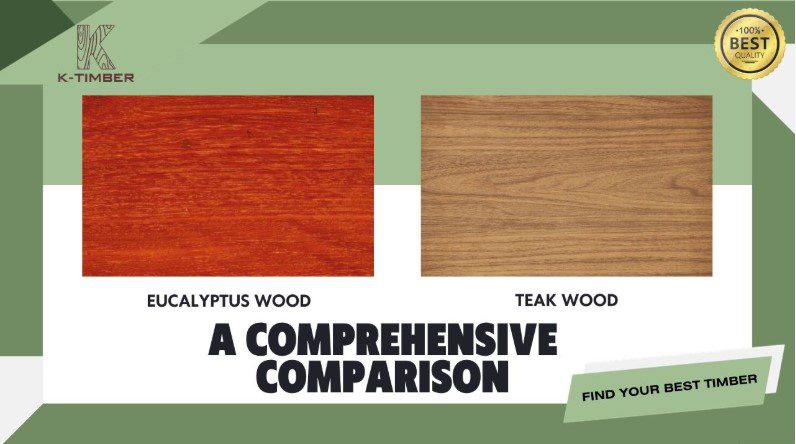
Both woods offer beautiful natural aesthetics. Teak has a classic, rich golden-brown color when new, which gradually weathers to a sophisticated silver-gray. Its grain is typically straight and even, giving it a timeless look. Eucalyptus also boasts attractive grain patterns, often with warm, reddish-brown tones. The appearance can vary depending on the specific species of eucalyptus. Many find the color variations and grain of eucalyptus to be very appealing, offering a slightly different, perhaps more rustic, charm compared to teak.
Environmental Considerations
When considering sustainability, it’s important to look for responsibly sourced wood. Teak plantations are increasingly common, and certifications like the Forest Stewardship Council (FSC) can indicate that the teak has been harvested sustainably. Eucalyptus is a very fast-growing tree, making it a more sustainable option in terms of rapid renewability. Again, looking for FSC-certified eucalyptus is a good practice to ensure responsible forestry.
Teak vs. Eucalyptus: A Quick Comparison Table
Here’s a snapshot to help you quickly compare the key features of teak and eucalyptus outdoor furniture:
| Feature | Teak | Eucalyptus |
|---|---|---|
| Durability | Exceptional, highest rating | Good to very good |
| Longevity | 50+ years (with proper care) | 15-30 years (with proper care) |
| Weather Resistance | Excellent natural resistance | Good, but requires regular sealing |
| Maintenance | Very low (cleaning; optional oiling) | Moderate (regular cleaning and sealing required) |
| Cost | High | Medium |
| Natural Oils | High content | Moderate content |
| Insect Resistance | Excellent natural resistance | Good, but can be susceptible without treatment |
| Appearance | Golden brown to silver-gray patina | Reddish-brown to light brown, attractive grain |
| Sustainability | Can be sustainable if FSC certified | Fast-growing, generally sustainable |
Caring for Your Outdoor Furniture: Tips for Both Woods
Regardless of whether you choose teak or eucalyptus, proper care will extend the life and beauty of your outdoor furniture. Here are some essential tips:
General Cleaning
For both wood types, the first step in maintenance is regular cleaning. Brush off any loose dirt, dust, or debris. For more stubborn grime, use a mild soap (like dish soap) mixed with water and a soft-bristled brush or cloth. Scrub gently, paying attention to any crevices. Rinse thoroughly with clean water and allow the furniture to air dry completely.
Protecting Teak
Teak is naturally resilient, but you have choices in how you maintain its look:
- To maintain the golden-brown color: Apply a teak-specific oil or sealant once or twice a year. Clean the furniture thoroughly first, let it dry, and then apply the product according to the manufacturer’s instructions. This will help prevent the wood from turning gray.
- To embrace the silver-gray patina: Simply clean the furniture annually with a mild soap and water solution. You can use a specialized teak cleaner if you want to remove any dark stains or mildew before it naturally weathers to that desirable silvery hue.
Caring for Eucalyptus
Eucalyptus requires a bit more attention to maintain its appearance and protect it from the elements:
- Sealing is crucial: Eucalyptus is more prone to drying out, cracking, and fading than teak. It’s highly recommended to apply a good quality exterior wood sealant or stain at least once a year, preferably in the spring before the peak outdoor season.
- Preparation is key: Before applying any sealant, ensure the furniture is clean and completely dry. If the wood feels rough or has a slight graying, you may need to lightly sand it with fine-grit sandpaper (around 120-grit) before applying the finish. This helps the sealant adhere better.
- Reapplication: Depending on your climate and the amount of sun exposure, you might need to reapply the sealant more often, perhaps every 6-9 months.
- Protect from prolonged moisture: While it’s outdoor furniture, try to avoid leaving eucalyptus furniture in constant damp conditions if possible. Covering it or storing it during very wet seasons can help.
Dealing with Mildew and Stains
Both woods can develop mildew or stains, especially in damp or shady conditions. For mildew, a solution of water and white vinegar (1:1 ratio) or a specialized wood cleaner can be effective. Scrub gently and rinse thoroughly. For tough stains, a mild bleach solution (1 part bleach to 4 parts water) can be used cautiously on teak, but it’s generally best to avoid bleach on eucalyptus unless absolutely necessary and to test it on an inconspicuous area first. Always rinse thoroughly after using any cleaning solution.
For more detailed guidance on wood finishes, you can explore resources like the Forest Products Laboratory, which provides extensive research on wood properties and protection.
Which is the Best Choice for You?
The “best” choice between eucalyptus and teak ultimately depends on your personal preferences, budget, and how much time you’re willing to dedicate to maintenance.
Choose Teak if:
- You want furniture that will last for many decades with minimal effort.
- You appreciate the natural beauty of wood and are happy with a silver-gray patina or are willing to oil it occasionally.
- Your budget allows for a higher upfront investment for long-term value.
- You live in a harsh climate with extreme sun, rain, or humidity.
Choose Eucalyptus if:
- You’re looking for an attractive, durable option that’s more budget-friendly.
- You don’t mind performing regular maintenance, such as annual sealing and cleaning.
- You enjoy the idea of a warmer, reddish-brown wood tone that you’ll protect with finishes.
- You want good value and are comfortable with a slightly shorter lifespan than premium teak.
Frequently Asked Questions (FAQ)
Q1: Will teak furniture turn gray?
Yes, if left untreated, teak furniture will naturally weather and turn a beautiful silvery-gray color over time due to exposure to sunlight and the elements. This patina is a natural characteristic and doesn’t affect the wood’s durability.
Q2: How often should I seal eucalyptus furniture?
It’s generally recommended to seal eucalyptus furniture at least once a year. However, depending on your climate (e.g., intense sun, high humidity), you might need to reapply sealant every 6-9 months to maintain its protection and appearance.
Q3: Is eucalyptus wood as strong as teak?
Teak is generally considered stronger and denser than eucalyptus. Teak’s natural oils provide superior resistance to rot, decay, and insects, contributing to its exceptional durability. Eucalyptus is still a strong hardwood, but it relies more on protective finishes for long-term resilience.
Q4: Can I paint or stain eucalyptus furniture?
Yes, you can paint or stain eucalyptus furniture. Ensure the wood is clean, dry, and lightly sanded before applying any paint or stain. Using an exterior-grade product will provide the best durability and protection against the elements.
Q5: What’s the best way to clean mold or mildew off outdoor furniture?
For both teak and eucalyptus, a solution of water and white vinegar (50/50 mix) is a good, gentle cleaner for mold and mildew. You can also use a specialized wood cleaner. Scrub gently with a soft brush, rinse thoroughly with clean water, and allow the furniture to dry completely.
Q6: Which wood is better for a coastal environment?
Teak is generally the better choice for coastal environments due to its superior resistance to salt, moisture, and humidity. Its natural oils protect it from corrosion and decay, making it ideal for areas exposed to sea air and salt spray.
Conclusion
Choosing between eucalyptus and teak outdoor furniture is about balancing your desire for beautiful, lasting furniture with your budget and willingness to maintain it. Teak stands out as the premium choice, offering unmatched durability and weather resistance with minimal upkeep, making it an excellent long-term investment.
Eucalyptus, on the other hand, provides a more accessible price point while still delivering attractive and reasonably durable furniture, provided you commit to regular cleaning and sealing. Whichever wood you select, remember that proper care is the secret to ensuring your outdoor furniture remains a cherished part of your home for years to come. Now you have the knowledge to make an informed decision and create a truly inviting outdoor space!