Eucalyptus vs Teak Outdoor Furniture: Essential Guide
Eucalyptus vs. Teak Outdoor Furniture: Choose the best wood for your patio by understanding their durability, maintenance, and cost. Teak offers superior weather resistance and a luxurious feel, while eucalyptus provides a beautiful, more budget-friendly option with good, but less extreme, durability.
Creating a welcoming outdoor space is a joy, but picking the right furniture can sometimes feel like a puzzle. You want pieces that look great, stand up to the weather, and don’t require constant fuss. Two popular choices often come up: eucalyptus and teak. Both are beautiful hardwoods, but they have distinct differences that can make one a better fit for your needs than the other. Don’t worry if you’re feeling a bit unsure; I’m here to break it all down in a way that’s easy to understand, so you can make a confident choice for your backyard oasis. Let’s dive into the world of eucalyptus and teak!
Eucalyptus vs Teak Outdoor Furniture: A Deep Dive
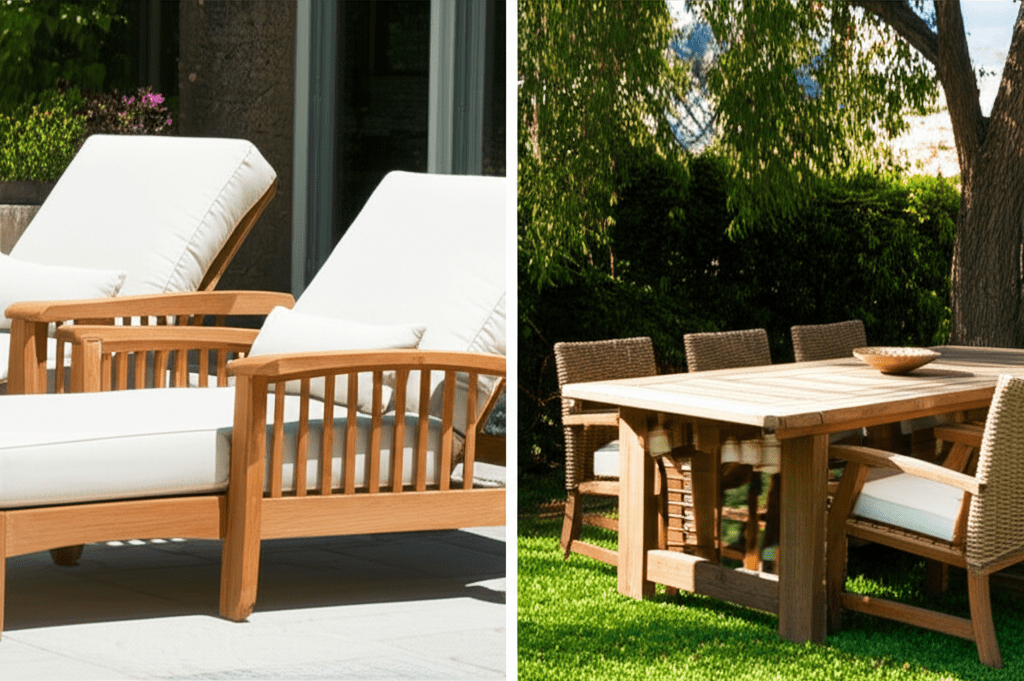
When you’re looking to furnish your patio or garden, you’re probably thinking about how the furniture will look, how long it will last, and how much work it will take to keep it looking good. Eucalyptus and teak are both excellent choices for outdoor furniture because they are hardwoods, meaning they are dense and strong. This density helps them resist rot, decay, and insect damage, which are common problems for outdoor wood. However, understanding their unique characteristics will help you make the best decision for your specific needs and budget.
What Makes Eucalyptus Wood Special?
Eucalyptus is a fast-growing hardwood, native to Australia but now grown in many parts of the world. It’s known for its beautiful grain patterns and its natural resistance to moisture and decay. This makes it a fantastic choice for outdoor furniture, as it can handle being exposed to the elements. Eucalyptus wood often has a warm, reddish-brown hue that can deepen over time. It’s also a more sustainable option in many cases due to its rapid growth.
Pros of Eucalyptus Furniture
Eucalyptus furniture offers several advantages that make it a popular choice for homeowners. Its natural beauty and durability are key selling points, but there’s more to consider.
- Natural Durability: Eucalyptus has natural oils that help it resist moisture, rot, and insect infestation, making it suitable for outdoor use.
- Attractive Appearance: It boasts a rich, often reddish-brown color and a straight grain pattern that looks warm and inviting.
- Cost-Effective: Generally, eucalyptus furniture is more affordable than teak, offering a great balance of quality and price.
- Eco-Friendly Options: Because eucalyptus trees grow quickly, responsibly sourced eucalyptus can be a more sustainable choice. Look for certifications like FSC (Forest Stewardship Council).
- Good for Moderate Climates: It performs well in a variety of weather conditions, though it may require a bit more care in extreme environments compared to teak.
Cons of Eucalyptus Furniture
While eucalyptus is a great wood, it’s important to be aware of its limitations to manage expectations and care properly.
- Requires Regular Maintenance: To maintain its color and prevent weathering, eucalyptus furniture needs regular oiling and sealing, typically once or twice a year.
- Can Grey Over Time: Without proper maintenance, eucalyptus will naturally turn a silvery-grey color as it’s exposed to sunlight and the elements.
- Less Durable Than Teak: While durable, it doesn’t possess the same level of natural oil content and density as teak, making it slightly less resistant to extreme weather and heavy use over very long periods.
- Potential for Cracking: If not properly maintained or if exposed to drastic temperature changes, eucalyptus can develop minor cracks or splits.
What Makes Teak Wood Special?
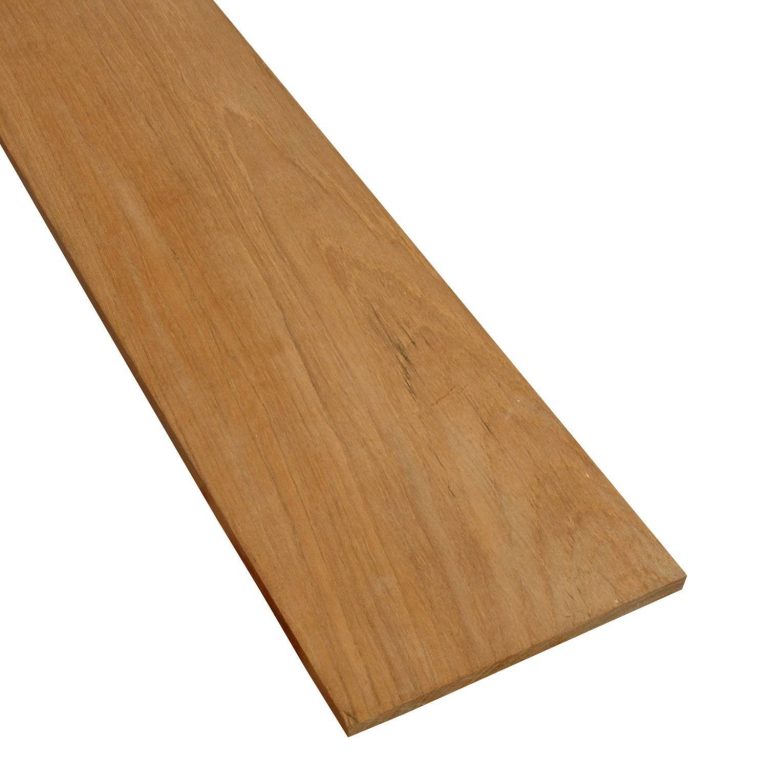
Teak is often considered the king of outdoor furniture woods. It’s a tropical hardwood known for its exceptional durability and natural resistance to weather, water, and insects. This is thanks to its high natural oil content and dense grain. Teak has a beautiful golden-brown color that, like eucalyptus, will weather to a silvery-grey if left untreated. Its longevity and low maintenance requirements in natural conditions are what make it highly sought after, though it comes at a higher price point.
Pros of Teak Furniture
Teak’s reputation as a premium outdoor wood is well-deserved, and here’s why:
- Exceptional Durability: Teak’s natural oils and dense grain make it incredibly resistant to water, rot, mildew, and insects, even in harsh marine environments.
- Low Maintenance: While it will weather to grey, teak requires very little maintenance to remain structurally sound and beautiful. You don’t necessarily need to seal or oil it.
- Timeless Beauty: Teak has a classic, luxurious appearance with a warm, golden-brown hue that ages gracefully.
- Resistant to Warping and Cracking: Its stability means it’s less prone to warping, cracking, or splitting when exposed to varying temperatures and humidity.
- Non-Slip Surface: The natural oils in teak also contribute to a slightly less slippery surface when wet compared to other woods.
Cons of Teak Furniture
Even with its impressive qualities, teak isn’t without its considerations:
- High Cost: Teak is significantly more expensive than most other hardwoods, including eucalyptus, due to its slow growth and high demand.
- Heavy: Teak furniture is very heavy, which can make it difficult to move or rearrange.
- Potential for Theft: Due to its value, teak furniture can sometimes be a target for theft.
- Environmental Concerns: While teak is naturally abundant in Southeast Asia, illegal logging and unsustainable harvesting practices can be an issue. Always look for FSC-certified teak. You can learn more about responsible forestry at the Forest Stewardship Council (FSC) website.
- Grey Patina: If you prefer the original golden-brown color, you’ll need to regularly clean and oil the teak, which can be a time-consuming process.
Key Differences: Eucalyptus vs. Teak
Understanding the core distinctions between eucalyptus and teak will make your decision much clearer. Think of it as comparing two great tools; both do the job, but one might be better suited for specific tasks or budgets.
| Feature | Eucalyptus | Teak |
|---|---|---|
| Durability | Good to Very Good | Excellent to Superior |
| Weather Resistance | Good; requires regular sealing for best performance | Excellent; highly resistant naturally |
| Maintenance | Moderate; requires annual oiling/sealing to maintain color | Low; naturally weathers to grey or can be maintained with oiling |
| Cost | Mid-range | High to Very High |
| Appearance | Warm, reddish-brown; can grey over time | Golden-brown; weathers to silvery-grey |
| Weight | Moderately Heavy | Very Heavy |
| Sustainability | Generally good due to fast growth | Varies; look for FSC certification |
| Lifespan | 10-20 years with proper care | 20-50+ years with proper care |
Durability and Weather Resistance
When it comes to standing up to the elements, teak has a clear edge. Its exceptionally high natural oil content acts as a powerful shield against moisture, UV rays, and insects. This means teak furniture can withstand rain, sun, and humidity with minimal degradation over many years. Eucalyptus is also durable and resistant to rot and insects, thanks to its natural oils, but it doesn’t quite match teak’s inherent resilience. In very wet or intensely sunny climates, eucalyptus may require more diligent care to prevent premature wear compared to teak.
Maintenance Requirements
This is where the practical differences really shine. If you want furniture that you can basically “set and forget,” teak is the winner. Left untreated, teak will naturally weather to a beautiful, soft grey patina. This grey finish doesn’t harm the wood; it’s just a surface change. If you prefer to keep the original golden-brown color, you’ll need to clean and apply a teak oil or sealant once or twice a year.
Eucalyptus, while durable, benefits significantly from regular maintenance to preserve its color and prolong its life, especially if you want to avoid the grey look. Applying a penetrating oil or a sealant designed for hardwoods annually will protect the wood from UV damage and moisture, preventing it from drying out, cracking, or turning grey too quickly. Think of it as giving your eucalyptus furniture a little spa treatment to keep it looking its best. For more on wood finishing, resources from The Wood Database can offer excellent insights into different types of finishes.
Cost and Value
The price tag is a major deciding factor for most people. Teak is a premium wood, and its price reflects that. You’ll typically pay considerably more for teak furniture than for comparable eucalyptus pieces. However, many argue that the long-term durability and low maintenance of teak offer better value over time, especially if you plan to keep your furniture for decades. Eucalyptus offers a more budget-friendly entry point into high-quality hardwood outdoor furniture. It provides excellent durability and beauty for its price, making it a smart choice for those who want attractive, sturdy pieces without the premium investment of teak.
Aesthetics and Appearance
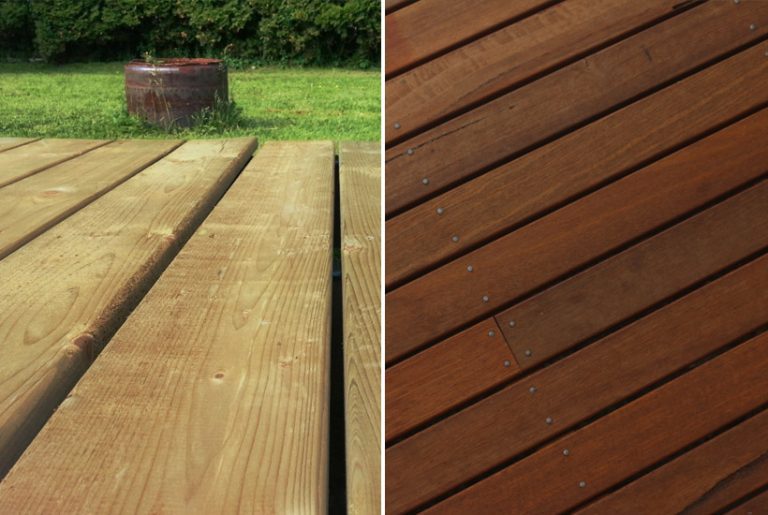
Both woods are beautiful, but they have different looks. Eucalyptus often has a warmer, more reddish or pinkish tone in its natural state. Its grain can be straight or slightly wavy, giving it a pleasing texture. Teak, on the other hand, is known for its rich golden-brown color and its straight, even grain. This gives teak a more classic, luxurious, and sometimes more uniform appearance. Both will eventually turn a silvery-grey if left exposed to the elements, a look that many find appealing. The choice here is really about personal preference and the overall style of your outdoor space.
Caring for Your Outdoor Wood Furniture
No matter which wood you choose, proper care will ensure your furniture lasts for years and looks great doing it. Here’s a simple guide to keeping both eucalyptus and teak in top condition.
Caring for Eucalyptus Furniture
Eucalyptus furniture is relatively easy to care for, but a little attention goes a long way. Here’s what you need to know:
- Cleaning: Periodically clean your furniture with mild soap and water. For tougher grime, a gentle scrub brush can help. Rinse thoroughly and allow to dry completely.
- Oiling/Sealing: To maintain its color and protect it from the elements, apply a penetrating oil (like tung oil or linseed oil) or a water-based sealant once or twice a year. Always apply to clean, dry wood. Follow the product manufacturer’s instructions. This is especially important before and after the main outdoor season.
- Protection: Consider using furniture covers during harsh weather or the off-season to protect it from excessive moisture and UV damage.
- Spot Cleaning: Address spills and stains promptly to prevent them from setting into the wood.
Caring for Teak Furniture
Teak’s natural resilience means it’s forgiving, but you can enhance its beauty and longevity with these tips:
- Cleaning: A simple wash with mild soap and water is usually sufficient. For stubborn dirt or mildew, a specialized teak cleaner or a mild bleach solution (1 part bleach to 10 parts water) can be used, followed by thorough rinsing. Always test cleaners in an inconspicuous area first.
- Maintaining Color (Optional): If you want to keep the golden-brown hue, clean the furniture thoroughly, let it dry, and then apply a teak oil or sealant. This typically needs to be done once or twice a year, depending on your climate and exposure.
- Allowing it to Grey: If you prefer the natural silver-grey patina, simply clean the furniture periodically. The grey color is a natural protective layer.
- Protection: While teak is robust, using furniture covers during prolonged periods of heavy rain or snow can help extend its life and maintain its appearance, though it’s not strictly necessary for its structural integrity.
Choosing the Right Wood for Your Needs
So, how do you make the final decision? It really comes down to your priorities.
If budget is a primary concern and you don’t mind a bit of annual maintenance to keep a rich color, eucalyptus is an excellent choice. It offers great durability and beauty for its price. It’s perfect for those who want stylish outdoor furniture that’s a step up from synthetic materials but not as big an investment as teak.
If you’re looking for the ultimate in durability, low maintenance, and a classic, luxurious look, and your budget allows, teak is the superior option. It’s an investment that will likely last a lifetime with minimal fuss. It’s ideal for those who want the best and are willing to pay for it, or for high-traffic areas where longevity is paramount.
Consider your climate, how much time you want to spend on upkeep, and your overall budget. Both eucalyptus and teak are fantastic woods that can transform your outdoor living space into a beautiful and inviting area.
Frequently Asked Questions (FAQs)
Here are some common questions beginner woodworkers and homeowners have about eucalyptus and teak outdoor furniture.
Is eucalyptus wood good for outdoor furniture?
Yes, absolutely! Eucalyptus is a hardwood with natural oils that make it resistant to rot, decay, and insects, which are common issues for outdoor furniture. It’s a durable and attractive option for patios and gardens.
Is teak wood worth the extra cost for outdoor furniture?
For many, yes. Teak is renowned for its exceptional durability, natural weather resistance, and low maintenance. If you’re looking for furniture that can last for decades with minimal upkeep and a classic look, teak is often considered a worthwhile investment.
Will eucalyptus furniture turn grey like teak?
Yes, if left untreated and exposed to the elements, eucalyptus wood will naturally weather and turn a silvery-grey color, similar to teak. Regular oiling or sealing will help maintain its original warm tone.
How often should I oil eucalyptus or teak furniture?
For eucalyptus, oiling or sealing once or twice a year is recommended to maintain its color and condition. For teak, if you want to preserve the golden-brown color, oiling once or twice a year is also recommended. If you prefer the grey patina, no oiling is necessary.
Can I leave eucalyptus or teak furniture outside all year round?
Both woods are durable enough to be left outside year-round. However, for maximum longevity and to protect the finish (especially on eucalyptus), using furniture covers during harsh winter months or periods of heavy rain and snow is a good practice.
What’s the difference in weight between eucalyptus and teak furniture?
Teak is generally denser and heavier than eucalyptus. Both are heavy hardwoods, but teak furniture will be noticeably more substantial, making it very stable but also harder to move.
Which wood is more eco-friendly?
Eucalyptus is often considered more eco-friendly due to its fast growth rate, meaning it can be replenished more quickly. However, for both woods, it’s crucial to look for certifications like FSC (Forest Stewardship Council) to ensure the wood comes from responsibly managed forests, which is the most important factor for sustainability.
Conclusion
Choosing between eucalyptus and teak outdoor furniture is a decision that balances budget, desired aesthetics, and maintenance commitment. Both are beautiful, durable hardwoods that can enhance your outdoor living space. Eucalyptus offers a fantastic balance of quality, beauty, and affordability, making it an excellent choice for many homeowners, especially those who don’t mind a little annual upkeep to keep its warm color. Teak, on the other hand, stands as the premium option, offering unparalleled durability and low maintenance for those who prioritize long-term value and a classic, luxurious look, and are willing to invest more upfront. Whichever you choose, by understanding their unique properties and providing them with appropriate care, you’ll be well on your way to enjoying stylish and sturdy outdoor furniture for many seasons to come. Happy furnishing!