EVP vs LVP: Essential Flooring Choice
EVP vs LVP: Choose the best flooring for your home! EVP offers enhanced durability and water resistance, making it ideal for high-traffic areas and moisture-prone rooms. LVP provides a stylish, budget-friendly option for general use. Understand the key differences to make an informed decision for your space.
Choosing the right flooring can feel like a big decision, can’t it? You’re probably looking at all the options, trying to figure out what will look great, last a long time, and not break the bank. It’s totally normal to feel a bit overwhelmed by all the choices out there. But don’t worry, we’re going to break down two popular contenders: EVP and LVP. Think of them as the sturdy, stylish workhorses of the flooring world. We’ll walk through what makes them different, what they’re good for, and how to pick the perfect one for your home, making this a simple and fun project!
What Exactly Are EVP and LVP Flooring?
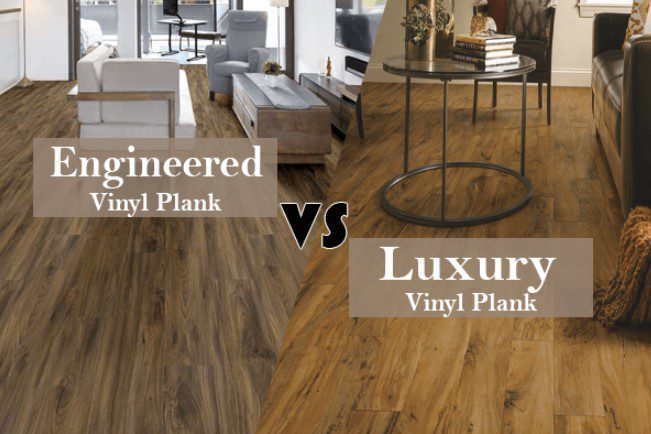
Let’s start by getting to know our two main players. Both EVP and LVP are types of luxury vinyl flooring, but they have some key differences in their construction that affect their performance and price. Understanding these distinctions will help you make a choice that’s just right for your needs.
Luxury Vinyl Plank (LVP)
Luxury Vinyl Plank (LVP) flooring is a popular choice for many homeowners. It’s designed to mimic the look of natural materials like wood and stone, but with the added benefits of vinyl.
Construction: LVP typically consists of several layers. At its core is a solid vinyl layer. Above this is a printed layer that gives the flooring its realistic visual (like wood grain or stone patterns). On top, there’s a clear wear layer that protects the design from scratches and scuffs.
Flexibility: LVP is generally more flexible than EVP. This can make it a bit easier to install in some situations, especially if you have slightly uneven subfloors.
Water Resistance: While LVP is water-resistant, it’s not always completely waterproof. The core might be vinyl, but the seams between planks can sometimes allow moisture to seep through if left standing for extended periods.
Enhanced Vinyl Plank (EVP)
Enhanced Vinyl Plank (EVP) is a newer generation of luxury vinyl flooring that builds upon the foundation of LVP. It’s engineered for even greater durability and performance.
Construction: EVP also has multiple layers, but its core is typically made from a higher density composition, often incorporating limestone or PVC. This dense core gives EVP greater rigidity and stability. Like LVP, it features a decorative layer for aesthetics and a protective wear layer.
Rigidity: The denser core makes EVP more rigid and less prone to expansion or contraction with temperature changes. This is a significant advantage, especially in environments with fluctuating humidity or temperature.
Waterproof Capabilities: Many EVP products are marketed as 100% waterproof. This is due to the dense, non-porous core and often improved locking systems that create a tighter seal between planks, making it an excellent choice for areas prone to spills and moisture.
EVP vs LVP: Key Differences Explained
Now that we know the basics of each, let’s dive into the specific differences that will help you decide between EVP and LVP. It’s like comparing two types of wood – both can be beautiful, but one might be better suited for a workbench and the other for a decorative carving.
Here’s a table that breaks down the main distinctions:
| Feature | Luxury Vinyl Plank (LVP) | Enhanced Vinyl Plank (EVP) |
|---|---|---|
| Core Material | Solid Vinyl | High-Density Composite (e.g., limestone, PVC) |
| Rigidity | More flexible | More rigid and stable |
| Water Resistance | Water-resistant | Often 100% waterproof |
| Durability | Good, but can be susceptible to heavy impacts | Excellent, more resistant to dents and heavy loads |
| Subfloor Requirements | Can tolerate minor subfloor imperfections | Requires a flatter, more uniform subfloor |
| Installation Ease | Generally easier to cut and fit | Can be slightly harder to cut due to rigidity |
| Cost | Typically more affordable | Slightly higher price point |
| Best For | Living areas, bedrooms, moderate traffic | Kitchens, bathrooms, basements, high-traffic areas |
Durability and Strength
When it comes to standing up to daily life, EVP generally has the edge. Its denser core makes it more resistant to dents, scratches, and heavy impacts. This means if you’re dropping tools (though we always try not to!), or have a busy household with kids and pets, EVP is likely to hold up better over time. LVP is still durable, but it might show wear and tear a bit more readily under extreme conditions.
Water Resistance and Waterproofing
This is a major deciding factor for many. While LVP is water-resistant, meaning it can handle spills and splashes if wiped up quickly, EVP is often fully waterproof. This waterproof quality comes from its dense, non-porous core and the robust locking mechanisms that create a tighter seal. If you’re installing flooring in a bathroom, kitchen, laundry room, or basement – areas where moisture is a common concern – EVP’s waterproof nature makes it a more reliable choice. For more on managing moisture in your home, the Environmental Protection Agency (EPA) offers valuable insights into controlling moisture for healthier indoor environments.
Installation Considerations
Both LVP and EVP are typically installed using a click-lock system, which is fantastic for DIYers. However, there are some subtle differences.
Subfloor Prep: Because EVP is more rigid, it requires a flatter and more uniform subfloor. Any significant imperfections or dips in the subfloor can telegraph through the EVP, potentially causing issues or visible unevenness. LVP, being more flexible, can sometimes accommodate minor subfloor imperfections a bit better. Always check the manufacturer’s specific subfloor preparation guidelines for both types.
Cutting: While both are cuttable, the rigidity of EVP might make it slightly more challenging to cut through with standard utility knives compared to the more pliable LVP. A good quality scoring knife and a firm, steady hand are key for both.
Aesthetics and Variety
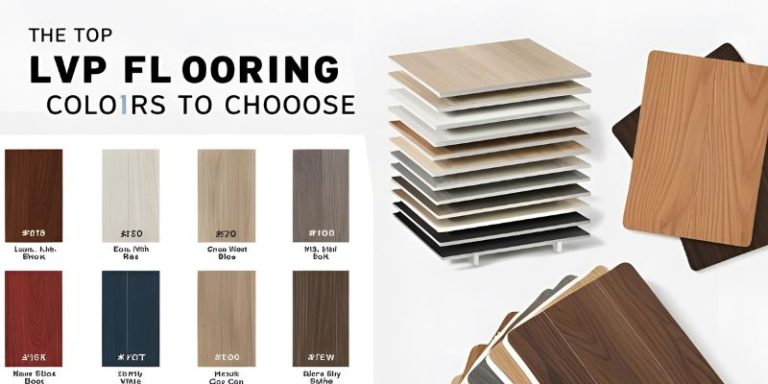
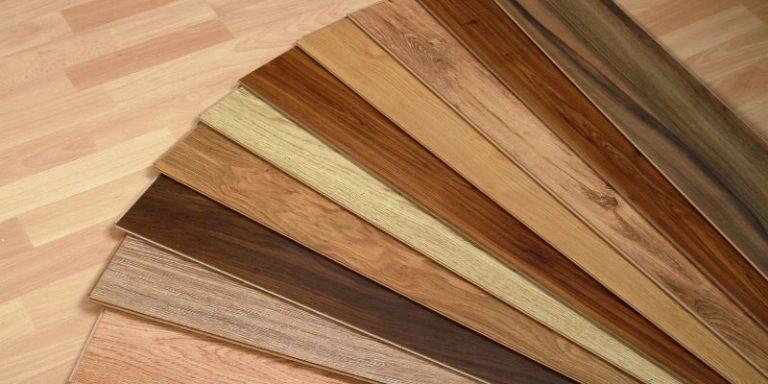
Both EVP and LVP come in an incredible array of styles, colors, and patterns. You can find them designed to look exactly like natural hardwood in various species and finishes, or like elegant stone and tile. The quality of the printed design layer on both types has improved dramatically over the years, offering highly realistic visuals. So, in terms of looks, you’re likely to find a perfect match for your décor with either option.
Cost Comparison
Generally, LVP tends to be a bit more budget-friendly than EVP. The enhanced core material and often superior waterproof capabilities of EVP contribute to its slightly higher price point. However, the difference isn’t always huge, and when you factor in the enhanced durability and waterproof features of EVP, it can offer excellent value for money, especially in high-moisture or high-traffic areas where its performance is most beneficial.
When to Choose LVP
LVP is a fantastic option for many areas of your home. It’s a great all-rounder that offers style and good durability at a more accessible price point.
Living Rooms and Bedrooms: These areas typically don’t experience extreme moisture or heavy traffic, making LVP a perfectly suitable and cost-effective choice.
Moderate Traffic Areas: If you have a relatively calm household, LVP can handle the daily wear and tear of most living spaces with ease.
Budget-Conscious Projects: When you want the look of wood or stone without the high cost of the real thing, and you’re prioritizing aesthetics and general durability, LVP is a smart pick.
Rental Properties or Flip Homes: For properties where longevity under heavy, potentially less careful use is a concern, but budget is also a major factor, LVP offers a good balance.
When to Choose EVP
EVP’s enhanced features make it the go-to choice for specific environments and demanding situations.
Kitchens and Bathrooms: The 100% waterproof nature of many EVP products makes them ideal for rooms where spills and humidity are common. You can have peace of mind knowing that even if a leak occurs or a bath overflows, your flooring is protected.
Basements: Basements are often prone to dampness and potential flooding. EVP’s waterproof core and stable structure make it a superior choice for this area, offering protection against moisture damage.
High-Traffic Areas: If you have a busy household with kids, pets, or frequent guests, EVP’s superior durability and resistance to dents and scratches will serve you well.
Areas with Temperature Fluctuations: Homes with less consistent temperature control, or areas that experience significant seasonal changes, benefit from EVP’s stability. Its lower expansion and contraction rate helps prevent buckling or gapping.
DIYers Seeking Extra Peace of Mind: For those who want the most robust and forgiving flooring option for their DIY project, EVP’s enhanced resilience can make the installation process and the long-term outcome more stress-free. For expert advice on subfloor preparation, which is crucial for any flooring installation, check out resources from the National Association of Home Builders (NAHB).
Pros and Cons: A Quick Look
To help solidify your decision, let’s quickly recap the advantages and disadvantages of each.
Luxury Vinyl Plank (LVP)
Pros:
More affordable than EVP.
Available in a vast array of realistic designs.
Water-resistant for everyday spills.
Flexible, can be more forgiving on slightly uneven subfloors.
Easy to install with click-lock systems.
Cons:
Not always 100% waterproof; seams can be a weak point.
Less resistant to heavy impacts and dents compared to EVP.
Can be more susceptible to expansion/contraction with temperature changes.
Enhanced Vinyl Plank (EVP)
Pros:
Often 100% waterproof, ideal for moisture-prone areas.
More durable, resistant to dents, scratches, and heavy loads.
More rigid and dimensionally stable, less prone to expansion/contraction.
Excellent for high-traffic areas and busy households.
Still offers a wide variety of beautiful designs.
Cons:
Typically more expensive than LVP.
Requires a flatter, more uniform subfloor for best results.
Can be slightly harder to cut due to its rigidity.
Choosing Your Subfloor: The Foundation of a Great Floor
No matter whether you choose LVP or EVP, the subfloor preparation is absolutely critical for a successful and long-lasting installation. A good subfloor ensures your new flooring looks great and performs as it should.
What is a Subfloor?
Your subfloor is the structural layer of your floor that sits directly on top of your floor joists. It provides a stable base for your finished flooring. Common subfloor materials include plywood or oriented strand board (OSB).
Subfloor Preparation Steps
1. Cleanliness is Key: Ensure the subfloor is completely clean. Sweep and vacuum away all dust, debris, and any old adhesive.
2. Check for Flatness: Use a long, straight edge (like a level or a piece of straight lumber) to check for any high spots or low spots. Most manufacturers specify a maximum allowable deviation (e.g., 3/16 inch over 10 feet).
3. Leveling: If there are low spots, you’ll need to use a self-leveling underlayment. For high spots, you might need to grind them down or shim low areas. For detailed guidance on leveling, consult resources from organizations like the National Wood Flooring Association (NWFA), which often has applicable principles for resilient flooring.
4. Address Gaps and Cracks: Fill any gaps or cracks in the subfloor with an appropriate filler or leveling compound.
5. Secure Loose Boards: If you have a wood subfloor, ensure all boards are securely fastened to the joists. Nail or screw down any loose areas.
Underlayment Options
Many LVP and EVP products come with attached underlayment. However, if yours doesn’t, or if you want extra sound dampening or moisture protection, consider adding an underlayment.
Foam Underlayment: Provides cushioning and some sound absorption.
Cork Underlayment: Offers good sound dampening and thermal insulation.
Moisture Barrier Underlayment: Essential for basements or ground-level installations, especially if your vinyl doesn’t have a built-in barrier.
Always check the manufacturer’s recommendations for underlayment compatibility.
Installation: Your DIY Project
Installing either LVP or EVP is a rewarding DIY project that can significantly update the look of your home. The click-lock system means no glue or nails are typically needed, making it a cleaner and faster process.
Tools You’ll Need
Measuring tape
Pencil
Utility knife with extra blades
Jigsaw or miter saw (for cuts around obstacles and ends)
Rubber mallet
Tapping block (often included or can be made from scrap flooring)
Pull bar
Safety glasses
Work gloves
Knee pads
* Optional: Underlayment, moisture barrier, leveling compound
Basic Installation Steps (Click-Lock System)
1. Acclimate the Flooring: Let the planks sit in the room where they will be installed for at least 48 hours to adjust to the temperature and humidity.
2. Start in a Corner: Begin in a corner of the room, typically the one furthest from the door.
3. Lay the First Row: Place the first plank with the tongue side facing the wall. You might need to cut off the tongue on the wall-facing side. Use spacers between the planks and the walls to allow for expansion.
4. Connect Planks: Angle the tongue of the next plank into the groove of the first plank and press down to lock. Use a tapping block and mallet gently if needed to ensure a tight fit.
5. Continue Rows: Lay subsequent rows, staggering the end joints by at least 6-8 inches for a natural look and structural integrity. You’ll often need to cut the last plank in each row to fit.
6. Cut Around Obstacles: Use a jigsaw to cut pieces to fit around door frames, pipes, or other fixtures.
7. Final Row: Measure and cut the last row to fit, using a pull bar to lock it into place against the wall.
8. Install Trim: Reinstall baseboards or install new quarter-round molding to cover the expansion gaps.
Remember to always follow the specific installation instructions provided by the flooring manufacturer.
Frequently Asked Questions (FAQ)
Let’s address some common questions beginner DIYers might have.
- Can I install LVP or EVP over my existing vinyl flooring?
- Generally, yes, if the existing vinyl is flat, securely adhered, and in good condition. However, always check the manufacturer’s guidelines, as some require removal of old flooring or specific preparation.
- Do I need a vapor barrier with LVP or EVP?
- It depends on the product and the installation location. If your LVP/EVP has a built-in vapor barrier and you’re installing over concrete on-grade or below-grade, you might not need an additional one. However, for basements or areas prone to moisture, an additional vapor barrier is often recommended. Always check the manufacturer’s specifications.
- How do I clean LVP and EVP flooring?
- Both are very easy to clean! Regular sweeping or vacuuming (with a hard floor attachment) is best. For spills or dirt, use a damp mop with a pH-neutral cleaner. Avoid abrasive cleaners or excessive water, especially with LVP.
- Will LVP or EVP scratch easily?
- Both have a protective wear layer, but EVP generally offers a thicker and more durable wear layer, making it more scratch-resistant. Using furniture pads and coasters, and cleaning grit from shoes, will help preserve the finish of both types.
- Can I install LVP or EVP in a bathroom?
- Yes, especially EVP, due to its waterproof nature. LVP is water-resistant, so it’s suitable if spills are cleaned up promptly. Ensure proper sealing around fixtures like toilets and tubs.
- What is the main advantage of EVP over LVP?
- The primary advantage of EVP is its enhanced durability and often 100% waterproof construction, stemming from its denser core. This makes it more resilient to heavy traffic, impacts, and moisture compared to standard LVP.
Conclusion: Making the Right Choice for Your Home
So there you have it! We’ve explored the ins and outs of EVP vs LVP flooring. Both are fantastic, modern flooring solutions that offer a great alternative to traditional materials. If you’re looking for the best durability and ultimate protection against moisture, especially in demanding areas like kitchens, bathrooms, or basements, Enhanced Vinyl Plank (EVP) is likely your champion. Its robust construction and waterproof capabilities offer long-lasting peace of mind.
On the other hand, if you’re working with a tighter budget, or outfitting living rooms and bedrooms where extreme moisture isn’t a concern, Luxury Vinyl Plank (LVP) is an excellent, stylish, and cost-effective choice. It still provides good durability and a beautiful look that can transform any space.
Whichever you choose, remember that proper subfloor preparation is your secret weapon for a flawless finish. With a little planning and careful work, you can achieve beautiful, durable flooring that you’ll be proud of for years to come. Happy flooring!