Fiberglass vs Wood Handle Shovel: Best Choice
For most digging tasks, a fiberglass handle shovel offers superior durability, lighter weight, and better weather resistance, making it the top choice for beginners and experienced users alike. Wood handles, while traditional and comfortable, can be prone to rot and breakage.
Choosing the right shovel can feel like a big decision, especially when you’re just starting out. You want a tool that feels good in your hands and can tackle whatever job you throw at it. The handle is a huge part of that. You’ll see shovels with smooth, familiar wooden handles and others with newer, often brightly colored fiberglass ones. Both have their fans, and both have their quirks. It’s easy to get a bit confused about which one is truly best for your needs. Don’t worry, though! We’re going to break down the differences between fiberglass and wood handles so you can pick the perfect shovel for your next project with confidence.
Understanding Shovel Handles: The Foundation of Your Digging Tool
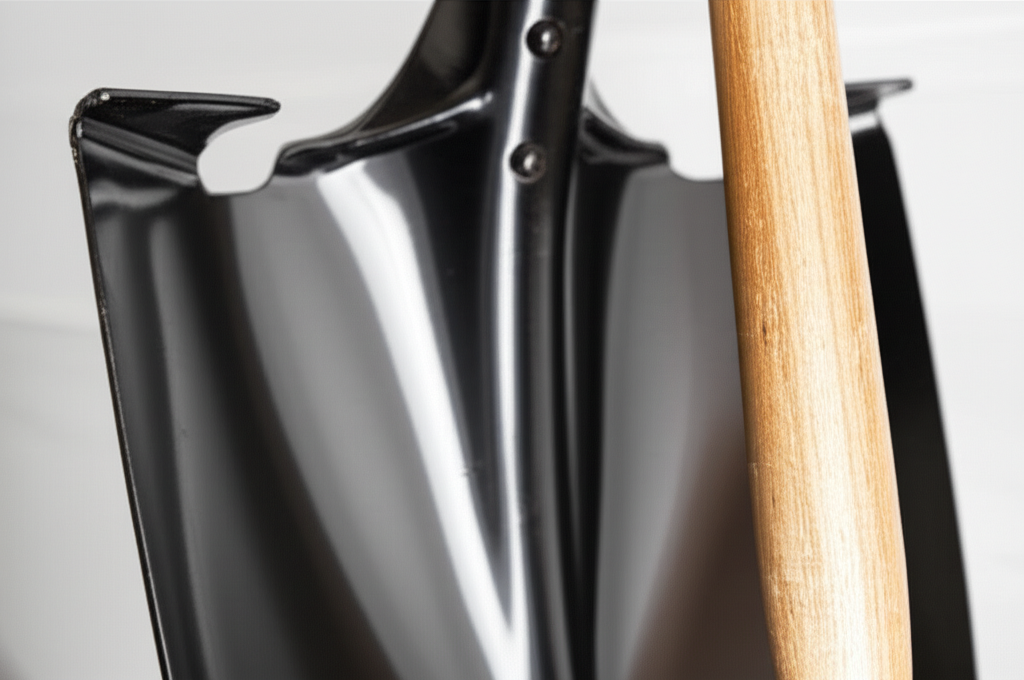
The handle of a shovel is more than just a place to grip; it’s the primary interface between you and the earth you’re moving. A well-chosen handle enhances comfort, improves efficiency, and contributes significantly to the longevity of your tool. When we talk about shovel handles, two materials dominate the landscape: traditional wood and modern fiberglass. Each material brings a unique set of characteristics to the table, influencing everything from how the shovel feels in your hand to how it performs under pressure. Understanding these differences is key to making an informed purchase that will serve you well for years to come.
Wood Handles: The Classic Choice
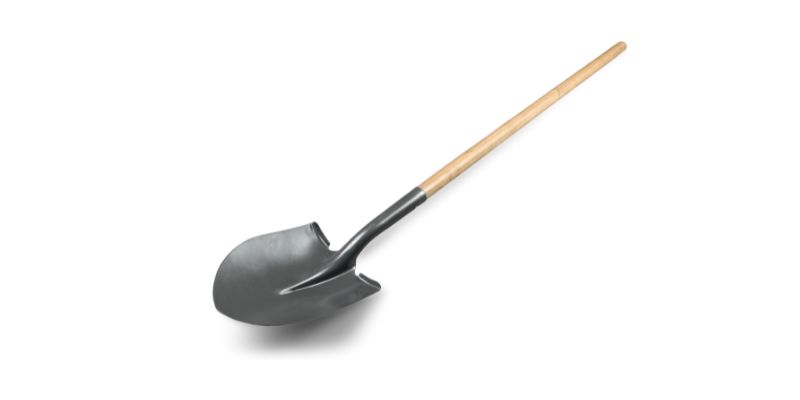
Wood has been the go-to material for tool handles for centuries, and for good reason. It offers a natural feel, good grip, and a certain classic appeal that many people appreciate. When you think of a sturdy, reliable shovel, a wooden handle often comes to mind.
Pros of Wood Handles
- Comfortable Grip: Wood provides a natural, often warm feel that many users find more comfortable for extended periods, especially compared to some synthetic materials.
- Shock Absorption: Wood has inherent properties that can absorb some of the vibration and shock from hitting hard objects, potentially reducing hand fatigue.
- Aesthetics: There’s an undeniable classic look to a well-made wooden handle that appeals to many.
- Repairability: In some cases, minor damage to a wooden handle might be repairable with woodworking techniques, though this is less common for shovel handles.
Cons of Wood Handles
- Durability Concerns: Wood can be susceptible to rot, especially if left exposed to moisture. It can also splinter, crack, or break under significant stress or impact.
- Maintenance Required: To maintain their integrity, wooden handles may benefit from occasional sanding and oiling to prevent drying out and cracking.
- Weight: Depending on the type of wood, handles can be heavier than their fiberglass counterparts, which might be a consideration for some users.
- Inconsistency: Natural wood can have variations in grain and strength, meaning two seemingly identical shovels might perform differently.
Fiberglass Handles: The Modern Contender
Fiberglass has become increasingly popular for shovel handles due to its robust performance characteristics. It’s a composite material made of glass fibers embedded in a resin. This construction results in a material that is both strong and relatively lightweight.
Pros of Fiberglass Handles
- Exceptional Durability: Fiberglass is incredibly strong and resistant to breakage, splintering, and rot. It holds up well against impacts and harsh weather conditions.
- Weather Resistance: Unlike wood, fiberglass does not absorb moisture, making it immune to rot and less affected by extreme temperatures or humidity.
- Lightweight: Fiberglass handles are typically lighter than wooden ones, which can reduce user fatigue during long digging sessions.
- Low Maintenance: Fiberglass requires virtually no maintenance. It doesn’t need sanding, oiling, or special care to retain its strength and integrity.
- High Visibility: Many fiberglass shovels come in bright colors (like orange, yellow, or red), making them easier to spot in the yard or on a job site, reducing the risk of misplacing them.
Cons of Fiberglass Handles
- Can Feel Colder: In very cold weather, fiberglass might feel colder to the touch than wood.
- Potential for Cracking (Under Extreme Stress): While very durable, under extreme, sharp impacts or if the resin matrix is compromised, fiberglass can sometimes crack or chip, which can be harder to repair than wood.
- Less Natural Feel: Some users miss the natural, warm feel of wood and find fiberglass to be a bit more utilitarian or less “organic.”
- Cost: Historically, fiberglass shovels could be more expensive, though this gap has narrowed considerably with mass production.
Fiberglass vs. Wood Handle Shovel: A Direct Comparison
To help you visualize the differences, let’s put them side-by-side. This comparison focuses on the key factors that matter most when you’re out in the garden or on a construction site.
| Feature | Fiberglass Handle | Wood Handle |
|---|---|---|
| Durability | Excellent; resists breakage, splintering, and rot. | Good, but susceptible to rot, splintering, and breakage. |
| Weight | Generally lighter. | Can be heavier, depending on wood type. |
| Weather Resistance | Excellent; unaffected by moisture and temperature extremes. | Poor; susceptible to rot, cracking from drying. |
| Maintenance | Very low; requires no special care. | Moderate; may need occasional sanding/oiling. |
| Comfort | Good; smooth, consistent grip. | Excellent; natural, warm feel, good vibration absorption. |
| Cost | Comparable to or slightly higher than wood. | Generally affordable. |
| Repairability | Difficult to repair if significantly damaged. | Minor repairs might be possible for experienced users. |
| Lifespan | Typically longer due to superior durability. | Shorter if not properly maintained or if subjected to harsh conditions. |
Which Handle Material is Best for You?
The “best” choice ultimately depends on your priorities and how you plan to use your shovel.
When to Choose a Fiberglass Handle Shovel
- You need maximum durability: If you’re tackling tough jobs, rocky soil, or expect to put your shovel through a lot of stress, fiberglass is the way to go.
- You work in varied weather conditions: Fiberglass handles won’t be affected by rain, snow, or extreme heat, making them reliable year-round.
- You want low maintenance: If you prefer tools that you can grab and use without worrying about upkeep, fiberglass is ideal.
- You want a lighter tool: For extended digging sessions or if you have physical limitations, the lighter weight of fiberglass can make a big difference.
- You’re a beginner: The forgiving nature and durability of fiberglass make it an excellent choice for those new to gardening or landscaping.
A great example of a durable fiberglass shovel is often found in professional landscaping or construction supply stores. These are built to withstand heavy use. For more information on choosing quality tools, you might find resources from the Occupational Safety and Health Administration (OSHA) helpful, particularly their guidelines on selecting appropriate personal protective equipment and tools for manual handling tasks, which indirectly relate to tool longevity and user safety.
When to Choose a Wood Handle Shovel
- You prioritize a natural feel and comfort: If the tactile sensation of wood is important to you, and you find it more comfortable, a wood handle is a solid option.
- You’re on a tight budget: While prices are close, sometimes a good quality wood-handled shovel can be found at a slightly lower price point.
- You don’t expect heavy-duty use: For light gardening tasks, occasional use, or if you’re very careful with your tools, a wood handle can serve you well.
- You enjoy tool maintenance: If you find satisfaction in caring for your tools and keeping them in top condition, maintaining a wooden handle can be part of that process.
It’s worth noting that not all wood handles are created equal. Hardwood handles, such as ash or hickory, are generally more durable and resilient than softer woods. Companies like Ames True Temper have a long history of producing reliable shovels with both wood and fiberglass handles.
Beyond the Handle: Other Factors to Consider
While the handle material is crucial, it’s not the only thing that makes a good shovel. Here are a few other aspects to keep in mind:
Shovel Head Material
- Steel: Most common. Carbon steel is strong and holds an edge well but can rust. Stainless steel is more corrosion-resistant but can be softer.
- Aluminum: Lighter and rust-proof but less durable than steel, prone to bending.
- Plastic: Lightweight and inexpensive, best for very light tasks like scooping mulch or snow.
Shovel Head Shape and Size
- Round Point: Versatile, good for digging holes, breaking up soil, and general use.
- Square Point: Good for scraping, moving loose material, and cutting sod.
- Drain Spade: Narrow and pointed, ideal for digging trenches.
- Transfer Shovel: Wider and flatter, good for moving soil or mulch efficiently.
Ergonomics and Design
Look for features like a comfortable grip on the handle (whether it’s wood or fiberglass) and a well-balanced design. Some shovels have an ergonomic D-handle, which can provide better leverage and comfort for some users.
Tips for Caring for Your Shovel Handle
Proper care can extend the life of any shovel handle, regardless of the material.
Caring for Wood Handles
- Keep it Dry: Store your shovel indoors or under cover to protect the handle from moisture.
- Inspect Regularly: Check for splinters, cracks, or signs of rot.
- Sand and Oil: If the handle feels rough or dry, lightly sand it smooth and apply a coat of linseed oil or tung oil. This helps prevent drying and cracking.
- Repair Minor Damage: Small splinters can often be sanded down. If a crack appears, it might be time to consider a replacement handle or a new shovel.
Caring for Fiberglass Handles
- Clean After Use: Wipe down the handle with a damp cloth to remove dirt and grime.
- Avoid Harsh Chemicals: While generally very resistant, it’s good practice to avoid abrasive cleaners or solvents that could potentially damage the resin over time.
- Inspect for Damage: Look for any chips or cracks in the fiberglass or resin. If you find significant damage, the handle might need replacement.
Frequently Asked Questions (FAQ)
Q1: Are fiberglass shovel handles safe?
Yes, fiberglass shovel handles are very safe and are designed for durability and strength. They are resistant to breaking and splintering, which can be hazards with poorly maintained wood handles.
Q2: Can I replace a wood handle with a fiberglass one, or vice versa?
While it’s technically possible to replace a handle, it’s usually not practical or cost-effective for the average user. Shovels are designed with specific handle types in mind, and fitting a different material might compromise the tool’s balance and structural integrity. It’s generally better to buy a new shovel with the handle type you prefer.
Q3: Which type of shovel is better for heavy-duty digging?
For heavy-duty digging, such as breaking up hard soil, digging in rocky areas, or working on construction sites, a shovel with a strong steel head and a durable fiberglass handle is generally the best choice due to its superior strength and resistance to breakage.
Q4: Do fiberglass handles get slippery?
Fiberglass handles typically have a smooth, consistent surface. While they might not offer the same natural grip as wood, they are generally not considered slippery. Some may have textured grips or coatings to enhance traction. If you find it slippery, you can always add grip tape.
Q5: How long do wood shovel handles typically last?
The lifespan of a wood shovel handle can vary greatly depending on the quality of the wood, how it’s used, and how well it’s maintained. A well-cared-for wood handle might last several years for light use, but it’s more susceptible to failure from moisture or impact than fiberglass.
Q6: Is there a difference in the “feel” of using a fiberglass vs. wood handle shovel?
Yes, there is a noticeable difference. Wood offers a warmer, more natural feel and can absorb vibrations better. Fiberglass has a smoother, sometimes cooler feel and is generally lighter, which can reduce fatigue for some users.
Conclusion: Making Your Final Choice
As your woodworking guide, I always encourage you to choose tools that make your tasks easier and more enjoyable. When it comes to shovel handles, the modern fiberglass option often wins out for most people, especially beginners. Its combination of lightweight strength, exceptional durability, and resistance to the elements makes it a reliable workhorse for a wide range of digging and moving jobs.
However, the classic wood handle still holds its charm and can be a perfectly suitable choice if you prioritize that natural feel, enjoy tool maintenance, and plan for lighter, less demanding use. Ultimately, the best shovel is the one that feels right in your hands and helps you accomplish your goals safely and efficiently. Consider your typical tasks, the conditions you’ll be working in, and your personal preferences. Whichever you choose, treat your shovel well, and it will serve you faithfully for many projects to come! Happy digging!