Fir vs Cedar Fence: Essential Comparison
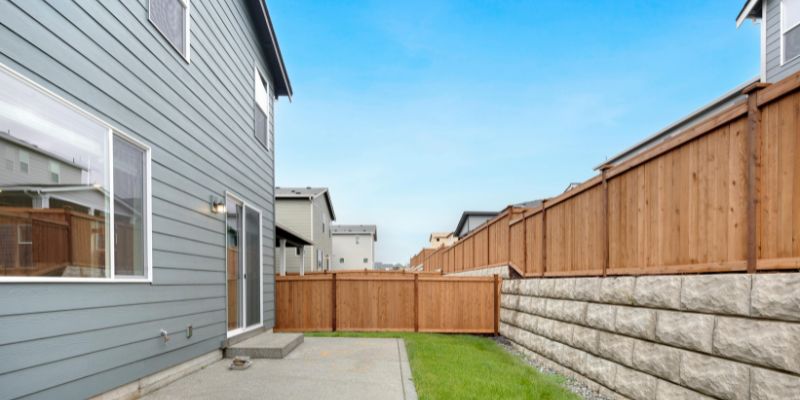
Choosing between a fir and cedar fence is a common decision for homeowners. Both offer beautiful natural aesthetics and durability, but they have distinct differences in cost, maintenance, and resistance to decay and insects. Understanding these differences will help you select the best wood for your fencing project, ensuring it looks great and lasts for years. This guide will break down everything you need to know to make an informed choice for your backyard.
Why Wood Fencing is a Great Choice
Wood fences are a fantastic option for many homeowners. They provide privacy, security, and a classic, natural beauty that complements any landscape. Unlike vinyl or metal, wood offers a warm, inviting look and can be stained or painted to match your home’s style. Plus, working with wood is incredibly satisfying for DIY enthusiasts! It’s a tangible way to add value and curb appeal to your property.
Understanding Your Wood Choices: Fir vs. Cedar
When you’re looking to build or replace a fence, you’ll often see two popular wood options: fir and cedar. Both are beautiful, natural materials, but they have different strengths and weaknesses. Think of them as two great tools in your woodworking toolbox – each is best suited for specific jobs. Let’s dive into what makes each one special so you can pick the perfect fit for your yard.
What is Fir Wood?
Fir lumber, particularly Douglas fir, is a widely available and strong softwood. It’s known for its good structural properties and a relatively smooth, consistent grain. You’ll find fir used in many construction projects, from framing houses to building furniture. For fences, it offers a more budget-friendly option compared to some other woods.
What is Cedar Wood?
Cedar, especially Western Red Cedar, is a premium softwood prized for its natural beauty and incredible durability. It has a distinct, pleasant aroma and a rich, varied grain pattern that many find very attractive. Cedar’s natural oils make it highly resistant to rot, decay, and insect infestations, which is why it’s a top choice for outdoor projects.
Fir vs Cedar Fence: A Detailed Comparison
To help you decide, let’s compare fir and cedar across several key factors. This will give you a clear picture of which wood might be the better investment for your specific needs.
Durability and Lifespan
Durability is a major factor when choosing fence materials. You want something that can withstand the elements – sun, rain, snow, and wind – for many years.
- Fir: Fir is a strong wood, but it’s not naturally as resistant to moisture and insects as cedar. Without proper treatment and regular maintenance (like sealing and staining), a fir fence can be more susceptible to rot and insect damage, potentially shortening its lifespan. With good care, a fir fence can last 10-15 years.
- Cedar: Cedar’s natural oils and tannins make it inherently resistant to decay, rot, and insect attack. This means cedar fences often last significantly longer than fir, typically 15-25 years or even more with proper care. Its ability to withstand moisture without easily decaying is a huge advantage for outdoor use.
Cost
Budget is often a primary consideration for any project.
- Fir: Fir is generally more affordable than cedar. If you’re working with a tighter budget, fir can be a very attractive option. The initial material cost will be lower, making it a popular choice for large fencing projects where cost savings are significant.
- Cedar: Cedar is typically more expensive upfront. Its higher cost reflects its superior natural durability and aesthetic qualities. While the initial investment is higher, many homeowners find that the longer lifespan and reduced maintenance of cedar make it a worthwhile long-term investment.
Maintenance Requirements
How much time and effort are you willing to put into keeping your fence looking its best?
- Fir: Fir fences require more frequent maintenance to protect them from the elements. It’s highly recommended to seal and stain a fir fence every 1-2 years to prevent moisture absorption, warping, and decay. Regular cleaning and checking for any signs of insect activity are also important.
- Cedar: While cedar is naturally resistant, regular maintenance will still prolong its life and preserve its beauty. Applying a sealant or stain every 2-3 years can help maintain its color and provide an extra layer of protection against UV rays and moisture. If left untreated, cedar will weather to a silvery-gray color, which many find appealing, but it will still benefit from occasional cleaning.
Aesthetics and Appearance
The look of your fence contributes significantly to your home’s curb appeal.
- Fir: Fir has a clean, straight grain and a light brown to reddish-brown color. It provides a pleasant, natural look and takes stains and paints well, offering flexibility in design. Its appearance is classic and versatile.
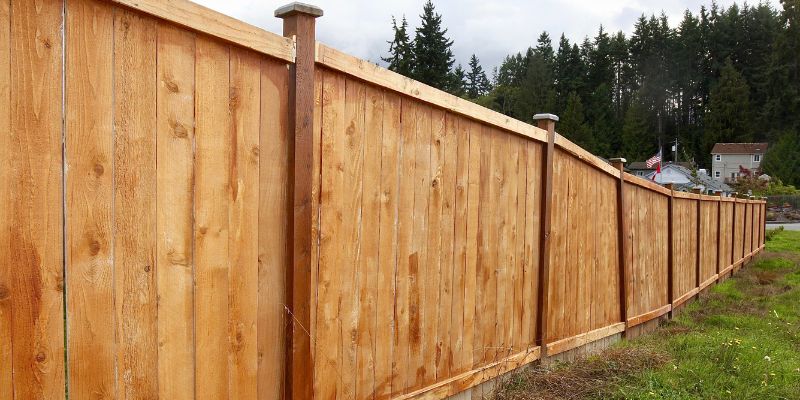
- Cedar: Cedar is renowned for its rich, warm color variations, ranging from light yellow to deep reddish-brown. It often features a more prominent, beautiful grain pattern, and its natural aroma is a bonus. Cedar offers a premium, natural aesthetic that many homeowners find highly desirable.
Resistance to Insects and Rot
This is where cedar truly shines.
- Fir: Fir lumber is not naturally resistant to insects like termites or carpenter ants, nor is it as resistant to rot and decay as cedar. It will benefit greatly from pressure treatment or the application of protective finishes to enhance its durability against these threats.
- Cedar: Cedar contains natural oils and extractives (like thujaplicins and other phenolic compounds) that act as natural preservatives. These compounds make it highly resistant to rot, decay, and most common wood-boring insects. This inherent resistance is a major reason for its longevity outdoors. You can learn more about wood preservatives from the U.S. Forest Products Laboratory, a leading research institution in wood science.
Environmental Impact and Sustainability
For many, how sustainably a product is sourced is important.
- Fir: Douglas fir is a plentiful and fast-growing species, making it a sustainable choice when sourced from responsibly managed forests. Many fir products are certified by organizations like the Forest Stewardship Council (FSC).
- Cedar: Cedar, particularly Western Red Cedar, is also sourced from well-managed forests and is considered a sustainable building material. Its natural resistance means it may require fewer chemical treatments, further enhancing its environmental profile.
Fir vs Cedar Fence: Key Differences at a Glance
Here’s a handy table summarizing the main differences between fir and cedar fences to help you make a quick comparison.
| Feature | Fir Fence | Cedar Fence |
|---|---|---|
| Durability | Good, but less resistant to rot/insects | Excellent, naturally resistant to rot/insects |
| Lifespan | 10-15 years (with good care) | 15-25+ years (with good care) |
| Cost | More Affordable | More Expensive |
| Maintenance | Requires more frequent sealing/staining (1-2 years) | Requires less frequent sealing/staining (2-3 years) |
| Appearance | Clean, straight grain; light brown/reddish | Rich color variations, prominent grain, pleasant aroma |
| Insect/Rot Resistance | Low (benefits from treatment) | High (natural oils/extractives) |
| Workability | Easy to cut and fasten | Easy to cut and fasten, though can be slightly softer |
Building Your Fence: Tips for Both Fir and Cedar
Whether you choose fir or cedar, proper construction and finishing are key to a long-lasting and beautiful fence. Here are some tips to help you achieve great results.
Preparation is Key
Before you start building, ensure you have all your materials and tools ready. For either wood, make sure the lumber is dry. If you’re using pressure-treated fir, ensure it’s rated for ground contact if your posts will be directly in the soil.
Cutting and Fastening
Both fir and cedar are relatively easy to work with. Use sharp saw blades for clean cuts. When fastening, use corrosion-resistant screws or nails, especially for outdoor projects. Stainless steel or galvanized fasteners are excellent choices to prevent rust streaks, which can stain the wood over time.
Finishing and Protection
This is where the maintenance advice comes in. For fir, a good quality exterior wood sealant or stain is crucial from the start. For cedar, while it can be left natural, applying a clear sealant or a stain that enhances its natural color will protect it from UV damage and keep it looking its best for longer. Always follow the manufacturer’s instructions for application.
For an in-depth guide on protecting your wood projects, check out resources from the U.S. Environmental Protection Agency (EPA) on wood preservatives and their safe use.
When to Choose Fir
Fir is an excellent choice if:
- You have a strict budget and need a more cost-effective solution.
- You don’t mind committing to more frequent maintenance (sealing/staining) to ensure longevity.
- You plan to paint your fence, as fir provides a smooth surface that takes paint very well.
- You’re looking for a solid, reliable wood that’s easy to find and work with.
When to Choose Cedar
Cedar is the better option if:
- Your priority is maximum durability and a longer lifespan for your fence.
- You prefer a naturally beautiful wood with rich color and a pleasant aroma.
- You want to minimize maintenance and are willing to invest a bit more upfront for long-term savings.
- You’re building in an area with high moisture or significant insect activity.
- You appreciate the inherent beauty of wood and want it to weather naturally over time.
Frequently Asked Questions (FAQ)
Here are answers to some common questions beginner woodworkers have about fir and cedar fences.
Q1: Is cedar significantly better than fir for outdoor fences?
Yes, generally cedar is considered better for outdoor fences due to its natural resistance to rot, decay, and insects, thanks to its natural oils. This makes it last longer and require less chemical treatment compared to fir. However, fir is still a viable option if properly maintained.
Q2: Can I mix fir and cedar posts with cedar fence boards?
You can, but it’s often recommended to use cedar for both posts and boards for maximum longevity, as posts are in constant contact with the ground and moisture. If using fir posts, ensure they are pressure-treated for ground contact and consider using a post protector. Cedar boards on fir posts are common, but the posts will likely need replacement sooner than the boards.
Q3: How often should I seal or stain a fir fence?
For optimal protection and longevity, a fir fence should be sealed or stained every 1 to 2 years. This helps prevent moisture absorption, which can lead to warping, cracking, and rot.
Q4: Will a cedar fence turn gray if I don’t stain it?
Yes, if left untreated, cedar will naturally weather to a beautiful silvery-gray color. This is a cosmetic change, and the wood’s natural resistance to rot and insects will remain. Many people prefer this natural weathered look.
Q5: Is fir wood prone to warping?
All wood can warp if exposed to inconsistent moisture levels. Fir, being less naturally resistant to moisture than cedar, might be slightly more prone to warping if not properly sealed and maintained, especially if one side is exposed to more moisture or sun than the other.
Q6: What is the most affordable option for a wooden fence?
Generally, fir wood is more affordable than cedar. Pressure-treated pine is also often a very budget-friendly option, though it has its own set of considerations regarding chemicals and appearance.
Q7: Are there any special tools needed for cedar or fir fencing?
No special tools are typically required beyond standard woodworking tools like a saw (circular saw or miter saw), drill, measuring tape, level, and fasteners. Ensure you have sharp blades for clean cuts, which is always good practice with any wood.
Conclusion
Choosing between a fir and cedar fence is a decision that balances budget, desired aesthetics, and long-term durability. Fir offers a more budget-friendly entry into natural wood fencing, providing a solid structure that can be customized with paint or stain. It’s a great choice for those who are prepared for more frequent maintenance to keep it looking its best.
On the other hand, cedar stands out for its inherent beauty and remarkable resistance to the elements, insects, and decay. While it comes with a higher initial cost, its extended lifespan and reduced maintenance needs often make it a more economical and less labor-intensive choice over the years. The rich color and natural aroma of cedar add a touch of natural luxury to any property.
Ultimately, both woods can create a beautiful and functional fence. By understanding their unique properties and considering your personal priorities, you can confidently select the wood that will best serve your needs and enhance your home for years to come. Happy building!