Flat Finish vs Matte Finish: Genius Choice
Choosing between a flat finish and a matte finish for your woodworking projects is simpler than you think! Both offer a non-reflective look, but a flat finish is the ultimate in subtle elegance with zero sheen, while a matte finish provides a soft, low sheen that still reduces glare beautifully. Your “genius choice” depends on the specific look and durability you need.
Choosing Your Wood Finish: Flat vs. Matte Explained
Picking the right finish for your woodworking project can feel like a big decision. You want your hard work to look its best, and the finish plays a huge role in that. Two popular choices that often get people thinking are flat finishes and matte finishes. They both aim to reduce shine, but there’s a subtle difference that can make a world of difference in your project’s final appearance. Don’t worry if you’re a bit unsure; it’s a common question for woodworkers of all levels! We’ll break down exactly what each finish offers, how they compare, and how you can make the perfect choice for your next creation. Get ready to give your projects that professional, polished look you’ve been aiming for!
Understanding Wood Finishes: Beyond Just Protection
Wood finishes do more than just protect the beautiful wood you’ve worked so hard on. They also enhance its natural grain, add depth of color, and, crucially, dictate the final sheen or reflectivity of the surface. For beginners, the world of finishes can seem a bit overwhelming with terms like satin, semi-gloss, high-gloss, and then, of course, flat and matte. Understanding the nuances between these terms is key to achieving the aesthetic you envision for your furniture, decor, or any other woodworking project.
The goal of many DIYers is to achieve a sophisticated look that doesn’t scream “I’m finished!” Instead, they aim for a natural, understated elegance. This is where flat and matte finishes shine. They are perfect for achieving a sophisticated, non-reflective surface that highlights the wood’s natural beauty without distracting glare. Let’s dive into what makes each unique.
What is a Flat Finish? The Ultimate in Subtlety
A flat finish, often simply called “flat” or “ultra-matte,” is the least reflective type of finish available. Think of it as the ultimate in subtlety. When you apply a truly flat finish, it absorbs light rather than reflecting it. This means you won’t see any shine or glare, even under direct lighting. The surface will appear smooth, natural, and almost like the wood itself, but with added protection.
The primary characteristic of a flat finish is its near-complete lack of sheen. It’s designed to look as natural as possible, minimizing any visual distraction from the wood grain or the project’s design. This makes it an excellent choice for projects where you want the wood’s texture and color to be the star, without any interference from surface reflection.
For a deeper understanding of different sheen levels and how they affect wood appearance, resources from organizations like the Forest Products Laboratory, part of the U.S. Forest Service, offer valuable insights into wood properties and treatments.
Pros of a Flat Finish:
- Ultimate Non-Reflective Look: Perfect for a natural, almost raw wood appearance.
- Hides Imperfections: The lack of shine can help mask minor surface blemishes or dust specks that might be more visible on glossier finishes.
- Modern Aesthetic: Often associated with contemporary and minimalist design styles.
- Easy to Apply: Generally straightforward to apply evenly, especially water-based options.
Cons of a Flat Finish:
- Durability Concerns: Can sometimes be less durable and more prone to staining or scuffing than finishes with a slight sheen.
- Cleaning Can Be Tricky: Because it’s so porous-looking, tougher stains might be harder to remove without damaging the finish.
- Touch-ups May Show: If you need to touch up a spot, it can be harder to blend seamlessly without leaving a visible difference in sheen.
What is a Matte Finish? Soft Sheen, Sophisticated Look
A matte finish is very similar to a flat finish, but it typically has a very slight, almost imperceptible sheen. It’s designed to reduce glare and provide a soft, velvety appearance. While it’s not entirely reflective like satin or gloss finishes, you might notice a very subtle luminosity under certain lighting conditions. Think of it as a sophisticated, low-sheen look that still feels very natural.
Matte finishes offer a balance between a completely flat surface and a slightly reflective one. They provide a touch of depth and sophistication without the distracting glare that higher sheens can create. This makes them incredibly versatile for a wide range of woodworking projects, from rustic farmhouse tables to sleek modern cabinetry.
The term “matte” itself suggests a dull surface, meaning it doesn’t reflect light brightly. This is achieved through specific additives in the finish that disrupt the smooth surface at a microscopic level, scattering light rather than reflecting it directly. For more on the science behind coatings and finishes, exploring resources from industry associations like the American Coatings Association can provide deeper technical context.
Pros of a Matte Finish:
- Low Sheen, Elegant Look: Offers a sophisticated appearance that’s less stark than flat.
- Good Balance of Protection: Often provides a bit more durability and stain resistance than a true flat finish.
- Easier to Clean: The slight sheen can make it a bit more resistant to staining and easier to wipe clean.
- Subtle Depth: Can add a touch of dimension to the wood grain.
Cons of a Matte Finish:
- Slight Reflectivity: If you absolutely need zero shine, this might not be the choice.
- Can Be Harder to Find Truly “Matte”: Some products labeled “matte” might lean slightly more towards a satin finish.
- Application Needs Care: Like any finish, even application is key to avoid streaks or an uneven sheen.
Flat Finish vs. Matte Finish: A Direct Comparison
When you’re standing in the aisle at the hardware store, or scrolling through online options, the terms “flat” and “matte” can be confusing. While they both aim for a non-shiny look, understanding their subtle differences is key to making the “genius choice” for your project. The main distinction lies in the degree of reflectivity.
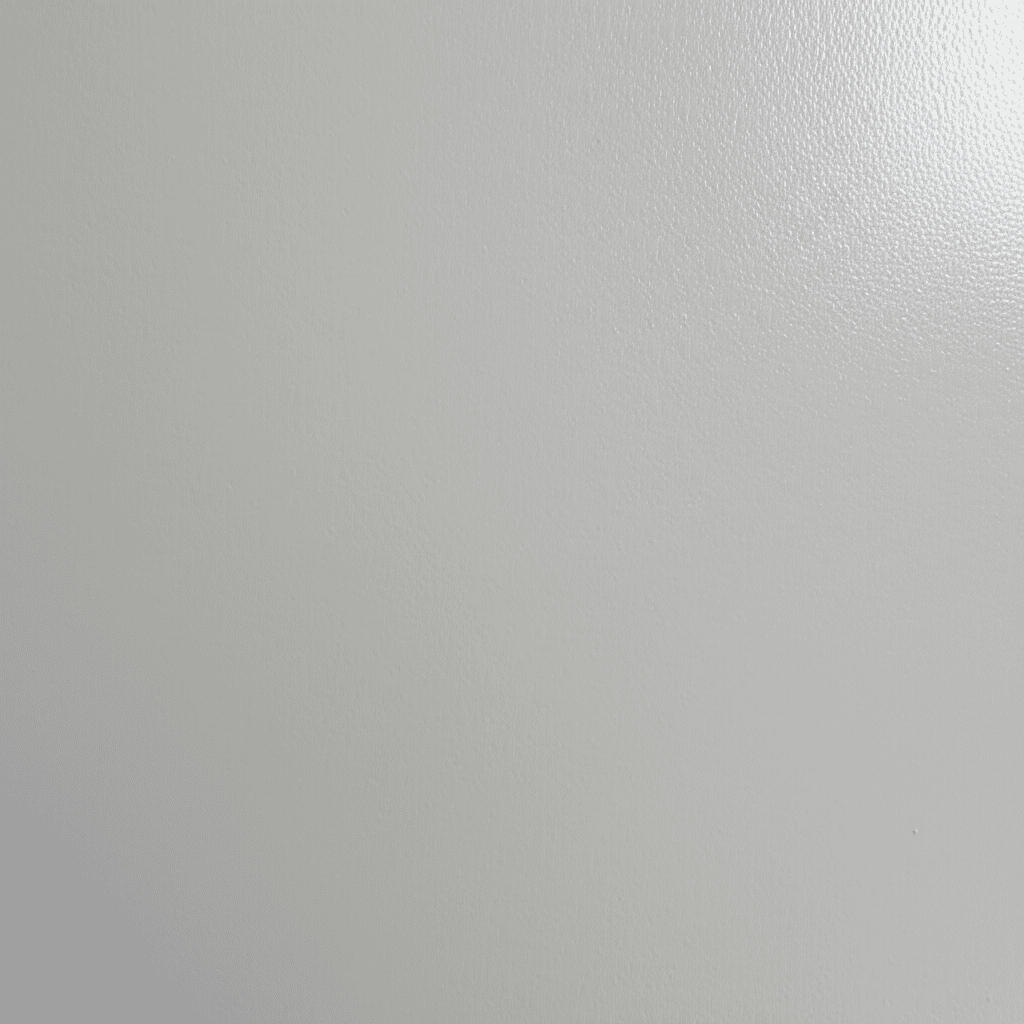
A flat finish is designed to be completely non-reflective. It absorbs light, giving the wood a very natural, almost raw appearance. A matte finish, on the other hand, has a very low sheen. It reduces glare significantly but might still have a hint of light reflection, giving it a soft, velvety look. This subtle difference can impact how the wood grain appears and how the project looks under different lighting conditions.
Here’s a table to help visualize the key differences:
| Feature | Flat Finish | Matte Finish |
|---|---|---|
| Sheen Level | Zero to negligible sheen | Very low sheen, soft reflection |
| Light Reflection | Absorbs light, no glare | Minimal glare, soft diffusion of light |
| Appearance | Natural, raw wood look | Soft, velvety, sophisticated |
| Durability (General) | Can be less durable, more prone to staining | Often offers slightly better durability and stain resistance |
| Best For | Projects where absolute natural look is desired, hiding imperfections | Projects needing a sophisticated, low-sheen look with good protection |
| Cleaning | Can be more difficult to clean tough stains | Generally easier to wipe clean |
Think of it this way: if you want your wood to look like it’s just been sanded and protected with absolutely no added shine, go flat. If you want that same natural feel but with a whisper of sophistication and a bit more resilience, matte is your go-to.
Factors to Consider for Your “Genius Choice”
Making the right choice between a flat and a matte finish isn’t just about personal preference; it also depends on the specific project, its intended use, and the type of wood you’re working with. Considering these factors will help you select the finish that not only looks great but also performs well.
1. The Desired Aesthetic
This is the most significant factor. Do you want the wood to look as untouched as possible, with absolutely no hint of gloss? If so, a flat finish is your winner. If you prefer a soft, elegant look that still has a touch of depth and isn’t completely devoid of light interaction, a matte finish might be better. For instance, a reclaimed wood project might benefit from a flat finish to emphasize its rustic, unvarnished character, while a modern dining table might look stunning with a matte finish, offering a sophisticated touch.
2. Project Location and Use
Consider where the project will be placed and how it will be used. If the piece will be in a high-traffic area, like a kitchen countertop or a child’s toy box, durability and ease of cleaning become more important. A matte finish often provides a better balance of aesthetics and practicality in these situations. For decorative items that won’t see much wear and tear, like wall art or a display cabinet, a flat finish might be perfectly suitable.
3. Type of Wood
Different wood species have different grain patterns and natural colors. Some woods, like oak or walnut, have a prominent grain that can look fantastic with a flat finish, allowing the natural texture to dominate. Other woods, like maple or cherry, have a finer grain that can be beautifully enhanced by the subtle sheen of a matte finish, adding a touch of warmth and depth.
4. Lighting Conditions
The way light interacts with a surface is crucial. In rooms with very bright, direct lighting, a flat finish will perform best by preventing any distracting glare. If the lighting is more ambient or diffused, a matte finish will still look great without producing noticeable reflections. Test your chosen finish in the intended environment if possible.
5. Ease of Application and Maintenance
For beginners, ease of application is paramount. Both flat and matte finishes are generally easier to apply than high-gloss finishes, as they are more forgiving with minor imperfections. However, as mentioned, matte finishes can sometimes be slightly easier to clean and maintain over time due to their minimal sheen. Always follow the manufacturer’s instructions for application and curing.
Application Tips for Flat and Matte Finishes
Getting a beautiful, even finish is one of the most rewarding parts of woodworking. Whether you choose flat or matte, applying it correctly will make all the difference. These finishes are generally forgiving, but a few key steps will ensure your project looks its absolute best.
Preparation is Key
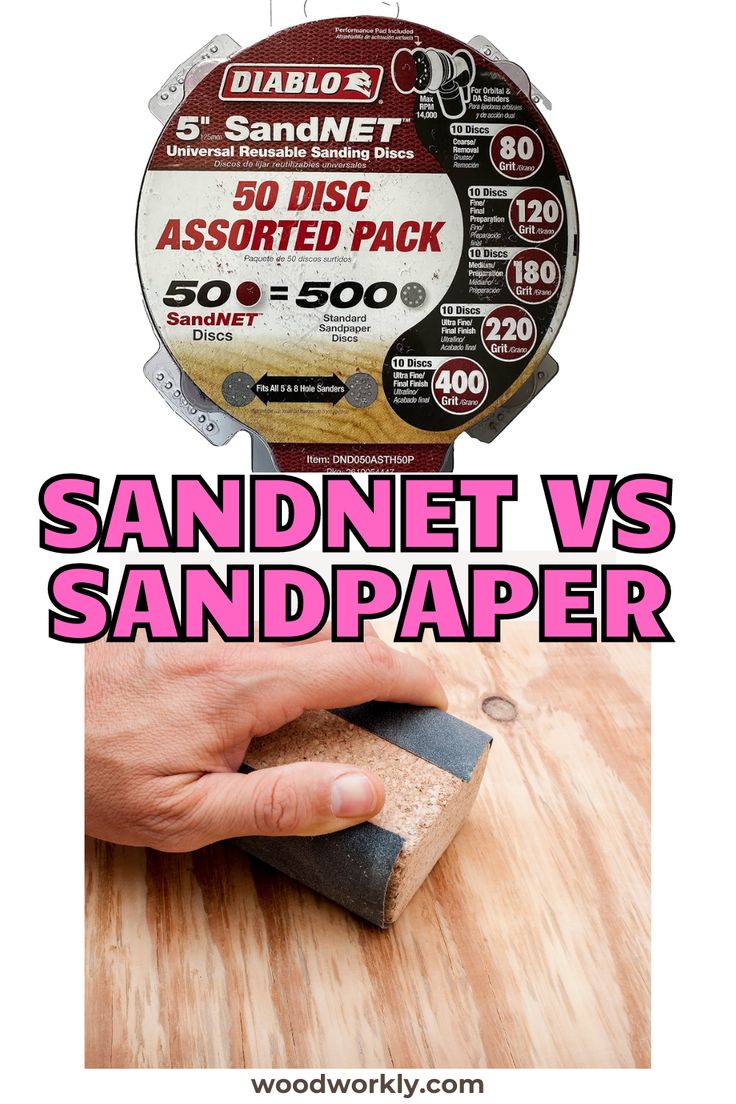
No matter the finish, proper preparation is non-negotiable. Start by sanding your project surfaces smooth. For a flat or matte finish, aim for a fine grit, usually 220 or higher. Ensure all dust is removed thoroughly. A tack cloth is your best friend here, as it picks up even the finest dust particles that a brush or vacuum might miss. A clean surface is essential for an even finish.
Choose Your Application Method
You have several options for applying your finish:
- Brushing: This is a classic method. Use a high-quality synthetic brush for water-based finishes or natural bristle for oil-based ones. Apply thin, even coats, working with the grain. Avoid over-brushing, which can create bubbles.
- Wiping: Many finishes, especially oil-based ones or specific wiping varnishes, can be applied with a lint-free cloth. Apply a thin coat, let it penetrate for a few minutes, and then wipe off the excess. This method often builds color and protection gradually.
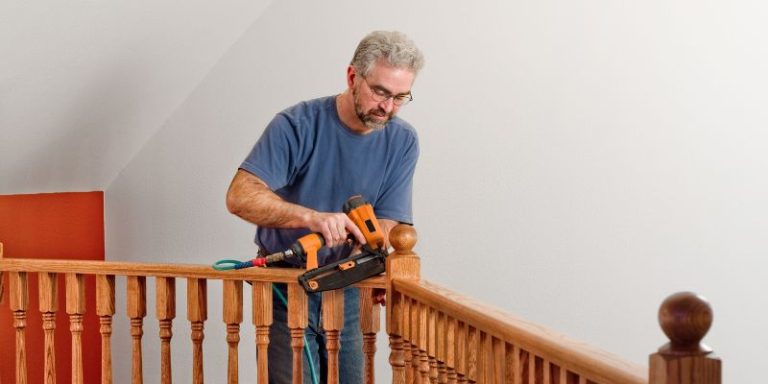
- Spraying: For the smoothest, most professional finish, spraying is ideal. This requires a spray gun and compressor. It allows for very thin, even coats but has a steeper learning curve and requires proper ventilation and safety gear.
Applying Thin Coats
This is perhaps the most crucial tip for any finish, especially flat and matte ones. Applying multiple thin coats is always better than one thick coat. Thin coats dry more evenly, reduce the risk of drips and runs, and build up a more durable finish over time. Allow each coat to dry completely according to the manufacturer’s recommendations before applying the next. Lightly sanding with very fine grit sandpaper (320-400) between coats can help with adhesion and smoothness, but be sure to remove all dust afterward.
Dealing with Sheen Variations
Even with flat and matte finishes, you might encounter slight variations in sheen if coats are applied unevenly. If you notice an area that looks slightly shinier or duller after drying, you can sometimes correct it by applying a very light, even coat over the entire surface. For minor imperfections on a dried coat, a very gentle scuff-sanding with 0000 steel wool or a fine synthetic abrasive pad, followed by a tack cloth, can help blend the sheen before the next coat.
Curing vs. Drying Time
Pay attention to the difference between drying time and curing time. A finish might feel dry to the touch within a few hours, but it can take days or even weeks to fully cure and reach its maximum hardness and durability. Avoid heavy use or aggressive cleaning of your project until it has fully cured to prevent damage.
Common Wood Finishes and Their Sheen Levels
To truly appreciate where flat and matte finishes fit in, it’s helpful to see them in context with other common wood finishes. Each finish offers a different level of reflectivity, influencing the final look and feel of your woodwork.
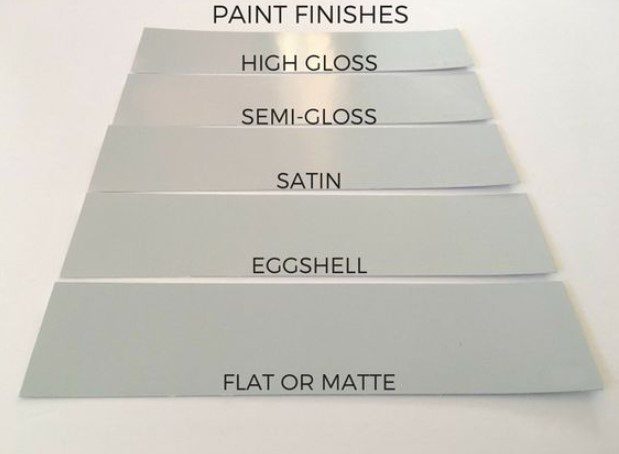
Understanding the spectrum of sheens helps you make a more informed decision. It’s not just about protection; it’s about the visual impact. A high-gloss finish can make wood pop with dramatic reflections, while a flat finish aims for the opposite. Matte and satin finishes fall somewhere in between, offering varying degrees of subtle reflection.
Here’s a breakdown of common wood finishes and their typical sheen levels, often measured in Gloss Units (GU) on a 60-degree meter:
| Finish Type | Typical Sheen Level (Gloss Units) | Visual Description | Best For |
|---|---|---|---|
| Flat/Matte | 0-15 GU | No reflection, absorbs light, natural look | Rustic projects, modern minimalist designs, hiding imperfections |
| Satin | 20-40 GU | Low sheen, soft reflection, slightly more depth than matte | Versatile for most furniture, tables, cabinets; balances looks and durability |
| Semi-Gloss | 50-70 GU | Noticeable sheen, reflects light moderately, easier to clean | Cabinet doors, trim, high-wear surfaces; offers good durability |
| Gloss | 80-95 GU | High reflection, mirror-like finish, highlights grain dramatically | Accent pieces, tabletops, projects where a high-impact shine is desired |
As you can see, flat and matte finishes occupy the very lowest end of the sheen spectrum. They are the champions of subtlety, providing protection without adding any visual “noise” from light reflection. Satin finishes offer a slight step up, providing a gentle sheen that can add warmth and depth, while semi-gloss and gloss finishes become progressively more reflective.
Frequently Asked Questions (FAQ)
Q1: Can I make a regular finish flatter?
Yes, you can! Many finish manufacturers offer “flattening agents” or “matting agents” that you can add to standard finishes (like varnish or lacquer) to reduce their sheen. Always follow the manufacturer’s instructions carefully, as adding too much can weaken the finish. This is a great way to experiment if you can’t find a pre-made flat or matte product in the specific type of finish you want to use.
Q2: Which finish is more durable, flat or matte?
Generally, finishes with a slight sheen (like matte or satin) tend to be a bit more durable and resistant to staining and scuffing than truly flat finishes. The microscopic texture that creates the flat appearance can sometimes make the surface more porous. However, advancements in finish technology mean that many modern flat and matte finishes offer excellent durability. Always check the product’s specifications and intended use.
Q3: How do I choose between flat and matte if I’m unsure?
If you’re on the fence, consider the overall look you’re going for. If you want the wood to look as natural and untouched as possible, lean towards flat. If you want that natural look but with a subtle, sophisticated softness and a tiny bit more protection, go for matte. You can also buy small sample cans of both and test them on scrap pieces of your wood to see how they look in your lighting conditions.
Q4: Are flat and matte finishes hard to apply for beginners?
No, both flat and matte finishes are generally considered beginner-friendly! They are more forgiving than high-gloss finishes because minor imperfections or slight variations in application are less noticeable due to the lack of shine. The key is to apply thin, even coats and ensure proper surface preparation.
Q5: Will a flat finish hide wood grain better than a matte finish?
Both flat and matte finishes are excellent at minimizing distracting glare, which allows the wood grain to be seen more clearly without harsh reflections. Neither finish will “hide” the grain in the way a thick paint would. If you want the grain to be the absolute focal point without any sheen interfering, a flat finish might have a slight edge due to its complete lack of reflectivity. However, the difference is often very subtle.
Q6: Can I use a flat finish on an exterior project?
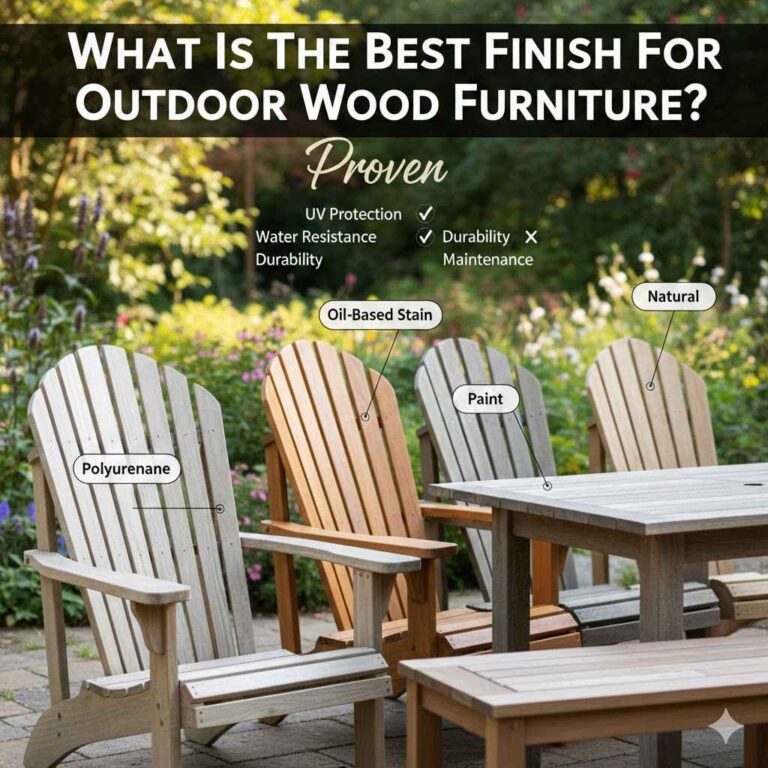
While some flat finishes are formulated for exterior use, many are intended for interior projects. Exterior finishes need to withstand UV radiation, moisture, and temperature fluctuations. Always check the product label to ensure it is rated for exterior use. If you are using an interior-specific flat or matte finish outdoors, it will likely degrade quickly and may not offer adequate protection.
Q7: How do I clean a project finished with a flat or matte finish?
For everyday cleaning, a soft, damp cloth is usually sufficient for both flat and matte finishes. Avoid abrasive cleaners or harsh chemicals, as they can damage the finish. For tougher spots, try a mild soap solution. It’s best to wipe up spills immediately, especially on flat finishes, as they can be more prone to staining than finishes with a slight sheen.
Conclusion: Your “Genius Choice” Awaits
Choosing between a flat finish and a matte finish for your woodworking projects is a fantastic step towards achieving that professional, polished look you desire. Both options offer a beautiful, non-reflective surface that lets your wood’s natural beauty shine through. Remember, the “genius choice” is the one that best suits your project’s purpose, its environment, and your personal aesthetic vision.
If absolute subtlety and a look that’s as close to raw wood as possible is your goal, a flat finish is your perfect match. It’s the ultimate in understated elegance and is fantastic for minimizing imperfections. On the other hand, if you’re looking for that same natural feel but with a touch of sophisticated softness and a bit more resilience against daily wear and tear, a matte finish offers that ideal balance. It provides a gentle, velvety sheen that adds depth without glare.
No matter which you choose, proper preparation, thin coats, and careful application will ensure your project is protected and looks stunning for years to come. Don’t be afraid to test on scrap pieces first – seeing the finishes firsthand on your specific wood is the best way to make your final decision. Now go forth and finish your projects with confidence. Happy woodworking!