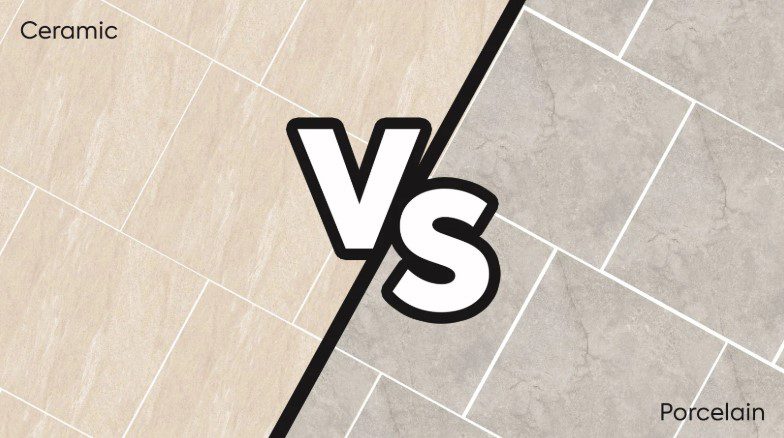
Flooring Porcelain vs Ceramic: Essential Guide
Porcelain vs. Ceramic Flooring: Porcelain is denser, less porous, and more durable, making it ideal for high-traffic areas and outdoors. Ceramic is more affordable and easier to cut, suitable for moderate-traffic indoor spaces. Both offer beautiful aesthetics.
Choosing the right flooring can feel like a big decision, especially when you’re just starting out. You see beautiful tiles everywhere, but what’s the real difference between porcelain and ceramic? It can be confusing, and picking the wrong one might lead to chipped tiles or water damage down the line. Don’t worry, though! I’m here to break it down for you in a way that makes perfect sense. We’ll explore what makes these tiles tick, their pros and cons, and how to pick the best one for your project. Get ready to feel confident in your choice!
Understanding Tile Basics: The Foundation of Your Choice
Before we dive into the porcelain versus ceramic debate, let’s get a grasp on what tile actually is. Tile, at its core, is a manufactured piece of hard-wearing material such as ceramic, stone, metal, or even glass. For flooring, we most commonly encounter ceramic and porcelain, which are both made from clay fired in a kiln. The magic happens during this firing process, which transforms the clay into a hard, durable material. The key differences between porcelain and ceramic tiles lie in the specific types of clay used, the firing temperature, and the manufacturing process, all of which impact their final properties. Understanding these basics will help you appreciate why one might be a better fit for your needs than the other.
What Makes Porcelain Tile Stand Out?
Porcelain tiles are a type of ceramic tile, but they’re made using a finer, denser blend of clay and feldspar. This special mix is fired at much higher temperatures – typically over 1,200°C (2,200°F). This intense heat vitrifies the tile, meaning it becomes glass-like and incredibly hard. This process results in a tile that is significantly less porous than standard ceramic.
Think of it like this: imagine a sponge versus a very dense rock. Ceramic is more like the sponge, capable of absorbing some moisture, while porcelain is the rock, barely absorbing anything. This low water absorption rate is a key characteristic that gives porcelain its impressive durability and resistance to stains and frost.
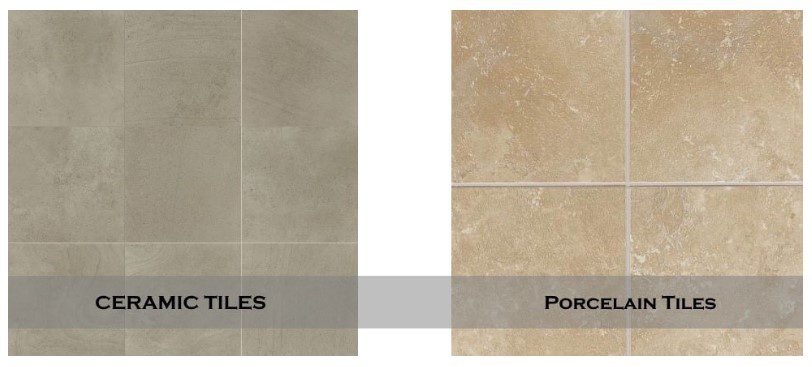
What Makes Ceramic Tile a Popular Choice?
Ceramic tiles are also made from clay, but they generally use a coarser clay mixture and are fired at lower temperatures than porcelain. After firing, they are typically glazed. This glaze is what gives ceramic tiles their color, pattern, and protective surface. The clay body of ceramic tile is usually more porous than porcelain, meaning it can absorb more water if the glaze is scratched or damaged.
Because they are less dense and fired at lower temperatures, ceramic tiles are generally softer and easier to cut than porcelain. This can make them a more budget-friendly and DIY-friendly option for certain applications. The vast array of styles, colors, and patterns available in ceramic tiles also makes them a go-to choice for many homeowners looking to add personality to their spaces.
Porcelain vs. Ceramic Flooring: A Side-by-Side Comparison
To make the decision clearer, let’s put porcelain and ceramic side-by-side. Understanding their strengths and weaknesses in key areas will help you pinpoint the best tile for your specific project.
Durability and Strength
This is where porcelain really shines. Due to its dense composition and high firing temperature, porcelain is significantly harder and less prone to chipping or cracking than ceramic. It can withstand heavy foot traffic, dropped items, and the general wear and tear of daily life with remarkable resilience.
Ceramic tiles, while still durable, are not as robust as porcelain. They are more susceptible to chipping, especially if a heavy object is dropped on a corner or edge. The glaze can also wear down over time in high-traffic areas, though modern ceramic glazes are quite resilient.
Water Absorption and Porosity
Porcelain tiles have a water absorption rate of 0.5% or less, as defined by the American Society for Testing and Materials (ASTM). This makes them virtually impervious to water and moisture. This low porosity is why porcelain is an excellent choice for bathrooms, kitchens, and even outdoor applications where they might be exposed to freezing temperatures.
Ceramic tiles typically have a water absorption rate between 0.5% and 3%. While this is still considered low for many applications, it means they are more susceptible to moisture damage if the glaze is compromised. For this reason, standard ceramic tiles are generally not recommended for areas with constant moisture exposure or for outdoor use in freezing climates.
Maintenance and Cleaning
Both porcelain and ceramic tiles are generally easy to clean and maintain. A simple sweep or vacuum followed by a damp mop with a mild cleaner is usually all that’s needed to keep them looking their best. Their non-porous or low-porosity nature means spills and stains typically sit on the surface, making them easy to wipe away.
However, if the glaze on a ceramic tile is chipped, the porous clay body underneath can be more difficult to clean and may absorb stains. Porcelain’s consistent density throughout the tile means that even if a chip occurs, the exposed material is still very durable and less likely to stain.
Cost
Generally, porcelain tiles tend to be more expensive than ceramic tiles. This is due to the more complex manufacturing process, the higher firing temperatures, and the denser, higher-quality raw materials used.
Ceramic tiles are typically more budget-friendly. Their simpler manufacturing process and less intensive firing requirements contribute to a lower price point, making them an attractive option for those working with a tighter budget.
Installation
Both types of tile can be installed using similar methods, but there are some differences to consider. Because porcelain is so dense and hard, it requires specialized cutting tools, such as a wet saw with a diamond blade. It’s also heavier than ceramic.
Ceramic tiles are softer and easier to cut, often manageable with a manual tile cutter. Their lighter weight also makes them a bit easier to handle during installation. For DIYers, ceramic might offer a slightly less challenging installation experience, especially if you’re new to tile cutting.
Appearance and Style
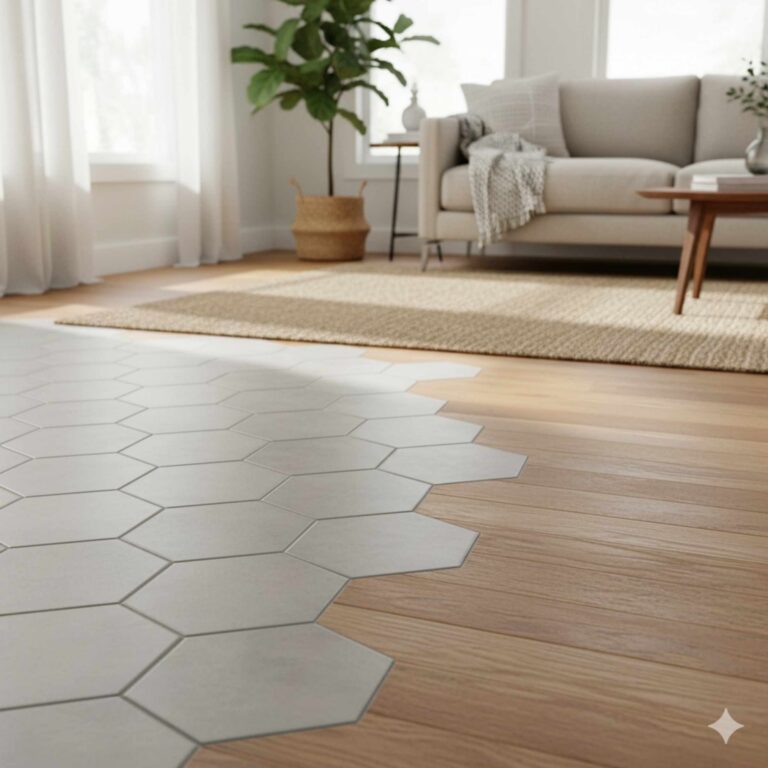
Both porcelain and ceramic tiles come in an astonishing variety of colors, patterns, and finishes. You can find tiles that mimic natural stone, wood, concrete, and a vast array of decorative designs.
Porcelain tiles are often chosen for their ability to replicate natural materials with great detail, especially in full-body porcelain where the color and pattern extend through the entire tile. This means that if a chip occurs, the visible color is consistent with the surface.
Ceramic tiles offer immense design flexibility. Glazes allow for a huge range of colors and intricate patterns that might be more difficult or expensive to achieve with porcelain.
Versatility and Application
Porcelain’s superior durability and water resistance make it suitable for a wider range of applications. It’s excellent for:
- High-traffic areas like entryways, kitchens, and hallways.
- Bathrooms and showers due to its low moisture absorption.
- Outdoor patios, walkways, and pool surrounds (ensure it’s rated for outdoor use).
- Commercial spaces with heavy foot traffic.
Ceramic tiles are best suited for:
- Areas with moderate foot traffic like living rooms and bedrooms.
- Kitchen backsplashes.
- Bathrooms where moisture is controlled.
- Walls in any room.
It’s generally not recommended for outdoor use in freezing climates or for very heavy-duty commercial applications.
Key Differences Summarized in a Table
To help you quickly compare, here’s a table highlighting the main distinctions between porcelain and ceramic flooring:
| Feature | Porcelain Tile | Ceramic Tile |
|---|---|---|
| Material Composition | Denser clay, feldspar, quartz | Coarser clay, other minerals |
| Firing Temperature | Very High (over 1,200°C / 2,200°F) | Lower |
| Water Absorption | 0.5% or less (impervious) | 0.5% – 3% (low to moderate porosity) |
| Durability | Very High; resistant to chipping, scratching | Good; more prone to chipping than porcelain |
| Frost Resistance | Excellent | Poor (unless specifically rated) |
| Weight | Heavier | Lighter |
| Ease of Cutting | More difficult; requires specialized tools | Easier; can often be cut with manual tools |
| Cost | Higher | Lower |
| Best Applications | High-traffic areas, kitchens, bathrooms, outdoors, commercial | Moderate-traffic areas, walls, backsplashes, residential bathrooms/kitchens |
Choosing the Right Tile for Your Project: Practical Tips
Now that you understand the differences, how do you make the final call? Here are some practical tips to guide you:
1. Consider the Location and Traffic
High-Traffic Areas: If you’re flooring a busy entryway, a family kitchen, or a commercial space, porcelain is the superior choice for its resilience.
Wet Areas: Bathrooms, laundry rooms, and showers benefit from porcelain’s low water absorption. While glazed ceramic can work in bathrooms, porcelain offers extra peace of mind.
Outdoor Spaces: Only porcelain (specifically rated for exterior use) should be considered for outdoor patios or walkways, especially in climates that experience freezing temperatures. Check for slip resistance ratings as well.
Low-Traffic Areas: Bedrooms or guest rooms with less foot traffic might be perfectly happy with durable ceramic tiles.
2. Think About Your Budget
If budget is a primary concern, ceramic tiles offer a more affordable entry point. You can still achieve beautiful results without breaking the bank.
If you have a bit more to spend and prioritize long-term durability and resistance to wear, porcelain is a worthwhile investment.
3. Evaluate Installation Complexity
Are you a DIY enthusiast comfortable with specialized tools like a wet saw? If so, installing porcelain is manageable.
If you’re new to tiling or prefer a slightly easier cutting process, ceramic might be more forgiving.
4. Don’t Forget Style!
Both porcelain and ceramic offer endless design possibilities. Browse samples, look at inspiration photos, and consider the overall aesthetic you want to achieve.
For replicating natural materials like wood or stone with exceptional realism, porcelain often has an edge due to its manufacturing capabilities.
5. Check for Ratings and Certifications
PEI Rating (Porcelain Enamel Institute): This rating indicates the durability of the glaze on ceramic and porcelain tiles. A PEI rating of 0-2 is for walls only, 3 is for light residential traffic, 4 is for moderate residential traffic, and 5 is for heavy residential or commercial traffic.
Water Absorption: As mentioned, look for porcelain with a water absorption rate of 0.5% or less.
Slip Resistance: Especially important for bathrooms and outdoor areas. Look for tiles with a good coefficient of friction (COF) rating. The Ceramic Tile Institute of America (CTIOA) provides valuable information on tile standards.
Installation Considerations for Both Tile Types
While the basic steps for installing both porcelain and ceramic tiles are similar, there are a few key differences to keep in mind, especially for beginners.
Tools You’ll Need (General):
Measuring Tape and Pencil: For accurate layout.
Tile Saw: A wet saw with a diamond blade is essential for porcelain and highly recommended for precise cuts on ceramic. A manual tile cutter can work for simpler ceramic cuts.
Notched Trowel: To apply the adhesive (thin-set mortar).
Level: To ensure your tiles are laid flat.
Tile Spacers: To maintain consistent grout lines.
Grout Float: To spread grout into the joints.
Sponge and Bucket: For cleaning up excess grout.
Safety Glasses and Gloves: Essential for protection.
Backer Board or Underlayment: Depending on your subfloor.
Specific Tips for Porcelain Installation:
Wet Saw is a Must: Don’t attempt to cut porcelain with a manual cutter. You’ll likely chip the tile or break your tool. A good quality wet saw is an investment for porcelain projects.
Use the Right Adhesive: Ensure your thin-set mortar is rated for porcelain tile, as it requires a strong bond.
Heavy Lifting: Porcelain tiles are heavy. If you’re tiling a large area, consider having a helper.
Layout is Crucial: Because porcelain is harder to cut, planning your layout carefully to minimize difficult cuts is even more important.
Specific Tips for Ceramic Installation:
Manual Cutter Option: For straight cuts on thinner ceramic tiles, a manual snap cutter can be sufficient and easier to use for beginners.
Adhesive Choice: Standard thin-set mortar is usually suitable for ceramic tiles.
* Lighter to Handle: Ceramic is lighter and easier to maneuver, which can be a plus for DIYers.
For a more in-depth look at tiling installation, resources like those from the National Kitchen & Bath Association (NKBA) or the Tile Council of North America (TCNA) offer comprehensive guides and best practices.
Frequently Asked Questions (FAQ)
Q1: Is porcelain tile really worth the extra cost over ceramic?
For high-traffic areas, bathrooms, kitchens, or outdoor use, yes, the extra cost of porcelain is often justified by its superior durability, water resistance, and longevity. It’s an investment that can save you from premature wear and tear.
Q2: Can I use ceramic tile in my bathroom?
Yes, you can use ceramic tile in your bathroom, especially on walls and floors where moisture is managed. However, porcelain is generally preferred for bathroom floors due to its lower porosity, making it more resistant to water damage and potential staining if spills aren’t wiped up immediately.
Q3: What’s the difference between glazed ceramic and porcelain?
Both can be glazed. The key difference is the clay body. Porcelain uses a denser, finer clay fired at higher temperatures, making it less porous and harder. Ceramic uses a coarser clay fired at lower temperatures, making it more porous and softer. The glaze provides the color and protection for both.
Q4: Can I install porcelain tiles myself?
Yes, you can install porcelain tiles yourself, but it requires more specialized tools (especially a wet saw for cutting) and a bit more care due to its hardness and weight. If you’re new to tiling, starting with ceramic might be a gentler introduction to the process.
Q5: How do I know if a tile is frost-proof?
Look for specific ratings or certifications. For porcelain, a water absorption rate of 0.5% or less generally indicates frost resistance. Tiles specifically marketed for outdoor use are usually tested and certified for frost resistance. Always check the manufacturer’s specifications.
Q6: Which type of tile is better for a kitchen floor?
For a kitchen floor, porcelain is generally the better choice. Kitchens experience heavy foot traffic, spills, and potential dropped items. Porcelain’s density and durability make it more resistant to chipping, staining, and wear compared to ceramic.
Conclusion: Making Your Confident Choice
Navigating the world of tile can seem a bit daunting at first, but by understanding the fundamental differences between porcelain and ceramic, you’re now well-equipped to make an informed decision. Remember, porcelain offers superior strength and water resistance, making it ideal for demanding environments, while ceramic provides a more budget-friendly and easier-to-work-with option for less strenuous applications.
Both materials offer beautiful aesthetics and can transform your space. Whether you’re tackling a busy kitchen, a serene bathroom, or a welcoming entryway, consider the traffic, moisture levels, your budget, and your comfort with installation. With this knowledge, you can confidently select the tile that will not only look stunning but also stand the test of time in your home. Happy tiling!