Hand Saw Vs Hacksaw: Which Tool Reigns Supreme?
Are you looking to tackle your next DIY project but unsure whether to reach for a hand saw or a hacksaw? You’re not alone.
Picking the right tool can be the difference between a smooth project and a frustrating one. With so many options, how do you know which saw will best suit your needs? We’ll break down the key differences between a hand saw and a hacksaw, helping you make an informed decision.
You’ll discover not only which tool is perfect for your specific tasks but also how these saws can save you time and effort. By the end, you’ll feel confident and ready to choose the perfect saw for your project. Don’t miss out on uncovering the insights that could transform how you approach your next cutting job!
Tool Overview
A hand saw is a tool with a flat blade. It cuts wood. The blade has sharp teeth. Each tooth helps in cutting. People use hand saws for many jobs. They are easy to carry. No power is needed. You just need your hands. The handle is often made of wood or plastic. Holding it is comfortable. The saw is great for woodworking. It is simple and safe to use.
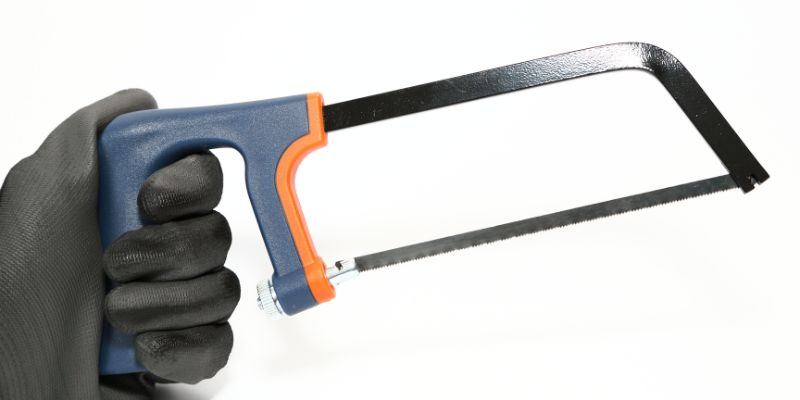
A hacksaw is for cutting metal. It has a thin blade. The frame holds the blade tight. People can change the blade easily. It is useful for small jobs. The blade has tiny teeth. Cutting is smooth and quick. Hacksaws are light and easy to use. Safety is important while using it. Always hold it tight.
Design Differences
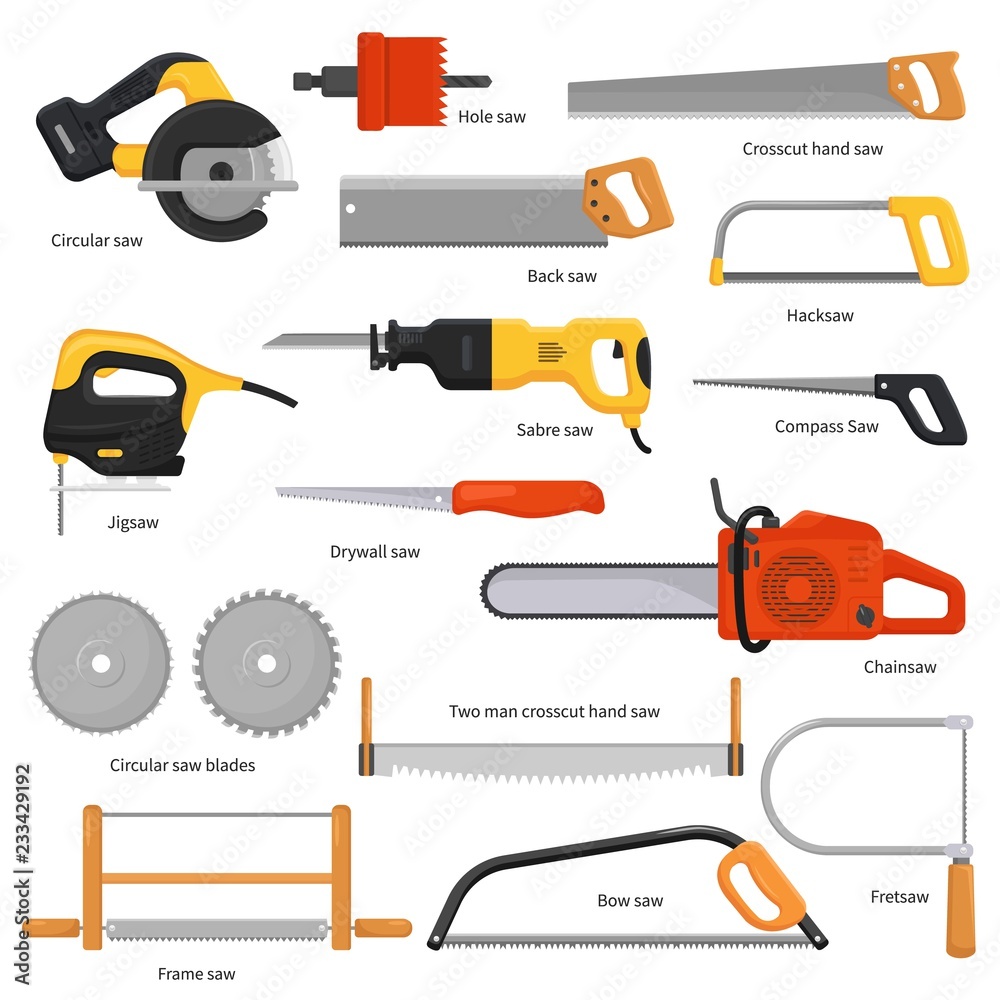
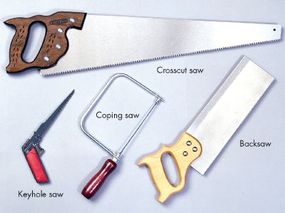
Hand saws have a large and stiff blade. They cut through wood easily. Hacksaws use a thin and flexible blade. These are perfect for cutting metal. Each blade is made for a different job. The size and shape matter a lot. The hand saw’s blade is straight. The hacksaw blade is narrow.
Hand saws have a simple handle. It’s easy to hold with one hand. Hacksaws often have a frame handle. This helps in holding the blade tight. Hand saw handles are often wooden or plastic. Hacksaw handles are usually metal. Both designs help in comfortable gripping. The handle shape affects cutting control.
Material Suitability
A hand sawis great for cutting wood. It has a strong blade. The blade is usually sharp. It cuts through wood easily. It is ideal for straight cuts. It works well for small projects. Woodworkers like using hand saws. They often use them for crafting. The saw is light. It is easy to handle. It provides clean cutson wood. It is also affordable. Many people have hand saws. They are common in toolboxes.
A hacksawis perfect for cutting metal. It has a thin blade. The blade is strong. It can cut through metal bars. It cuts metal sheets too. Hacksaws have fine teeth. They make precise cuts. The saw is very useful. It is used in workshops. Metalworkers trust hacksaws. They use them for detailed work. The saw is lightweight. It is easy to carry. It is also affordable. Many people own hacksaws. They are common in garages.
Credit: stock.adobe.com
Performance Factors
Both hand saws and hacksaws offer precision. Hand saws are good for wood. They can make straight cuts easily. Hacksaws are for metal. They have finer teeth. This helps in smooth cuts. Cutting straight is easier with a steady hand. For curves, practice is needed.
Hand saws cut faster in wood. They have larger teeth. This removes more material quickly. Hacksaws are slower. They are best for small metal pieces. Efficiency depends on the material. Wood cuts fast with hand saws. Metal cuts better with hacksaws.
Ease Of Use
Using a hand saw can be easierfor beginners. The grip is usually comfortableand natural. It feels like holding a big spoon. The hand saw is also lightweight. You can use it for longer without getting tired.
Hacksaws need a bit more skillto handle. They have a smallergrip and can feel awkward at first. This tool is heavier. It may tire your hand quickly.
Hand saws require basic skills. You just push and pull to cut. Kids might even find it fun! Hacksaws need a bit of practice. You must keep the saw steady and straight. It’s a bit tricky, but practice helps.
Maintenance Needs
Hand sawsneed regular blade checks. Blades can become dull quickly. They are usually fixed, so replacing means changing the saw. Hacksawshave a different approach. Their blades are removable. Easy to switch when worn out. Keep spare blades handy.
Sharpening a hand saw is crucial. Use a special file. The file is called a saw file. Move it in one direction. Always be careful. Hacksaws need less sharpening. Their blades are thin. Thin blades wear out instead. It’s easier to replace than to sharpen.
Cost Considerations
Choosing between a hand saw and a hacksaw depends on budget and specific needs. Hand saws are generally cheaper, making them ideal for basic woodwork. Hacksaws, designed for cutting metal, might require a larger investment but offer versatility for different projects.
Both tools provide distinct advantages based on materials and tasks.
Initial Investment
Hand sawsare often cheaper than hacksaws. They are simple tools. Many are less than $20. Hacksaws can cost more. Some hacksawsare over $30. They have more parts. Blades are removable. This can add to the price.
Long-term Expenses
Hand saws have fewer parts. They last longer without repairs. Hacksaws need blade replacements. Blades wear out quickly. New blades cost money. This can be a regular expense. Hand saws may need sharpening. Sharpening is usually cheap. Overall, hand saws are more budget-friendlyfor long-term use.
Credit: home.howstuffworks.com
Versatility Comparison
Hand saws cut wood easily. They’re good for home projects. Hacksaws cut metal and plastic. They help in fixing pipes. Choosing the right tool matters.
Hand saws are great for crafting wooden furniture. Hacksaws are perfect for cutting metal rods. Each saw fits different jobs. Know your task. Pick wisely.
Safety Aspects
Both hand saws and hacksaws can be dangerous. Blades are sharp and can cut skin. Hand saws have larger teeth. They can cause deeper cuts. Hacksaws have fine teeth. They can cause scratches. Slipping is a big risk. Tools can fall and hurt feet. Eye injuries can happen with metal shavings.
Always wear gloves to protect hands. Gloves keep hands safe from cuts. Use safety goggles for eye protection. Goggles stop shavings from hurting eyes. Make sure to wear sturdy shoes. Shoes protect feet from falling tools. Keep tools in good condition. Sharp tools are safer than dull ones.
User Preferences
Choosing between a hand saw and a hacksaw depends on your cutting needs. Hand saws are ideal for wood, offering precision and control. Hacksaws, with their fine teeth, excel at cutting metal and plastic, providing versatility. Understanding the material you’re working with helps in selecting the right tool.
Professional Opinions
Professionals often choose tools based on precision. Hand saws are ideal for wood. They give clean cuts. Hacksaws are better for metal. They are versatileand durable. Experts say hand saws are easy to control. Hacksaws need steady hands. Professionals value reliabilityin tools. They look for qualityand efficiency. Both tools serve different tasks well. Choice depends on materialand task.
DIY Enthusiasts
DIY lovers like using both saws. Hand saws are easy to use. They are perfect for small projects. Hacksaws work well for detailed tasks. DIY fans say hacksaws are lightweight. Hand saws are robust. Many find hacksaws flexible. Hand saws are strongand stable. Enthusiasts often switch between them. Each saw has a unique purpose. Choice varies by project needs.
Frequently Asked Questions
Can I Use A Hacksaw To Cut Wood?
A hacksaw can cut wood, but it’s not ideal. It’s designed for metal and may produce rough edges. Use a saw specifically for wood for better results and efficiency.
What Can A Hacksaw Not Cut?
A hacksaw cannot cut through hardened steel, tempered glass, or ceramics. These materials require specialized tools.
Can I Cut Metal With A Handsaw?
Yes, you can cut thin metal with a handsaw, using a blade designed for metal. Choose a hacksaw for better results. Ensure the blade teeth are suitable for the metal type. Cut slowly and steadily to avoid damaging the blade.
Always wear safety gear when cutting metal.
What Is The Easiest Saw For A Beginner?
A beginner should start with a handsaw or jigsaw. They’re easy to use and control. Handsaws cut wood manually, ideal for small projects. Jigsaws offer precision and versatility with power, suitable for various materials. Both are user-friendly, making them great for novices.
Conclusion
Choosing between a hand saw and a hacksaw depends on your needs. Hand saws work best for wood. They offer precision and control. Hacksaws are ideal for cutting metal and plastic. They have fine teeth for smooth cuts. Consider the material you plan to cut.
Each tool serves a specific purpose. Think about the task at hand. This will guide your choice. Both saws are valuable additions to a toolkit. Knowing their uses ensures better results. Select wisely for efficient and effective work.