Hard Maple Vs Soft Maple Trees: Key Differences Explained
When you think of maple trees, you might picture stunning autumn foliage or the sweet syrup that graces your breakfast table. But did you know that not all maple trees are created equal?
In fact, the world of maple trees is divided into two main categories: hard maple and soft maple. Understanding the differences between these two types can be crucial, especially if you’re planning a woodworking project or considering which tree to plant in your yard.
You may be wondering: What sets hard maple apart from soft maple? How do their characteristics influence their uses and benefits? You’ll discover the key distinctions between these two types of maple trees, helping you make informed decisions about which is best for your needs. Keep reading to explore how choosing the right maple can enhance the quality and beauty of your projects, and make the most of your outdoor spaces.

Credit: ferrinbrookfarm.wordpress.com
Types Of Maple Trees
Hard maple trees are known for their strong wood. This wood is often used to make furniture. The Sugar Maple is a common type. It grows tall and has a smooth bark. Another hard maple is the Black Maple. It is similar to the sugar maple. Its leaves are darker and thicker. Hard maples grow in colder areas. They love the sun.
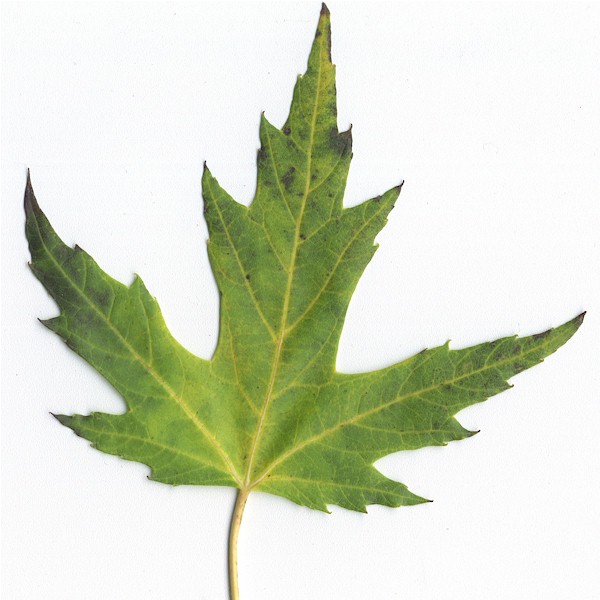
Soft maple trees are lighter and less dense. They are easy to work with. The Silver Maple is a popular soft maple. It has silvery leaves. This tree grows fast. The Red Maple is another type. Its leaves turn bright red in fall. Soft maples grow well in many places. They like wet soil and sunshine.
Physical Characteristics
Hard maple leaves are usually smaller. They have sharp points and deep lobes. Soft maple leaves are bigger and less sharp. They have fewer deep cuts. The color changes are different too. Hard maple leaves turn bright red. Soft maple leaves turn yellow or brown.
Hard maple bark is smooth and gray. It feels hard to touch. Soft maple bark is rough and shaggy. It can peel off easily. Hard maple bark stays the same as the tree grows. Soft maple bark changes and becomes more rugged.
Growth Habits
Hard maple trees grow slowly. They take many years to reach full size. Their branches spread wide. The leaves are usually dark green. In autumn, they turn bright orange and red. Hard maples prefer sunny areas. They thrive in well-drained soil. These trees can live for a long time. Some live over 100 years. They are strong and sturdy.
Soft maple trees grow faster. They reach maturity quicker than hard maples. Their branches are thinner. Leaves are lighter green. In fall, they become yellow or brown. Soft maples like wet soil. They often grow near rivers and streams. These trees have shorter lifespans. Usually, they live around 30 to 50 years. They are more flexible than hard maples.
Wood Properties
Hard maple is very strong and dense. It can take a lot of weight. Soft maple is less dense. It is not as strong as hard maple. Hard maple is often used for floors. People like it because it lasts long. Soft maple is used for furniture. It is easier to work with. Both types have their own uses.
Hard maple usually has a light color. It can look creamy. The grain is fine and smooth. Soft maple has more color changes. It can have spots or lines. The grain in soft maple is not as tight. Some people like the look of soft maple. Others prefer hard maple’s even color. Each type has its own beauty.
Uses And Applications
Hard maple is popular for making strong furniture. Tables, chairs, and cabinets often use this wood. It is heavy and lasts a long time. Soft maple is also used in furniture. It is not as strong as hard maple. But it is easier to cut and shape. This makes it good for detailed designs. Both types are used in flooring. Hard maple floors are tough and can handle lots of wear. Soft maple is more affordable. It works well for homes with less foot traffic.
Hard maple is great for making musical instruments. Many guitars and violins use this wood. It helps create a clear sound. The wood is dense, which helps with sound quality. Soft maple is also used in instruments. It is lighter and easier to work with. This makes it suitable for parts that need to be shaped. Both types of maple are valuable in music making. Each has its own special qualities.
Credit: thebailliegroup.com
Ecological Impact
Maple trees are homes for many animals. Birds often build nests in branches. Squirrels love to climb and play. Hard maples have strong branches. Soft maples grow faster and provide more leaves. Leaves give shade and shelter. Both trees are important for wildlife.
Maple trees help the earth by storing carbon. This process is called carbon sequestration. Hard maples store carbon for many years. Soft maples grow quicker and absorb more carbon early. Both types of maple are crucial for clean air. They make the planet healthier.
Cultivation And Care
Hard maple trees need full sunand well-drained soil. Soft maples grow in wetter areas. Both types love rich soil. Hard maples are best in cool climates. Soft maples can handle warm weather. Choose the right spot for each type.
Maple trees face threats from disease. Watch for leaf spotsand root rot. Keep leaves dry to prevent fungi. Trim trees to improve air flow. Check trees often for problems. Healthy trees fight disease better. Use natural treatmentswhen needed.
Credit: www.wood-database.com
Frequently Asked Questions
How To Tell The Difference Between Hard And Soft Maple Trees?
Identify hard maples by their dense wood and five-lobed leaves. Soft maples have lighter wood and often three-lobed leaves. Hard maples typically show vibrant fall colors, while soft maples turn a lighter yellow. Check bark texture; hard maple bark is rougher, while soft maple bark is smoother.
Is Soft Maple Cheaper Than Hard Maple?
Soft maple is generally cheaper than hard maple. Soft maple is less dense and more abundant. It offers a cost-effective alternative for woodworking projects. Hard maple is preferred for durability, impacting its higher price. Prices can vary based on quality, location, and supplier.
What Is Soft Maple Good For?
Soft maple is ideal for furniture, cabinetry, and flooring. It offers a smooth finish and is easy to stain. Its affordability makes it popular for interior projects. Soft maple’s versatility suits both traditional and modern designs. Its durability supports long-lasting use in various applications.
Is Home Depot Maple Hard Or Soft?
Home Depot offers both hard and soft maple. Hard maple is denser and more durable, ideal for flooring. Soft maple is lighter, often used for furniture and decorative purposes. Check product details to ensure you choose the right type for your project.
Conclusion
Choosing between hard maple and soft maple can be tricky. Each offers unique benefits. Hard maple is dense and durable. Perfect for heavy use furniture. Soft maple, on the other hand, is versatile and affordable. Ideal for light projects. Consider your needs and budget.
That will guide your decision. Both types of maple trees have distinct qualities. Each can enhance your woodworking projects. Understanding their differences helps you choose wisely. Make an informed choice. Enjoy the beauty and strength of maple in your creations.
Happy woodworking!