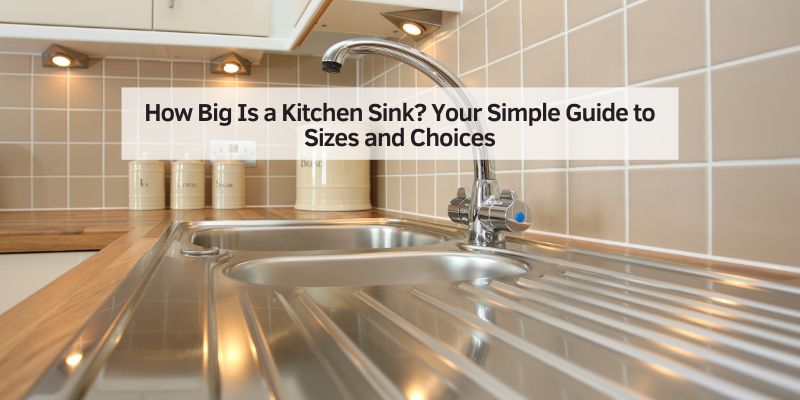
How Big Is a Kitchen Sink? Your Simple Guide to Sizes and Choices
I remember my first kitchen redo. I stood in a store, staring at shiny sinks, wondering, how big is a kitchen sink supposed to be? It felt like a puzzle! Choosing the right sink size is key to making your kitchen work well and look great. In this guide, I’ll explain kitchen sink sizes in simple terms. You’ll learn what sizes exist, how to measure, and how to pick the best one for your home. Whether you’re new to this or a kitchen pro, I’ve got easy tips to help you decide.
What Is a Kitchen Sink and Why Does Size Matter?
A kitchen sink is where you wash dishes, soak laundry, or prep food. Its size affects how easy these tasks are. Too small, and big pots won’t fit. Too big, and you lose counter space. The right size makes cooking and cleaning a breeze. It also needs to fit your cabinets and match your kitchen’s style.
Standard Kitchen Sink Sizes
Kitchen sinks come in different sizes. Most are measured by length, width, and depth. Here’s a quick look at common sizes:
- Small sinks: About 22-24 inches long. Great for tiny kitchens or bar areas.
- Standard sinks: Around 30-33 inches long. Common in most homes.
- Large sinks: 33-36 inches long. Best for big families or busy kitchens.
- Oversized sinks: 36 inches or more. Often found in professional or huge kitchens.
Why Size Matters
A sink’s size impacts your kitchen’s flow. A small sink in a big kitchen feels cramped for washing. A huge sink in a small kitchen eats counter space. Think about your cooking habits. Do you wash big pots often? Do you need room for a drying rack? Size affects function and comfort.
How to Measure a Kitchen Sink
Measuring a sink is easy. You need a tape measure and a minute. Here’s how:
- Measure length: From left to right edge.
- Measure width: From front to back.
- Measure depth: From top to bottom of the basin.
- Check your cabinet size. It limits how big your sink can be.
I once bought a sink that looked perfect but didn’t fit my cabinet. Lesson learned: measure first! Always check the space under your counter too. Deep sinks can block storage or pipes.
Tools You Need
- Tape measure: To check sink and cabinet sizes.
- Notebook: To jot down measurements.
- Level: To ensure the sink sits evenly.
Types of Kitchen Sinks by Size
Sinks vary by the number of basins. Each type fits different needs.
Single Basin Sinks
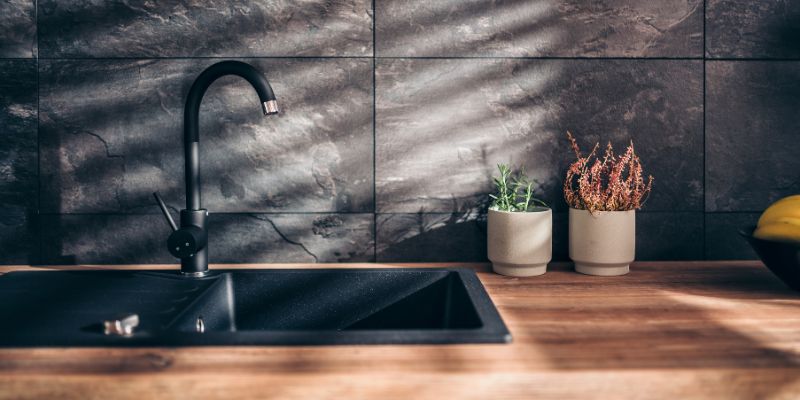
These have one big bowl. They’re great for large pots. I love mine for soaking cookie sheets. They’re often 22-33 inches long and 8-10 inches deep.
Double Basin Sinks
These have two bowls, usually 30-33 inches long. You can wash in one and rinse in the other. I find them perfect for multitasking. Some have equal bowls; others have one bigger bowl.
Triple Basin Sinks
These have two main bowls and a small prep sink. They’re often 33-36 inches long. Great for busy kitchens but need more space.
| Sink Type | Length (inches) | Best For |
|---|---|---|
| Single Basin | 22-33 | Big pots, small kitchens |
| Double Basin | 30-33 | Multitasking, medium kitchens |
| Triple Basin | 33-36 | Busy, large kitchens |
Table 1: Comparing Kitchen Sink Types and Sizes
Benefits and Drawbacks of Different Sink Sizes
Small Sinks (22-24 inches)
Benefits: Fit tiny kitchens. Save counter space. Often cheaper.
Drawbacks: Hard to wash large items. Less room for tasks.
Standard Sinks (30-33 inches)
Benefits: Work for most homes. Balance space and function. Many styles available.
Drawbacks: May feel small for big families. Can crowd small counters.
Large/Oversized Sinks (33+ inches)
Benefits: Handle big pots easily. Great for heavy use. Look impressive.
Drawbacks: Take up counter space. Need bigger cabinets. Cost more.
How to Choose the Right Sink Size
Choosing a sink size feels tricky, but it’s simple with these steps:
- Check your cabinet size. Measure the base cabinet width. Most sinks need a cabinet 3 inches wider than the sink.
- Think about your kitchen. Small kitchen? Go smaller. Big family? Consider larger.
- Consider your habits. Do you hand-wash dishes? Need space for a colander?
- Plan for accessories. Some sinks have ledges for cutting boards or racks.
I once helped a friend pick a sink. She loved big parties, so we chose a 33-inch double basin. It was perfect for her!
Tips for Picking the Right Size
- Measure your space. Ensure the sink fits your counter and cabinet.
- Think about depth. Deeper sinks (8-10 inches) hold more but may strain your back.
- Check counter space. Big sinks reduce counter room, so plan carefully.
| Sink Size | Cabinet Size Needed | Price Range |
|---|---|---|
| 22-24 inches | 25-27 inches | $100-$300 |
| 30-33 inches | 33-36 inches | $200-$500 |
| 33-36 inches | 36-39 inches | $300-$800 |
Table 2: Sink Sizes and Requirements
Common Mistakes to Avoid
I’ve seen people mess up sink choices. Here are pitfalls to dodge:
- Buying too big. A huge sink won’t fit a small cabinet. Measure twice!
- Ignoring depth. Deep sinks are great but can limit storage underneath.
- Forgetting style. A modern sink in a rustic kitchen looks odd.
- Skipping research. Check reviews to avoid low-quality sinks that rust.
One time, I picked a sink without checking the cabinet size. It didn’t fit, and I had to return it. Save yourself the hassle—measure first!
Materials and Sink Size
Sink size often ties to material. Here’s how:
- Stainless Steel: Common for all sizes. Durable, easy to clean. My go-to choice.
- Porcelain: Often in smaller or standard sizes. Looks classic but can chip.
- Granite/Composite: Found in larger sinks. Tough and stylish but pricey.
| Material | Common Sizes | Pros | Cons |
|---|---|---|---|
| Stainless Steel | All sizes | Durable, affordable | Shows water marks |
| Porcelain | Small-Standard | Classic look | Can chip or crack |
| Granite | Standard-Large | Tough, stylish | Expensive |
Table 3: Sink Materials and Features
Visual Ideas for Better Understanding
Imagine these visuals to help:
- Diagram of sink measurements: Showing length, width, and depth.
- Kitchen layout sketch: Comparing small vs. large sinks in a counter.
- Basin type comparison: Side-by-side view of single, double, and triple basins.
My Personal Tips for Sink Shopping
I’ve picked sinks for three kitchen remodels. Here’s what I learned:
- Start small if unsure. A 30-inch sink works for most kitchens.
- Test depth in stores. Bend over to mimic washing dishes. Is it comfy?
- Look for deals. Home Depot often has sales on stainless steel sinks.
- Read reviews. Avoid brands with rust or cracking issues, like some budget models.
Frequently Asked Questions
How big is a kitchen sink on average?
Most kitchen sinks are 30-33 inches long, 18-22 inches wide, and 8-10 inches deep. These fit standard 33-36 inch cabinets. They’re great for everyday tasks like washing dishes or soaking laundry. Check your cabinet size to ensure a good fit.
What’s the smallest kitchen sink size?
Small sinks are about 22-24 inches long. They’re perfect for tiny kitchens or bar areas. They save space but can be tight for big pots. I used one in a small apartment, and it worked fine for light use.
Can a big sink fit in a small kitchen?
Yes, but it’s tricky. A 33-inch sink needs a 36-inch cabinet. In a small kitchen, it can eat counter space. I’d suggest a 24-30 inch sink for better balance. Measure your counter and cabinet first.
How deep should a kitchen sink be?
Most sinks are 8-10 inches deep. Deeper sinks hold big pots and contain splashes. But too deep can strain your back. I find 8 inches comfy for most people. Test it in a store if possible.
What’s the difference between single and double basin sinks?
Single basin sinks have one big bowl, great for large items. Double basin sinks have two bowls for washing and rinsing. I like double basins for multitasking. They’re usually 30-33 inches long, fitting most kitchens.
How do I know if a sink fits my cabinet?
Measure your cabinet width. The sink should be 2-3 inches smaller. For example, a 33-inch sink needs a 36-inch cabinet. I learned this the hard way when a sink didn’t fit my counter!
Are larger sinks worth the cost?
Large sinks (33-36 inches) cost $300-$800 but handle big tasks well. They’re great for big families or frequent cooks. If your kitchen is small, a standard 30-inch sink might be enough and save money.
Conclusion
Choosing a kitchen sink size is easier than it seems. Measure your cabinet, think about your cooking habits, and pick a size that fits. From small 22-inch sinks to large 36-inch ones, there’s a perfect option for every kitchen. My first sink choice was a hassle, but now I love my 33-inch double basin. Try measuring your space today and explore sinks at places like Home Depot. Share your favorite sink tips below or start planning your kitchen upgrade!