How Close Do Cherry Trees Need to Be to Pollinate?
Figuring out How Close Do Cherry Trees Need to Be to Pollinate? can seem tricky when you’re starting with your cherry trees. Many folks find pollination a bit confusing, but don’t worry! This is a common question, and we’ll break it down for you step by step. We’ll simplify the whole process, making it easy to see how to get your cherry trees producing fruit. Let’s explore everything you need to know about cherry tree pollination to make sure you have a successful harvest.
Understanding Cherry Tree Pollination Basics
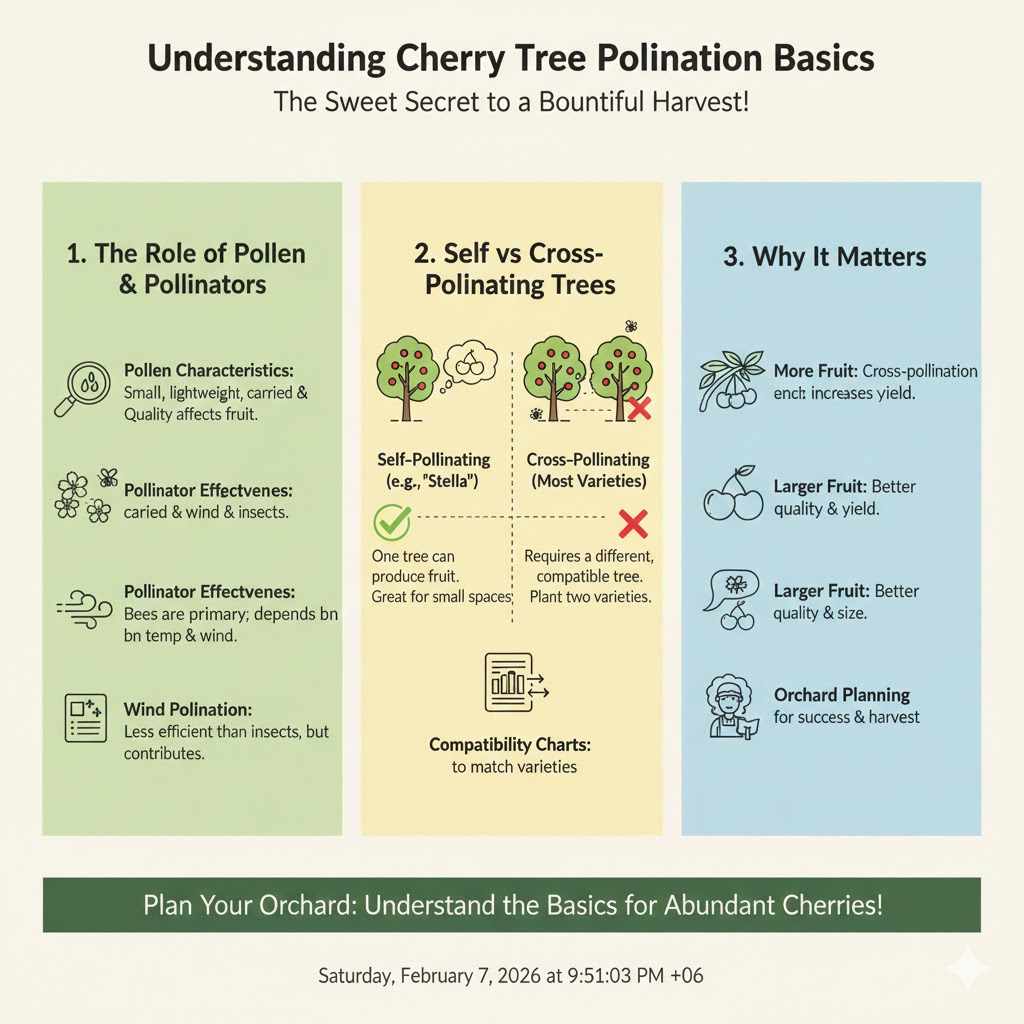
Cherry tree pollination involves transferring pollen from the male part of a flower (the stamen) to the female part (the pistil), which fertilizes the ovules. This leads to the development of a cherry. Many cherry tree types require cross-pollination to set fruit, meaning they need pollen from a different cherry tree variety.
Some cherry varieties are self-pollinating, which means they can produce fruit with their own pollen, though even these often benefit from cross-pollination, resulting in a heavier yield and larger fruit. Understanding these basics is critical to planning your orchard.
The Role of Pollen and Pollinators
Pollen acts as a carrier of genetic material from the male part of the flower to the female part. Once pollination occurs, the flower can then develop into a fruit. Pollinators, such as bees, play a major role in transferring pollen. Bees are very efficient pollinators because they actively collect pollen for their nests, and in the process, they brush against the flowers and spread the pollen. Other insects, wind, and even sometimes the grower (through hand-pollination) can act as pollinators too.
- Pollen Characteristics: Pollen grains from cherry trees are usually small and lightweight, which helps them to be carried by the wind and insects. The quality of pollen also affects fruit set.
- Pollinator Effectiveness: The activity level of bees and other pollinators is influenced by environmental factors such as temperature, wind, and the availability of food sources.
- Wind Pollination: Some pollination can occur from the wind, especially in areas with high wind activity. However, wind pollination is generally less efficient than insect pollination for cherry trees.
Self-Pollinating vs. Cross-Pollinating Cherry Trees
The type of cherry tree you have determines if you require a pollinator. Self-pollinating varieties like ‘Stella’ are able to produce fruit with their own pollen. However, cross-pollinating cherry trees need another compatible cherry tree nearby to bear fruit. The variety of cherry tree you choose dictates the planting plan. A grower needs to know what varieties are compatible. When planting, always double-check the variety for compatibility information.
- Self-Pollinating Examples: These trees set fruit without another tree nearby, great for small spaces and beginners.
- Cross-Pollinating Examples: These trees need another compatible tree; planting two different varieties that bloom at the same time is essential.
- Compatibility Charts: Before planting, review a pollination chart to confirm that your selected varieties will pollinate each other.
How Close Do Cherry Trees Need to Be for Successful Pollination?
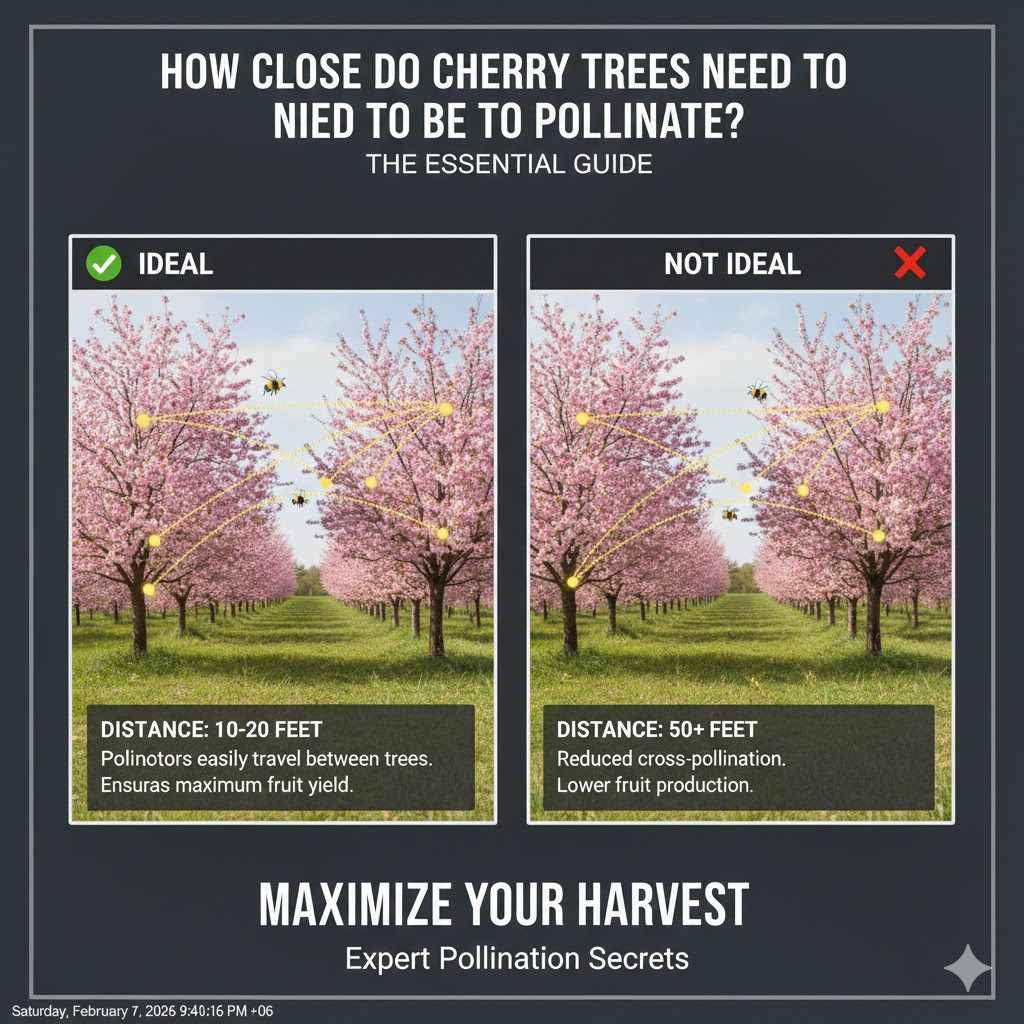
The distance between cherry trees for pollination isn’t a fixed rule but rather a range. Factors like pollinator activity and local conditions affect how far pollen travels. The general guideline is that trees should be planted within 100 feet of each other for optimal pollination. This range ensures that pollinators can effectively move pollen between flowers. However, factors like wind and pollinator species can change the ideal distance.
Factors Affecting Pollination Distance
Several things affect how far pollen moves between cherry trees. Wind can carry pollen over greater distances, and a strong bee population enhances pollination. Planting in locations with prevailing winds or known high pollinator activity can help maximize fruit production. Remember that the layout of your trees, as well as the types of cherry trees, has to be right. This means choosing the correct pollinators and the ideal spacing.
- Pollinator Type: Bees are the primary pollinators. Native bees are also very beneficial.
- Wind Conditions: Windy areas can extend the reach of pollen, aiding pollination over longer distances.
- Bee Activity: The health and number of bees in your area influence how well your trees get pollinated.
Optimal Spacing Recommendations
Spacing recommendations for cherry trees change based on the variety, rootstock, and soil conditions. As a starting point, most recommendations are for planting cross-pollinating trees within 100 feet of each other. This is very important when setting up your orchard. This close proximity helps to guarantee that bees can transfer pollen efficiently and effectively.
When trees are closer, the chances of successful cross-pollination improve greatly. However, proper spacing is essential to ensure that trees have enough space to mature and thrive, especially for large, mature trees.
- Standard Spacing: Traditionally, this means planting trees at least 20-25 feet apart for standard-sized cherry trees to permit enough space for growth and airflow.
- Dwarf Varieties: Dwarf trees may be planted closer, sometimes as close as 10-12 feet.
- Semi-Dwarf Varieties: Semi-dwarf trees generally require 15-20 feet of spacing.
Maximizing Pollination Success: Practical Tips
You can use several techniques to help maximize pollination success and improve fruit set. Selecting the right tree varieties, maintaining a healthy bee population, and ensuring the trees are getting the right care all play a role. Careful planning can significantly influence your orchard’s overall productivity and the quality of your cherries. Taking these steps can significantly increase the chances of a bountiful cherry harvest.
Selecting Compatible Cherry Varieties
The key to good cherry production is to select compatible varieties that bloom at the same time. Not all cherry trees can pollinate each other. Knowing which varieties are compatible and which are not is vital to cross-pollination. Before planting, check compatibility charts. Matching the bloom times also matters, as the flowers of the trees must be open simultaneously so pollination can happen. This means selecting a combination of varieties to make sure that the trees have suitable pollination partners.
- Bloom Time Matching: Choosing varieties that bloom at the same time ensures pollen is available when needed.
- Compatibility Charts: These charts help you select varieties that pollinate each other.
- Example: ‘Bing’ and ‘Rainier’ cherries are frequently planted together.
Attracting and Supporting Pollinators
Pollinators play a vital role in successful cherry production, so creating a pollinator-friendly environment will pay off. Ensure that there is a good number of bees. You can also attract bees by planting pollinator-friendly flowers. Pollinators need a variety of habitats and the right conditions. This means providing diverse food sources, water, and shelter in your garden or orchard.
- Planting Pollinator-Friendly Flowers: Bees, butterflies, and other pollinators need food sources, such as wildflowers.
- Providing Water Sources: Create a shallow dish of water with stones for the pollinators to use.
- Avoiding Pesticides: Avoid using pesticides that can harm pollinators.
Orchard Management Practices
Good orchard management helps to improve pollination by keeping the trees healthy and productive. This includes appropriate pruning, fertilization, and pest control. Healthy trees produce more flowers and are more attractive to pollinators.
The right amount of care allows the trees to be more resistant to diseases and ensures more efficient pollination. If you maintain healthy trees, they will be more productive and the fruit will be of higher quality.
- Pruning: Prune trees to increase airflow and sunlight, which helps improve pollination.
- Fertilization: Fertilize trees based on soil tests to support flower and fruit production.
- Pest Control: Manage pests to protect the health of your trees.
Examples and Scenarios
Here are some examples and scenarios of cherry tree pollination.
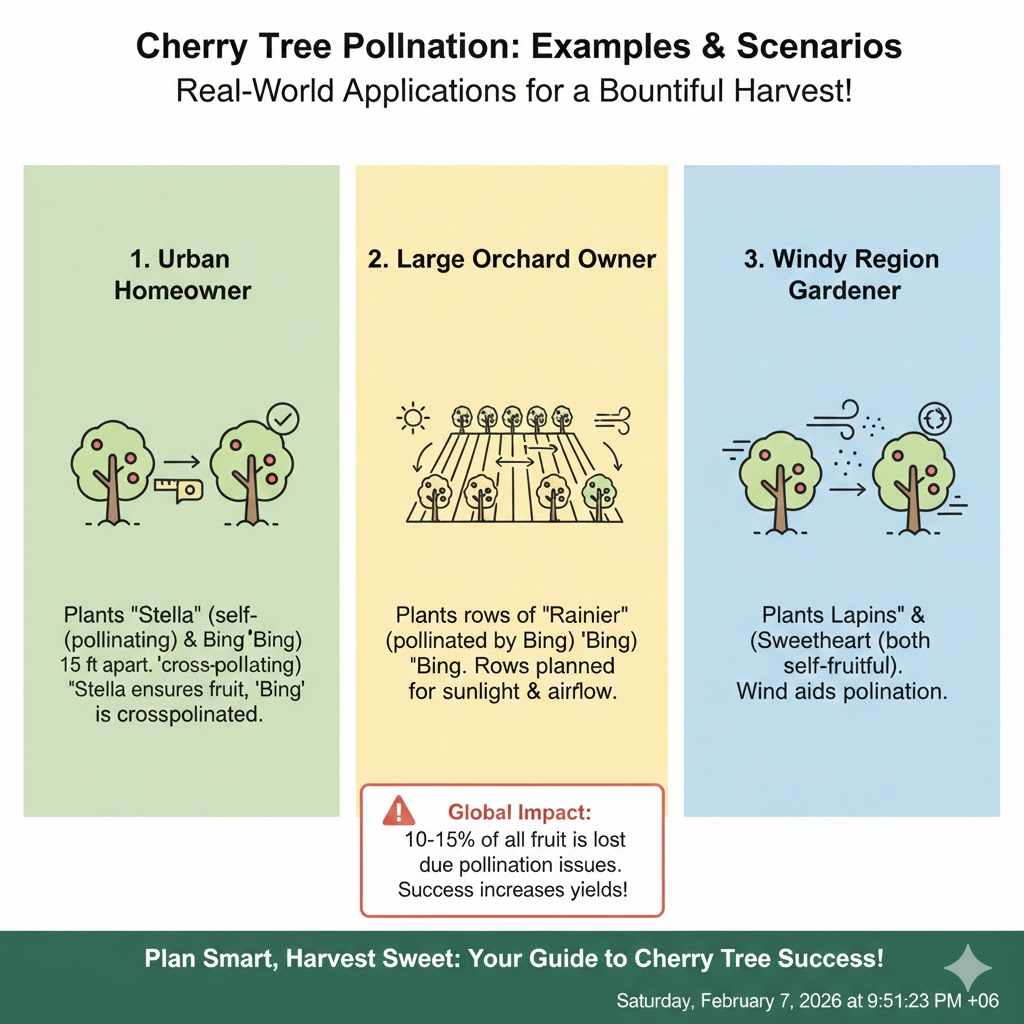
- A small homeowner in an urban area wants to plant two cherry trees. They choose a ‘Stella’ (self-pollinating) and a ‘Bing’ (cross-pollinating) variety, spacing them 15 feet apart to maximize space while ensuring pollination. The ‘Stella’ will provide fruit every year without help, while the ‘Bing’ will be pollinated by the ‘Stella’.
- A large orchard owner, after conducting a soil analysis, plants rows of ‘Rainier’ cherries (pollinated by ‘Bing’) and ‘Bing’ cherries to ensure a large and steady fruit supply. They plan the rows to guarantee good sunlight exposure and sufficient spacing for airflow and harvest.
- In a region with high wind, a gardener plants ‘Lapins’ (self-fruitful) cherry trees with a row of ‘Sweetheart’ (self-fruitful) cherry trees to guarantee some pollination without any cross-pollination, using the wind to aid the pollination process.
The University of California’s Agriculture and Natural Resources has reported that 10-15% of all fruit produced globally is lost due to pollination issues. Successful pollination can directly increase yields and improve fruit quality.
Frequently Asked Questions
Question: Why do some cherry trees not produce fruit?
Answer: Cherry trees may not produce fruit because of a few reasons: lack of a compatible pollinator (for cross-pollinating types), cold damage to blossoms, insufficient sunlight, or poor tree health due to improper care or pest issues.
Question: How can I tell if my cherry tree is self-pollinating or cross-pollinating?
Answer: Check the tree tag, purchase records, or nursery information. Self-pollinating trees will usually be labeled as such; otherwise, the tree likely needs a cross-pollinator. You can also research the variety online.
Question: What if I only have one cherry tree?
Answer: If you have a cross-pollinating cherry tree, you will only get fruit if you have another compatible cherry tree nearby. Consider planting a self-pollinating variety or finding a neighbor’s compatible tree.
Question: When do cherry trees typically bloom?
Answer: The bloom time varies based on the variety and location. Usually, cherry trees flower in spring. The bloom period can range from a few days to a couple of weeks.
Question: What’s the best way to help bees pollinate my cherry trees?
Answer: Plant a variety of pollinator-friendly flowers in your garden, provide a water source, and avoid using pesticides that could harm the bees. Proper care and planning will help the bees pollinate your cherry trees effectively.
Final Thoughts
Successfully pollinating cherry trees involves knowing about the type of cherry tree you have and understanding how far apart they should be. Knowing the difference between self-pollinating and cross-pollinating varieties is very important. Trees that need to cross-pollinate usually do best when they’re planted near each other, especially within around 100 feet, to allow pollinators to get their job done well.
Planting the right varieties and giving the trees good care, such as making sure there are plenty of bees and other pollinators around and taking care of the trees, is also very important for a fruitful harvest. It’s a fun process, and with some careful planning, you’ll be on your way to enjoying delicious cherries from your own trees!