How Do Gearless Ratchets Work: A Deep Dive into a Game-Changing Tool
Hey there! If you’ve ever picked up a ratchet wrench and marveled at how it makes your work easier, you’re not alone. I’ve spent countless hours tinkering in my garage, and let me tell you, a good ratchet is like a trusty sidekick. But have you ever wondered about gearless ratchets? These tools are a bit different from the classic ratchets we’re used to, and they’ve got some clever engineering behind them. In this article, I’m going to break down how gearless ratchets work, why they’re awesome, and how they can make your home improvement projects smoother. So, grab a cup of coffee, and let’s dive into the fascinating world of gearless ratchets!
What Is a Gearless Ratchet?
When I first heard about gearless ratchets, I was curious. I mean, ratchets are all about gears, right? Well, not always! A gearless ratchet is a type of ratchet wrench that doesn’t rely on traditional gears to function. Instead, it uses a different mechanism to achieve that satisfying “click” and one-way motion we love in ratchets.
Traditional ratchets have a gear and pawl system. The gear is a toothed wheel, and the pawl is a small piece that locks into the teeth to allow motion in one direction while preventing it in the other. Gearless ratchets, on the other hand, use a smooth, gear-free design, often with rollers, clutches, or other friction-based systems. This makes them feel smoother and, in some cases, more durable. I’ve used both types, and the gearless ones have a unique feel—like gliding instead of clicking.
Why does this matter? Well, for home improvement enthusiasts like us, a gearless ratchet can mean less wear and tear, smoother operation, and sometimes even a quieter experience. Plus, they’re just cool to learn about!
How Does a Gearless Ratchet Actually Work?
Okay, let’s get to the heart of it: how do these things work? When I first took apart a gearless ratchet (yes, I’m that person who takes tools apart to see what’s inside), I was amazed at the simplicity and cleverness of the design.
Instead of gears, most gearless ratchets use a roller clutch or a sprag clutch mechanism. Picture this: inside the ratchet head, there’s a smooth, cylindrical surface. Around this surface are small rollers or sprags (think of them as tiny wedges or cylinders). These rollers are held in place by springs or other components. When you turn the ratchet in the “driving” direction (the one that tightens or loosens a bolt), the rollers wedge tightly against the inner surface, locking everything together so the force you apply turns the bolt.
Now, when you turn the ratchet the other way, the rollers loosen up and slip against the surface, allowing the handle to move freely without turning the bolt. It’s like magic, but it’s just clever engineering! This slipping action is what gives you that smooth, continuous motion instead of the clicky feel of a geared ratchet.
I remember using a gearless ratchet for the first time while assembling a heavy-duty shelf in my garage. The smooth motion made it feel like I was working with a high-end tool, and it didn’t get stuck like some geared ratchets do when they’re dirty.
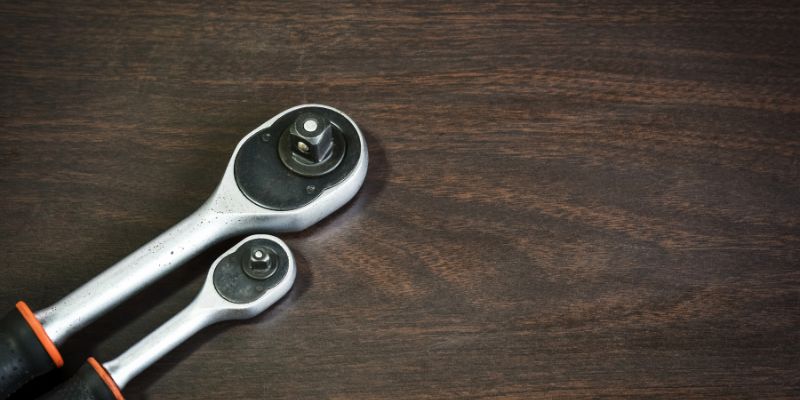
Key Components of a Gearless Ratchet
To really understand how gearless ratchets work, let’s break down the main parts. I’ve spent enough time with these tools to know that each component plays a big role in making them so effective. Here’s what’s inside:
- Drive Shaft: This is the part that connects to the socket or fastener. It’s the business end of the ratchet, transferring your force to the bolt or nut.
- Clutch Mechanism: This is the star of the show. Whether it’s rollers, sprags, or another friction-based system, this is what allows the ratchet to drive in one direction and slip in the other.
- Springs: These keep the rollers or sprags in place, ensuring they engage or disengage at the right time.
- Housing: The outer shell of the ratchet head holds everything together. It’s usually made of tough metal to handle the torque you’re applying.
- Handle: This is what you grip. A good handle feels comfortable and gives you enough leverage to apply force without straining.
Here’s a quick table to sum it up:
| Component | Function |
|---|---|
| Drive Shaft | Connects to the socket and turns the fastener |
| Clutch Mechanism | Enables one-way motion (drive or slip) |
| Springs | Keeps clutch components in position |
| Housing | Protects and holds internal parts |
| Handle | Provides grip and leverage |
When I was working on a rusty old bike, the gearless ratchet’s clutch mechanism made it easy to apply steady force without worrying about the tool jamming. It’s these components working together that make gearless ratchets so reliable.
Why Choose a Gearless Ratchet Over a Geared One?
Now, you might be wondering, “Why should I pick a gearless ratchet over the classic geared kind?” I asked myself the same thing when I first came across them. After using both types for various projects, here’s what I’ve learned.
First, gearless ratchets are smoother. The lack of gears means there’s no “click” or resistance from teeth catching. This can make your work feel more fluid, especially on long projects like Ascertainable, gearless ratchets can handle higher torque without slipping. I’ve tightened some seriously tough bolts with a gearless ratchet, and it didn’t let me down.
Another big plus is durability. Gears can wear out over time, especially if you’re working with dirty or rusty fasteners. Gearless ratchets, with fewer moving parts, are often more resistant to wear and tear. I’ve had geared ratchets start to skip under heavy use, but my gearless one keeps going strong.
They’re also quieter. If you’ve ever worked in a quiet garage late at night, you know how loud a geared ratchet’s “click-click” can be. Gearless ratchets are nearly silent, which is a nice bonus when you don’t want to wake the neighbors.
That said, geared ratchets have their strengths too. They often have a finer “swing arc,” meaning you can work in tighter spaces because the gear engages with smaller handle movements. Gearless ratchets might need a slightly larger swing to engage properly, which I noticed when working in cramped spots under my kitchen sink.
Common Uses for Gearless Ratchets in Home Improvement
As someone who loves tackling home improvement projects, I’ve found gearless ratchets to be incredibly versatile. Here are some ways I’ve used mine:
- Furniture Assembly: Whether it’s a new IKEA bookshelf or a custom DIY table, gearless ratchets make quick work of tightening bolts. The smooth action feels great for repetitive tasks.
- Automotive Repairs: From changing spark plugs to swapping out a car battery, a gearless ratchet is perfect for working in tight engine compartments.
- Plumbing Projects: I used mine to secure pipe fittings when installing a new bathroom faucet. The high torque capability was a lifesaver for stubborn connections.
- Outdoor Projects: Building a deck or tightening bolts on a patio umbrella base is a breeze with a gearless ratchet’s durability and smooth operation.
I recently helped a friend assemble a metal shed in their backyard. The gearless ratchet made it easy to drive dozens of screws without my wrist getting tired from jerky gear movements. It’s become my go-to for projects that need consistent, reliable performance.
Maintenance Tips for Gearless Ratchets
If you’re like me, you want your tools to last forever. Gearless ratchets are pretty low-maintenance, but a little care goes a long way. Here’s what I do to keep mine in top shape:
- Keep It Clean: After working on greasy car parts or dusty furniture, I wipe down the ratchet head with a clean cloth. Dirt can gunk up the clutch mechanism over time.
- Lubricate Sparingly: A tiny drop of light machine oil on the clutch mechanism every few months keeps things running smoothly. Don’t overdo it—too much oil attracts dirt.
- Store Properly: I store my ratchets in a toolbox to protect them from moisture and dust. Rust is the enemy of any tool!
- Check for Wear: Every so often, I inspect the drive shaft and clutch for signs of wear. If the ratchet starts slipping in the drive direction, it might need professional servicing.
I learned the hard way that neglecting maintenance can shorten a tool’s life. After leaving a ratchet in a damp garage for too long, I had to replace it sooner than expected. A little TLC keeps your gearless ratchet ready for action.
How to Choose the Right Gearless Ratchet for Your Needs
Picking the right gearless ratchet can feel overwhelming with so many options out there. Here’s what I consider when shopping for one:
- Drive Size: Gearless ratchets come in sizes like 1/4-inch, 3/8-inch, or 1/2-inch drives. I use a 3/8-inch for most home projects—it’s versatile for both small and larger fasteners.
- Handle Length: A longer handle gives more leverage for tough bolts, but a shorter one is better for tight spaces. I have both in my toolbox for different jobs.
- Material Quality: Look for chrome-vanadium steel or similar high-quality materials. My cheap ratchet broke after a few uses, but my higher-end one has lasted years.
- Ergonomics: A comfortable grip is key for long projects. I always test the handle in-store to make sure it feels right in my hand.
- Brand Reputation: I’ve had great luck with brands known for durability, but I always read reviews to ensure I’m getting a reliable tool.
Last year, I bought a gearless ratchet for a big deck-building project. I went with a 1/2-inch drive for extra torque, and it made driving lag bolts so much easier. Take your time to pick one that matches your project needs.
My Personal Experience with Gearless Ratchets
I’ve been using gearless ratchets for a few years now, and they’ve changed the way I tackle home improvement projects. My favorite moment was when I was rebuilding an old motorcycle with my dad. The bolts were rusted and tough to turn, but my gearless ratchet powered through without skipping or jamming. The smooth action made the job feel less like a chore and more like a fun challenge.
Another time, I was helping a neighbor install a new ceiling fan. The tight space made it hard to use a geared ratchet without a lot of clicking and repositioning. The gearless ratchet’s smooth motion let me work faster and with less frustration. It’s moments like these that make me appreciate the engineering behind these tools.
Why Gearless Ratchets Are a Game-Changer
After spending so much time with gearless ratchets, I can confidently say they’re a game-changer for home improvement. Their smooth operation, durability, and quiet performance make them a joy to use, whether you’re a DIY newbie or a seasoned pro. They’re not perfect for every situation—tight spaces might call for a geared ratchet—but for most home projects, they’re hard to beat.
If you’re looking to upgrade your toolbox, I highly recommend giving a gearless ratchet a try. It’s one of those tools that makes you wonder how you ever got by without it. Whether you’re tightening bolts on a new patio set or fixing up an old car, a gearless ratchet will make the job easier and more enjoyable.
Conclusion
Exploring the world of gearless ratchets has been a fun journey for me, and I hope this deep dive has sparked your curiosity too! These tools are more than just a fancy gimmick—they’re a practical, reliable choice for anyone who loves tackling home improvement projects. From their smooth, gear-free operation to their durability and versatility, gearless ratchets have earned a permanent spot in my toolbox. Next time you’re working on a project, give one a spin and feel the difference for yourself. Trust me, once you go gearless, you might never go back!
Frequently Asked Questions
What’s the main difference between a gearless ratchet and a geared ratchet?
A gearless ratchet uses a roller or sprag clutch instead of a toothed gear and pawl system. This makes it smoother and often more durable, but it might need a larger swing arc in tight spaces compared to a geared ratchet.
Are gearless ratchets better for heavy-duty tasks?
Yes, gearless ratchets are great for heavy-duty tasks because they can handle high torque without slipping or wearing out as quickly as geared ratchets. I’ve used mine for tough jobs like automotive repairs and deck building.
Can I use a gearless ratchet for small projects?
Absolutely! Gearless ratchets work well for small projects like furniture assembly or tightening screws on appliances. Their smooth action makes repetitive tasks feel easier.
How do I know if a gearless ratchet is high quality?
Check for materials like chrome-vanadium steel, a comfortable handle, and a reputable brand. Reading reviews and testing the tool’s feel in your hand can also help you pick a reliable one.
Do gearless ratchets need a lot of maintenance?
Not really! Just keep them clean, add a tiny bit of oil to the clutch mechanism occasionally, and store them in a dry place. A little care keeps them working like new for years.